This city of two million is an interesting combination of go-go modern and its Asian and colonial past. Although our guides, who were Indian and Chinese, proudly consider Malaysia a melting pot of cultures where all could worship as they pleased, Muslim supremacy is institutionalized and very ubiquitous. We learned that 95% of government workers are Muslim because those are cherished jobs and they automatically go to Muslims, and Muslims get preferential treatment on government contracts, loans, even pension levels and real estate deals. This is the law and cannot be changed because Muslims are the majority and that’s the way they like it.
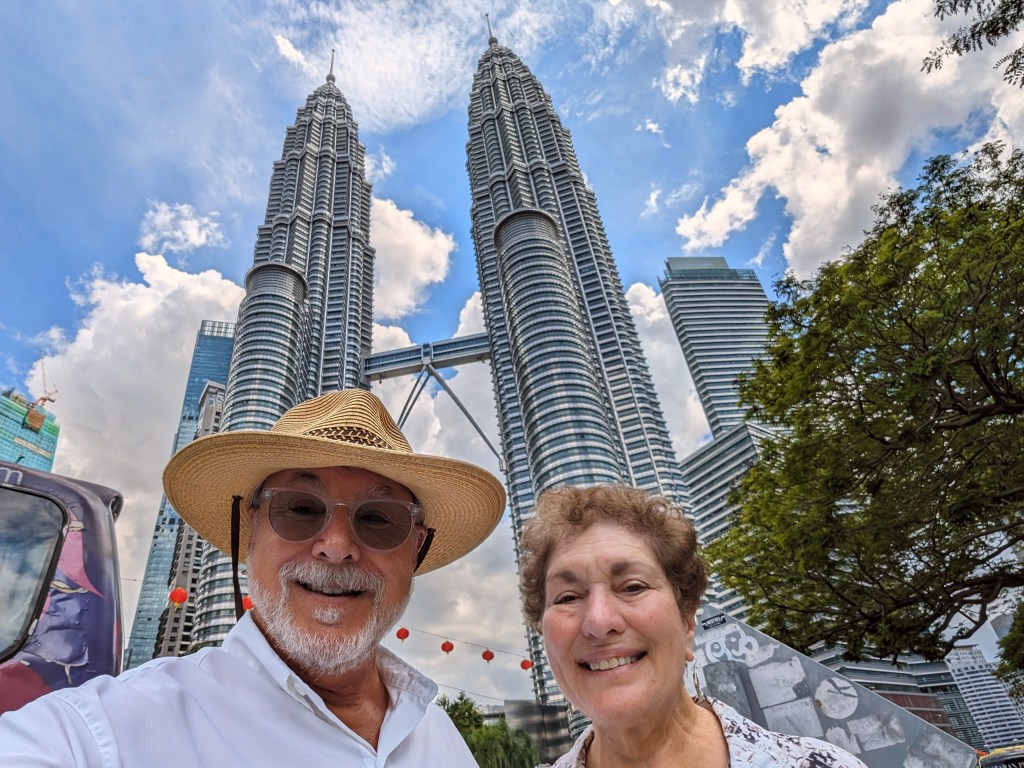
Below is Kuala Lumpur’s Petronas Twin Towers, because major cities should have impressive skyscrapers. It’s 88 stories because eight is a good luck number and until 2004 it was the tallest skyscraper in the world. They are still the world’s tallest twin buildings. They were built by Japan and Korea. Korea, which finished its contract first, got the honor of building the sky bridge between the two buildings.
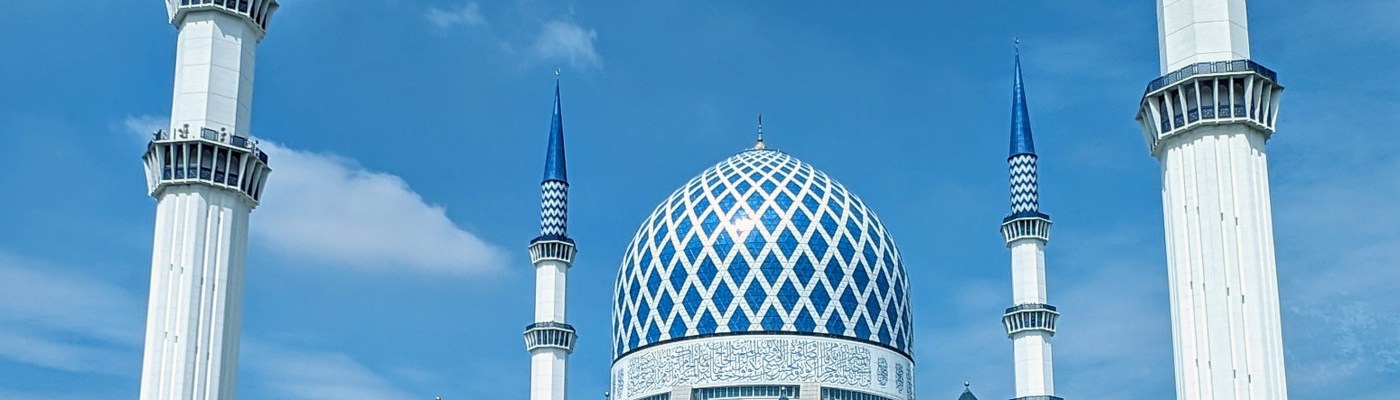
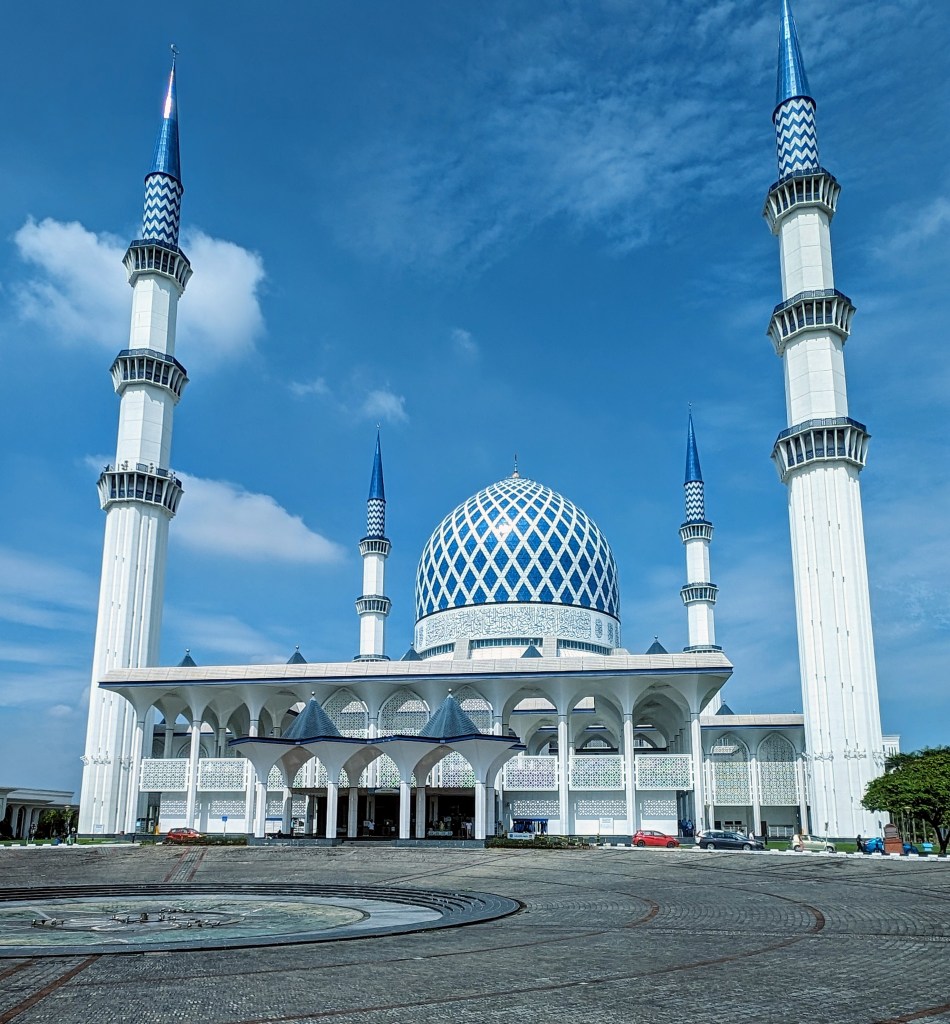
This is Blue Mosque Selangor, Malaysia’s largest mosque and widely considered to be its most beautiful.
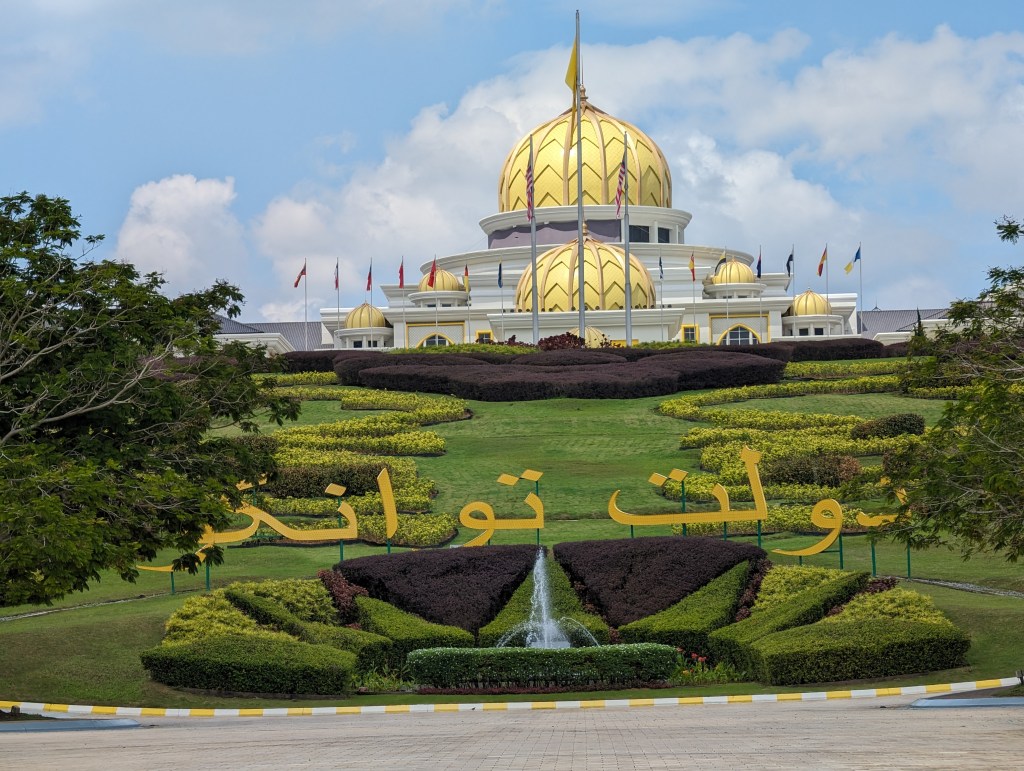
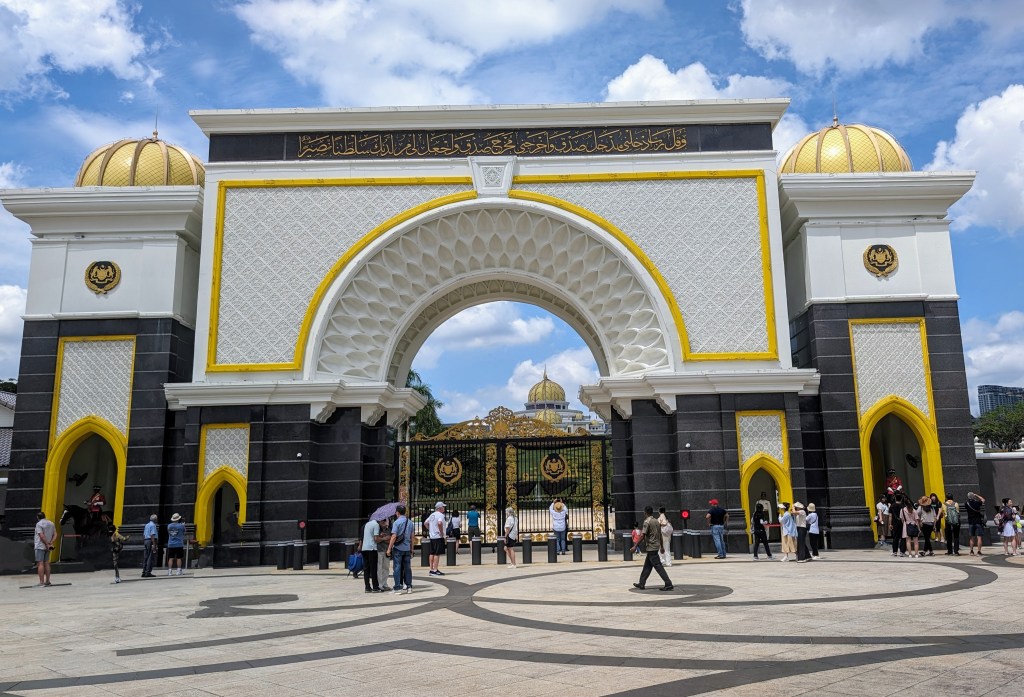
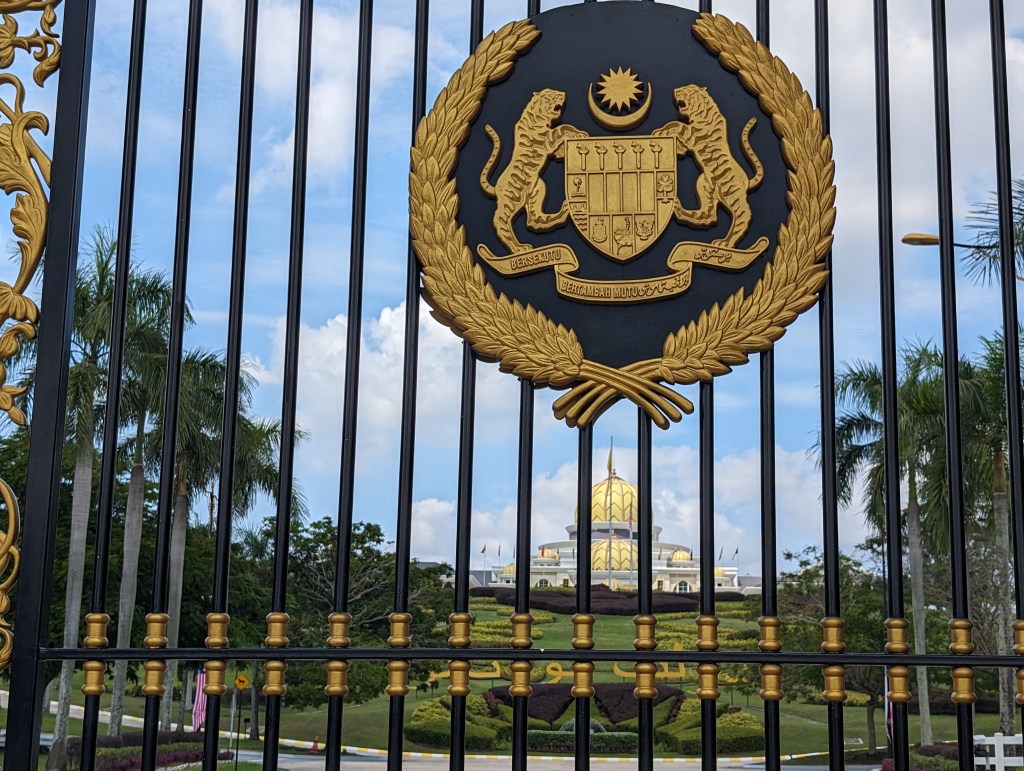
The King’s Palace is a temporary residence because the title of King is rotated every 5 years among the countries Sultans. That doesn’t make it democratic, because sultans are hereditary titles. But the real power lies with the country’s prime minister an elected position.
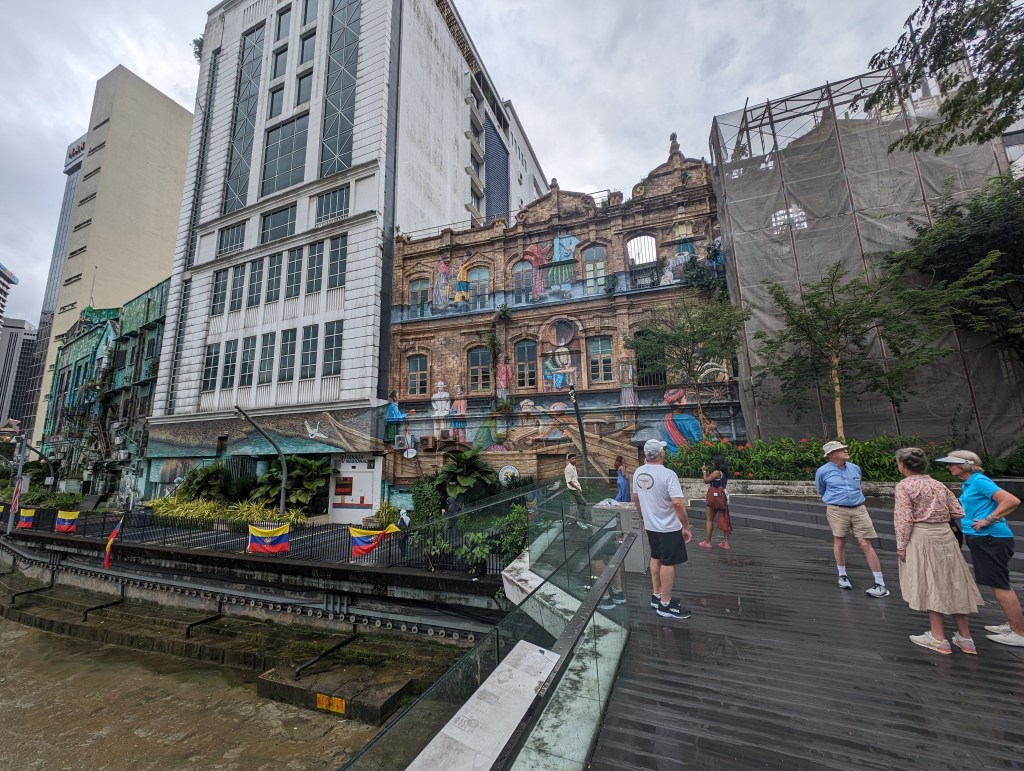
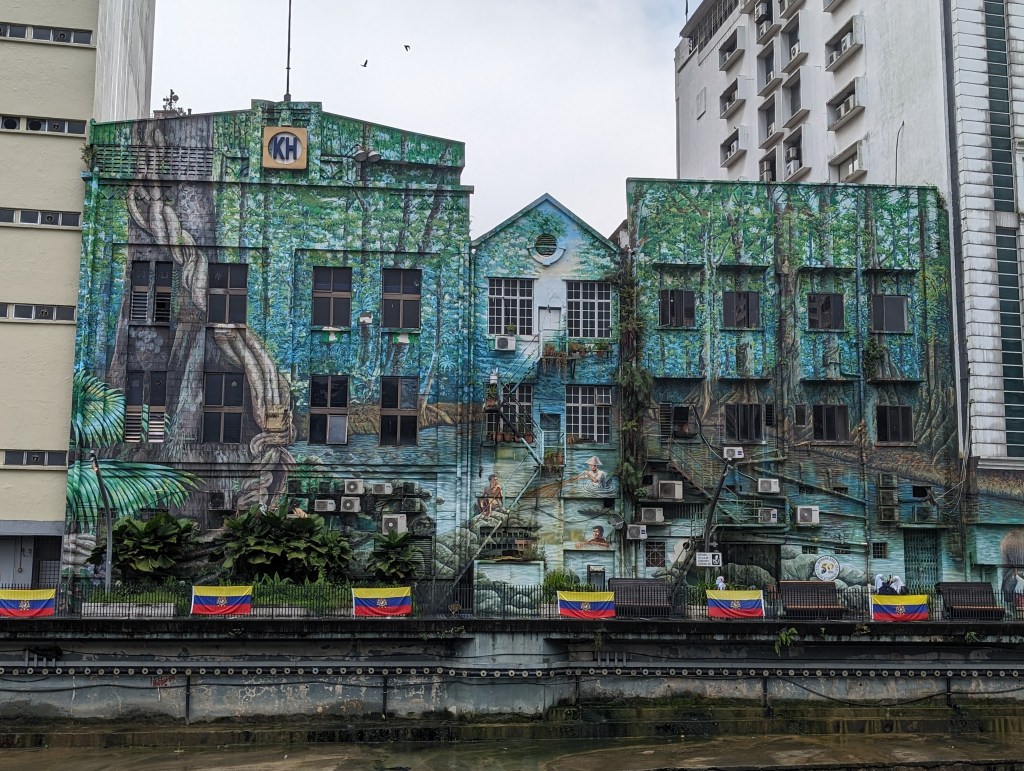
We walked along the Klang River, where we could see some of the buildings from the city’s colonial past. Many have been abandoned and are falling into disrepair though some have been restored. But the colorful murals that are painted on the buildings dress it up quite a bit.
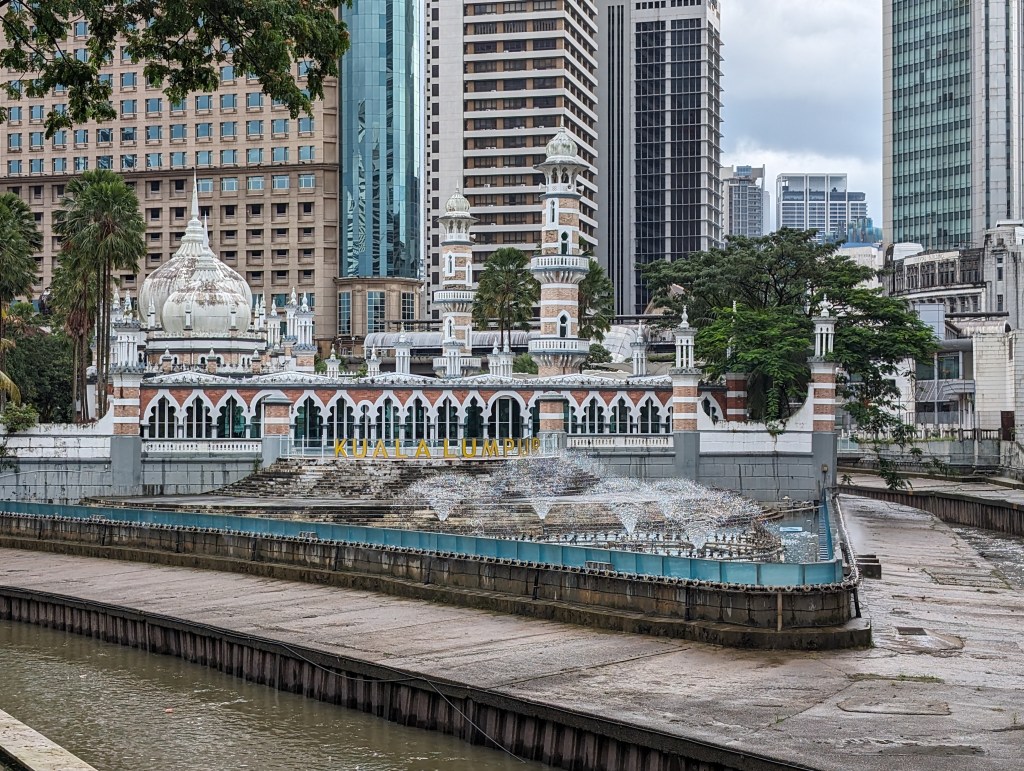
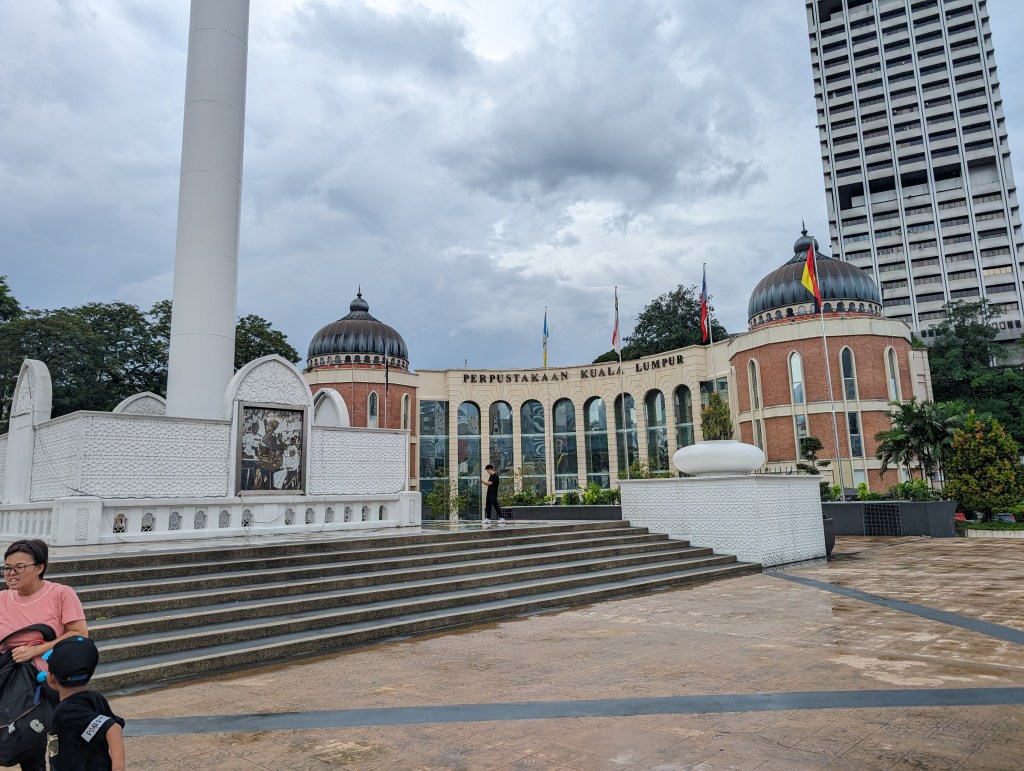
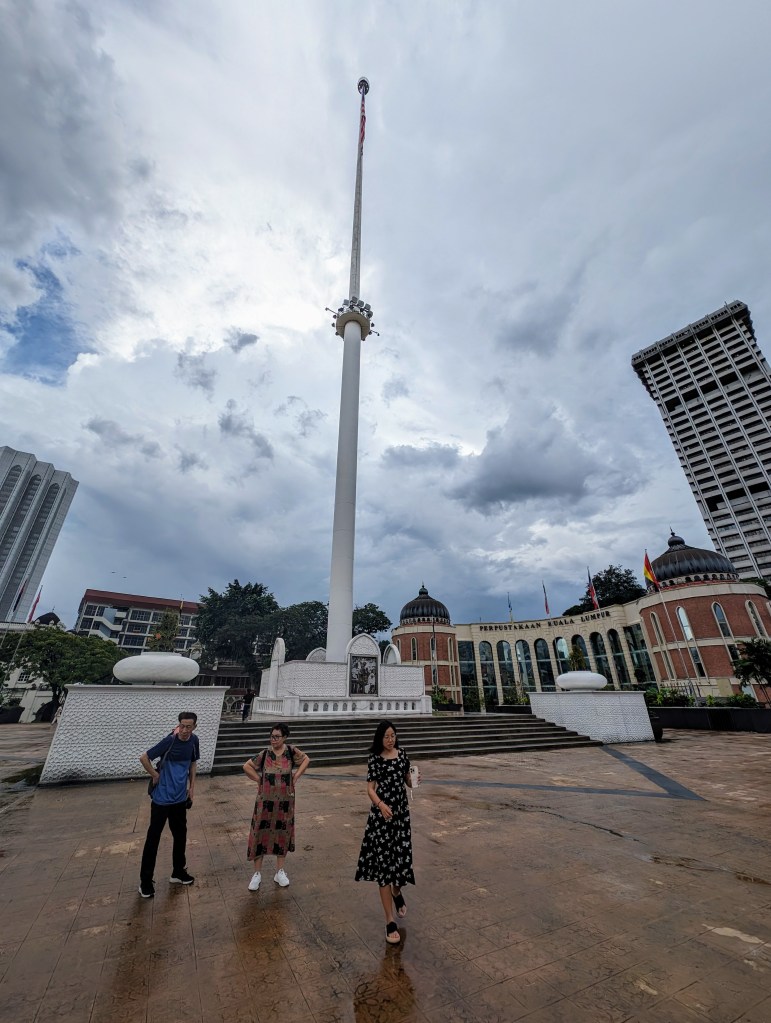
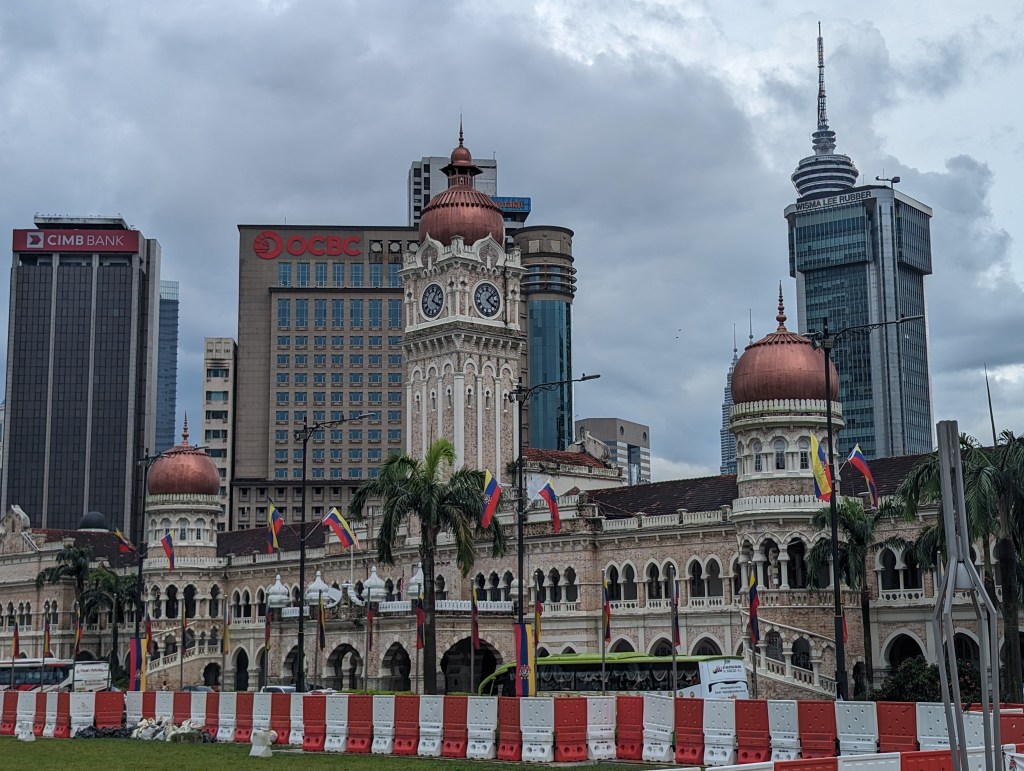
Merdeka Square (Independence Square ) where the Malaysian flag was first raised in 1957 when the country won its independence from Great Britain.
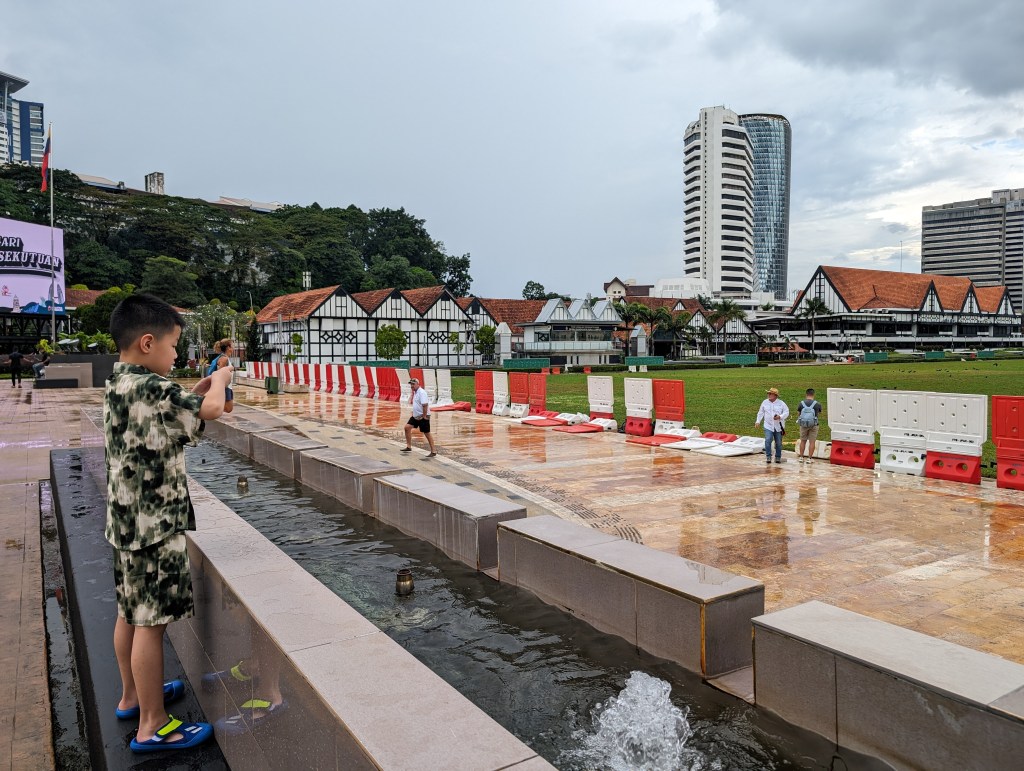
This little boy is looking out from Independence Square onto what was once an English cricket playing field.
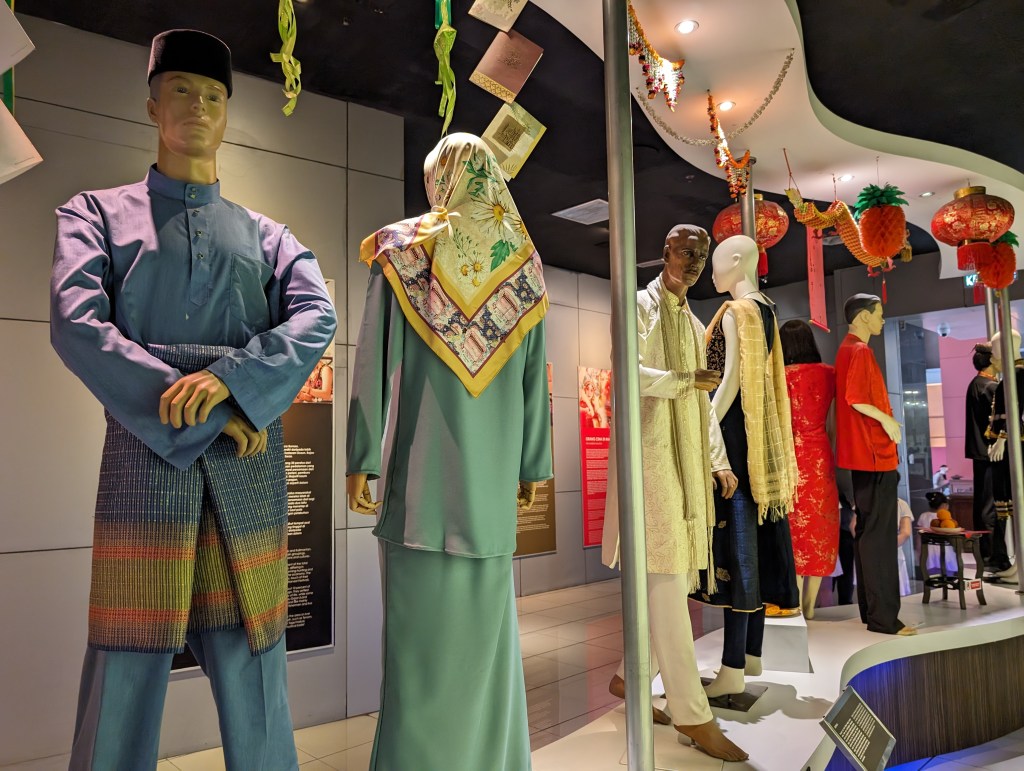
The National Museum tells the whole story of Malaysia’s history from its prehistoric age to its modern present. Below are some of the traditional customs of the different cultures in the country.
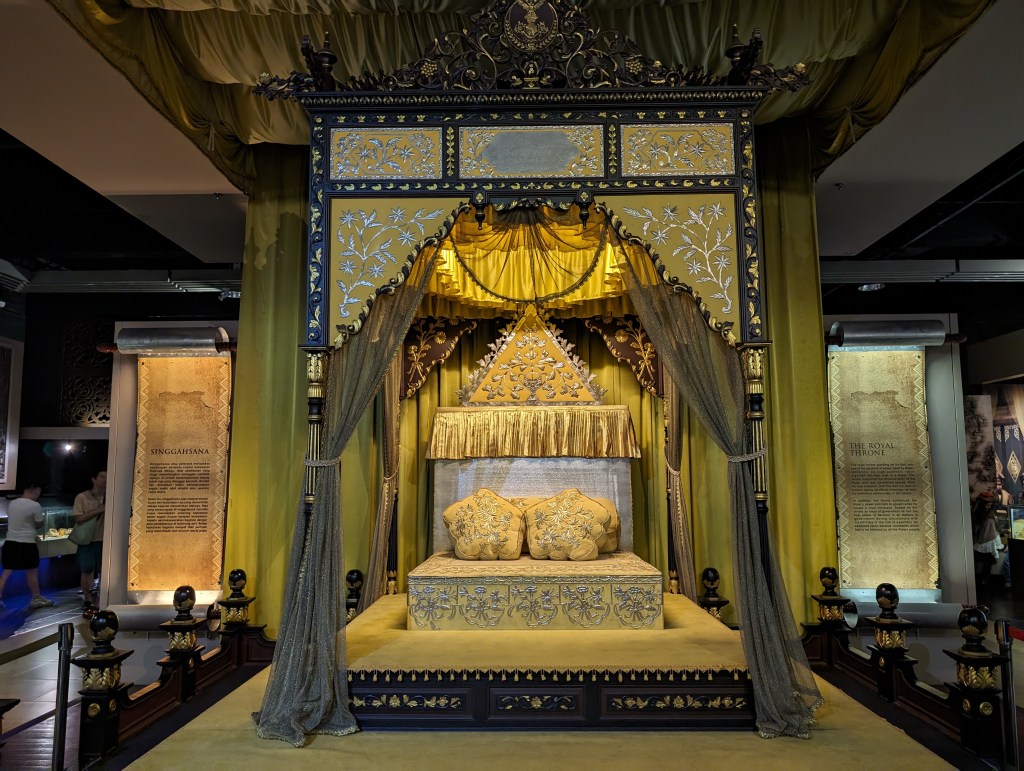
This was the Royal throne of Malay monarchs. Its grandeur was a display of their power.
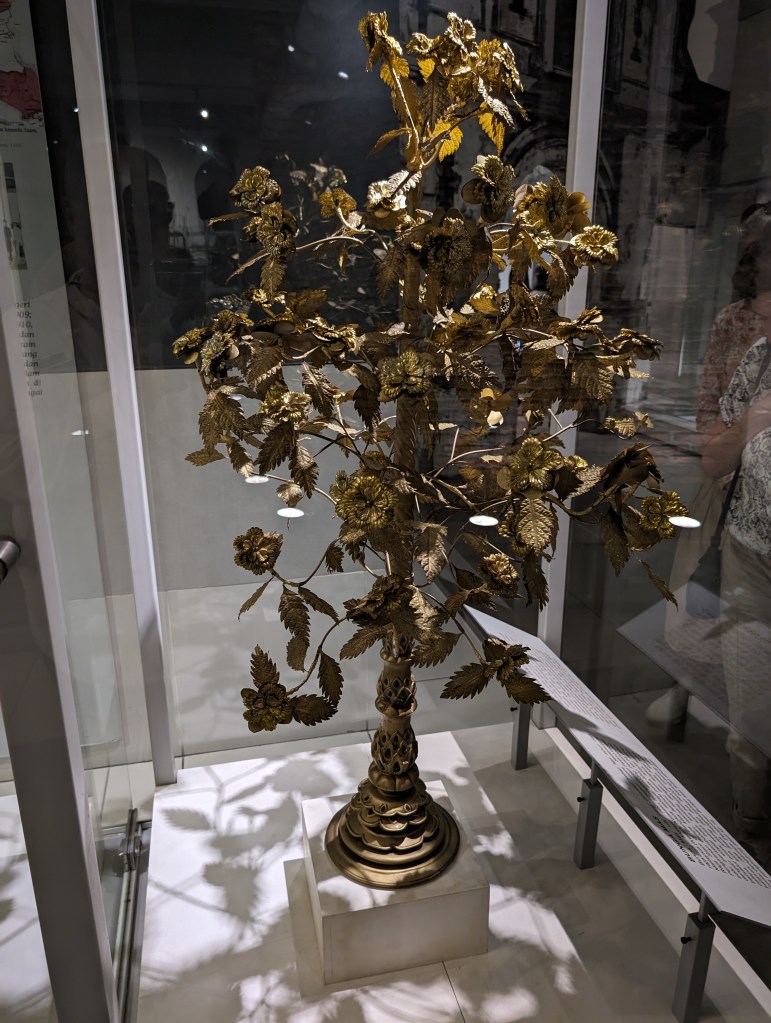
This beautiful tree of gold was a tribute gift to the Sultan.
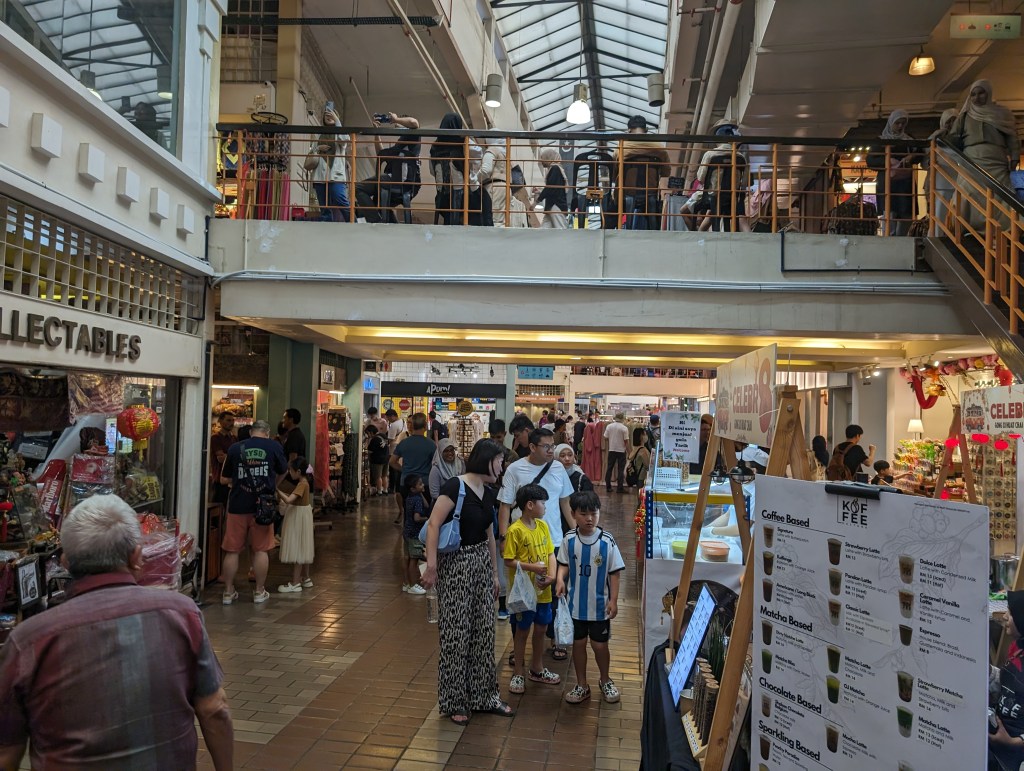
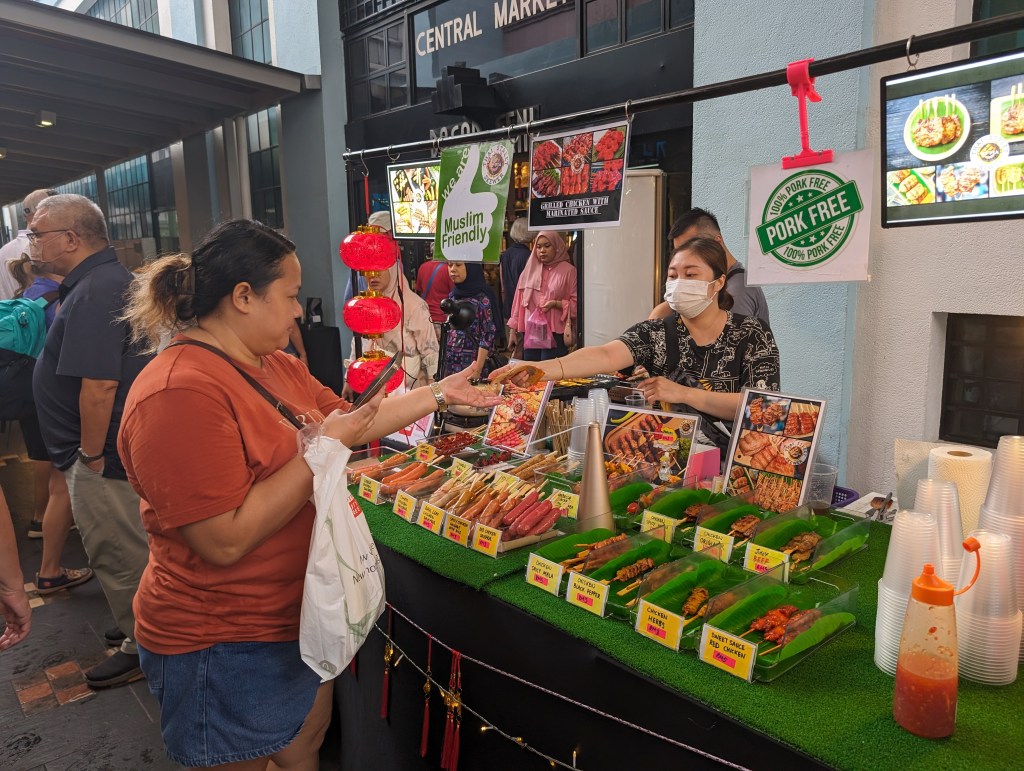
The Central Market was originally founded by the Chinese in 1888 as a wet market. It’s been a lot of different types of markets, and is now a Heritage Site and place for Malaysian arts and crafts.
 J and J Travel