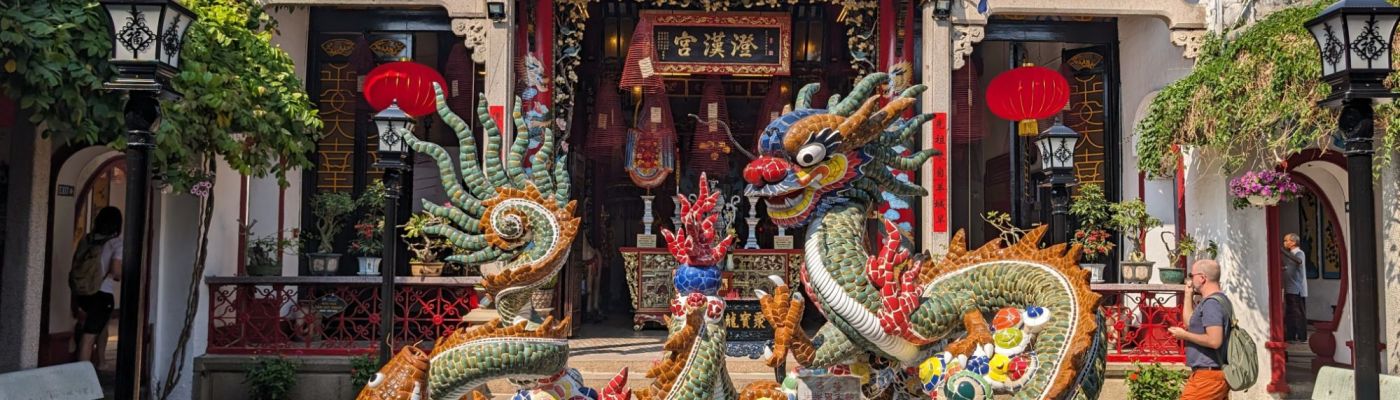
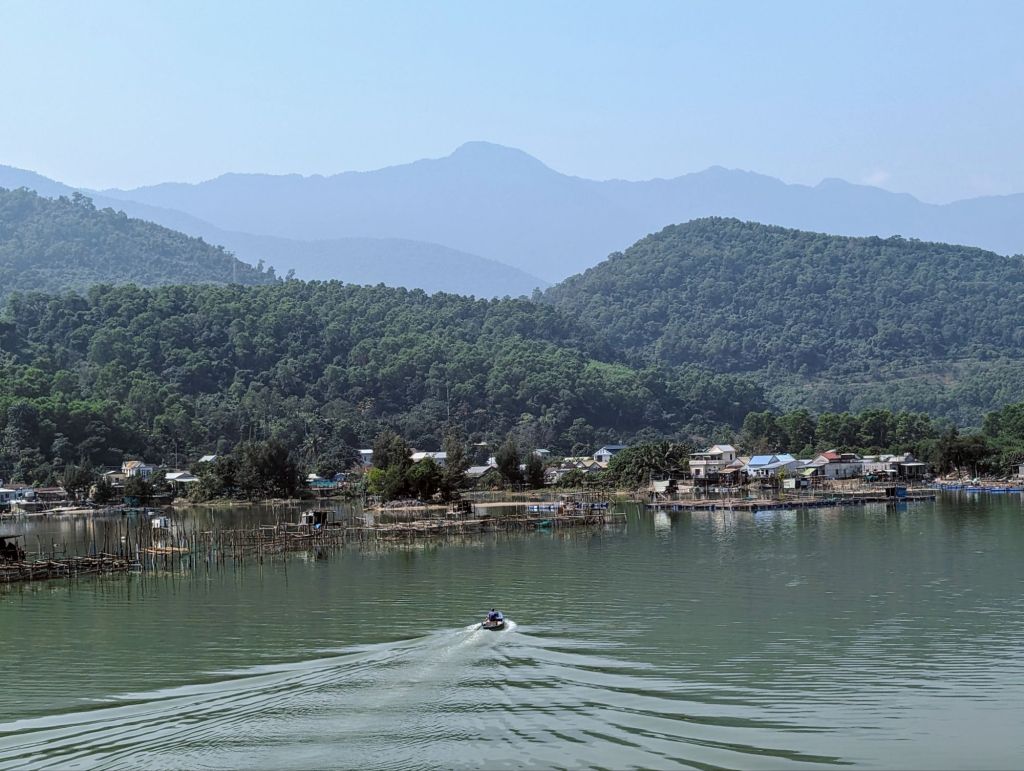
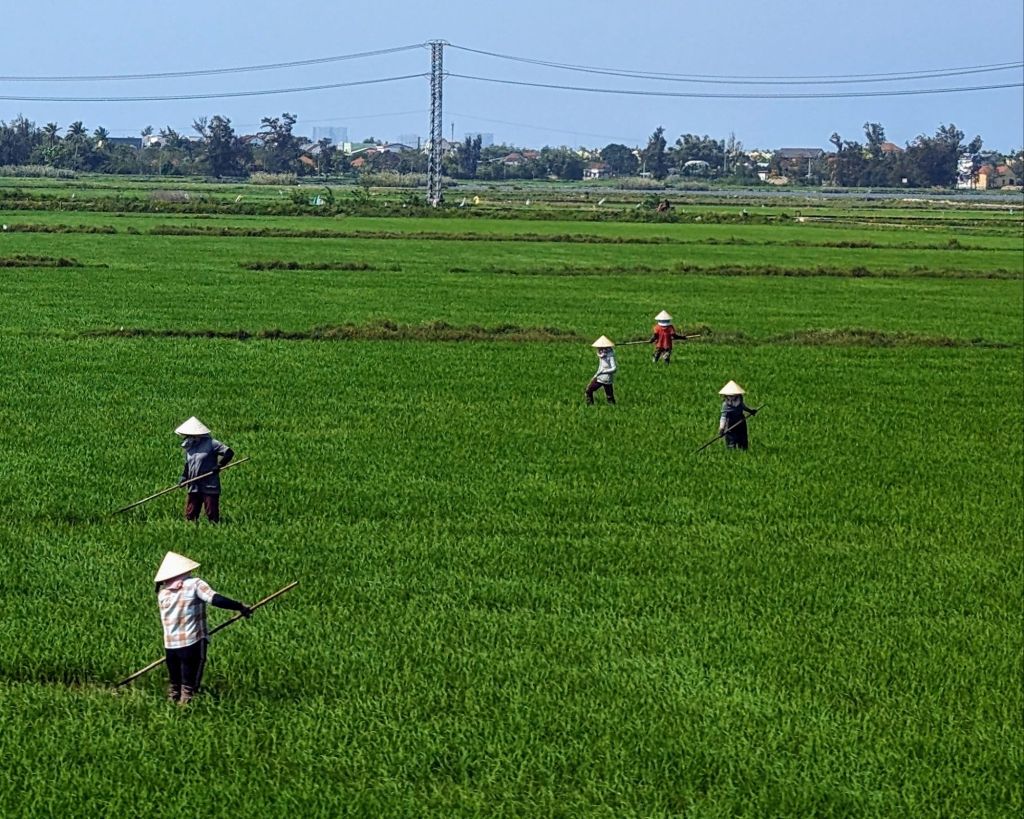
Our visit to this port in central Vietnam took us past beautiful countryside with fish farms and rice paddies, to the major city of Da Nang and the delightful historic district of Hoi An, a UNESCO World Heritage Site.
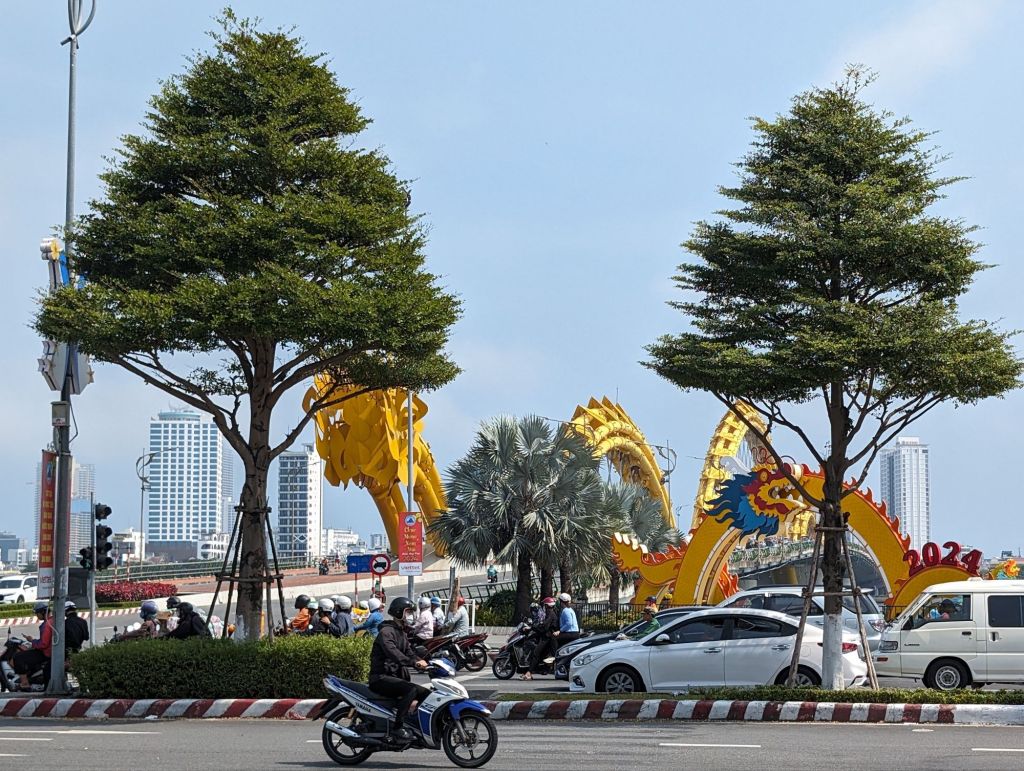
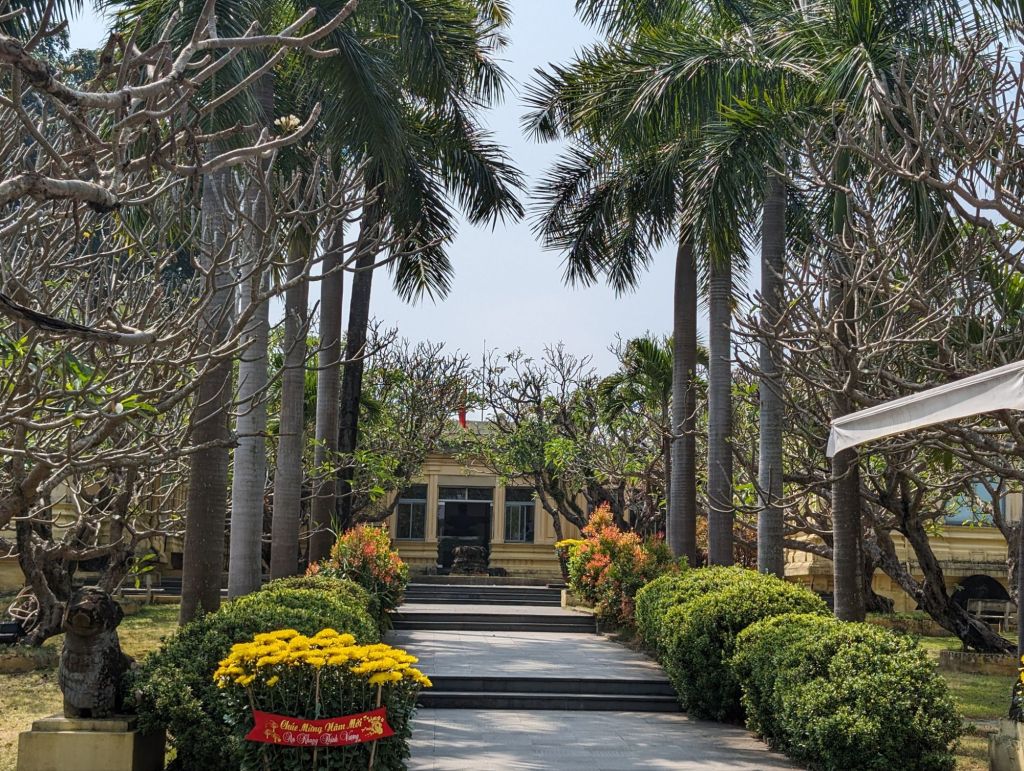
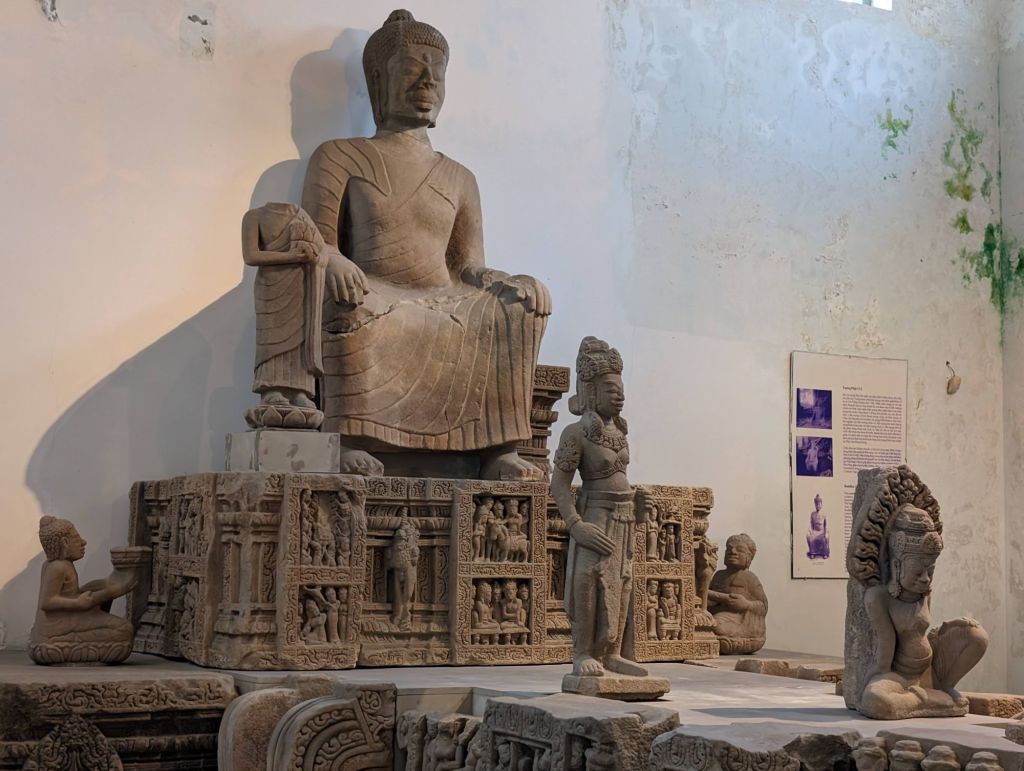
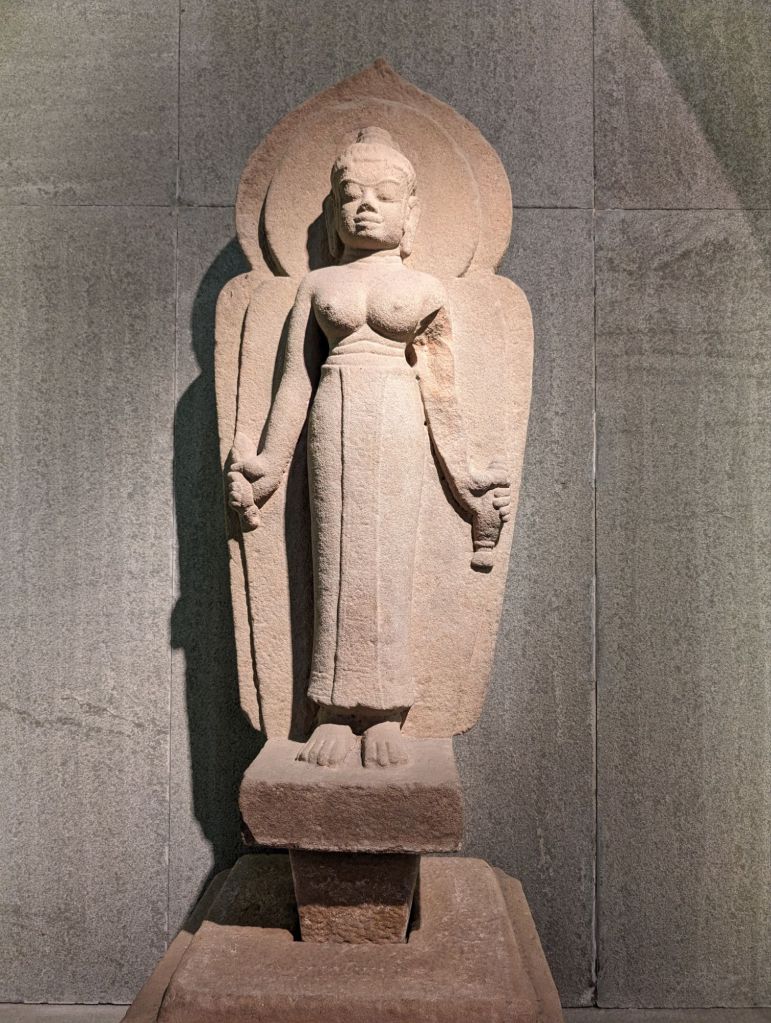
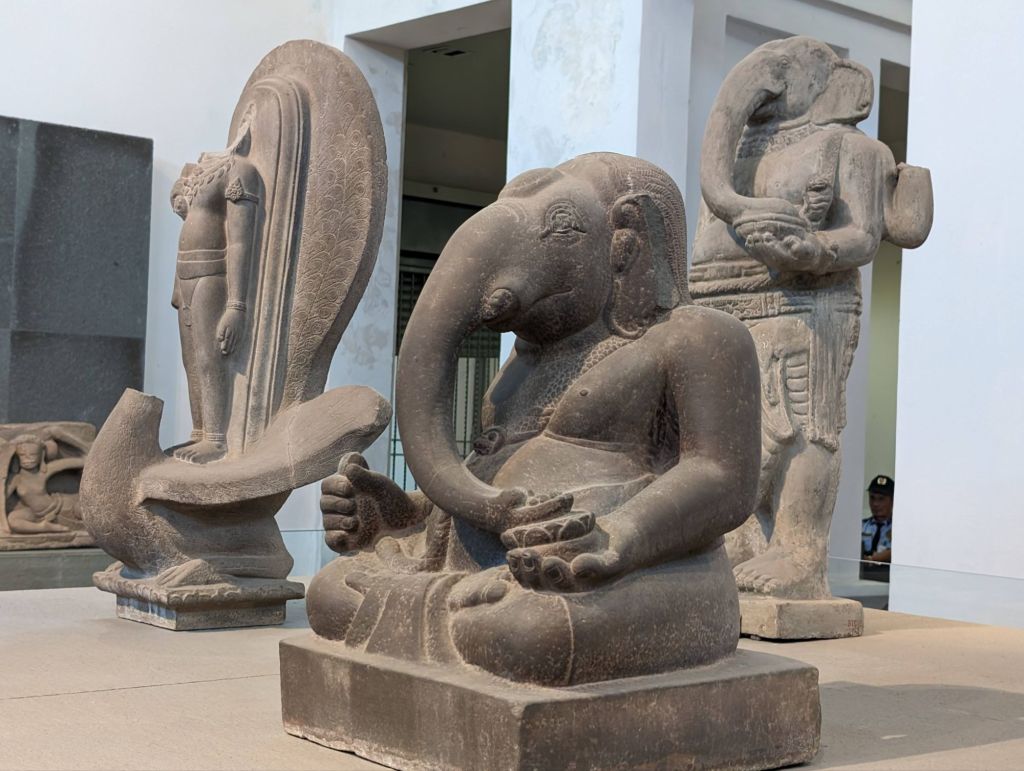
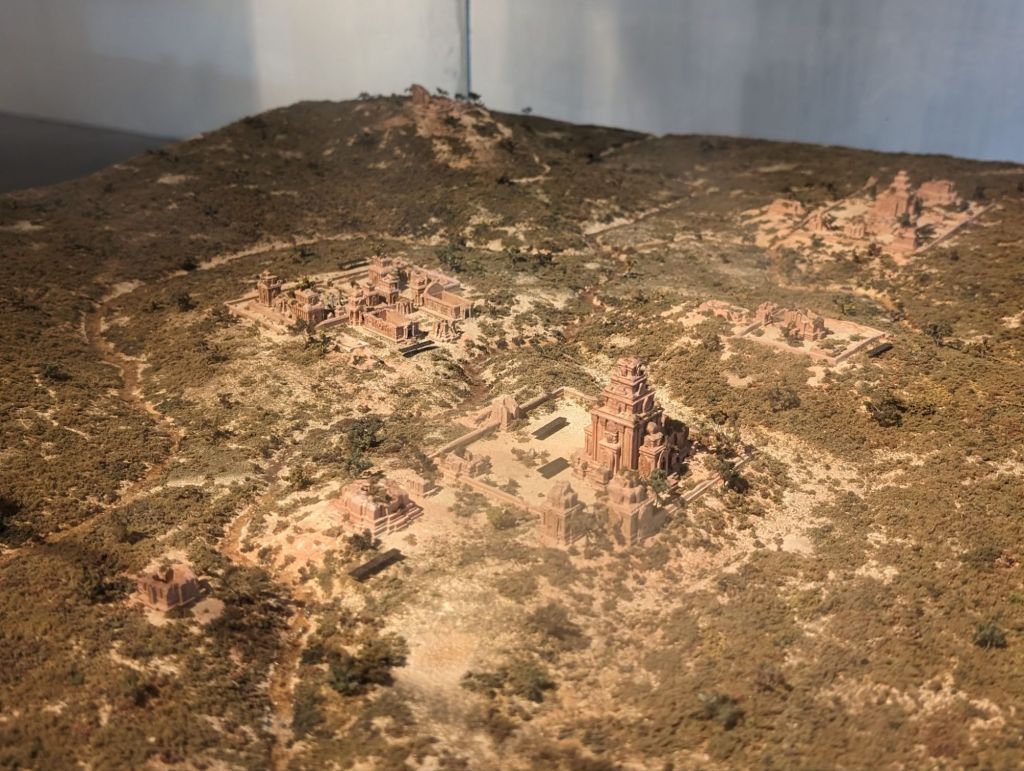
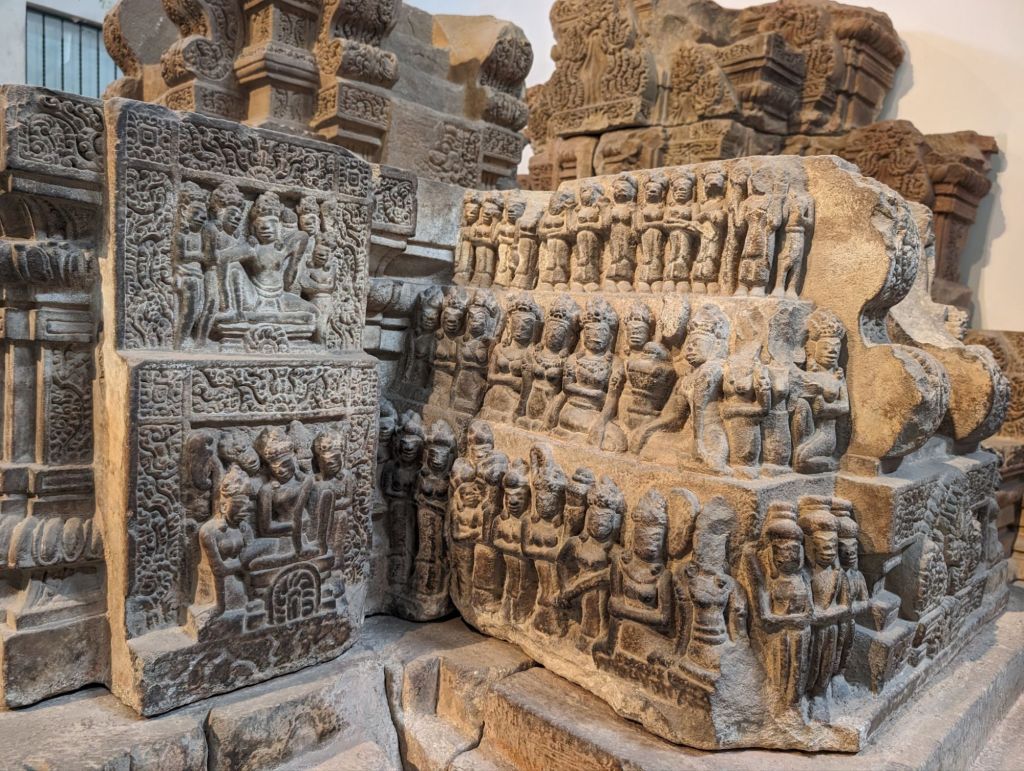
In Da Nang we visited the Museum of Cham Sculpture, the only museum in the country devoted to the culture of the Champa people. The kingdom of Champa controlled what is not central and south Vietnam from 192 to 1697. It was influenced by early Hindu culture and its brick temples and towers are still scattered through its former empire. This museum houses thousands of its sculptures, most of them at least a thousand years old.
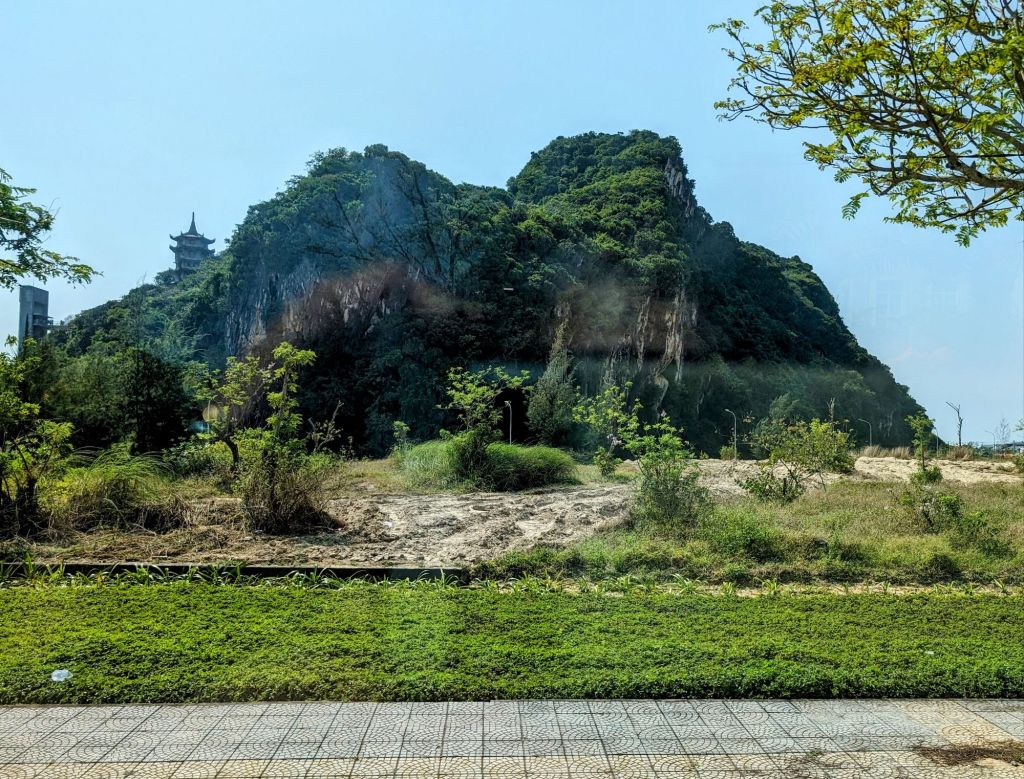
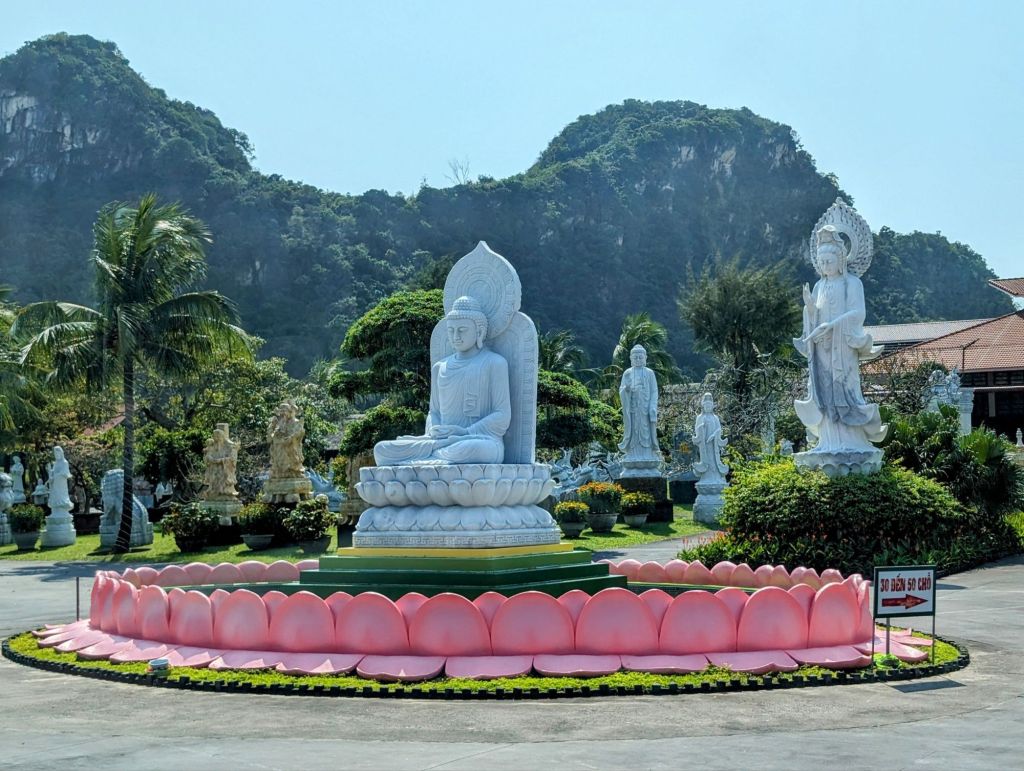
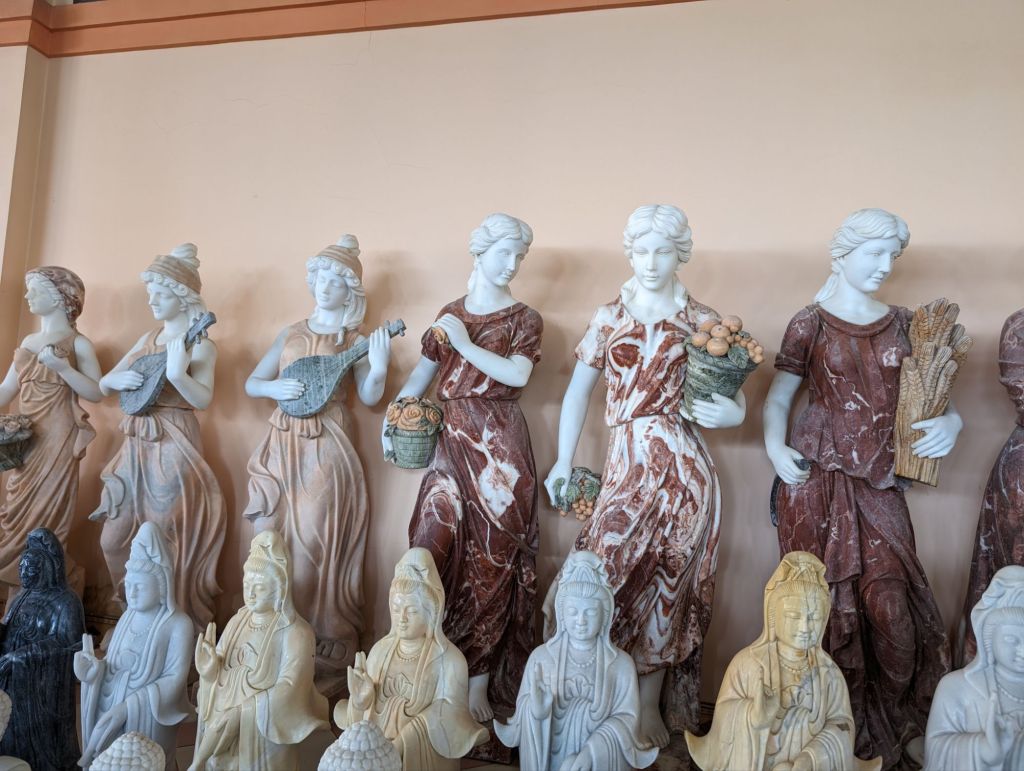
The Marble Mountains in Da Nang have spiritual and scenic meaning. We didn’t climb the mountains and visit their temples and caves, but we did get a view of those majestic hills. They were so named by the French because its geologists found the mountains truly are made of marble. And many local crafts people carve beautiful sculptures from that marble. We got to see some of them, below.
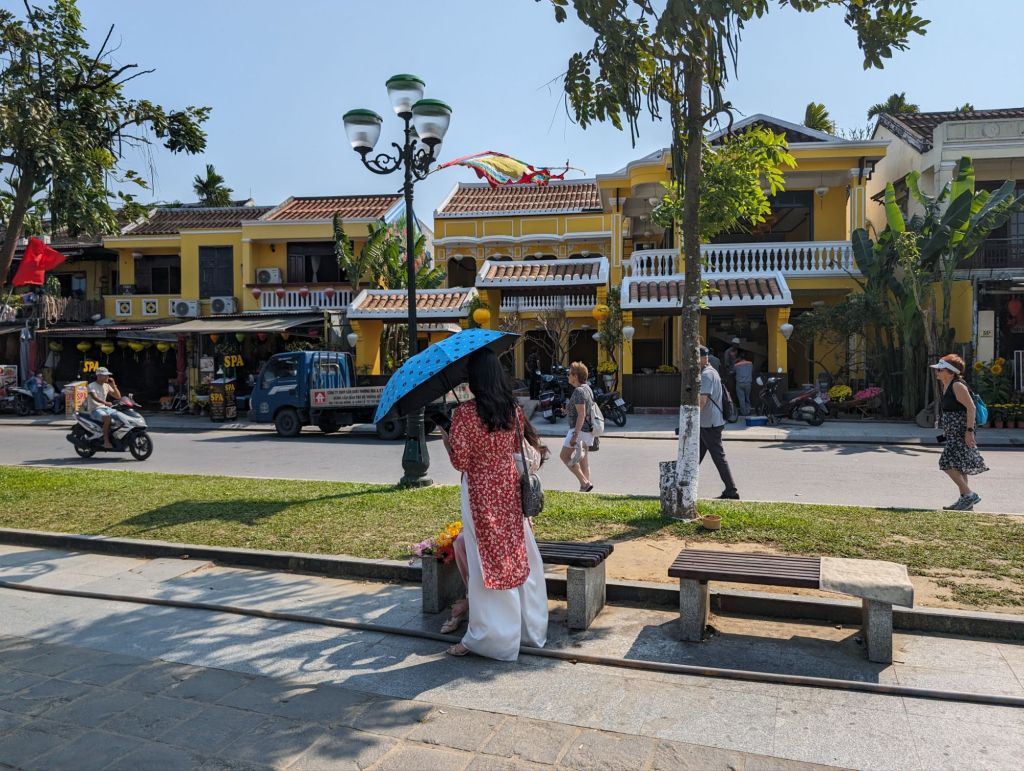
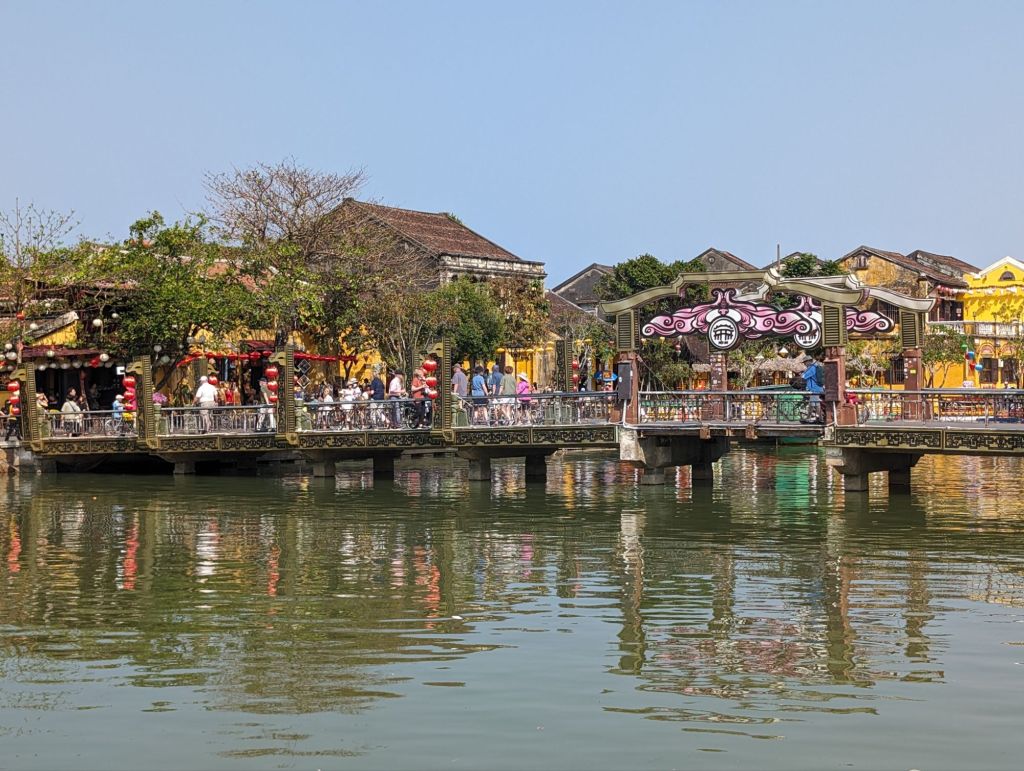
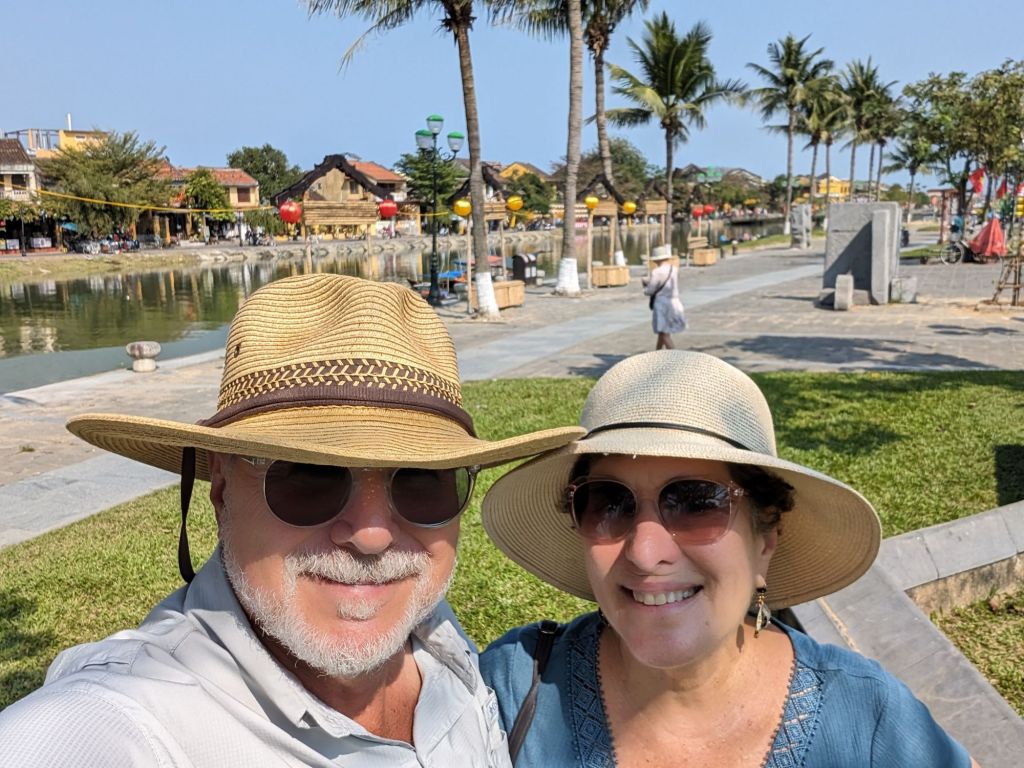
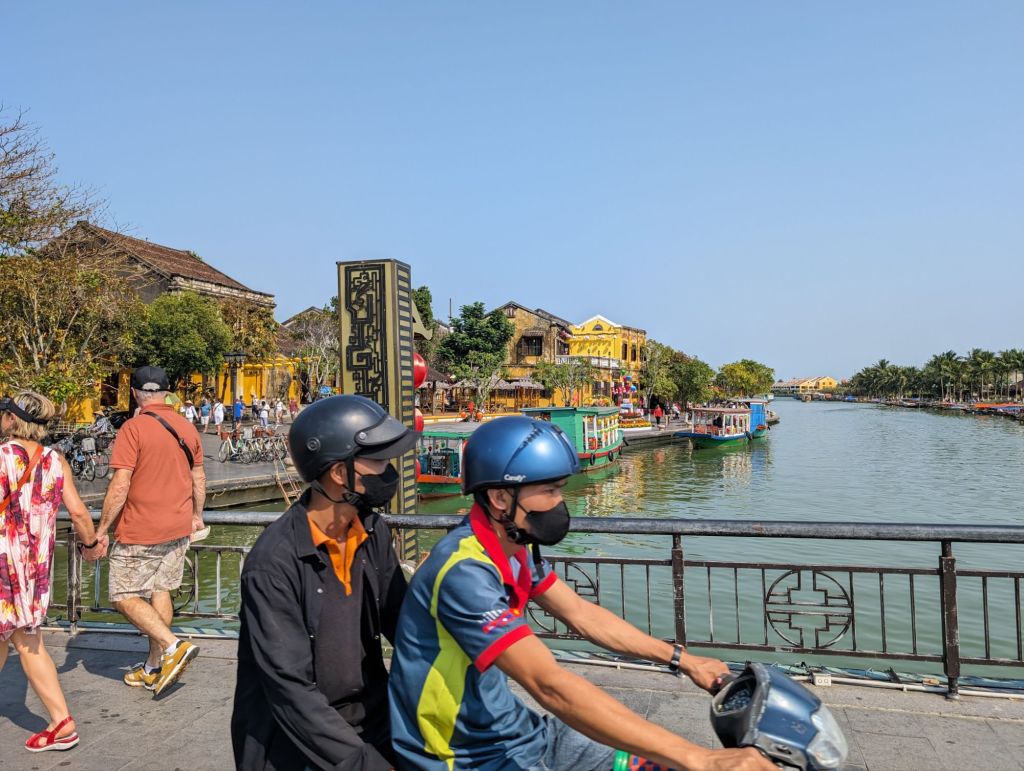
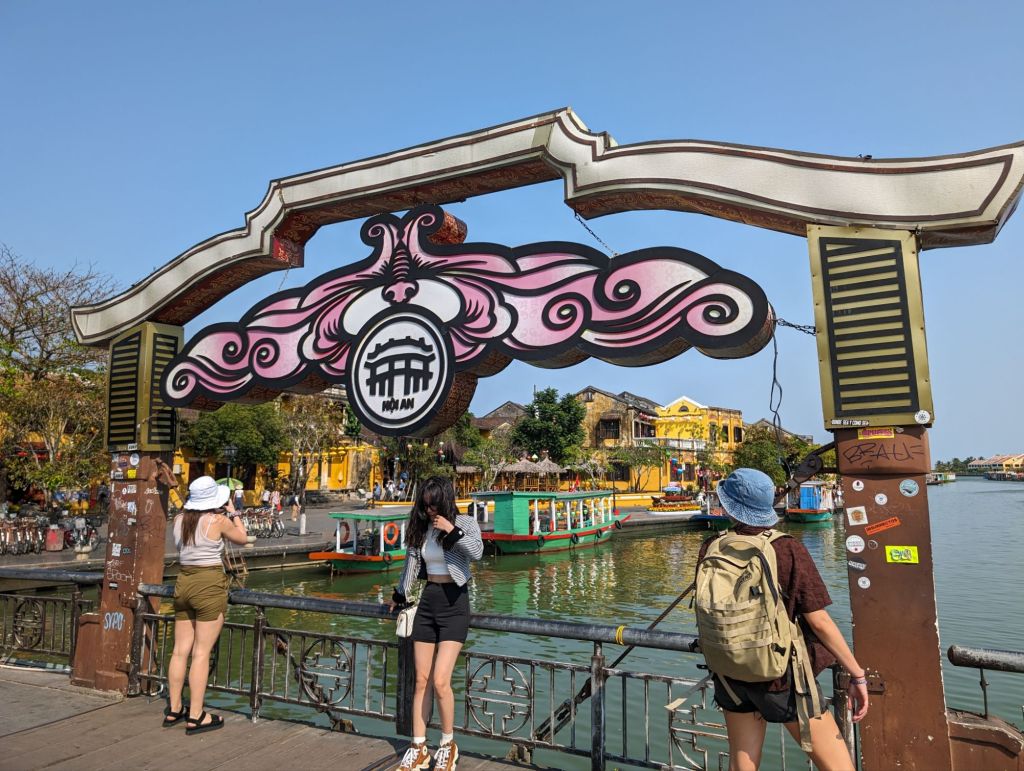
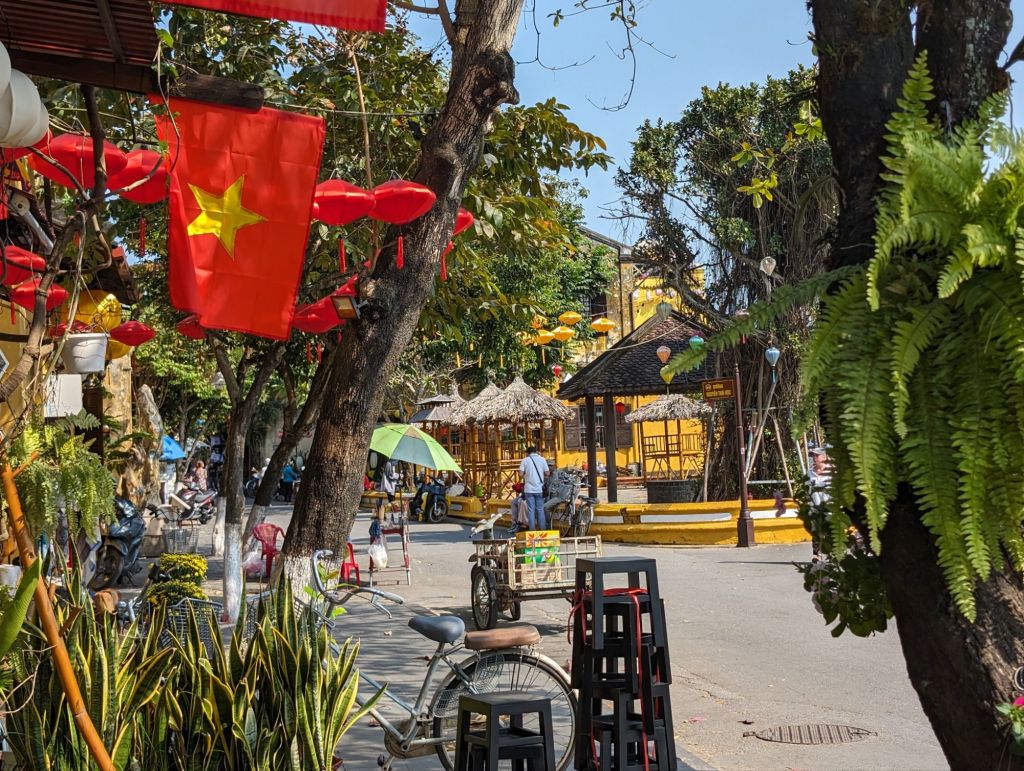
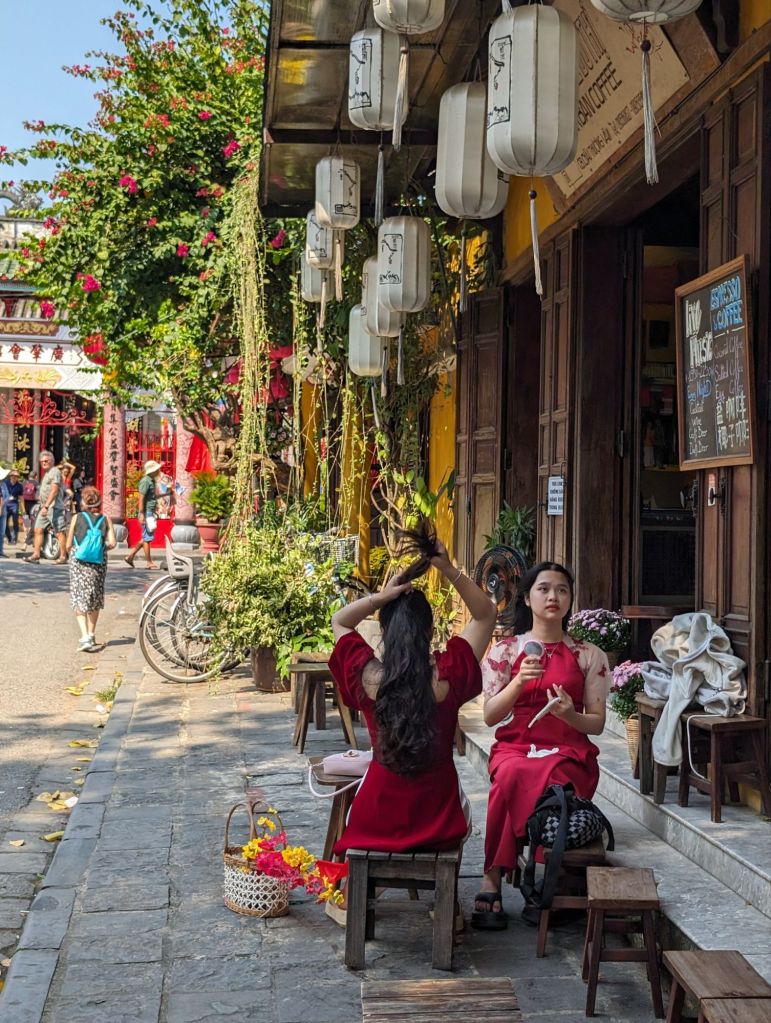
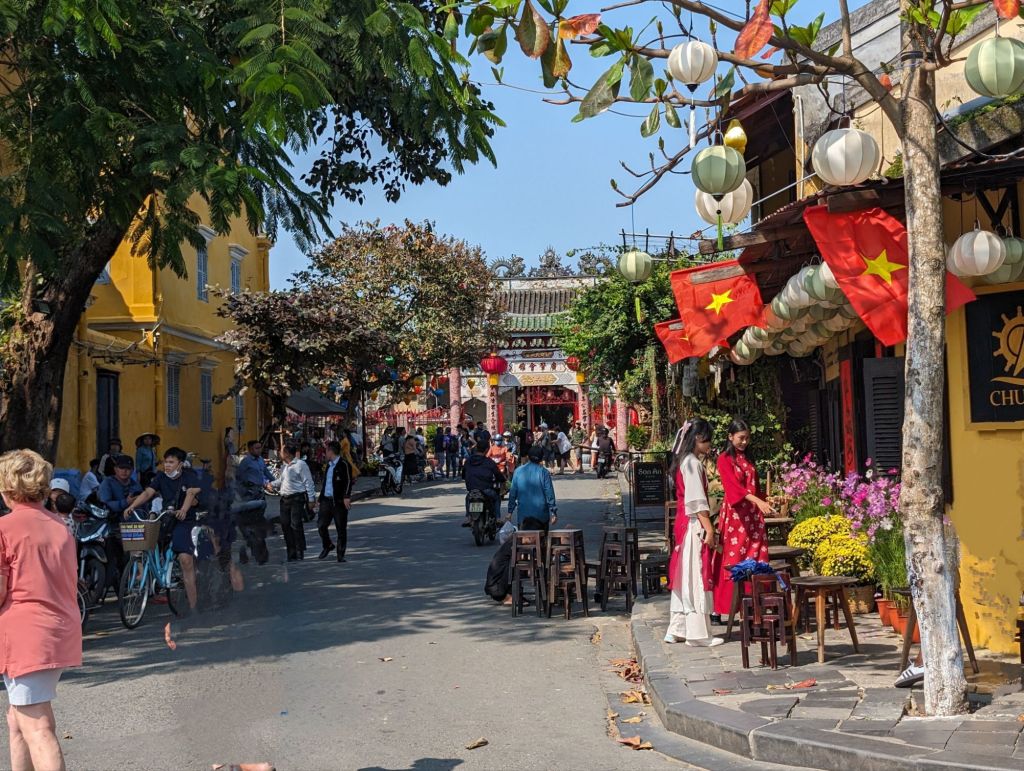
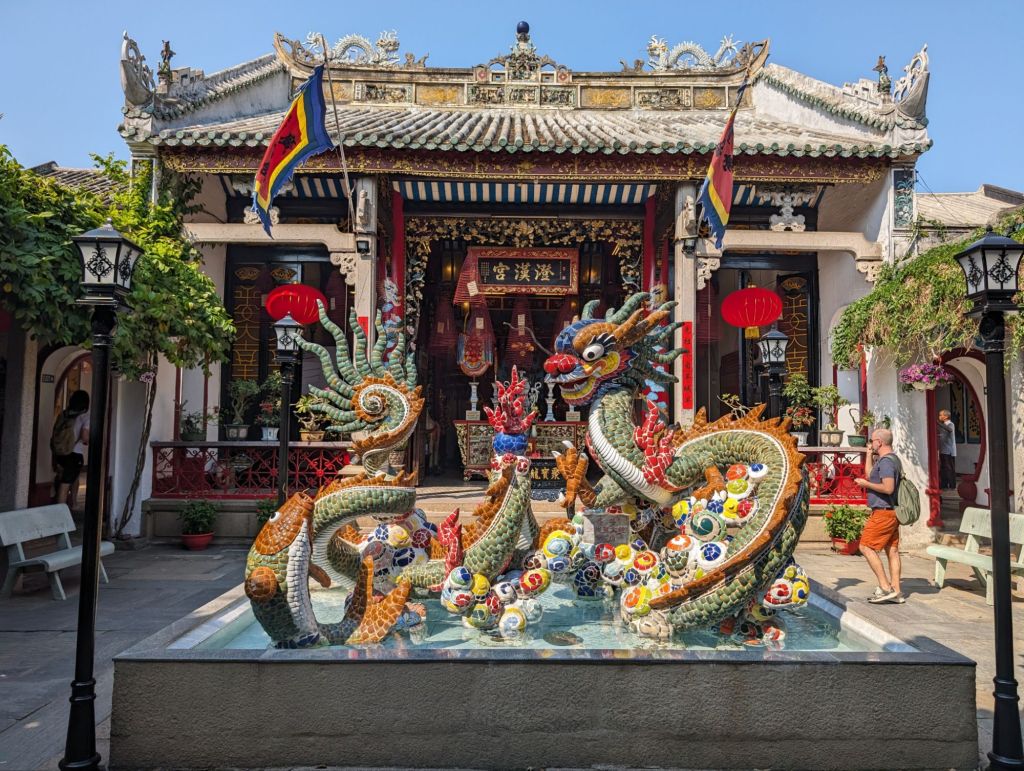
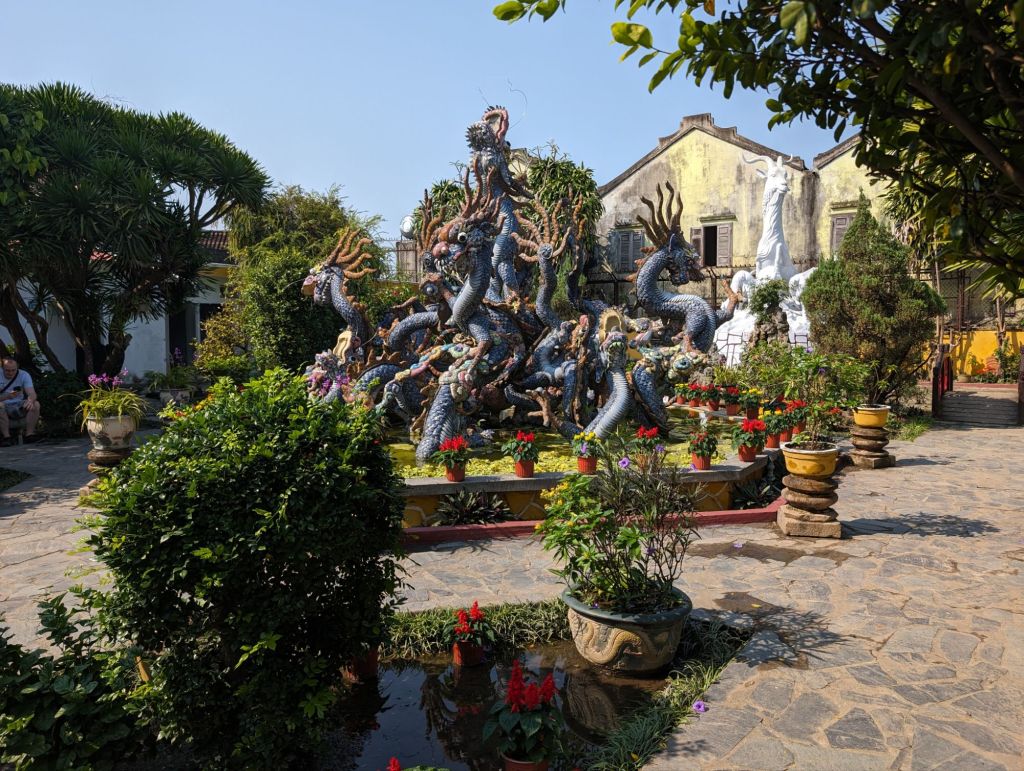
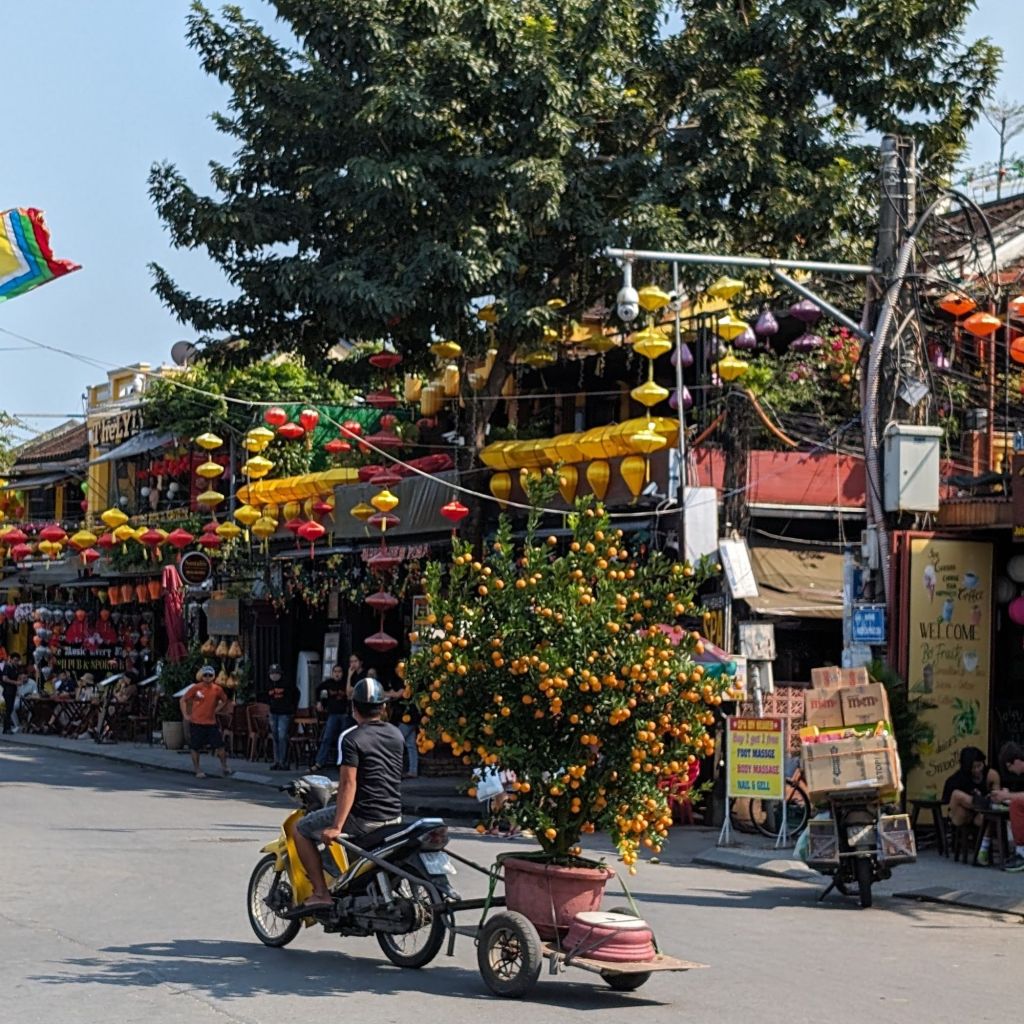
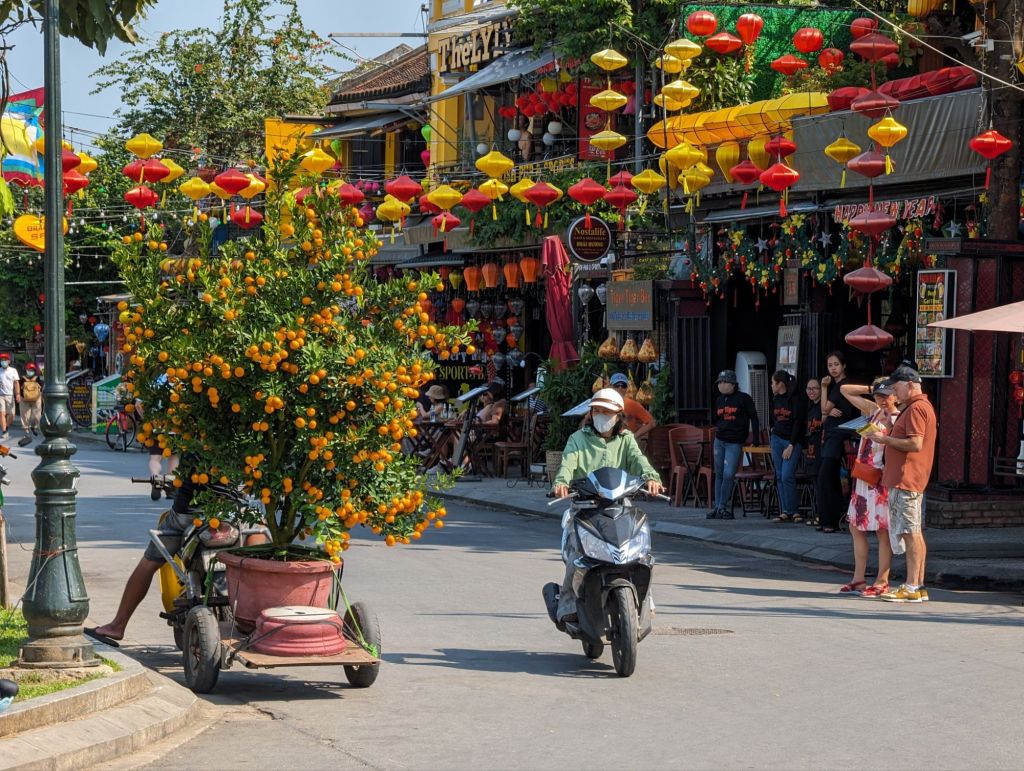
The city of Hoi An is one of the most charming places we have visited in our journey. Its Ancient Town, a Heritage site, is a well-preserved mix of architecture and culture from the city’s five centuries as a former trading port. We loved the mix of Chinese shop houses and temples and French colonial style buildings and it’s iconic Japanese bridge. It’s a lively, colorful tourist center, full of action, but not overburdened with crowds.

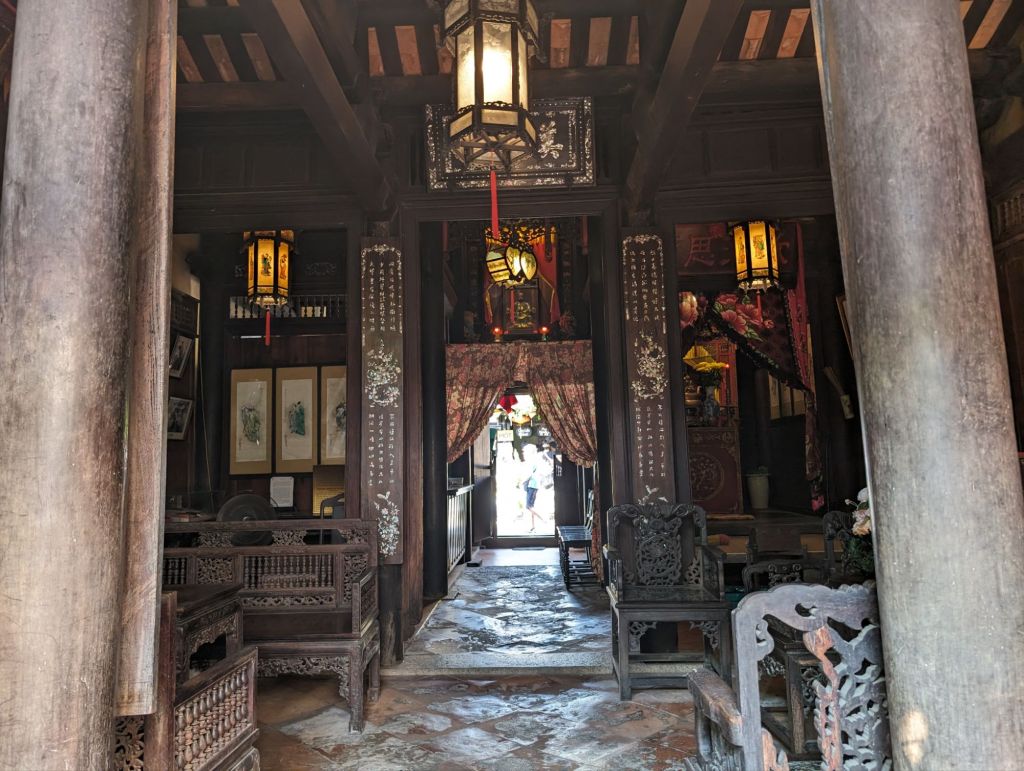
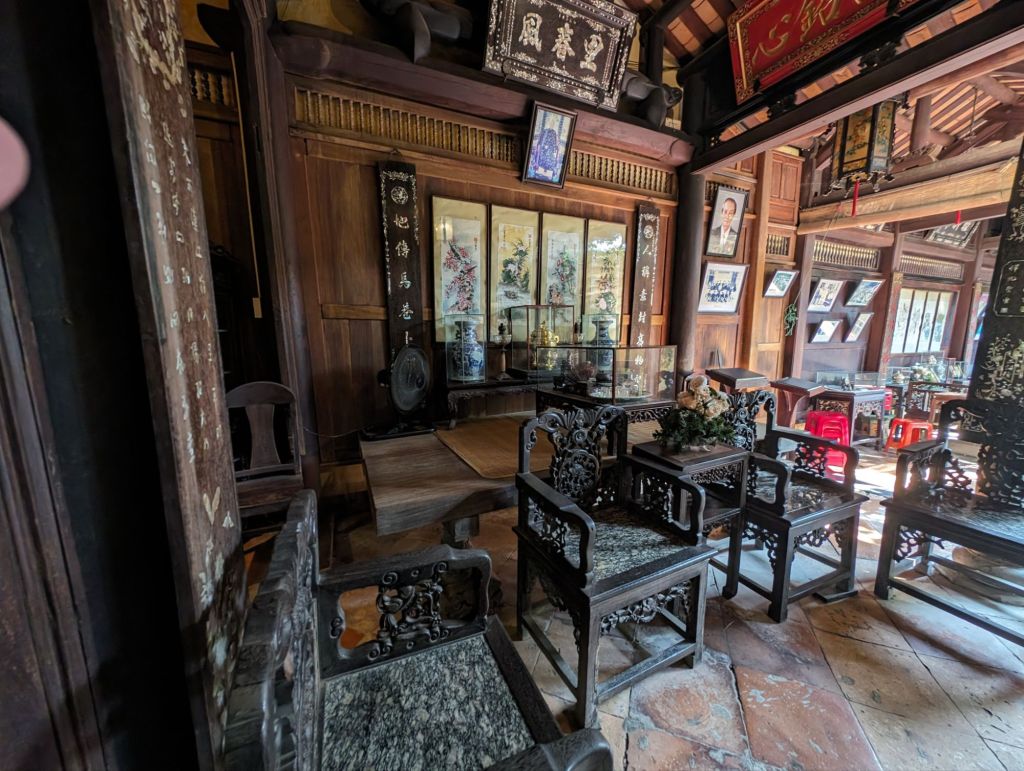
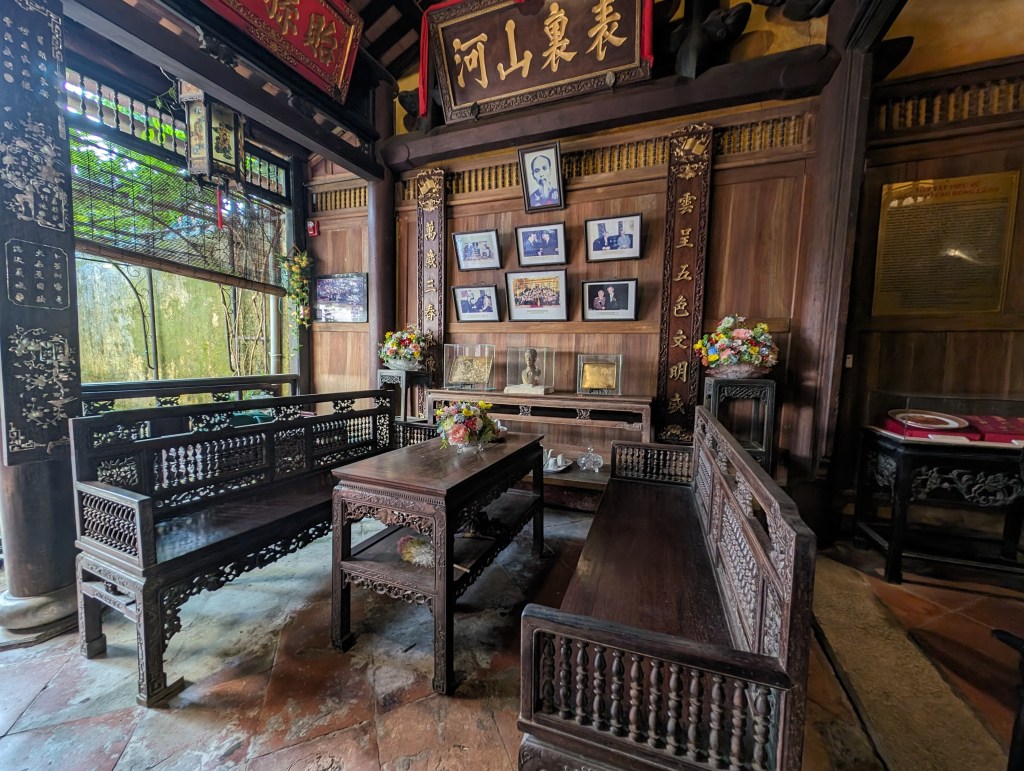
Below is the Phung Hung Ancient House of Hoi An. It’s one of the heritage buildings of Hoi An, built in 1780 as a commercial business and owned by 8 generations of the same family. In the early 1900’s it was a gathering place for intellectuals and progressives to meet and share ideas.
 J and J Travel