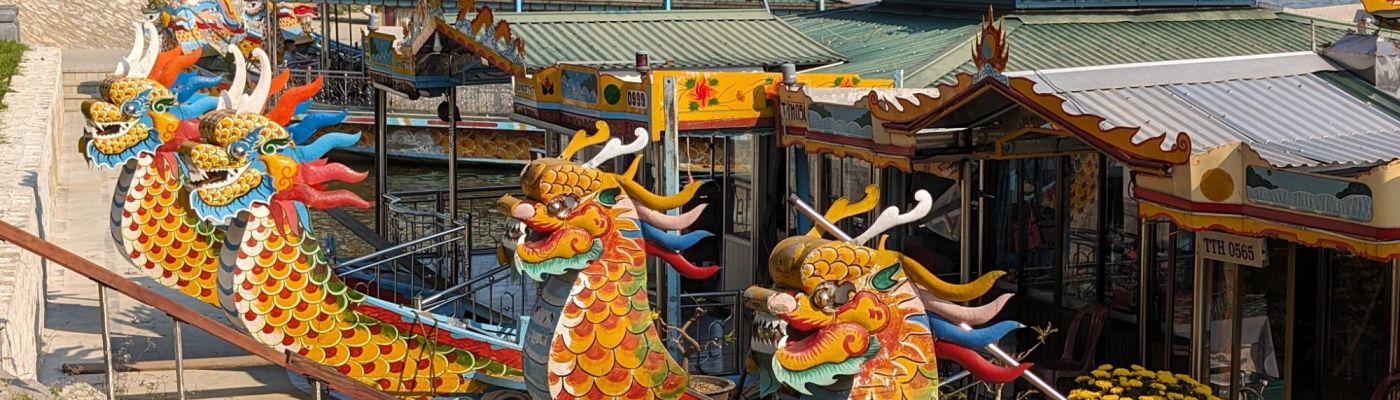
Hue is known as the historical and cultural center of Vietnam. It’s rich imperial heritage is present in its complexes of tombs, palaces and temples. This central coastal city also has beautiful beaches and an interesting contrast between modern and traditional, rural and urban.
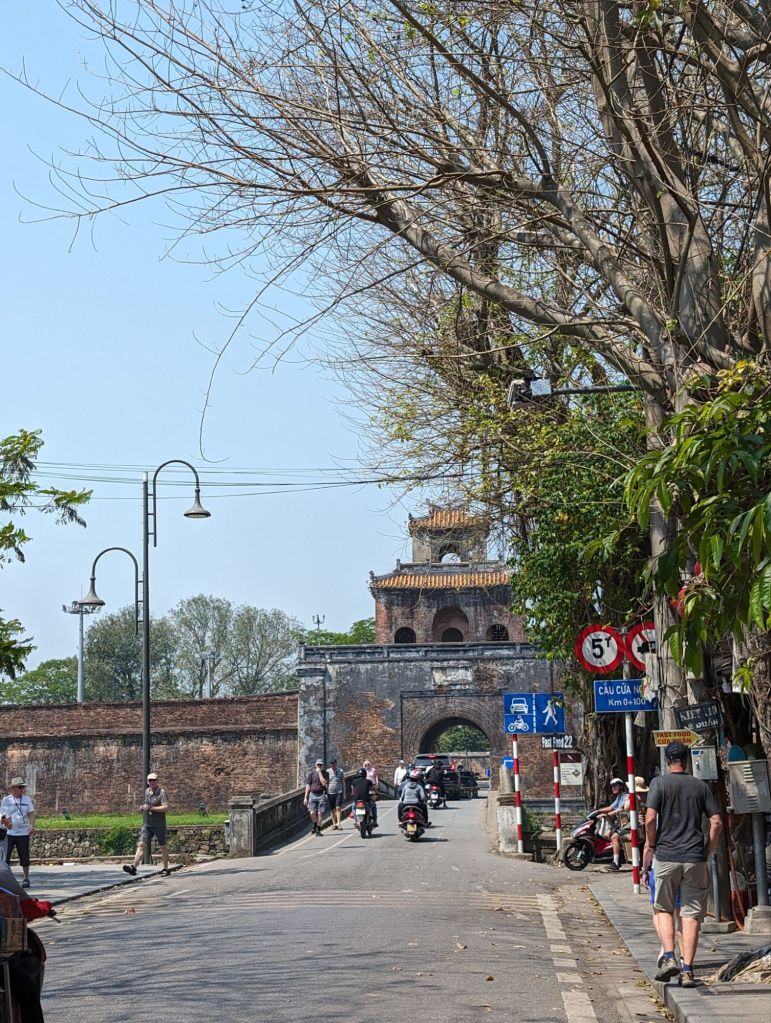
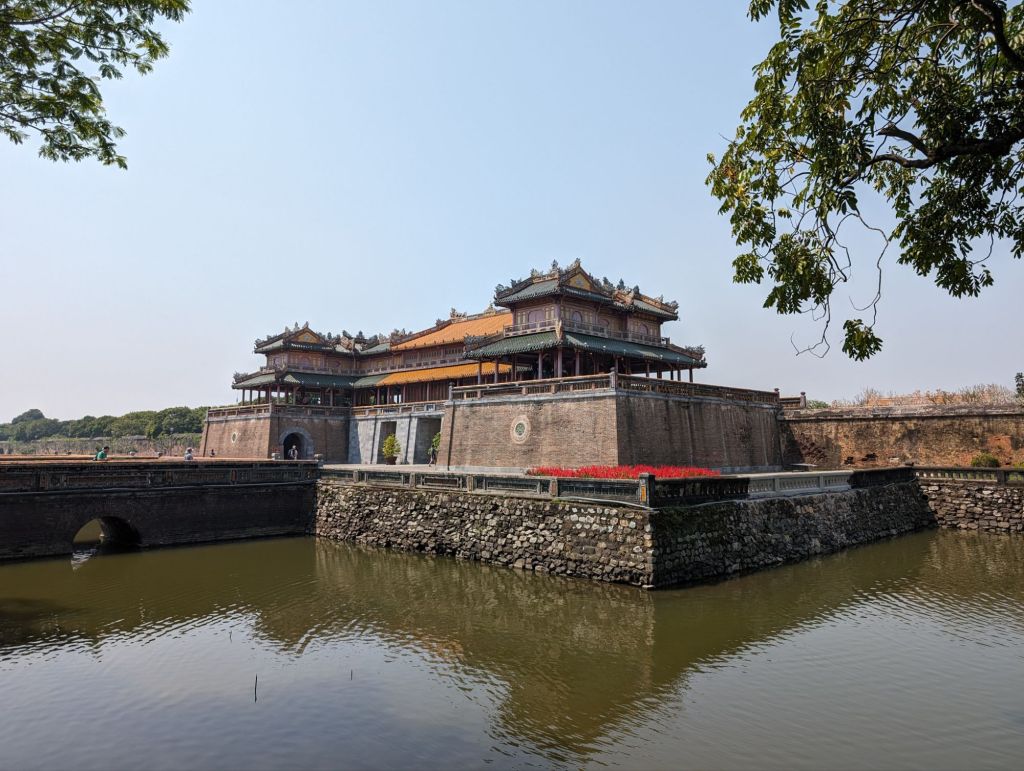
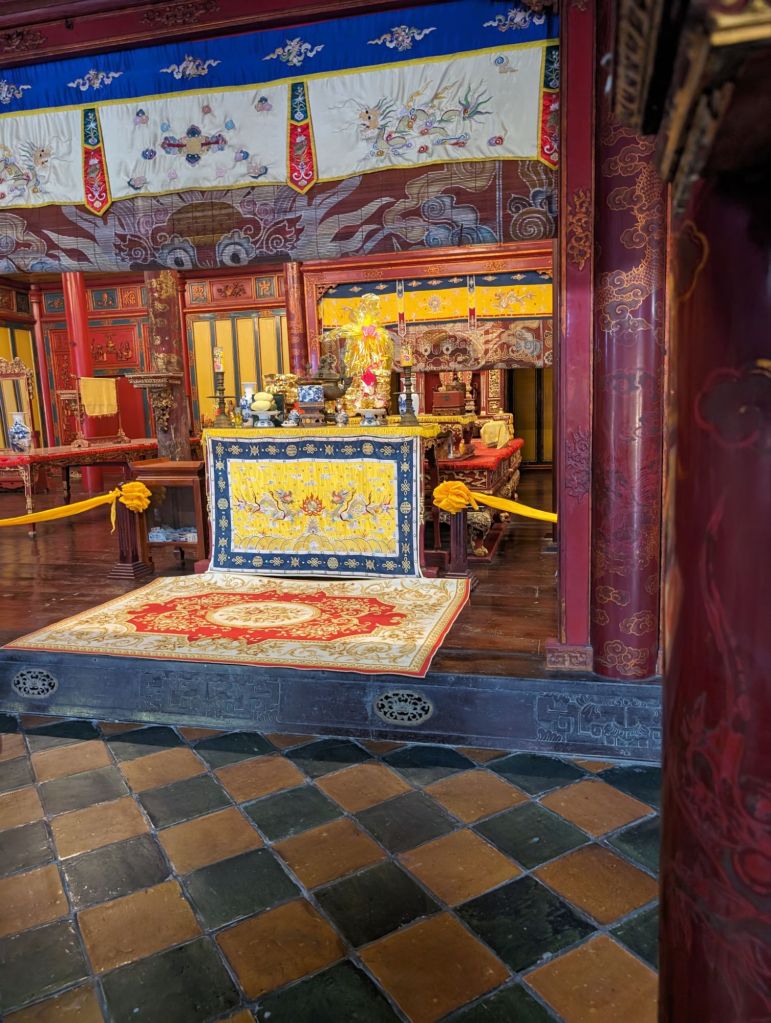
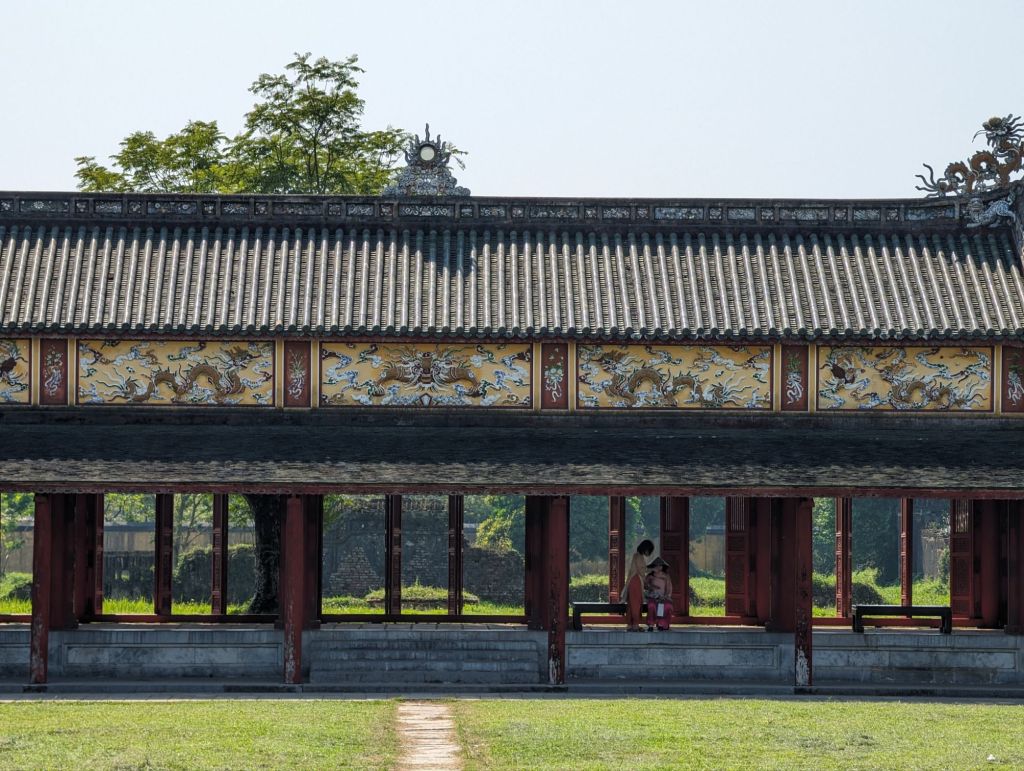
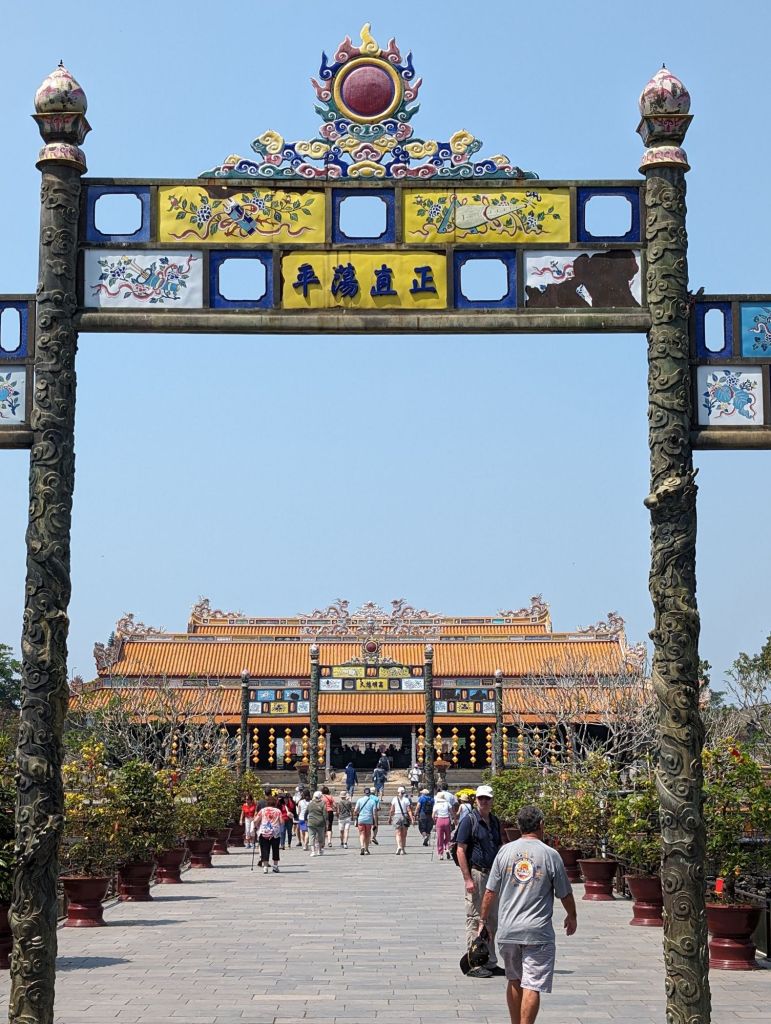
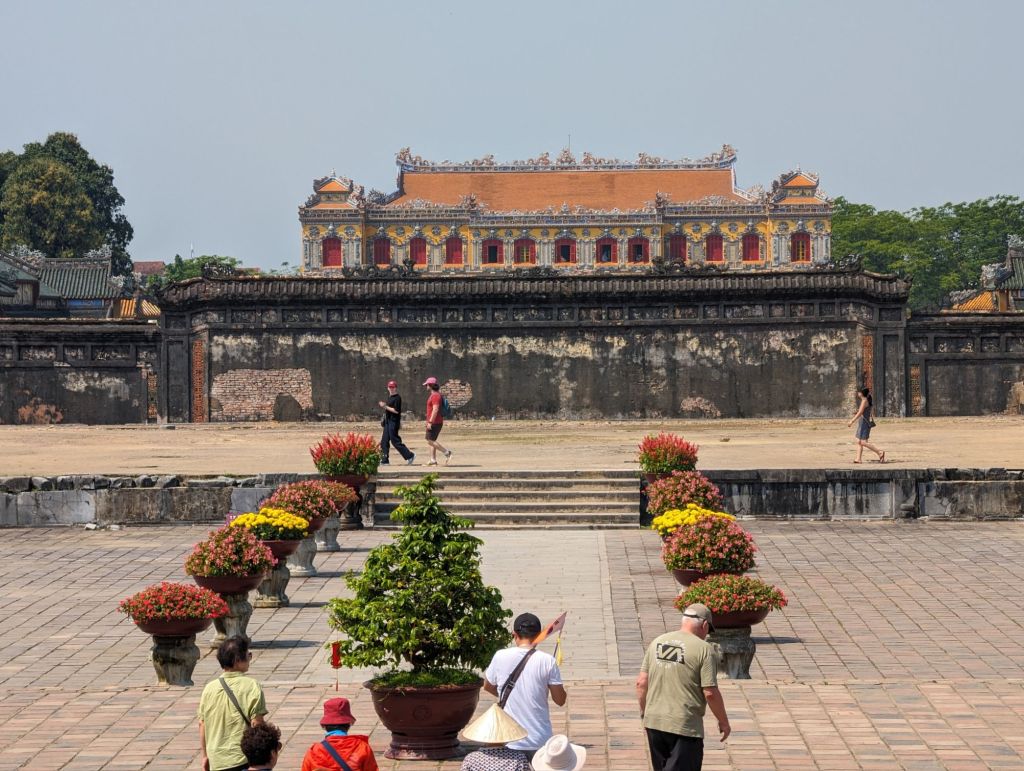
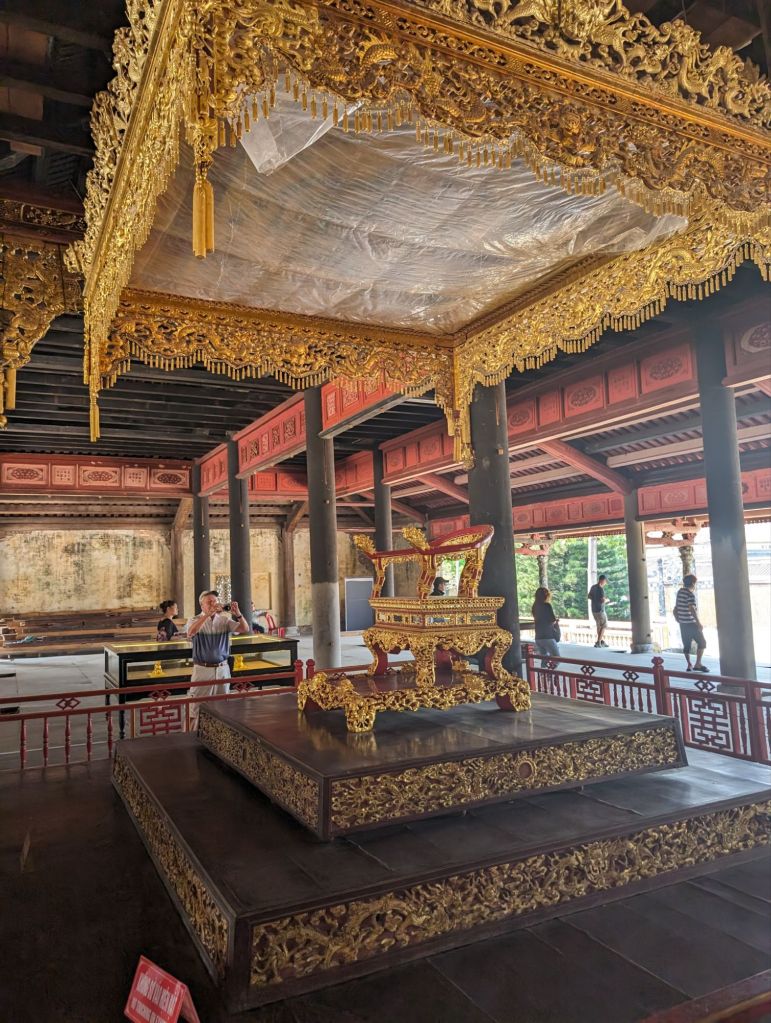
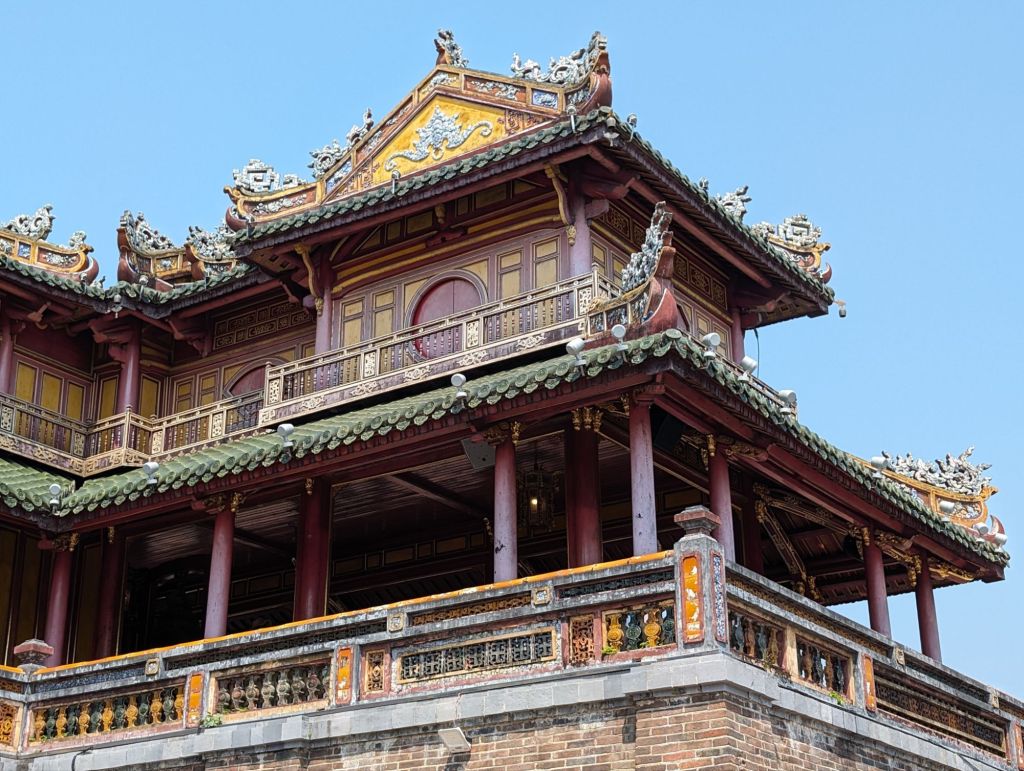
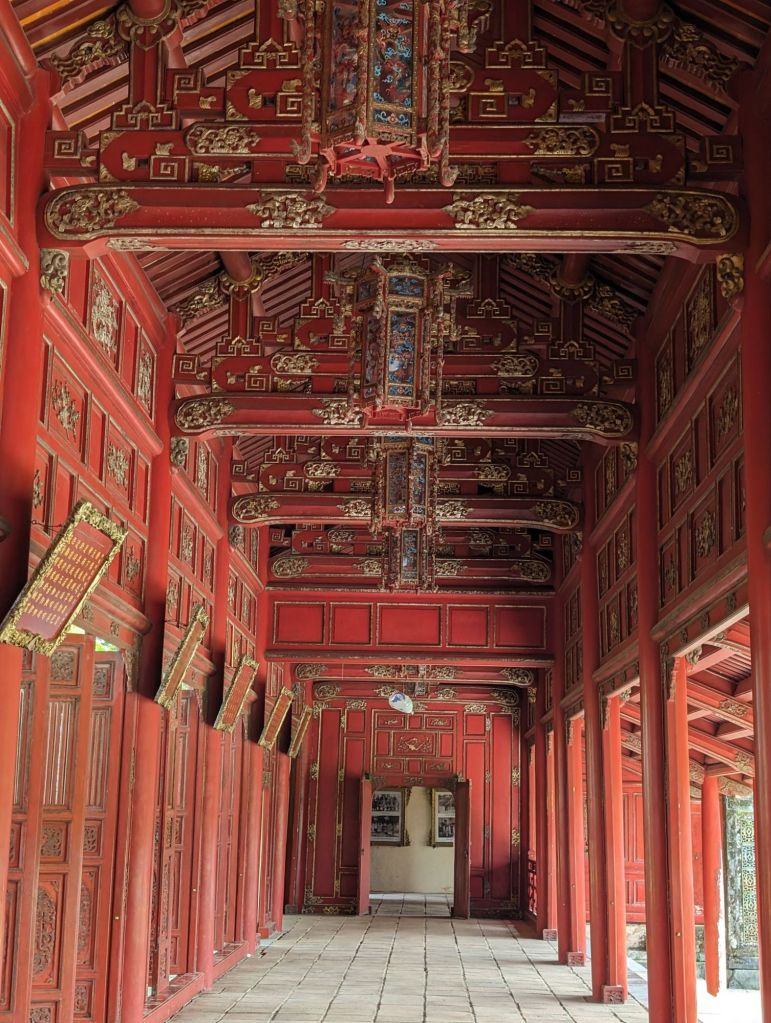
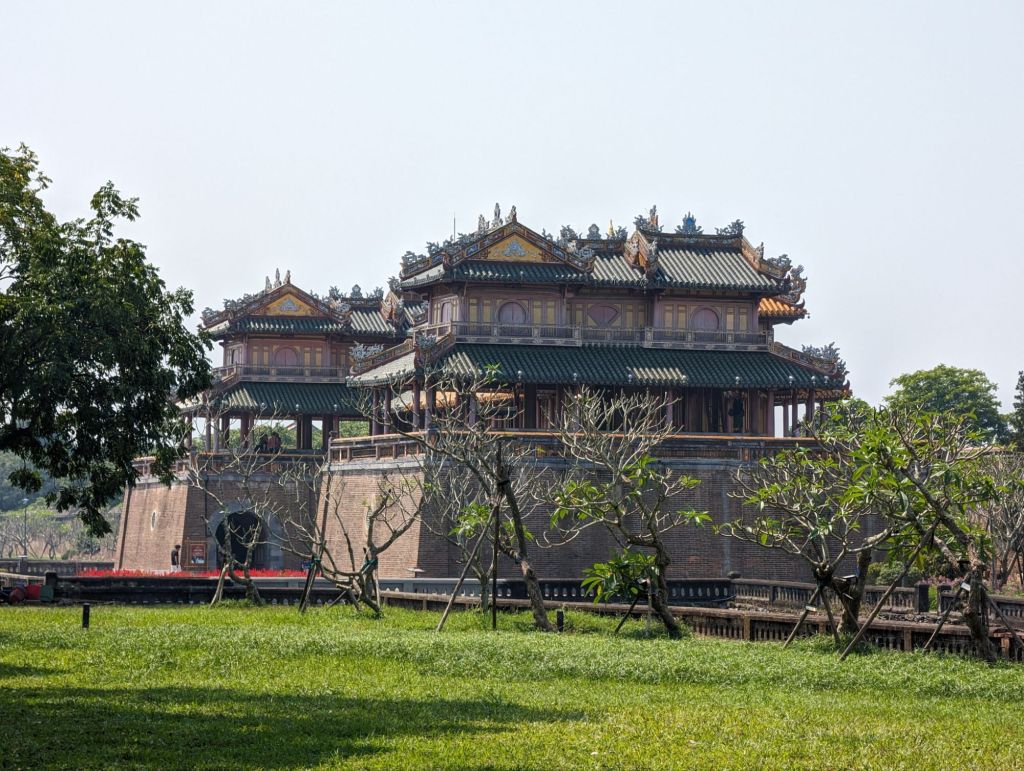
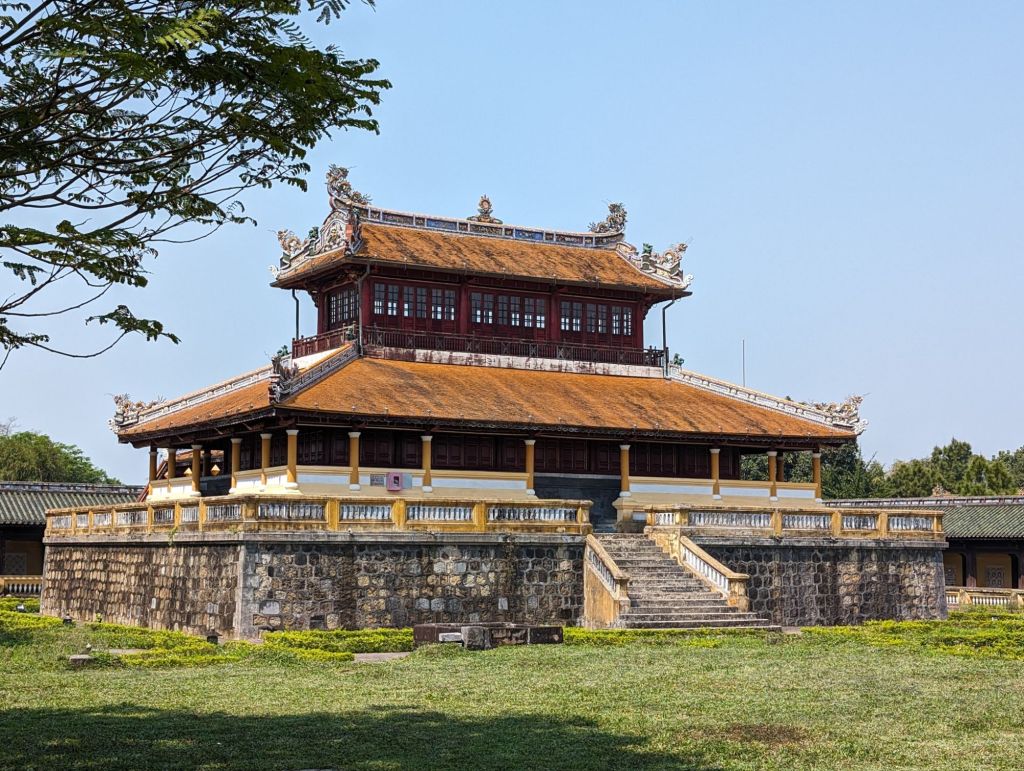
We visited The Imperial City, built when Hue was established as the capital of the newly unified Vietnam in 1802. It was ruled by the Nguyen dynasty, the last family of Vietnamese kings. But by then France had colonized Vietnam and the kings bowed to the French or they had short reigns. The complex of monuments here are quite grand and have French and Vietnamese influence.
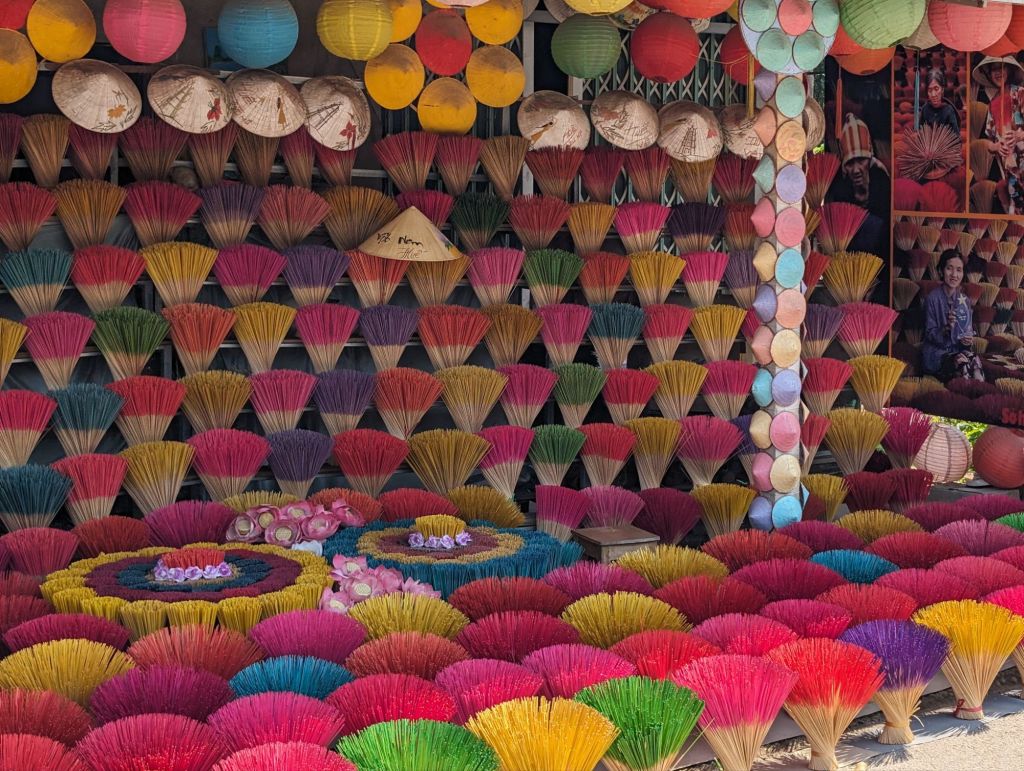
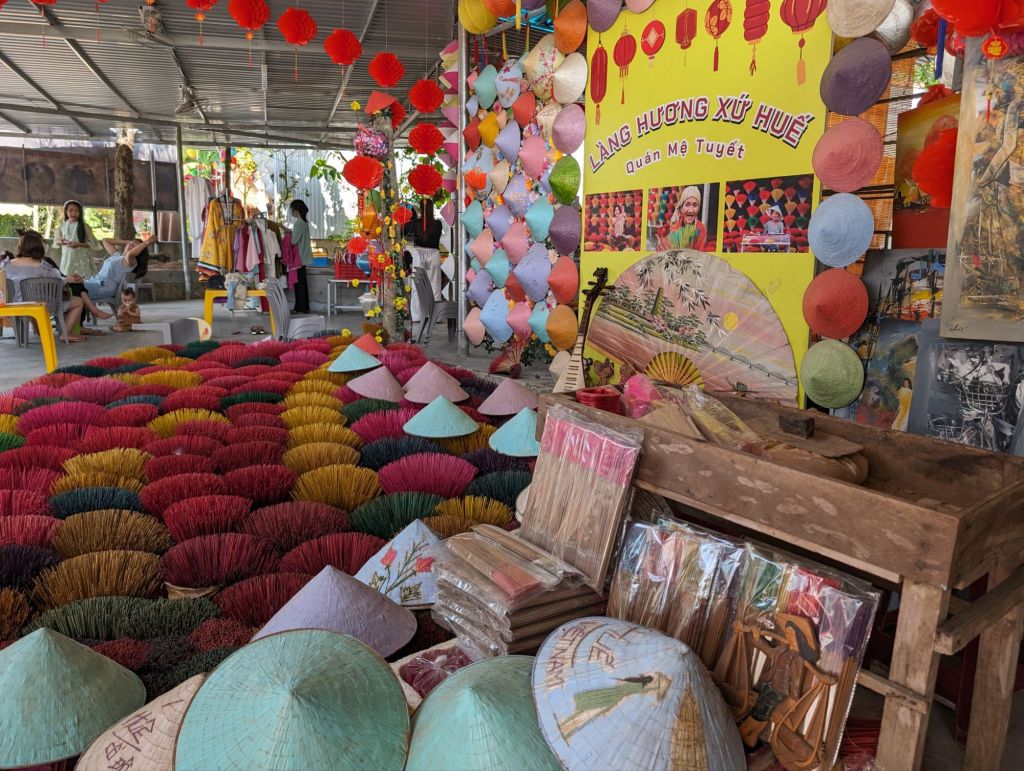
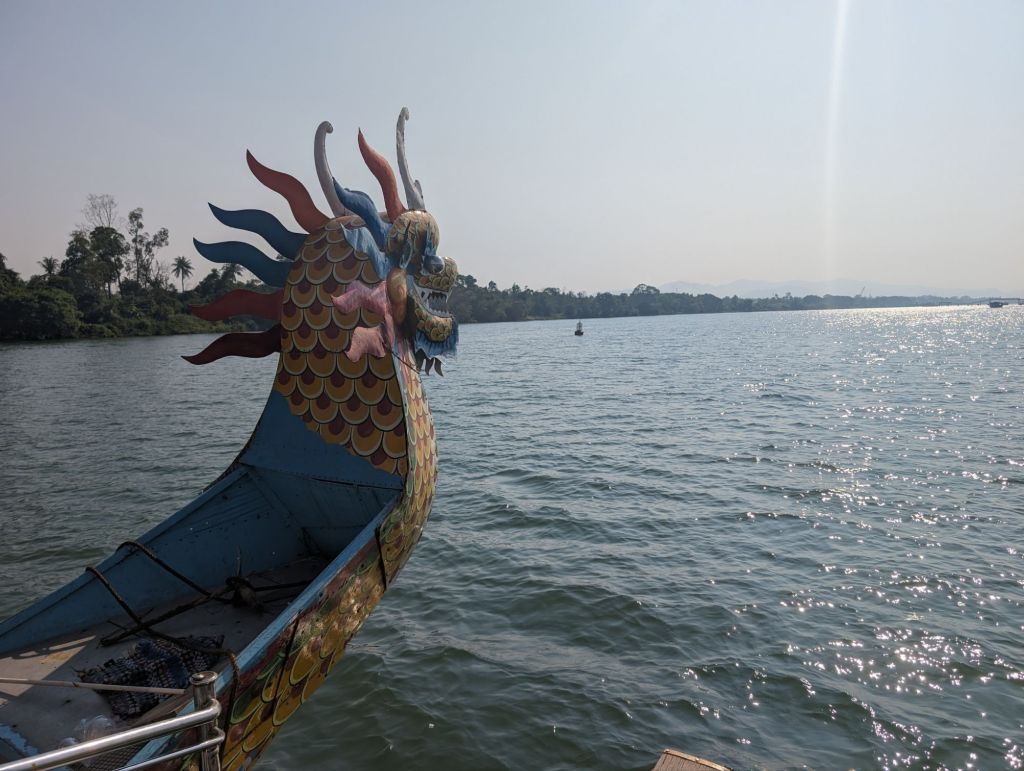
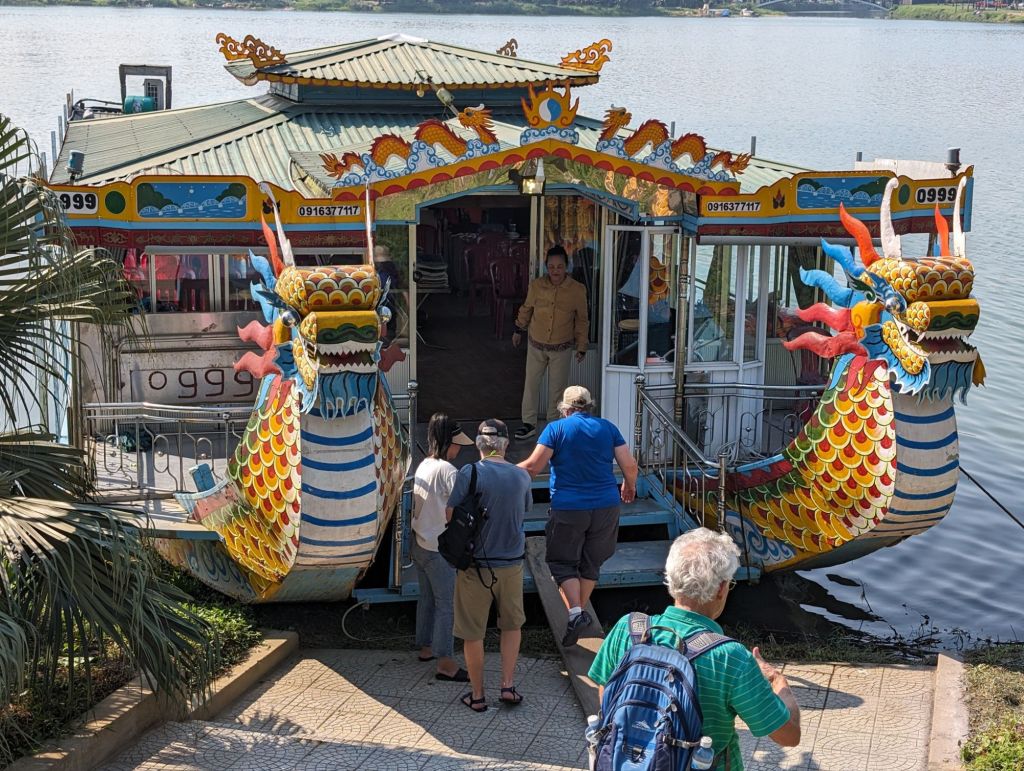
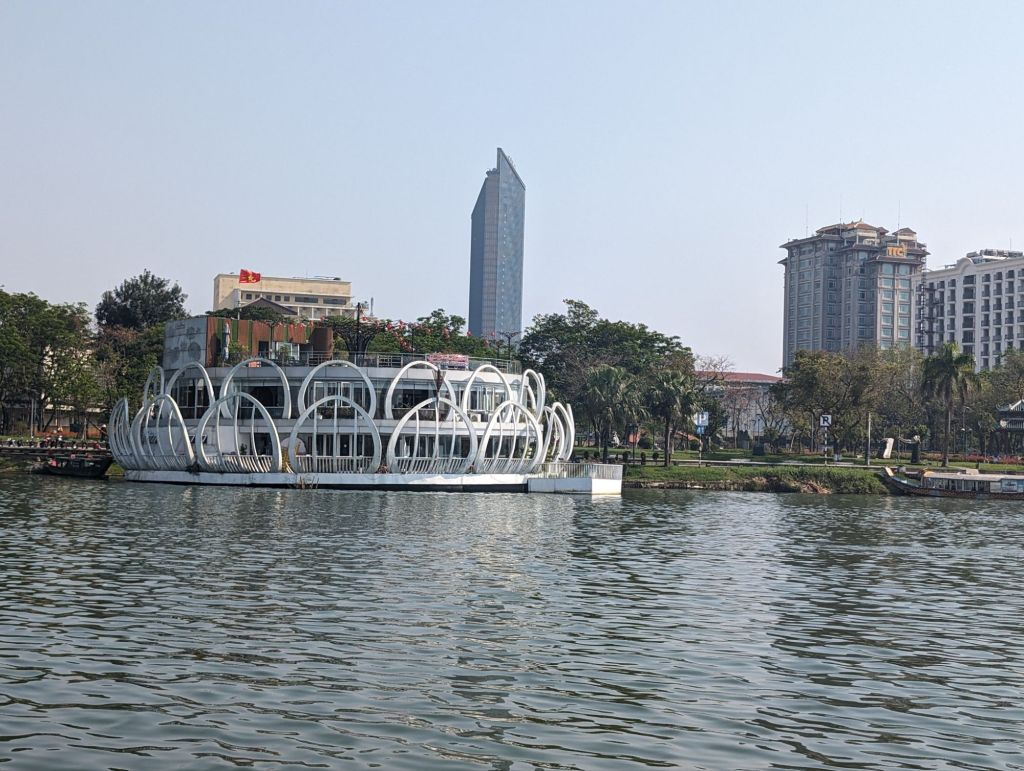
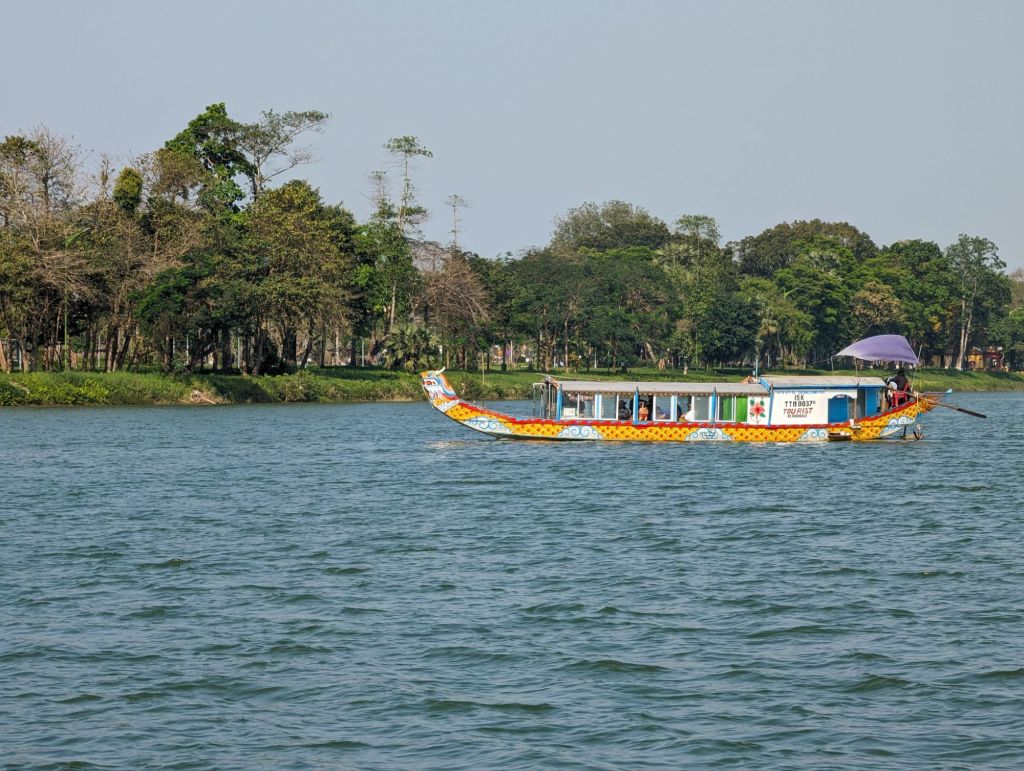
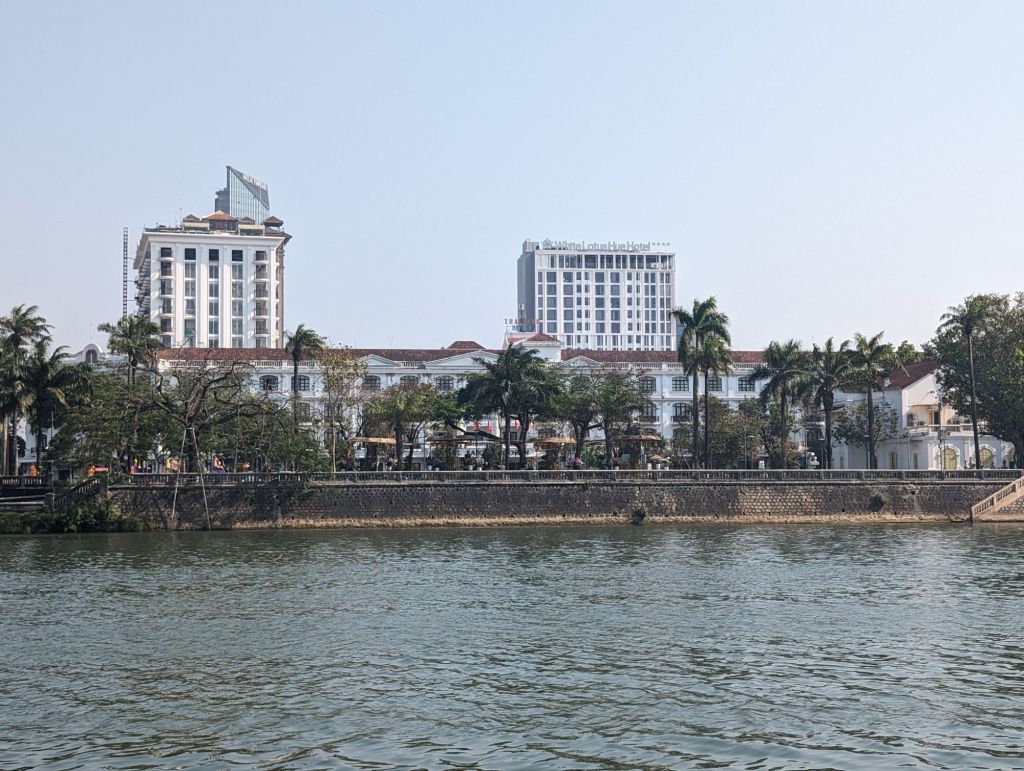
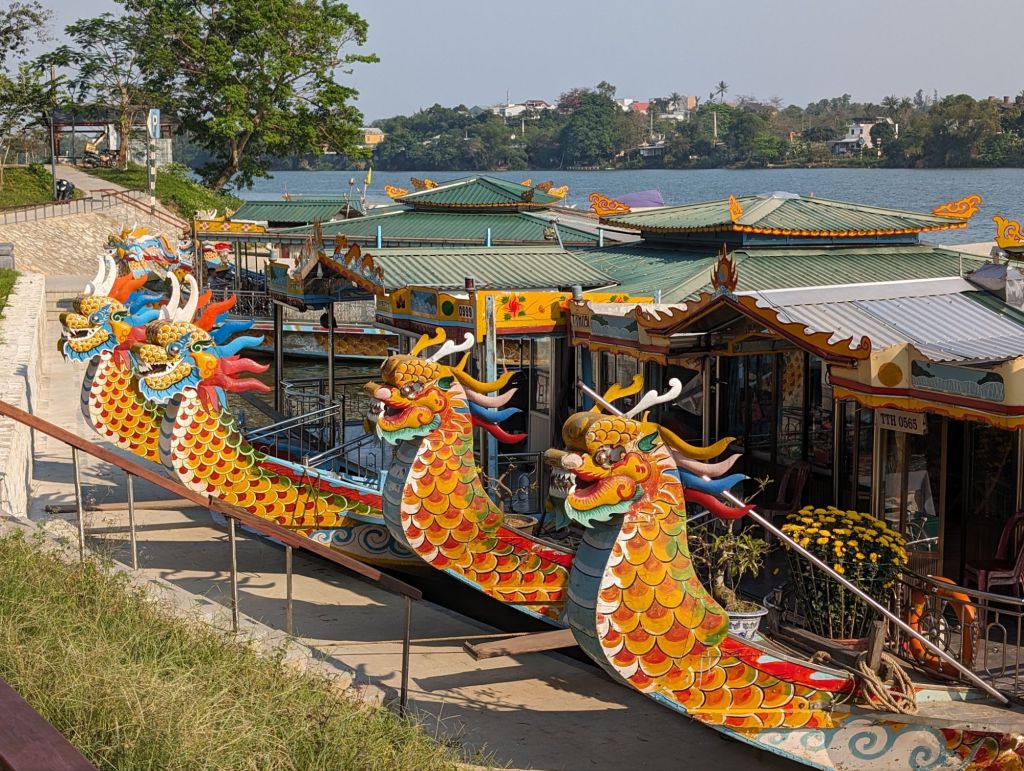
We took a cruise on Hue’s Perfume River. It was named many years ago for the flowers that would fall into the water from upstream orchards, and the lovely aroma the breezes sent down the river. The floral perfume is no longer there, but it is still a very pleasant boat ride.
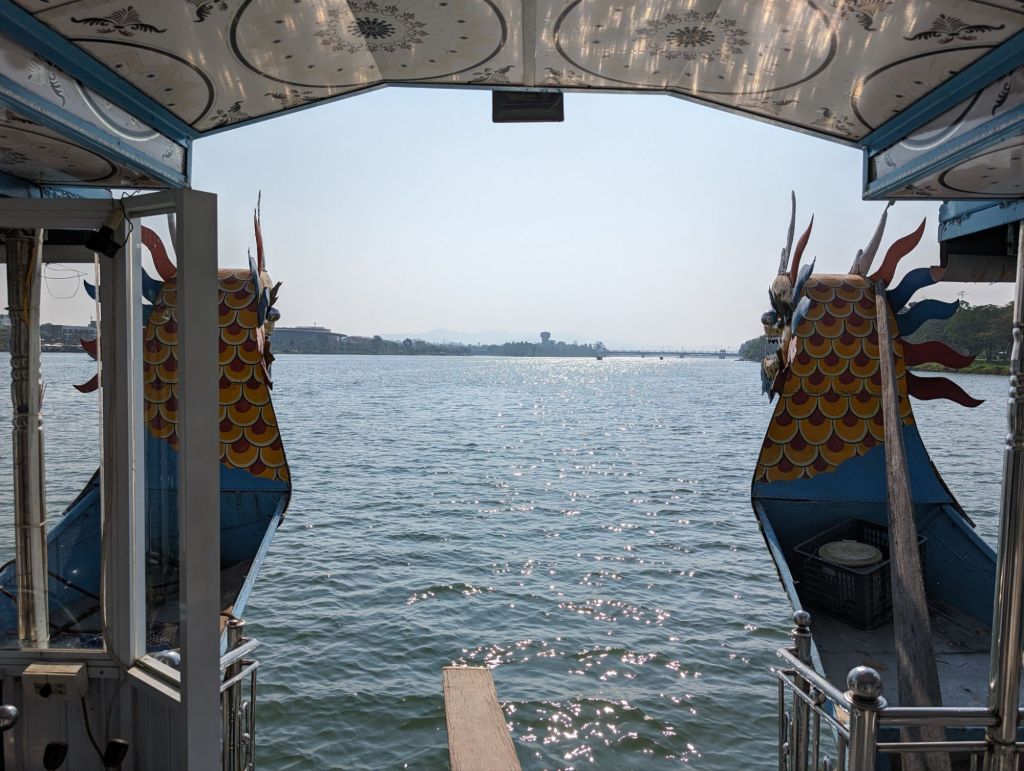
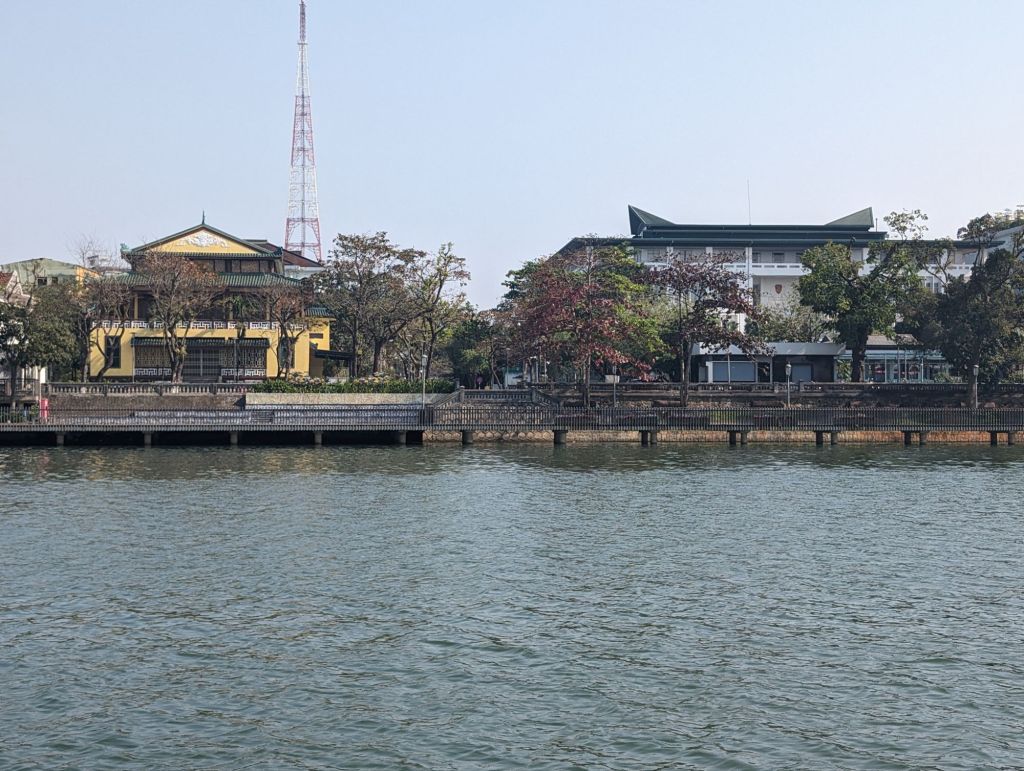
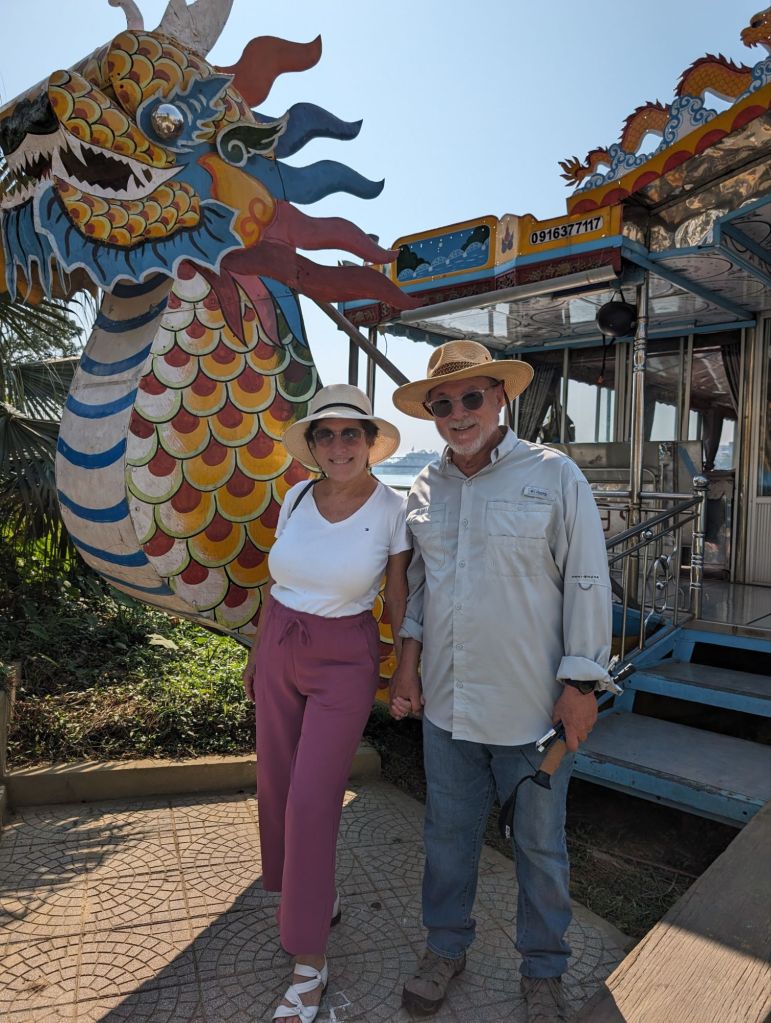
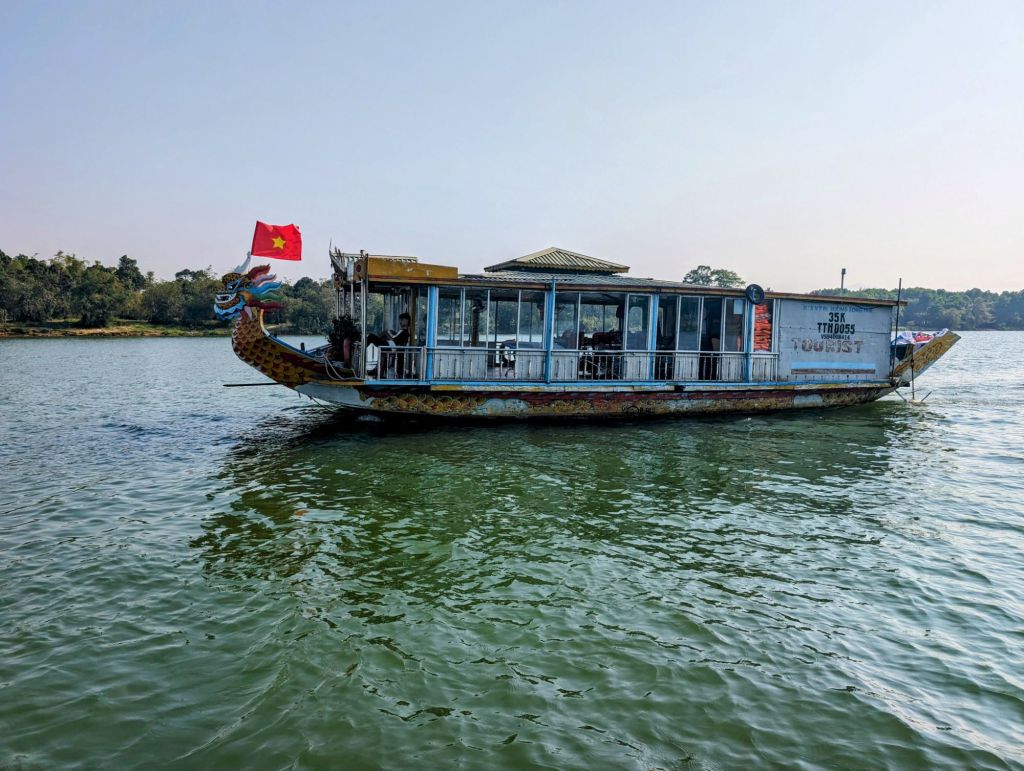
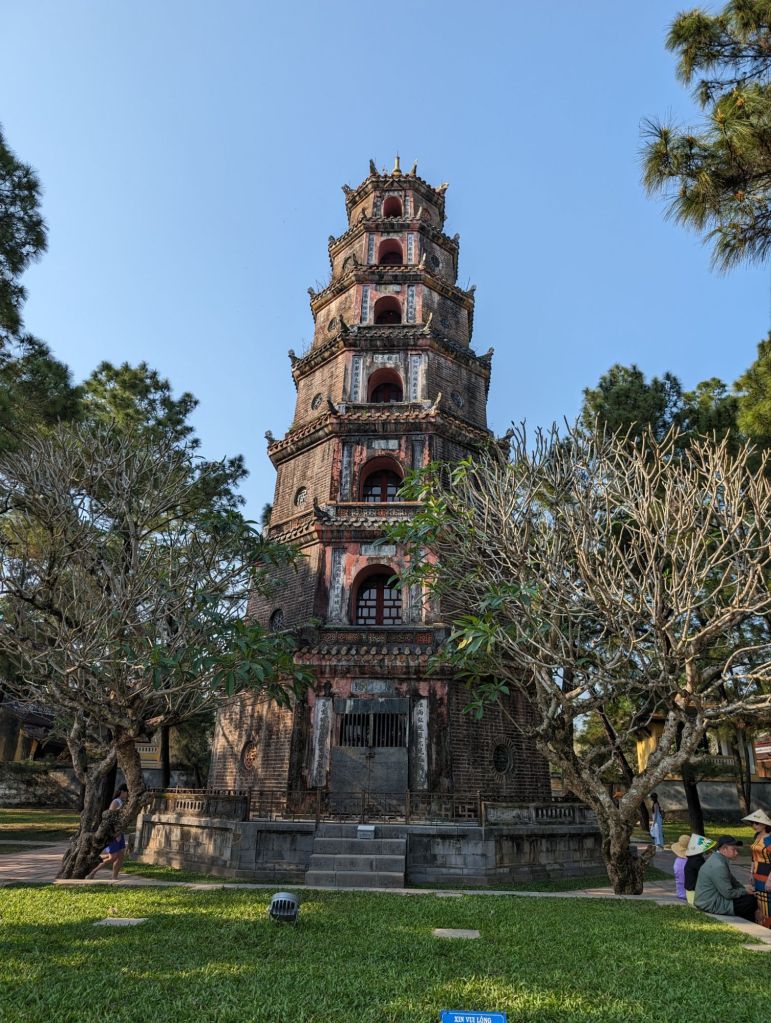
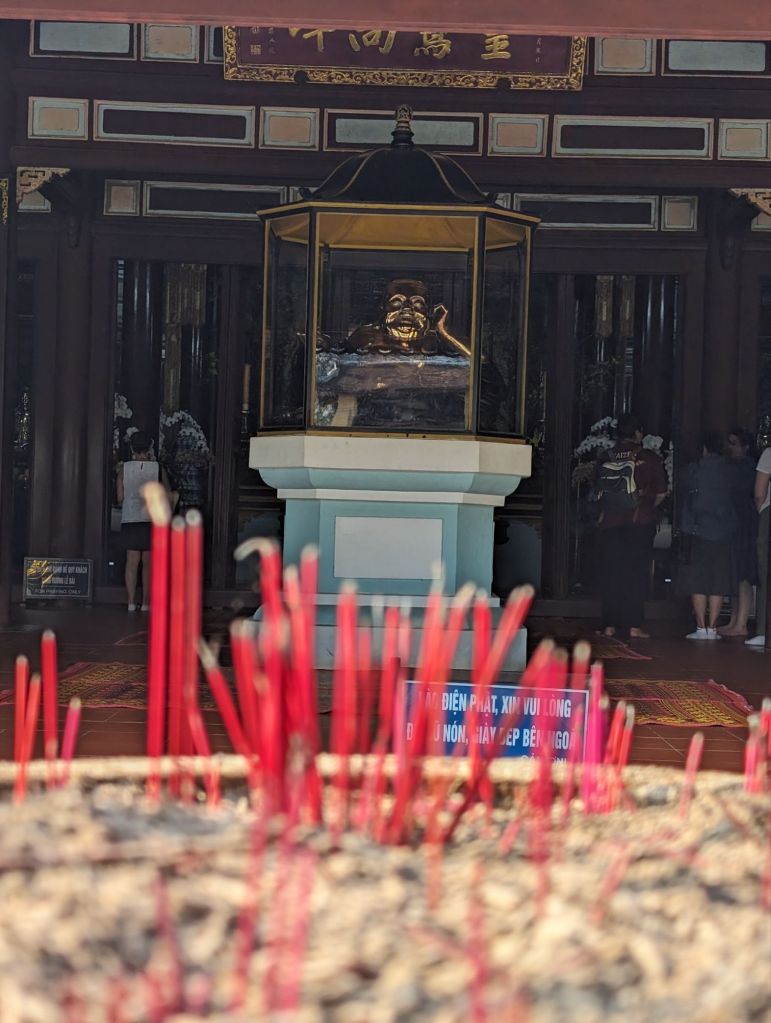
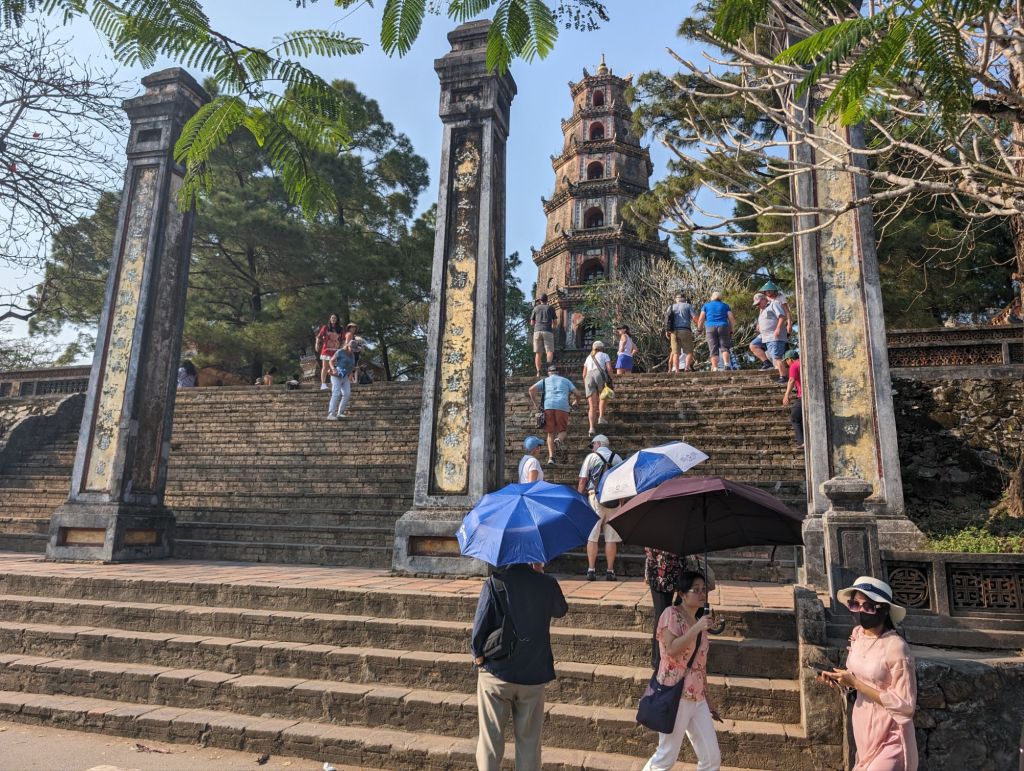
Our boat ride ended at the Thien Mu Pagoda. The 7- story Buddhist Pagoda is one of the oldest and most iconic religious sites in the country. It is the unofficial symbol of the city.
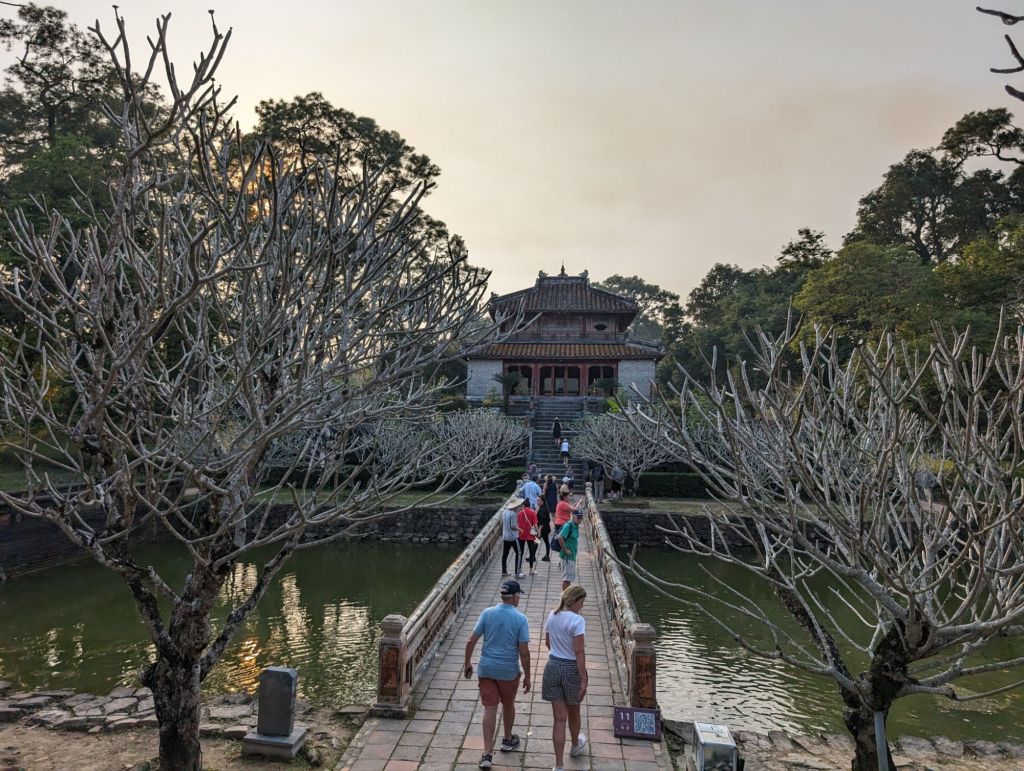
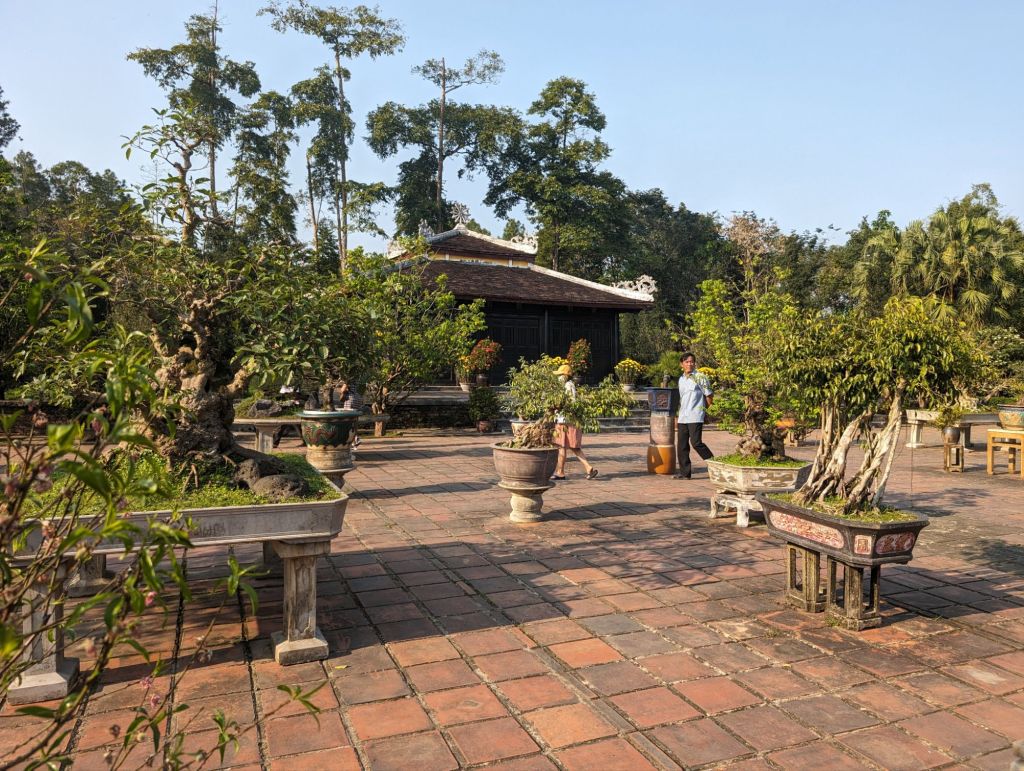
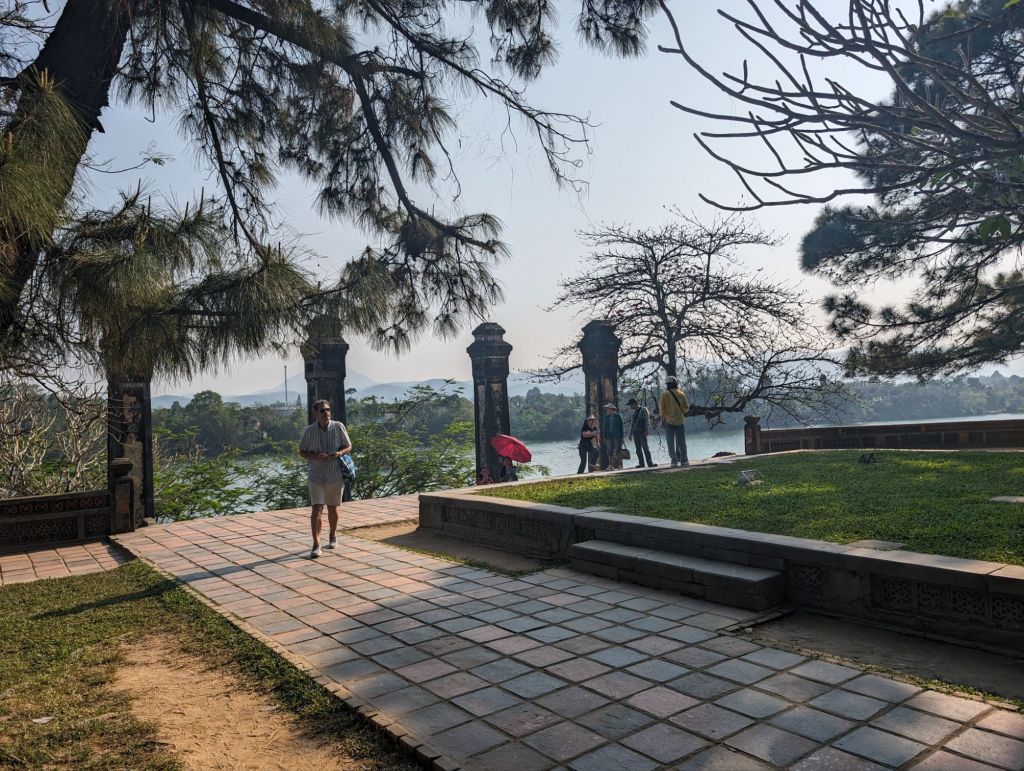
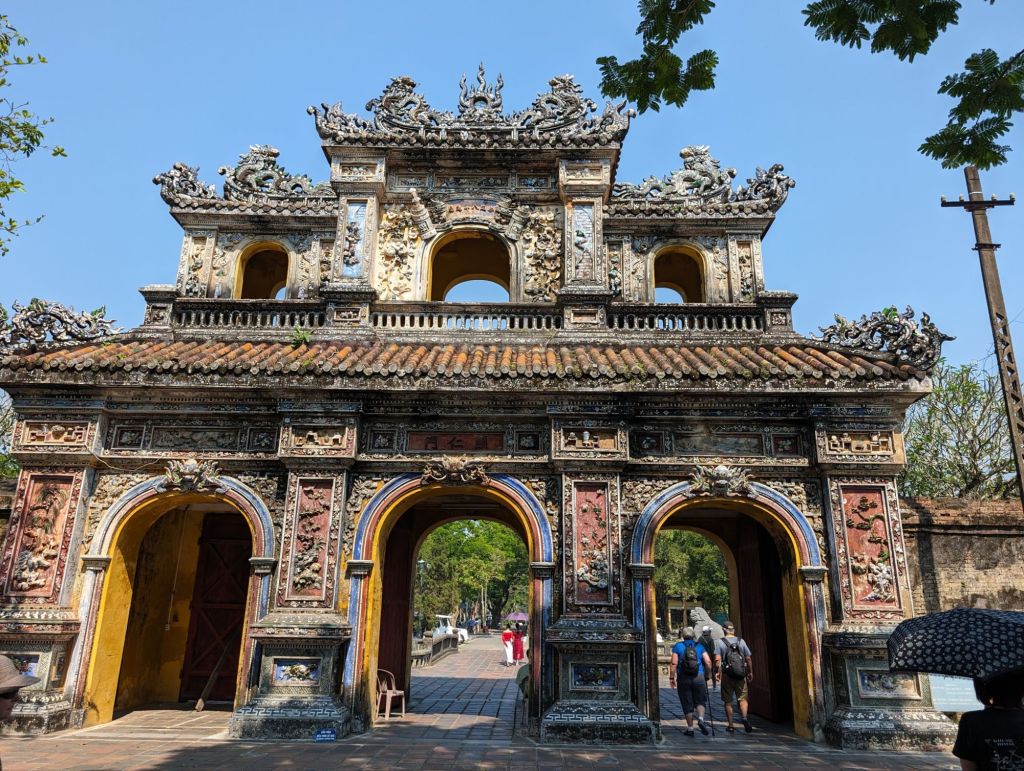
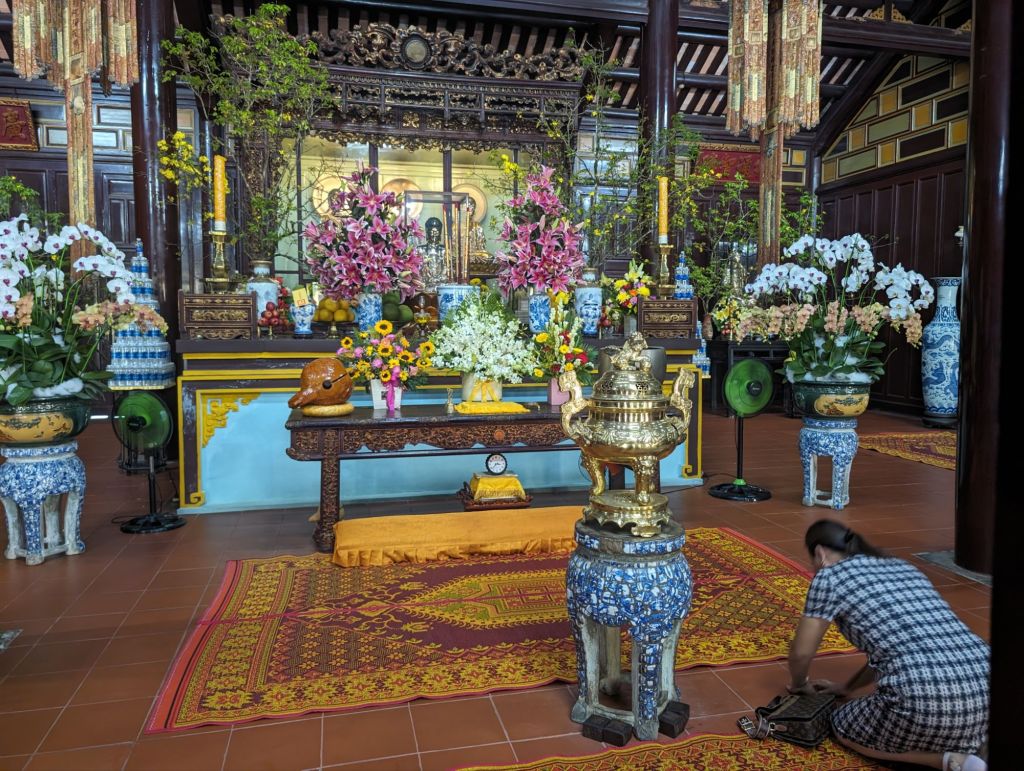
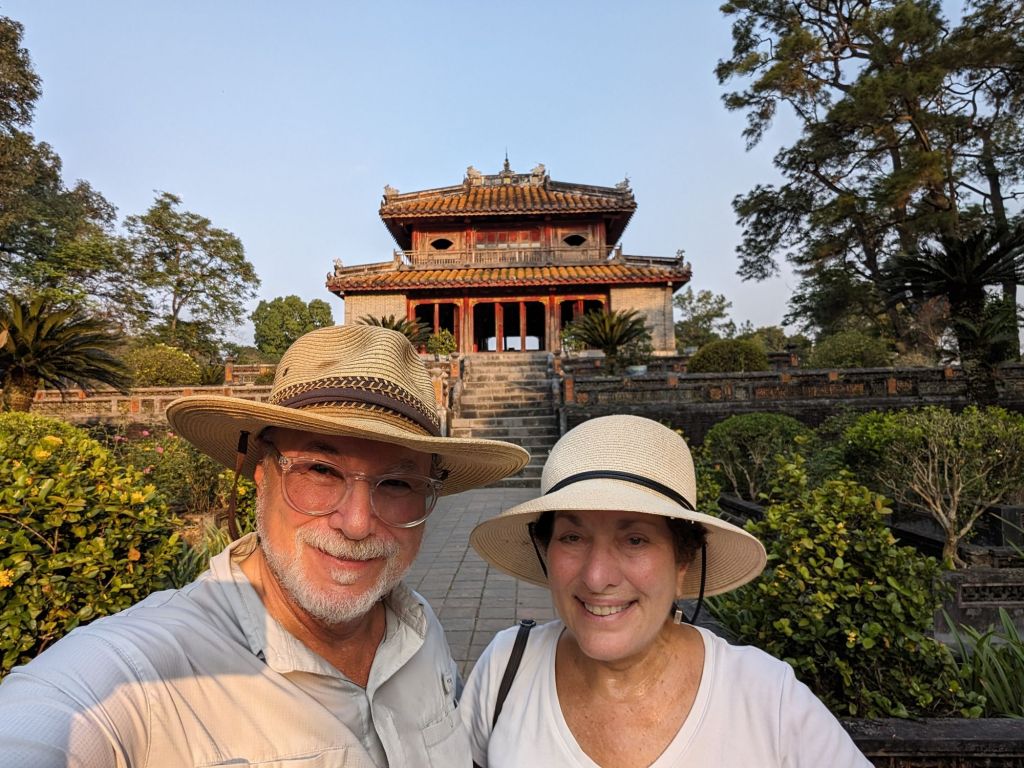
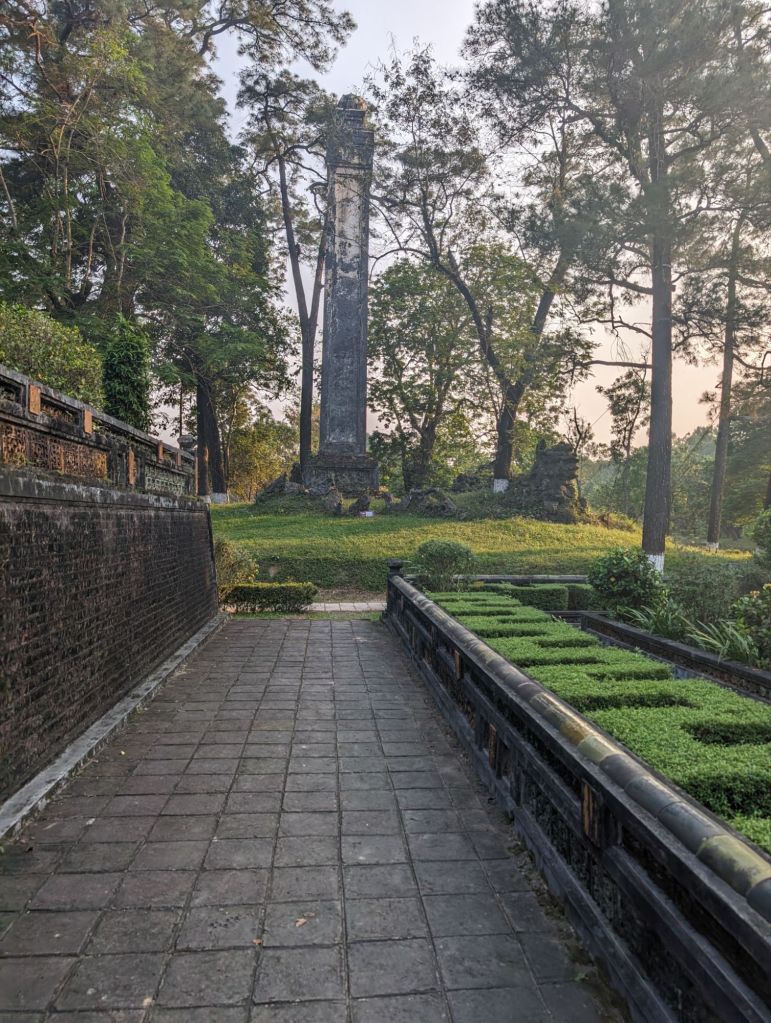
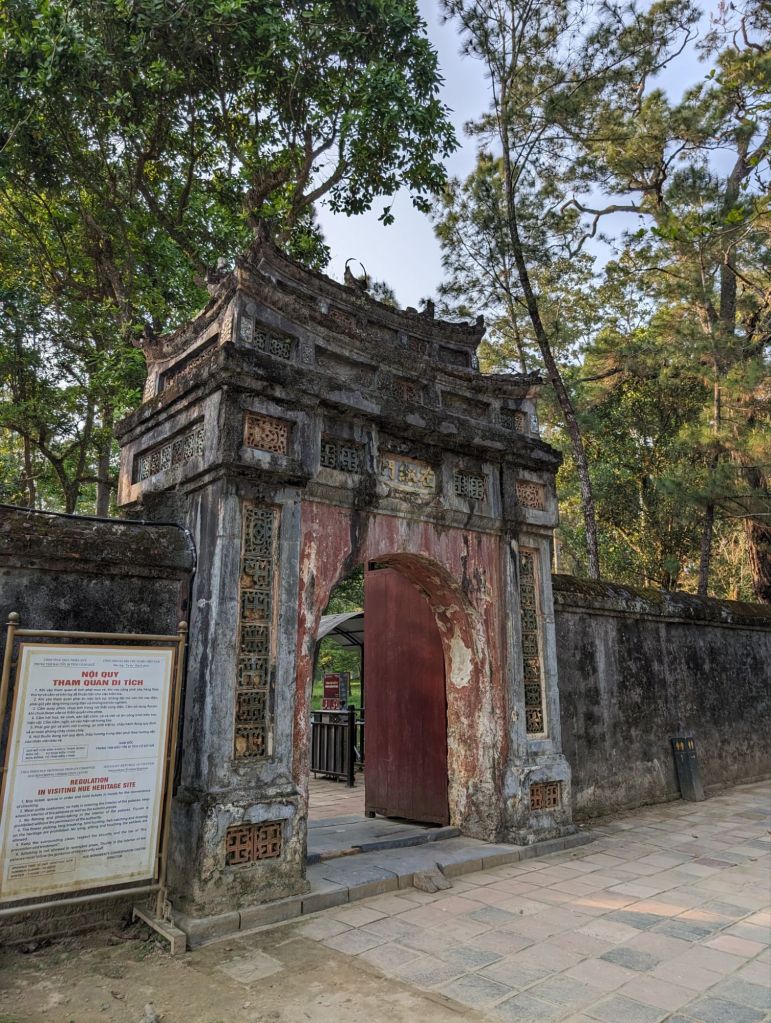
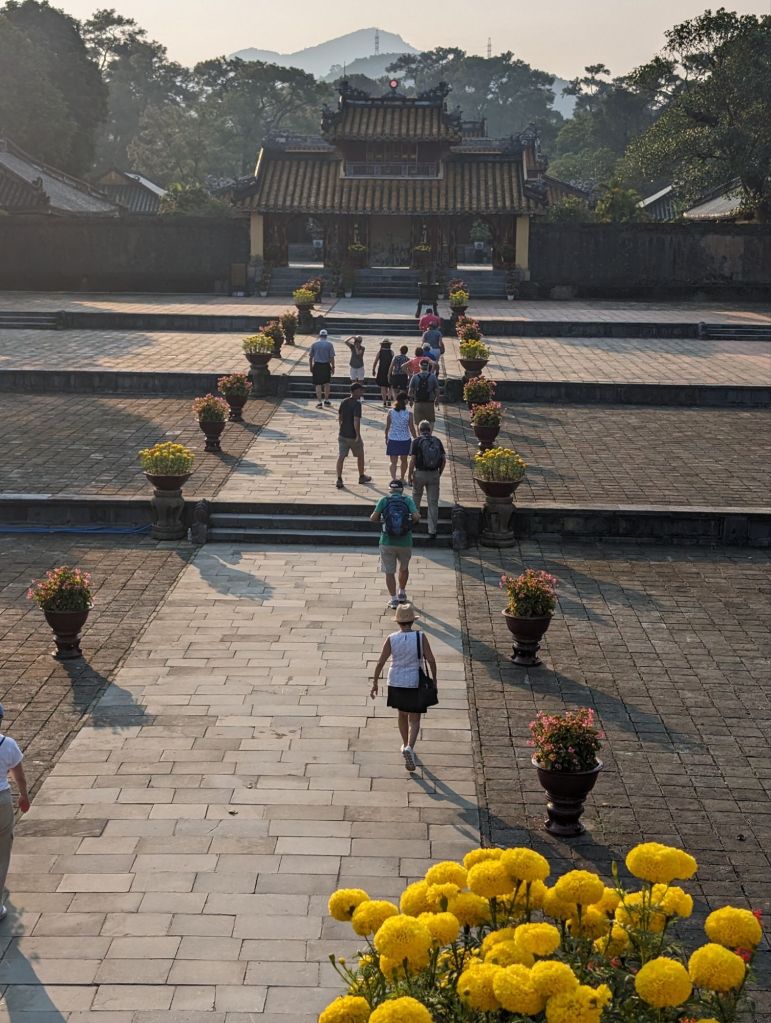
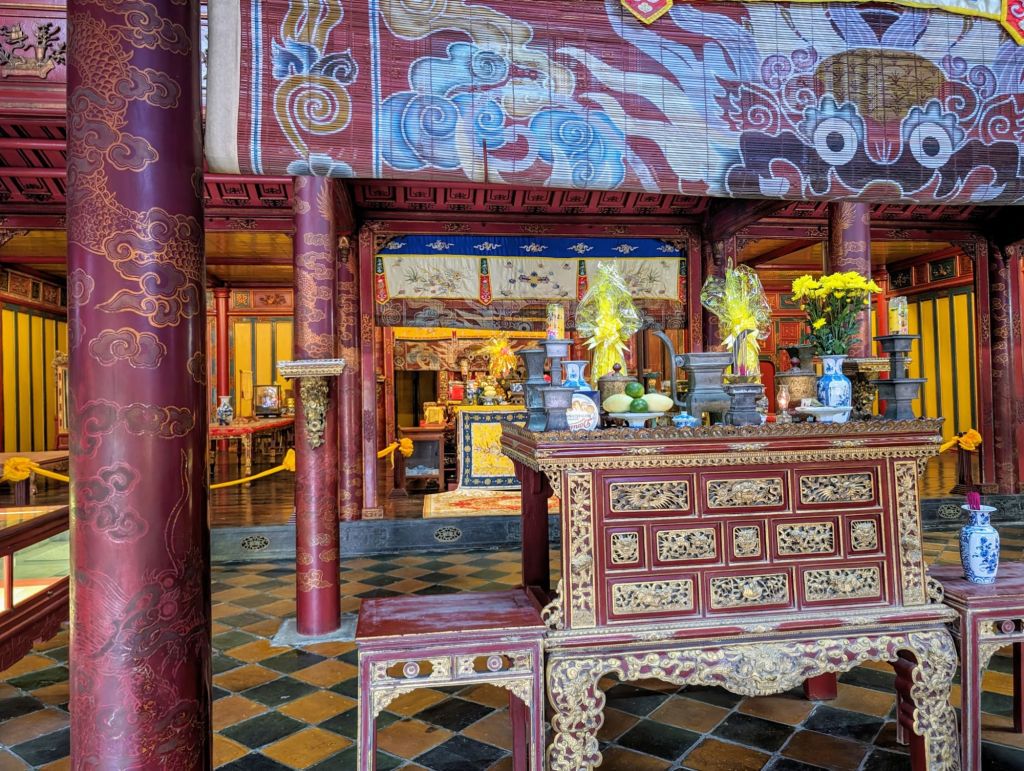
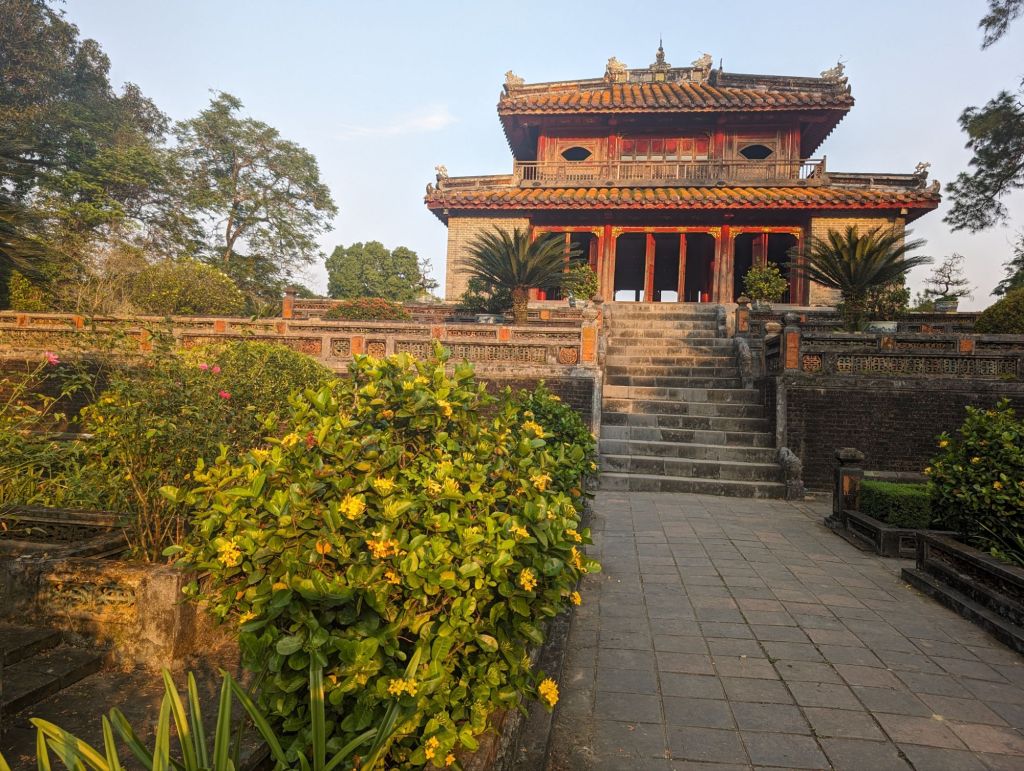
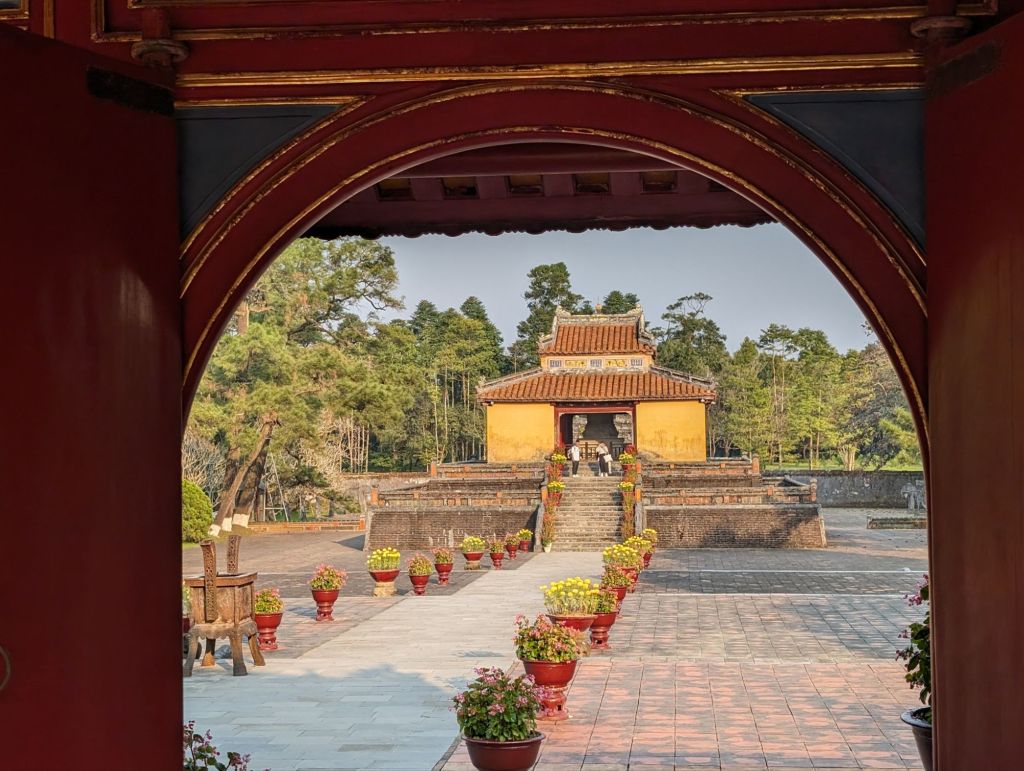
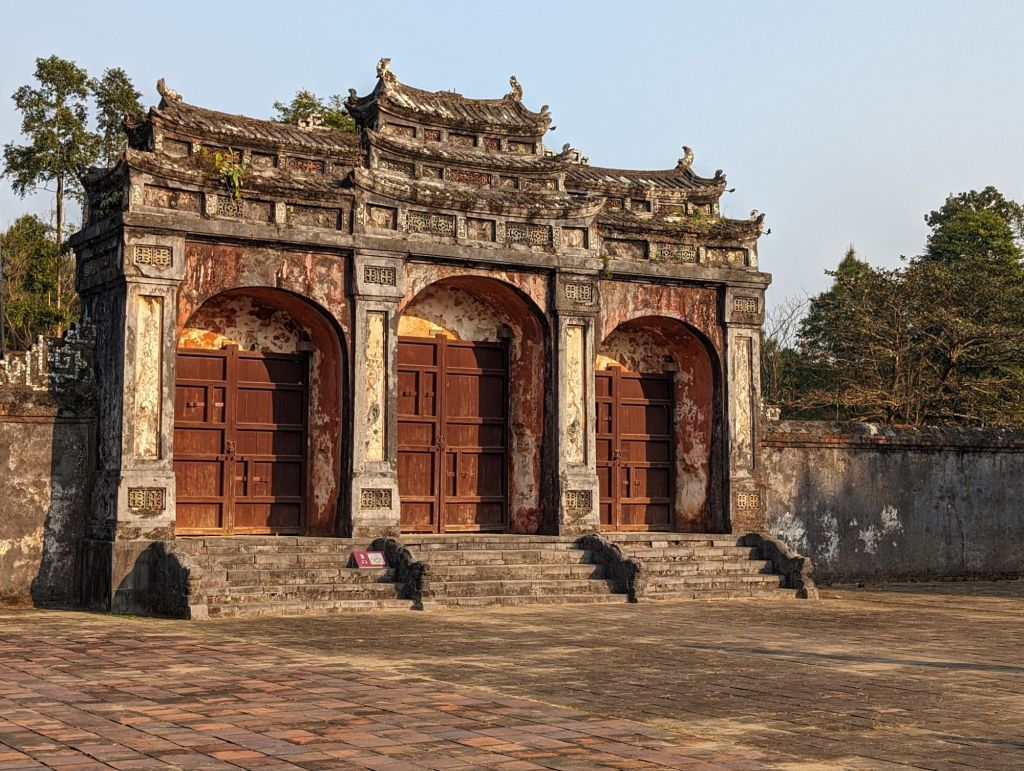
The tombs of the Nguyen dynasty Kings are treasured, historic and religious sites for Hue. The Minh Mang tomb, the Nguyen king, who reigned from 1820-1841, is one of the most famous. It stretches over 37 acres with 40 constructions on it arranged in a symmetrical pattern. The complex is not just a burial place for the king and his wife and concubines, but is also for religious worship and the contemplation of nature.
 J and J Travel