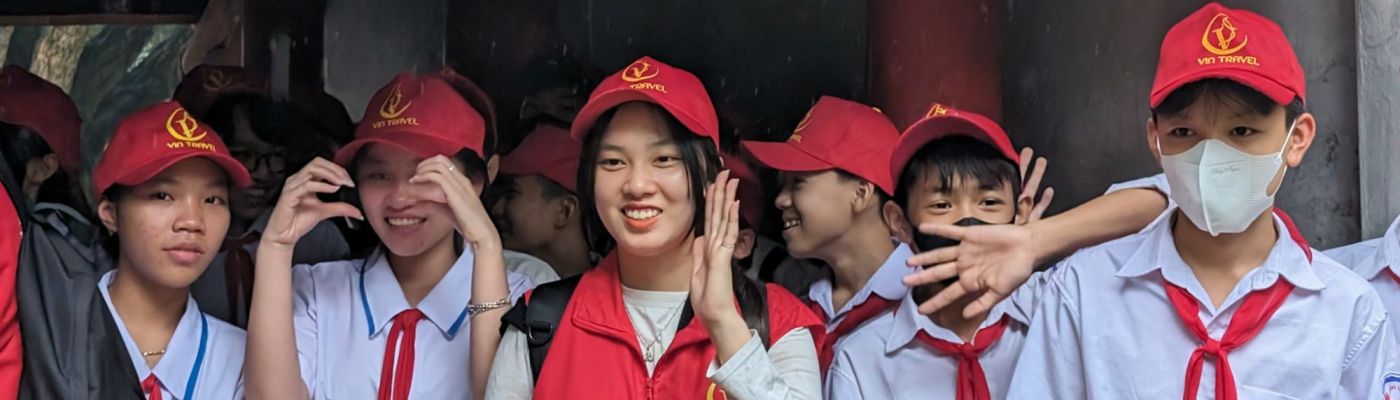
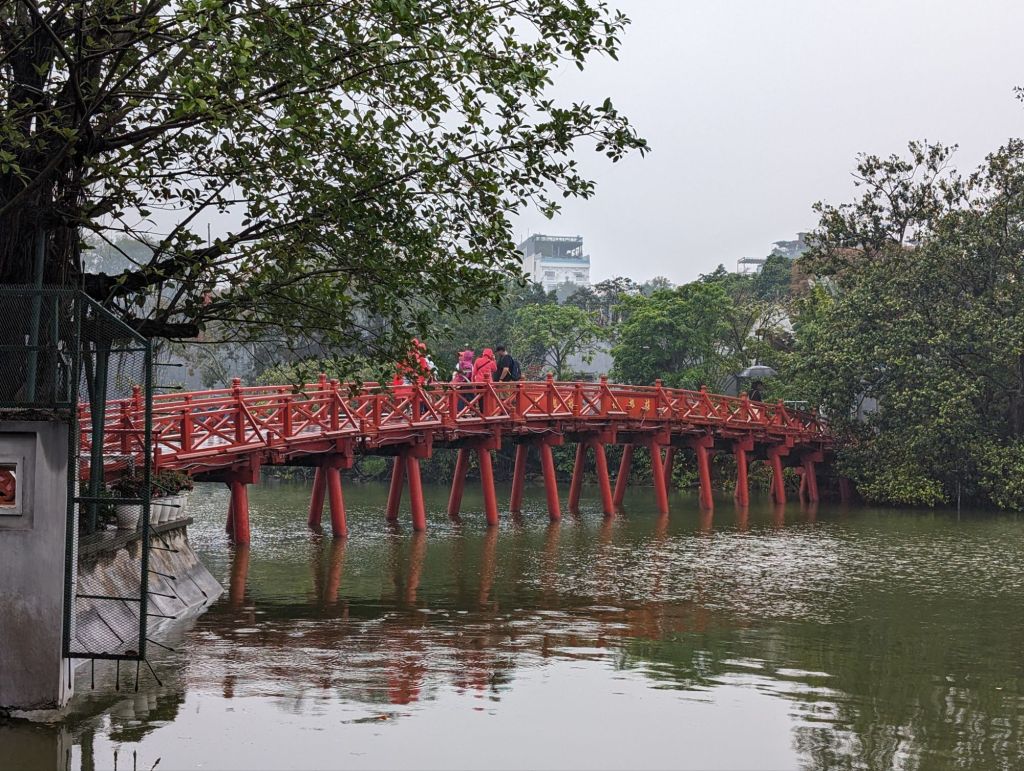
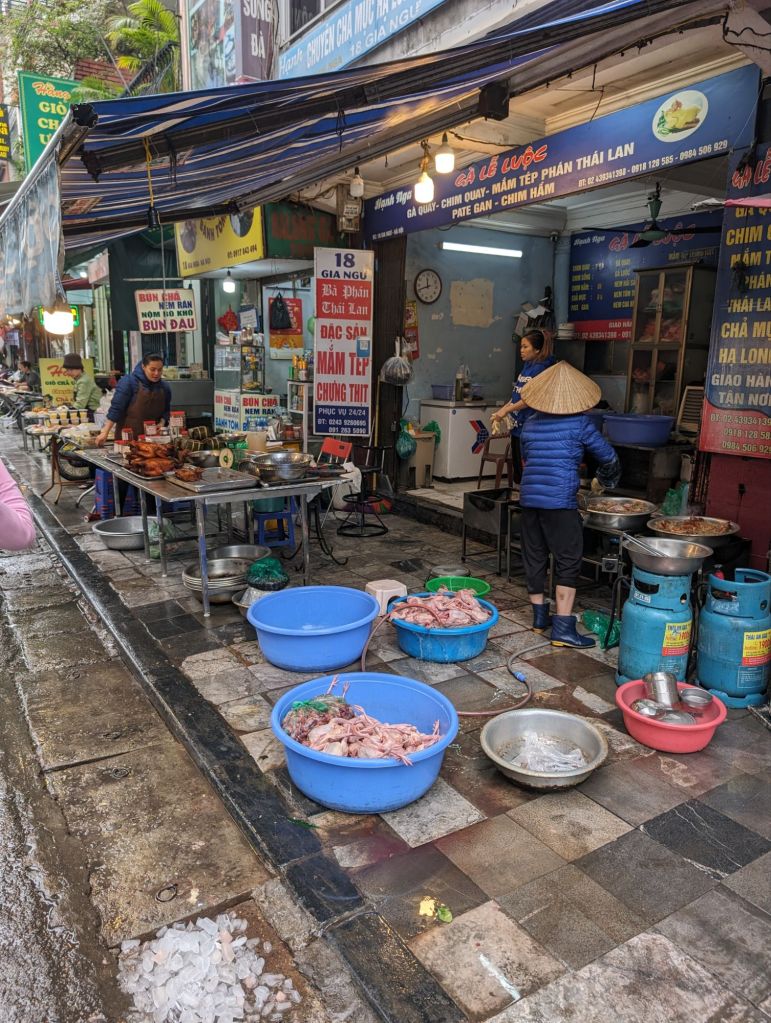
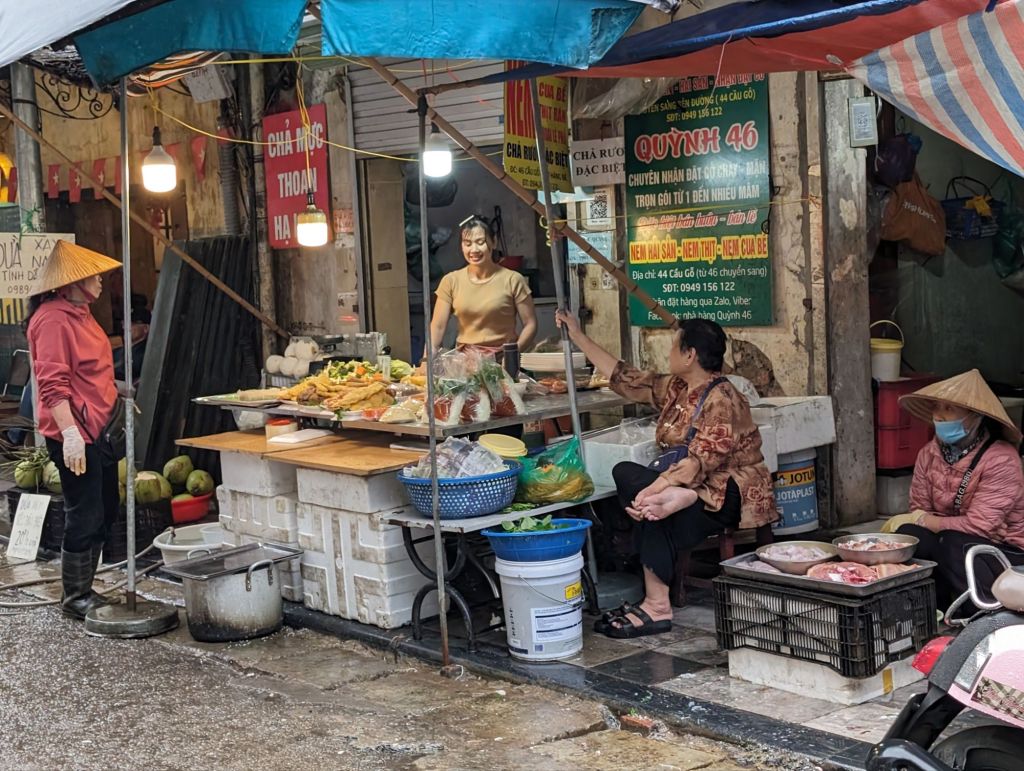
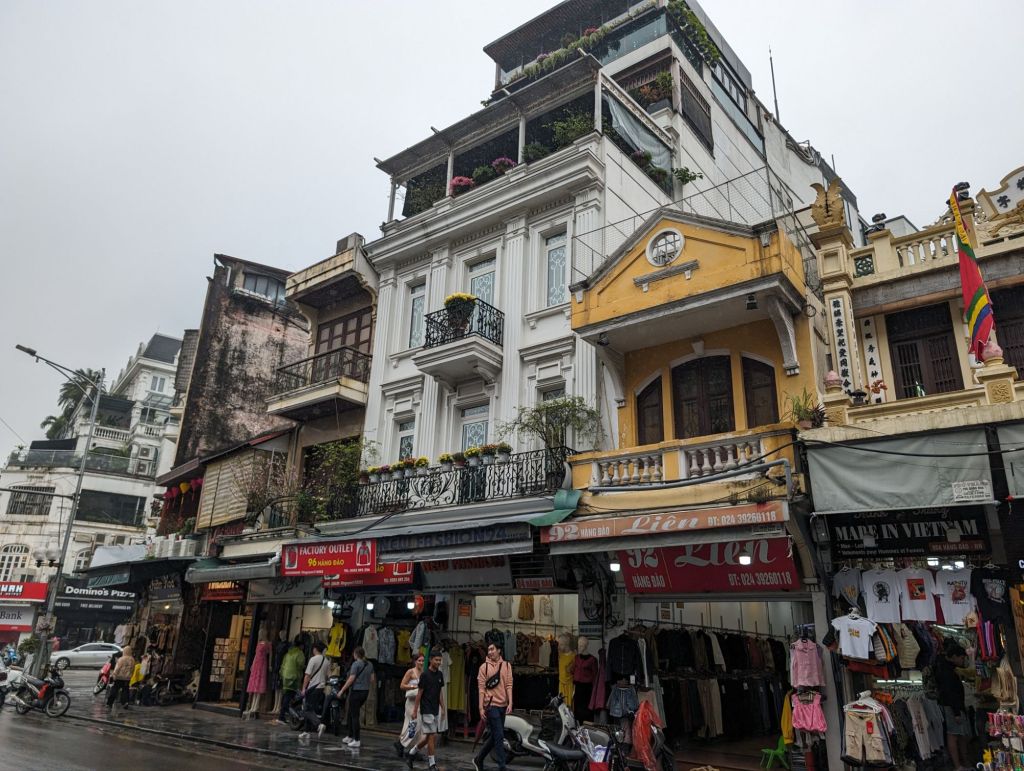
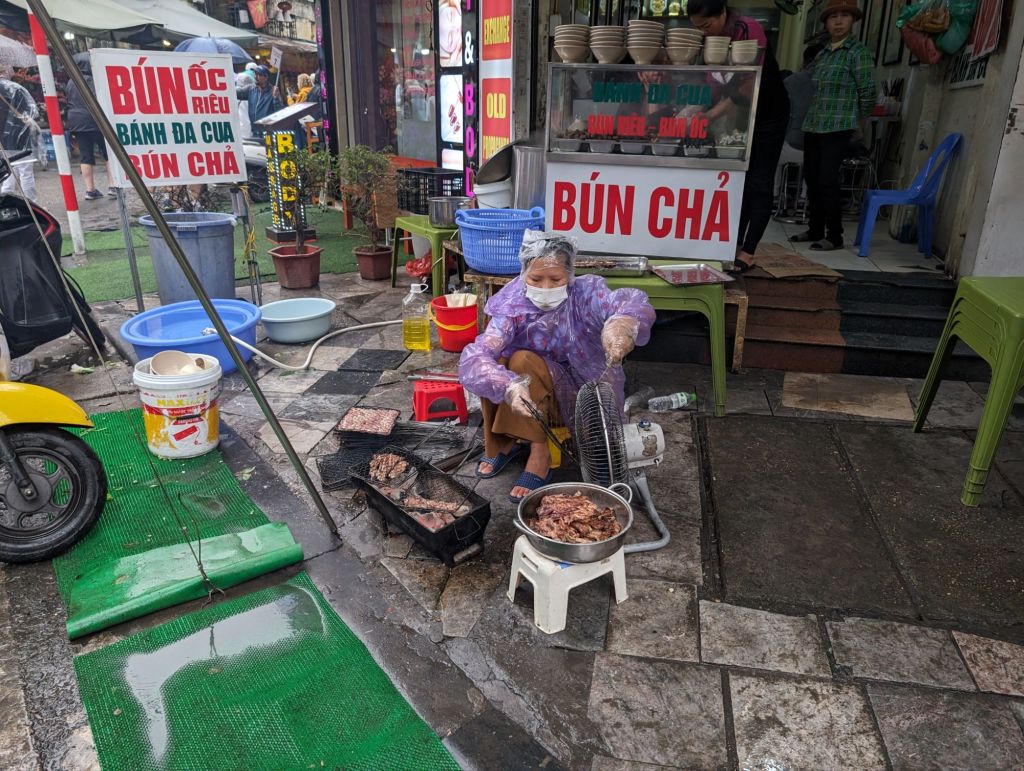
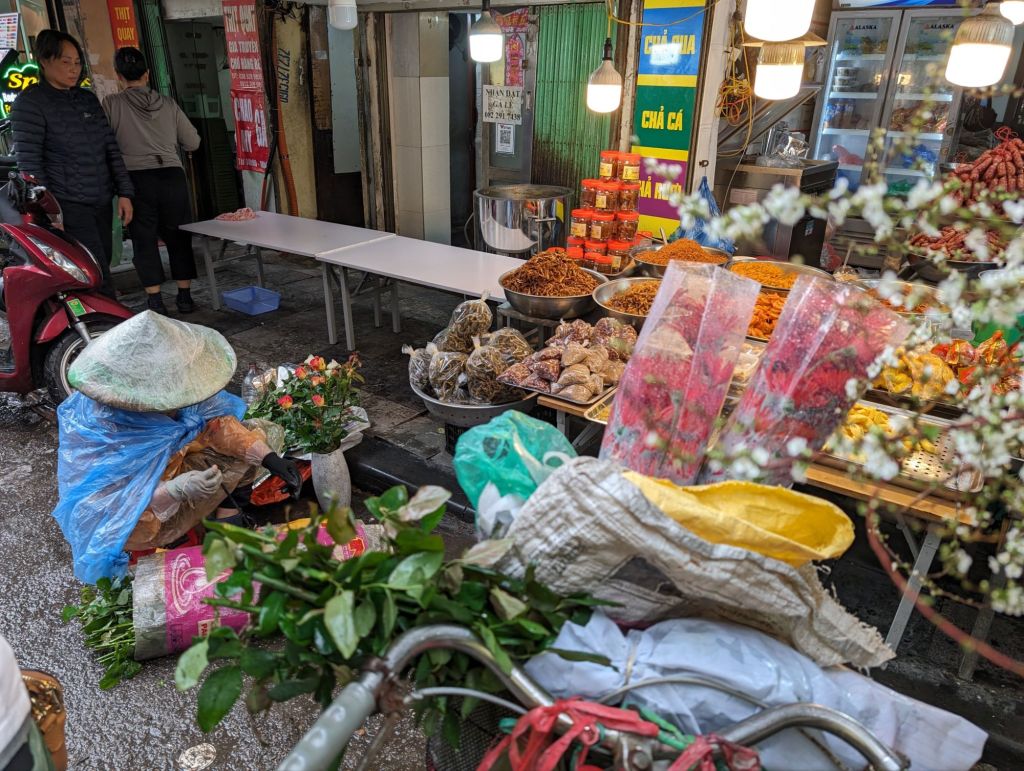
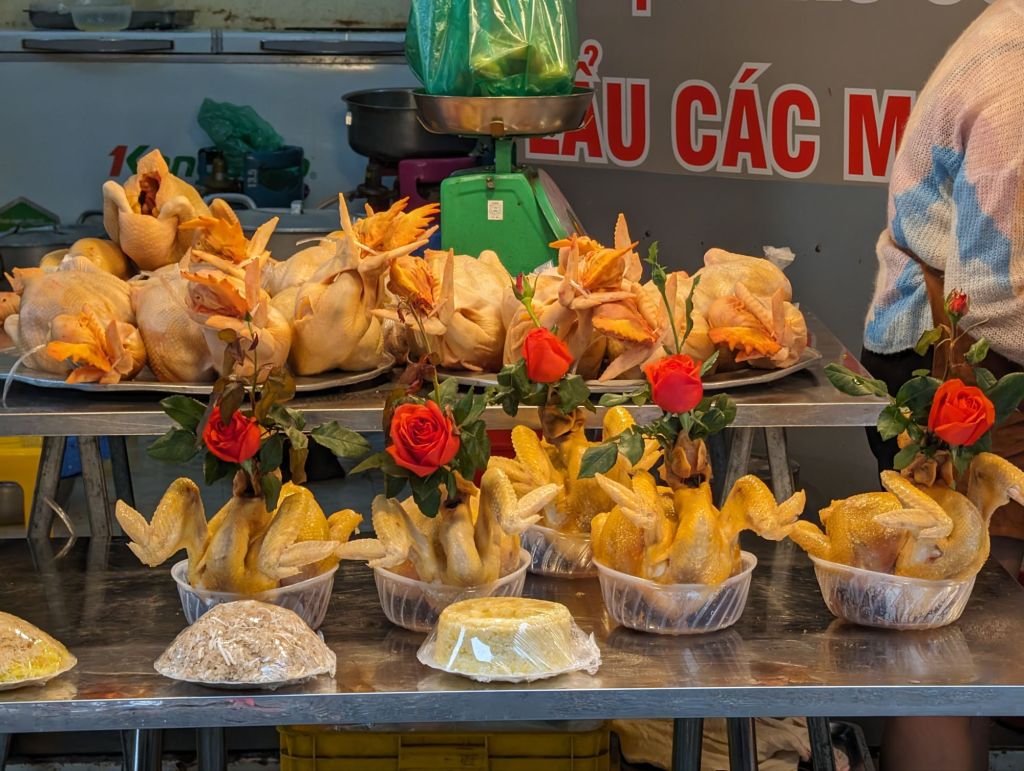
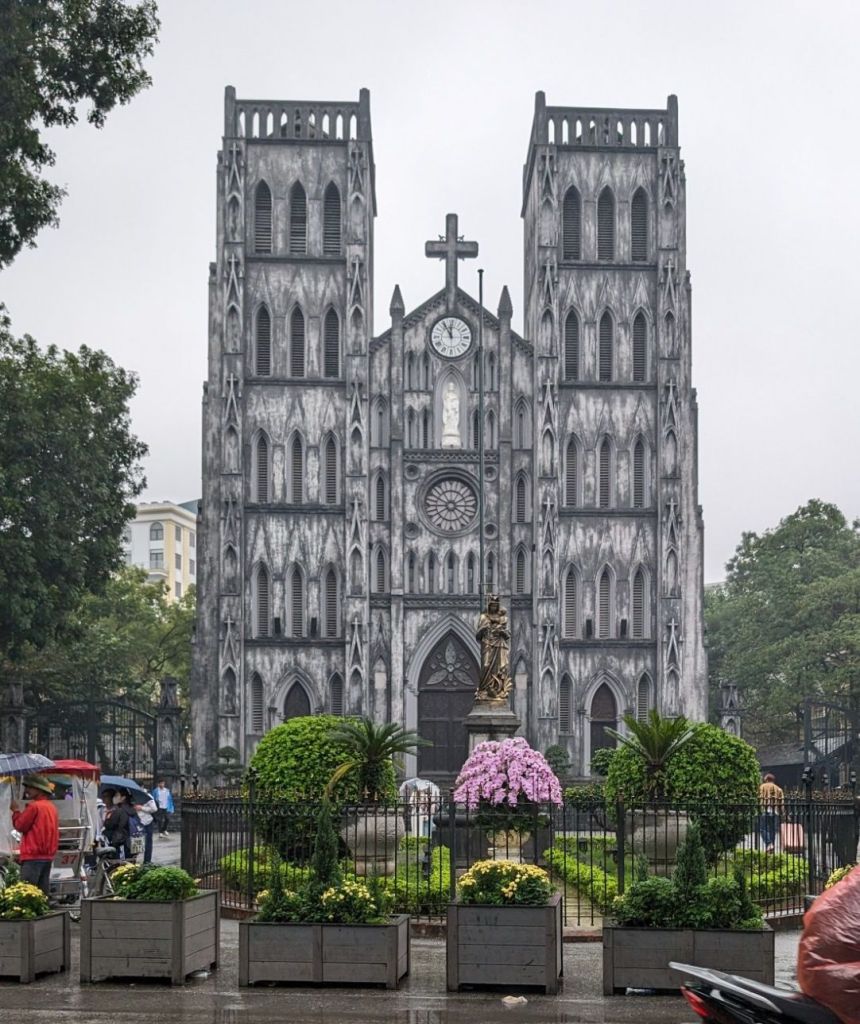
We couldn’t miss our one opportunity to visit Hanoi, even though it meant spending more than 5 hours on a bus getting there and back and seeing the sights in the rain. But it was worth it. This capital of a nominally communist country is bursting with the energy of a naturally entrepreneurial population. As we found in Saigon and elsewhere, Vietnamese people like having their own businesses and more than half of the workers do. Below are some street scenes of Hanoi people at work and an example of the mix of French colonial and Vietnamese style architecture. The shop pictures are in Hanoi’s old town. Other parts of the city are much more sleek and modern.
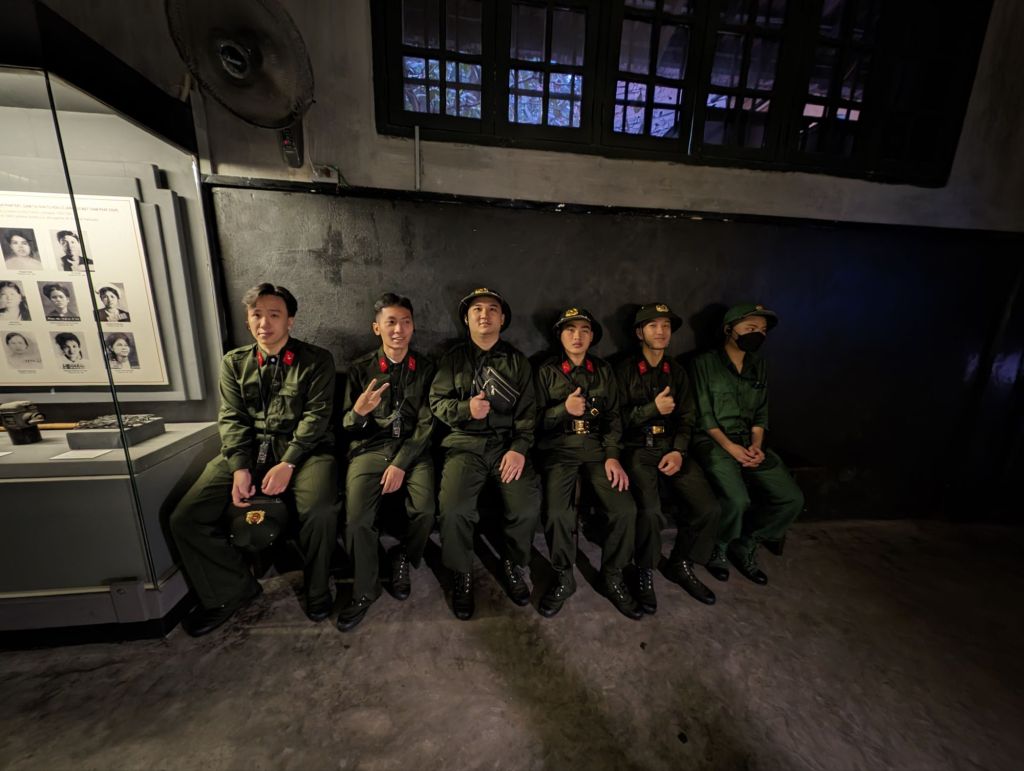
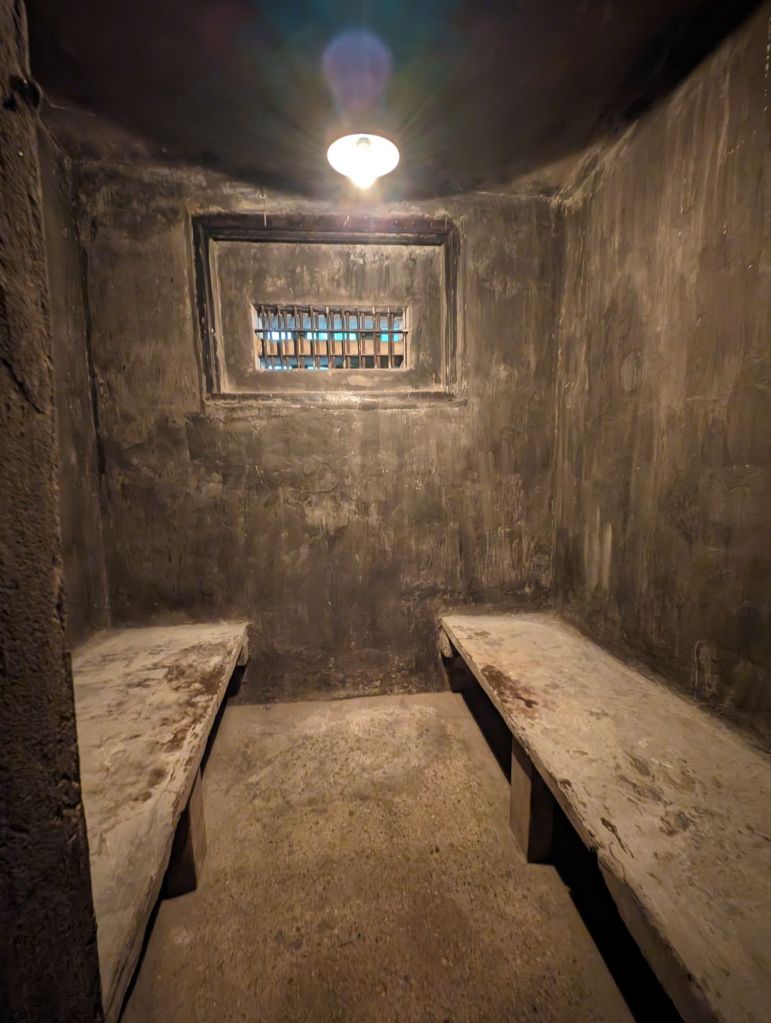
We visited the former prison known as the Hanoi Hilton where captured American soldiers were held during the Vietnam War, or American War, as the Vietnamese call it. Today a part of it is set aside as a museum, while apartment and commercial buildings occupy the rest of the land. We learned that the prison was built during the French colonial period (late 19th to mid 20th century) to house Vietnamese people, many of them political prisoners. Most of the museum depicts this era and the horrible tortures and appalling conditions the prisoners experienced.
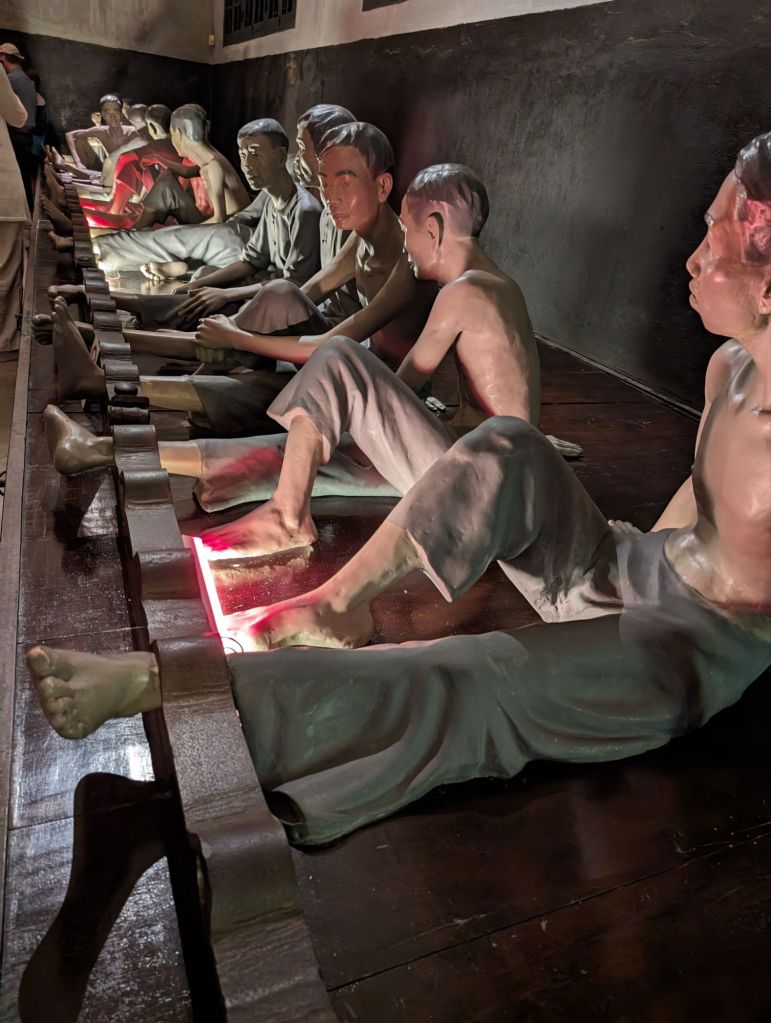
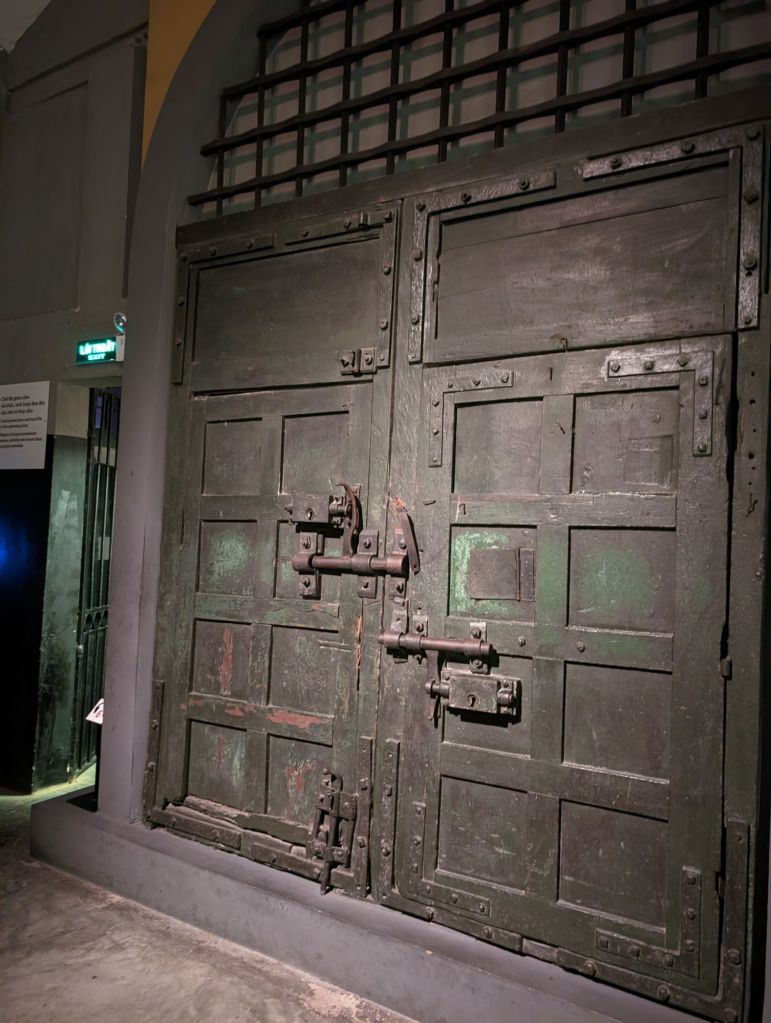
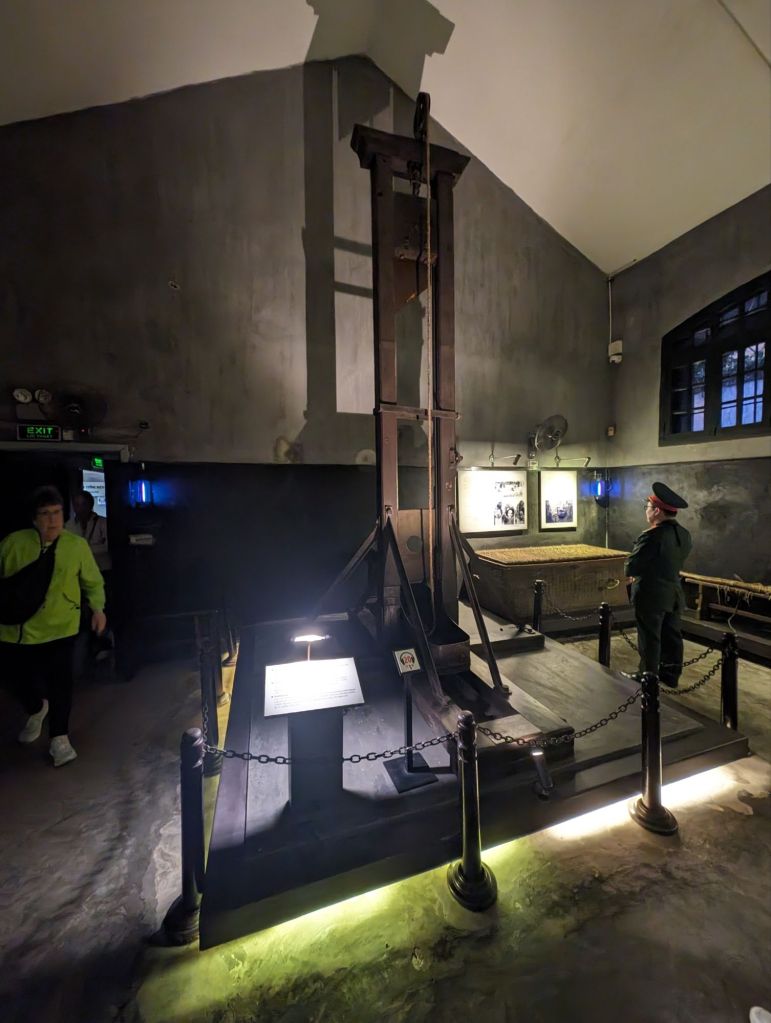
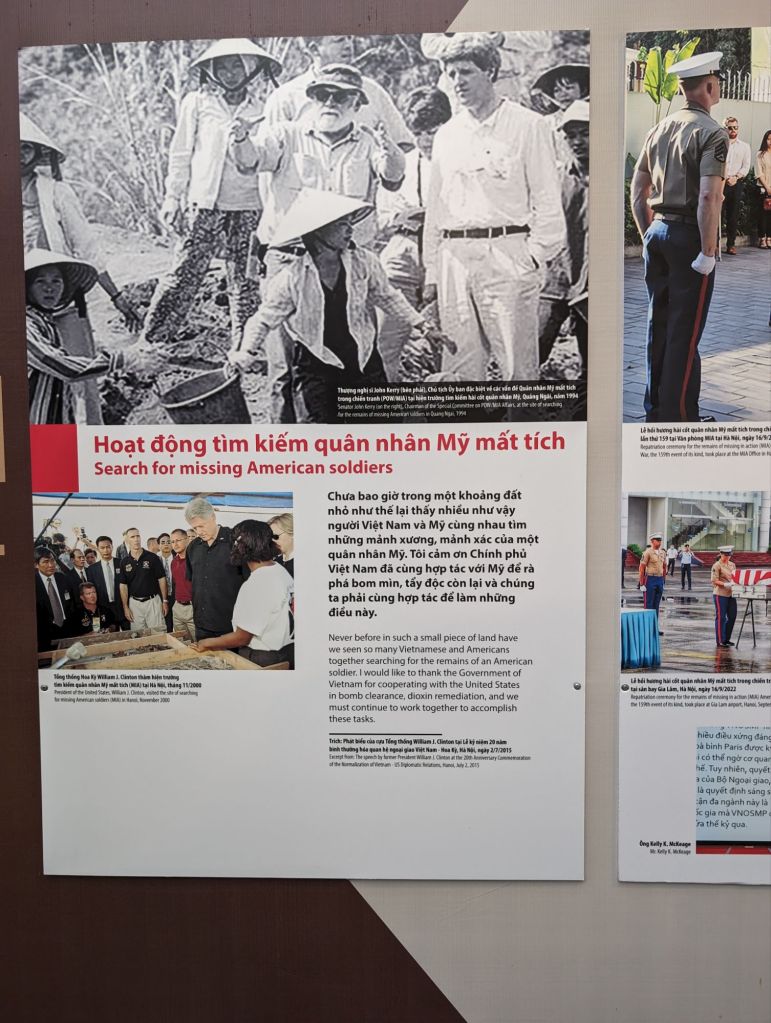
There were several rooms depicting the experience of American prisoners, which was unsurprisingly described in different terms. The opportunity for soldiers to send letters home and celebrate their own holidays was stressed. Below, the exhibit describes the post war cooperation between the U.S. and Vietnam to find the remains of missing American soldiers and to clear landmines placed by Americans.
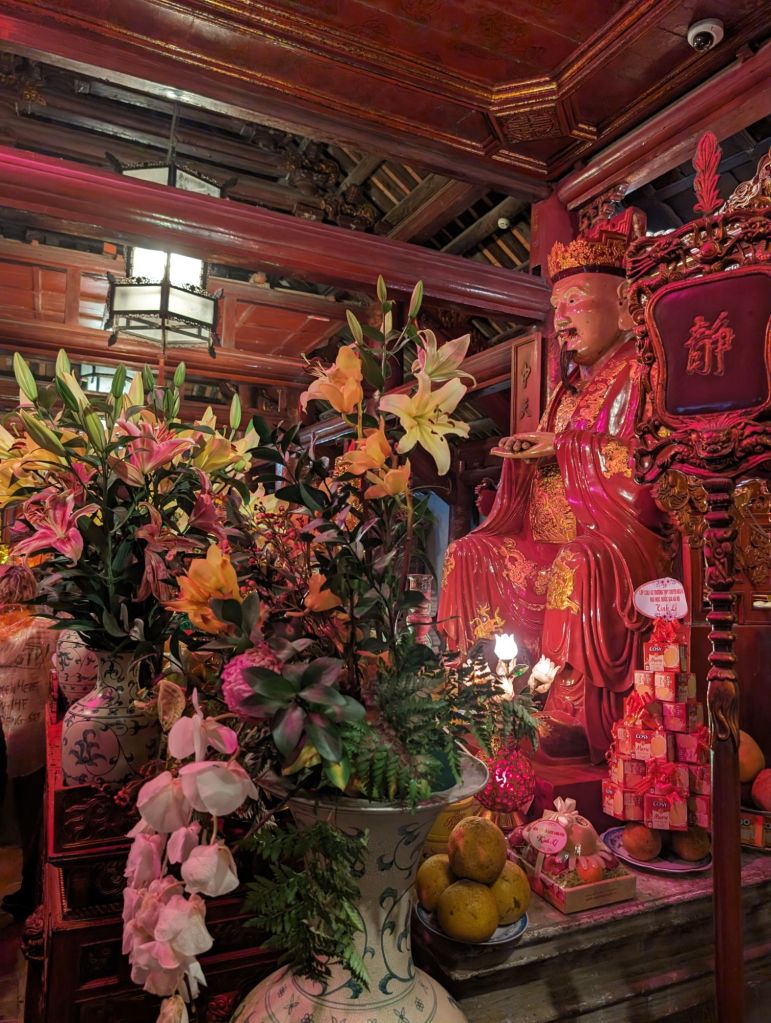
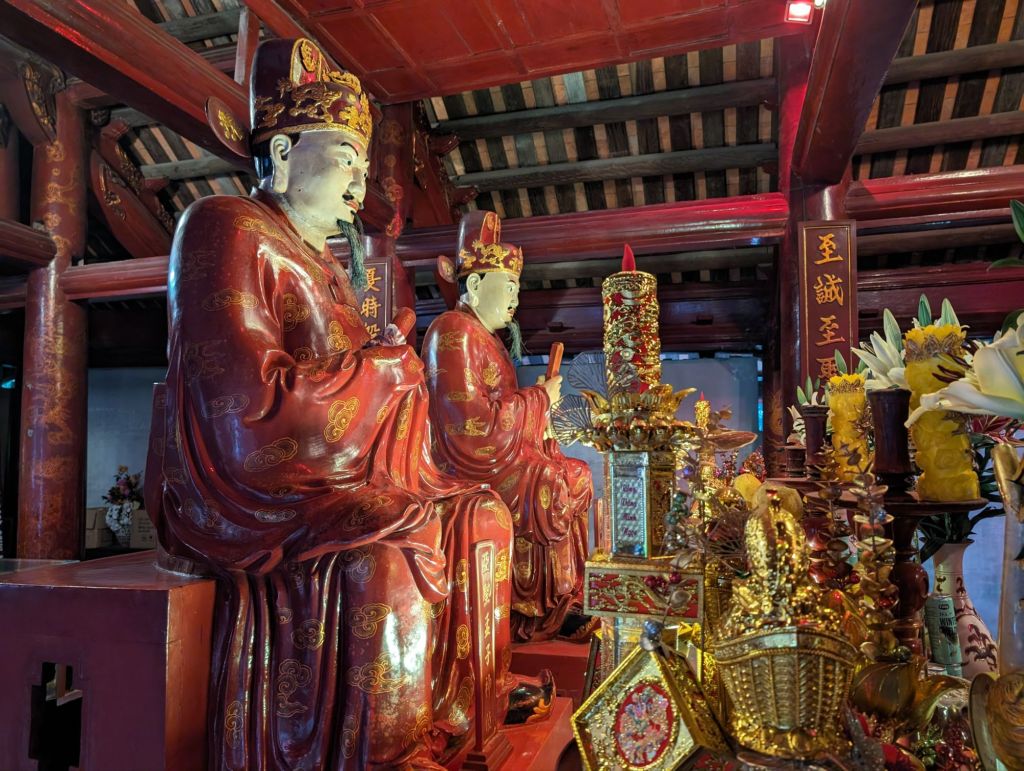
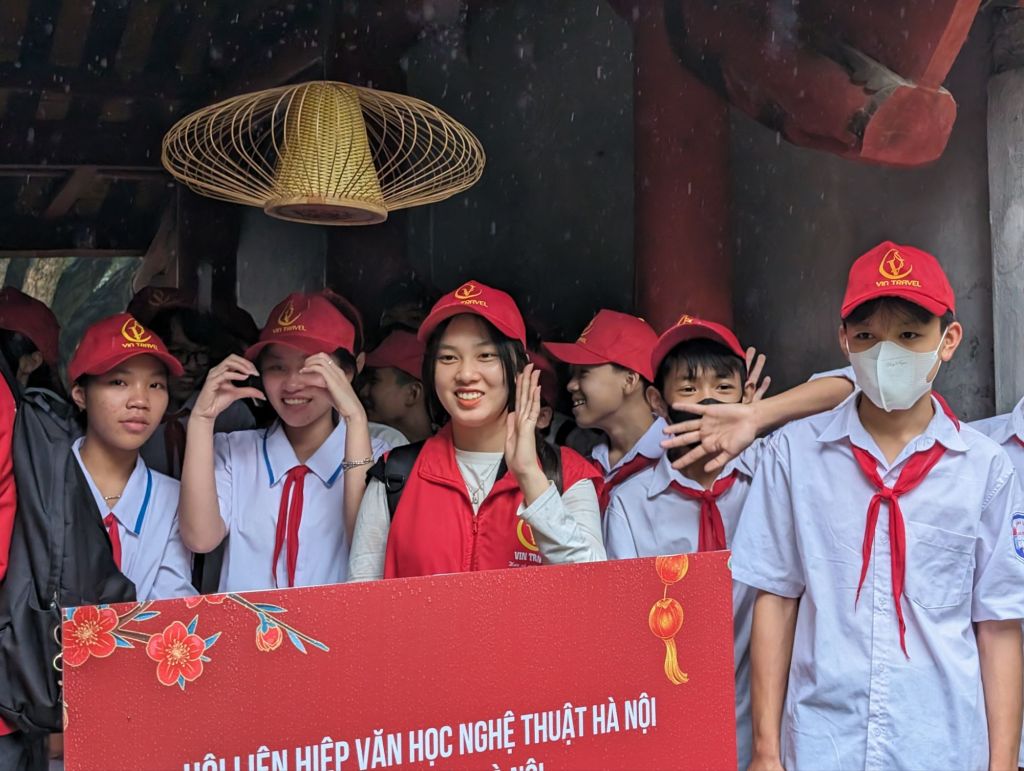
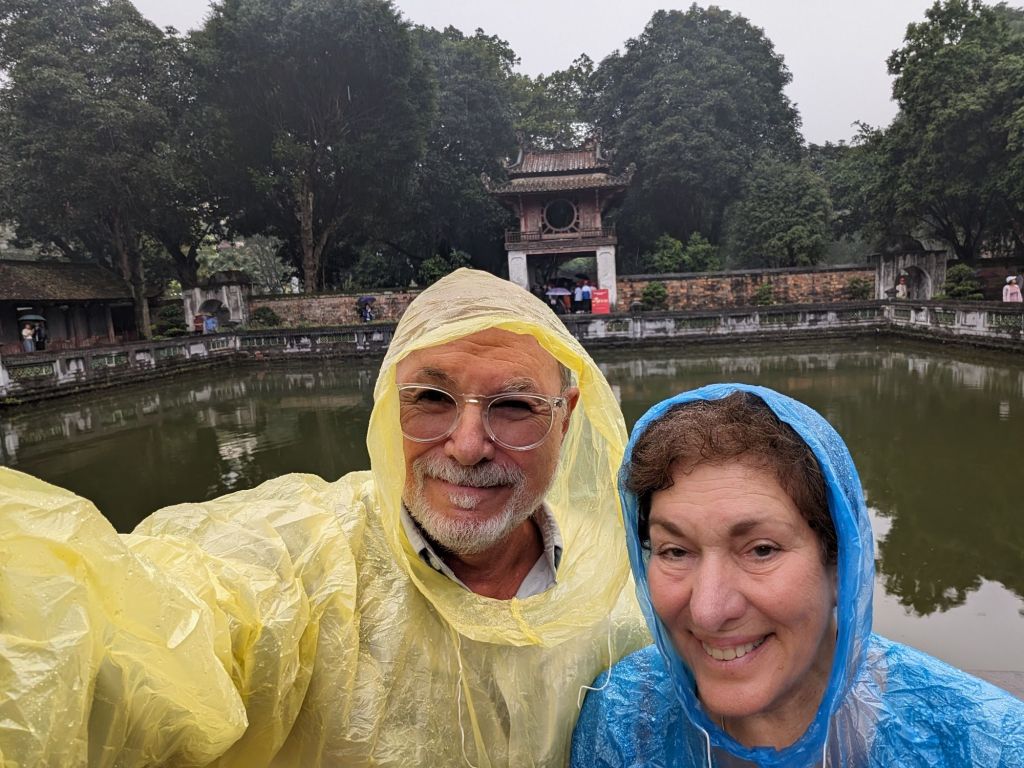
We visited The Temple of Literature, or Van Mieu, built over a thousand years ago and one of the oldest universities in the world. Originally it was founded to worship the sages and saints of Confucianism, but it soon became a National University. Today the shrines to Confucius and his sages still exist and people were praying to them. Students pray to Confucius for success in their exams, we were told. We arrived on the farmers festival day and, despite the rain, there were lots of celebrations going on.
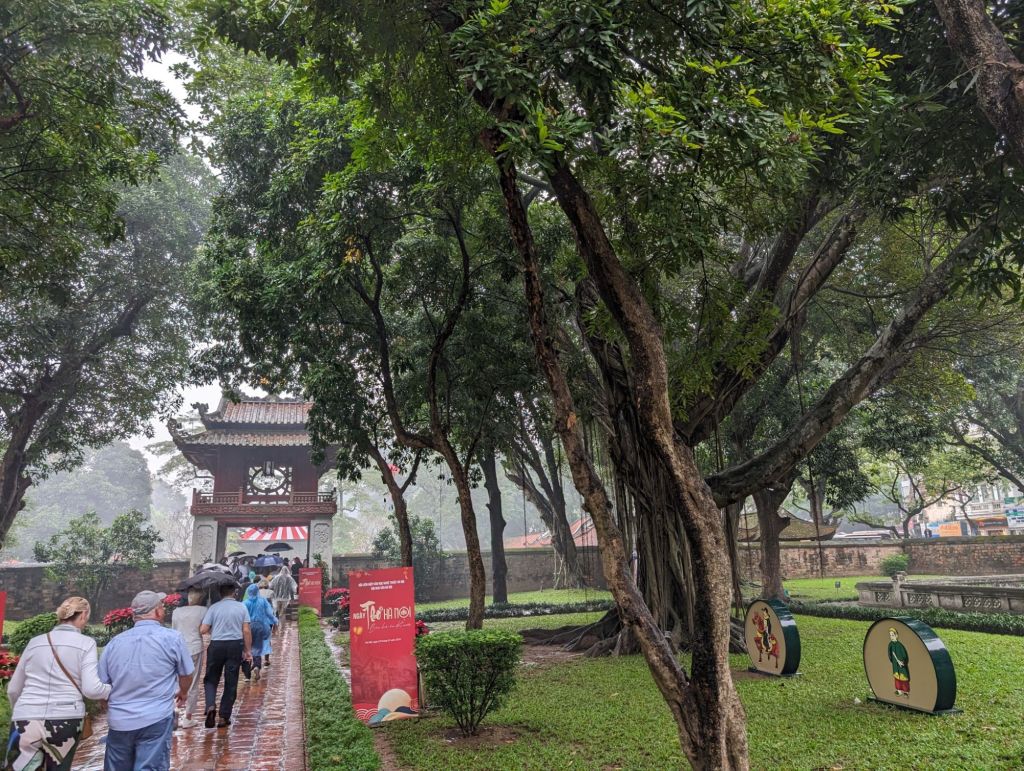
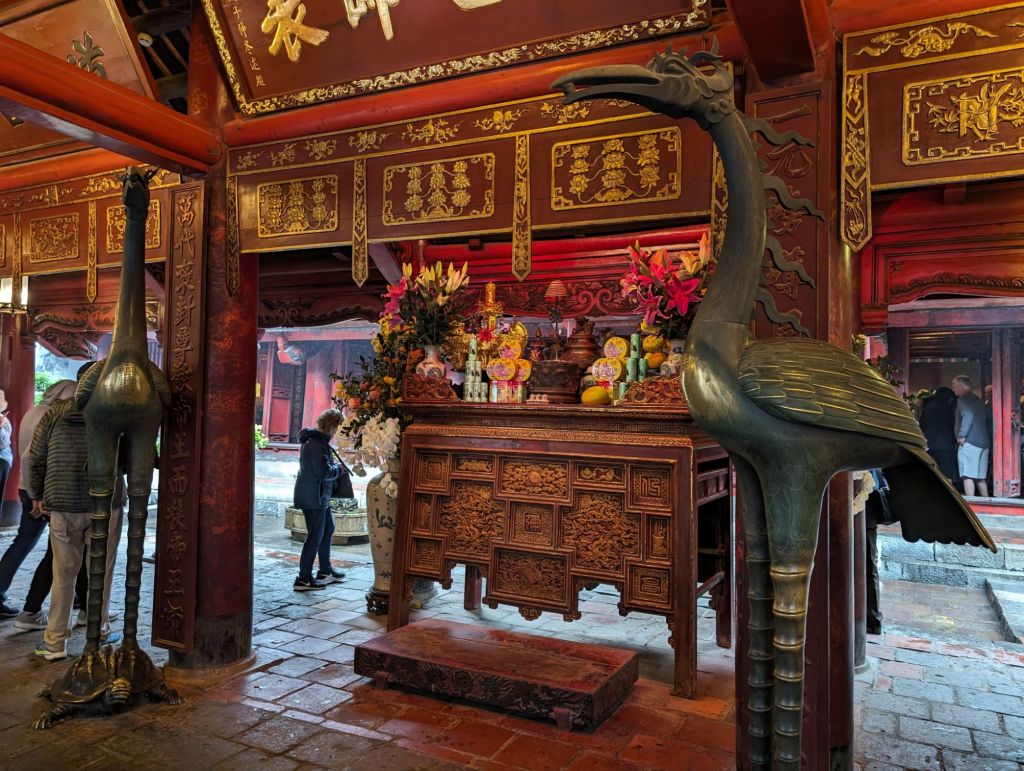
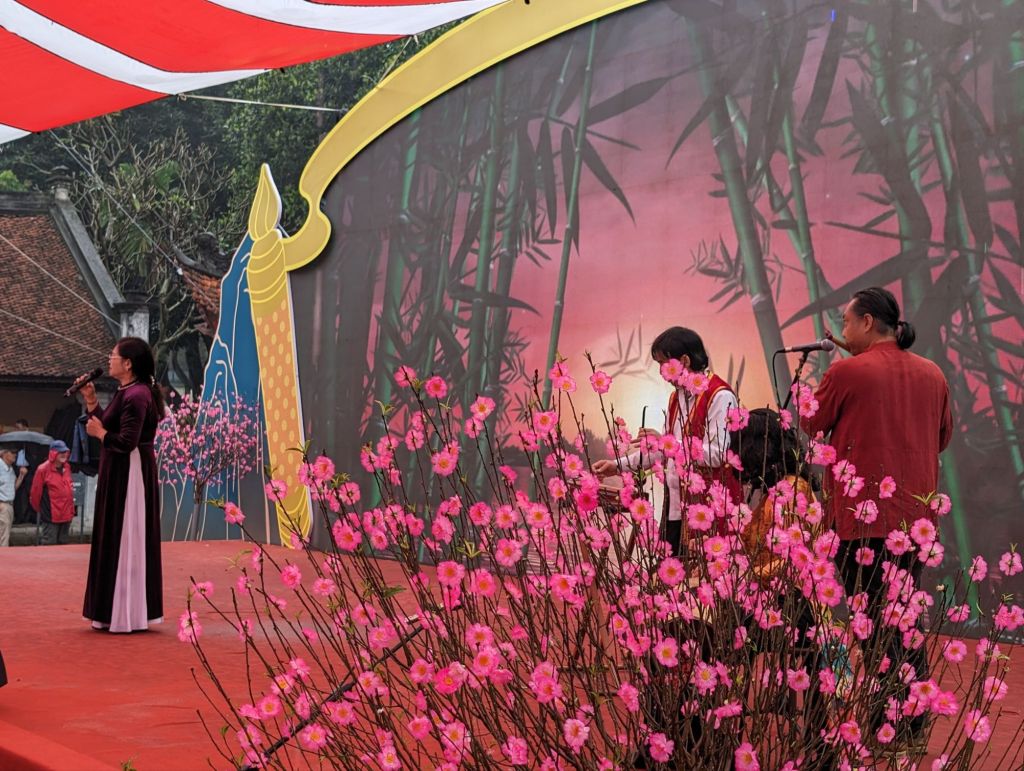
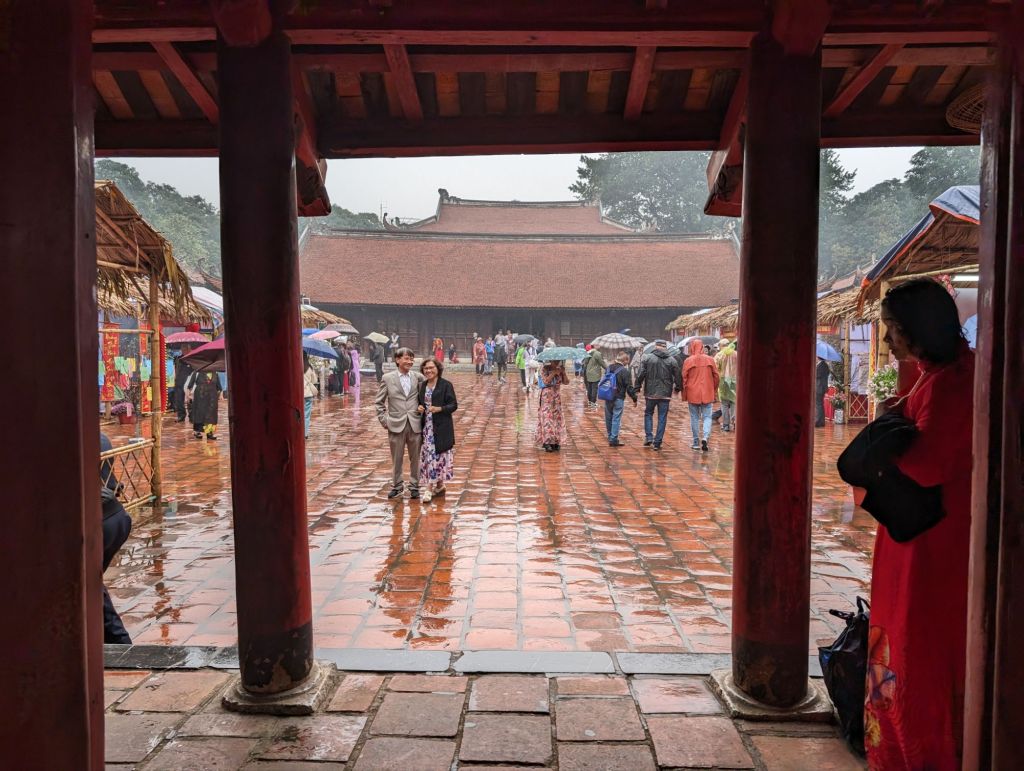
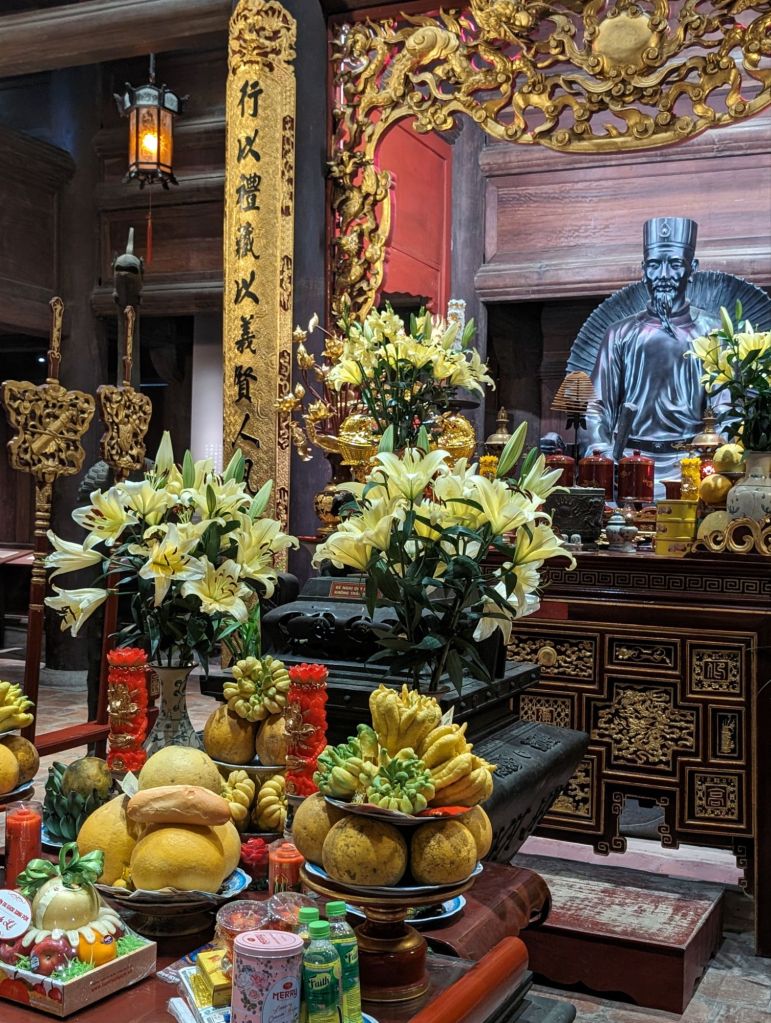

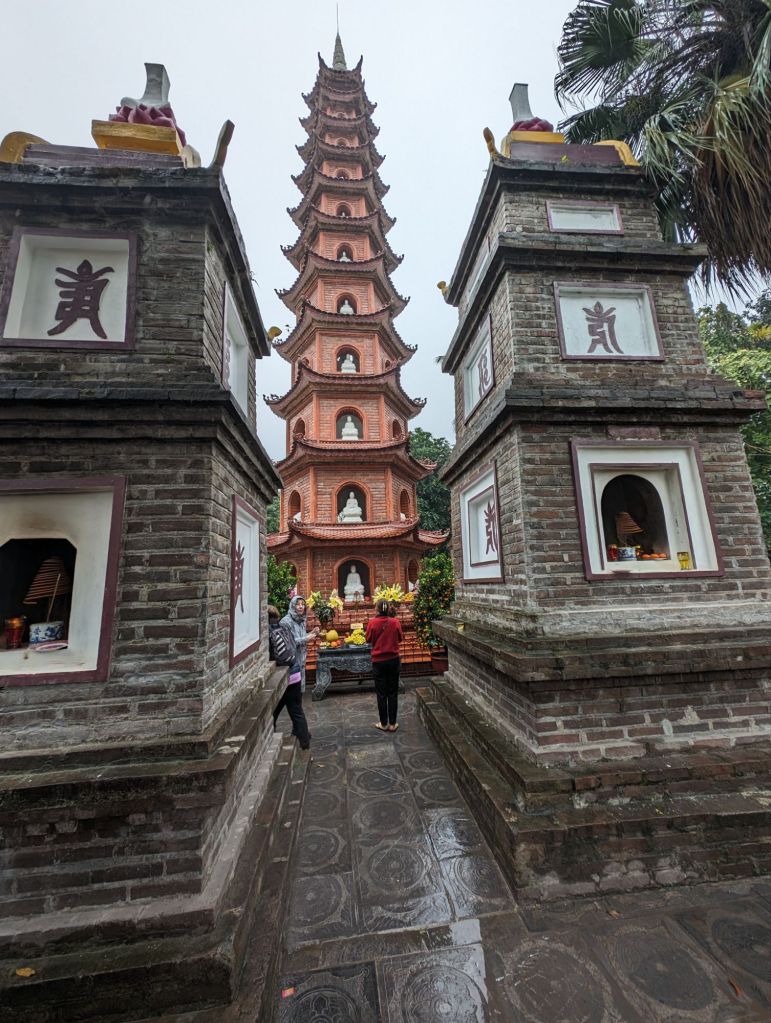
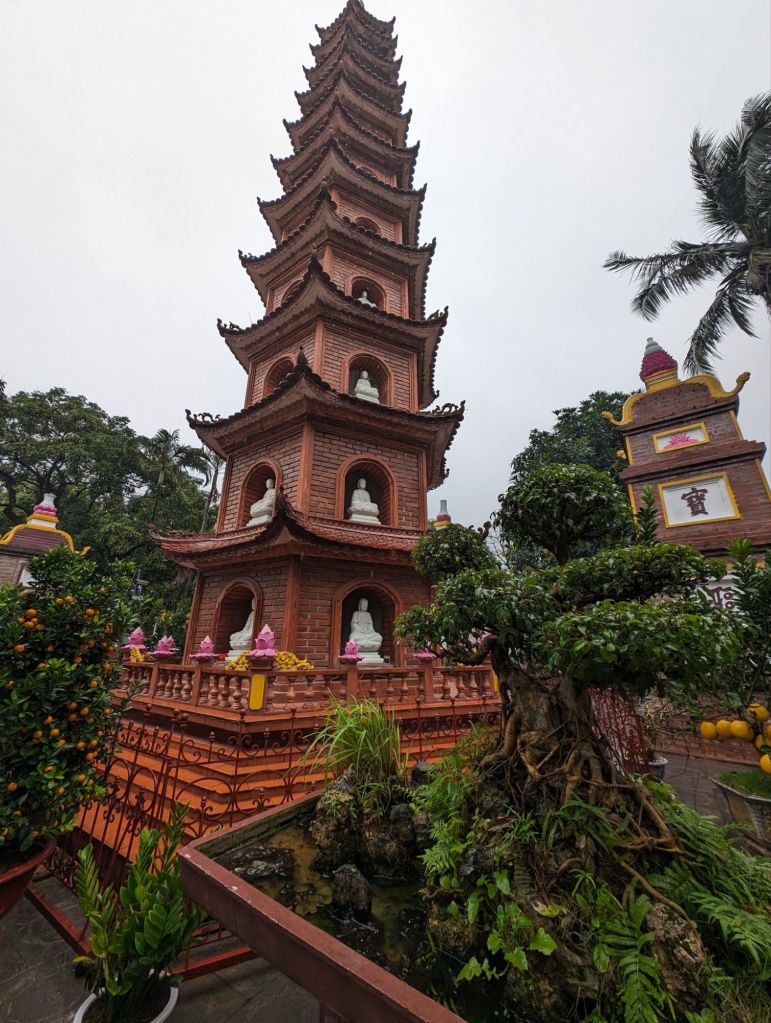
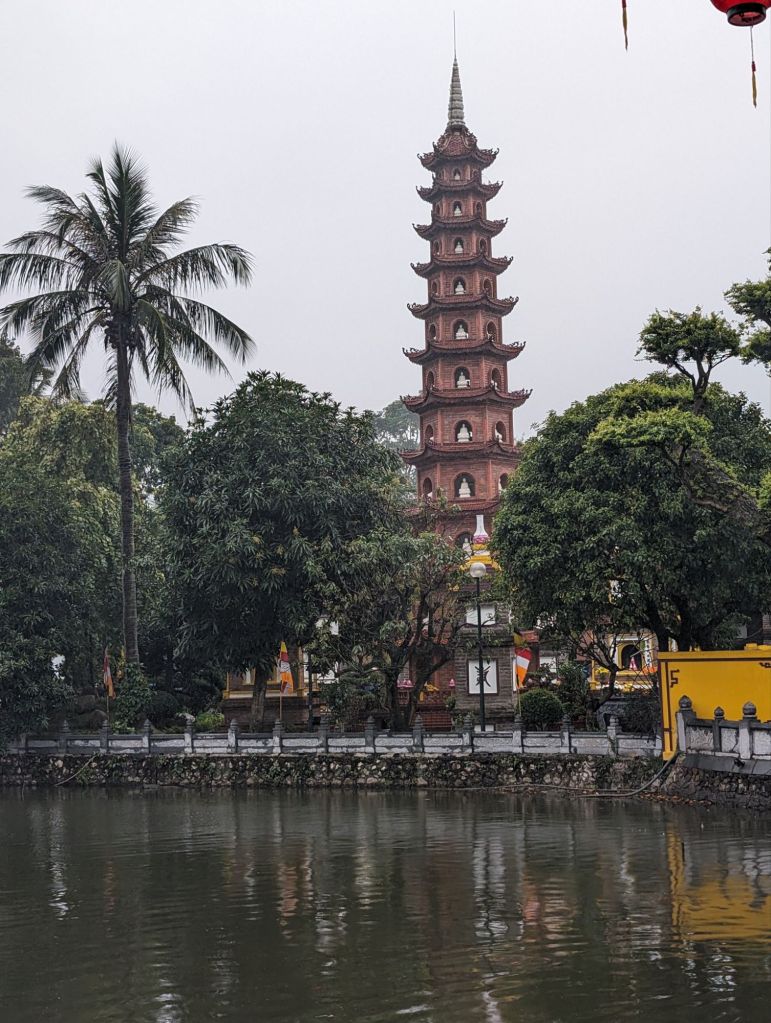
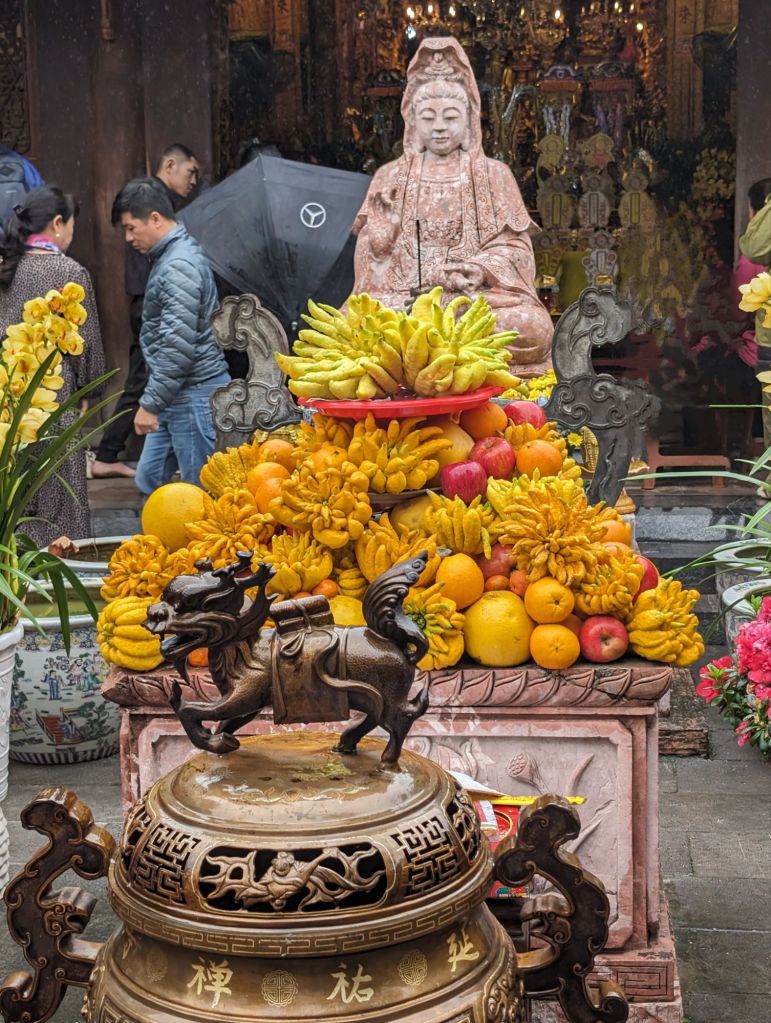
Below is the Tran Quoc Pagoda. This is the oldest Buddhist temple in Hanoi with a history of over 1,500 years. It’s a unique form of Buddhist architecture. The temple sits by a lovely lake, which is pictured below.
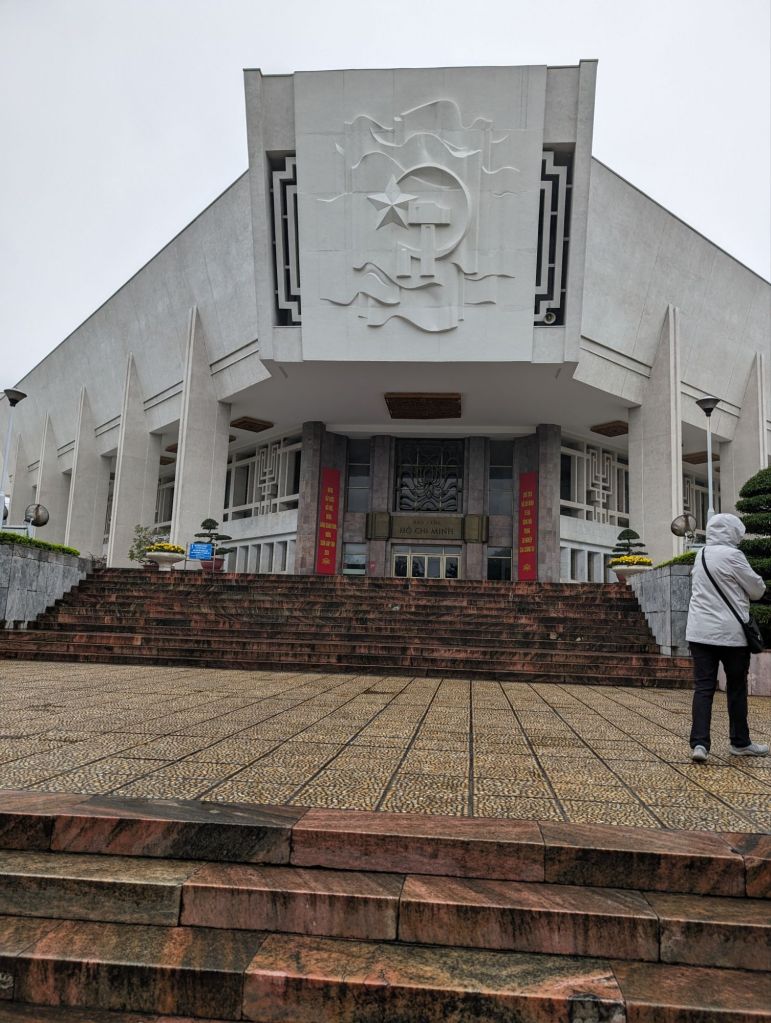
We only saw the outside of Ho Chi Minh Museum, dedicated to the life and career of the much revered leader. It was closed the day we arrived.
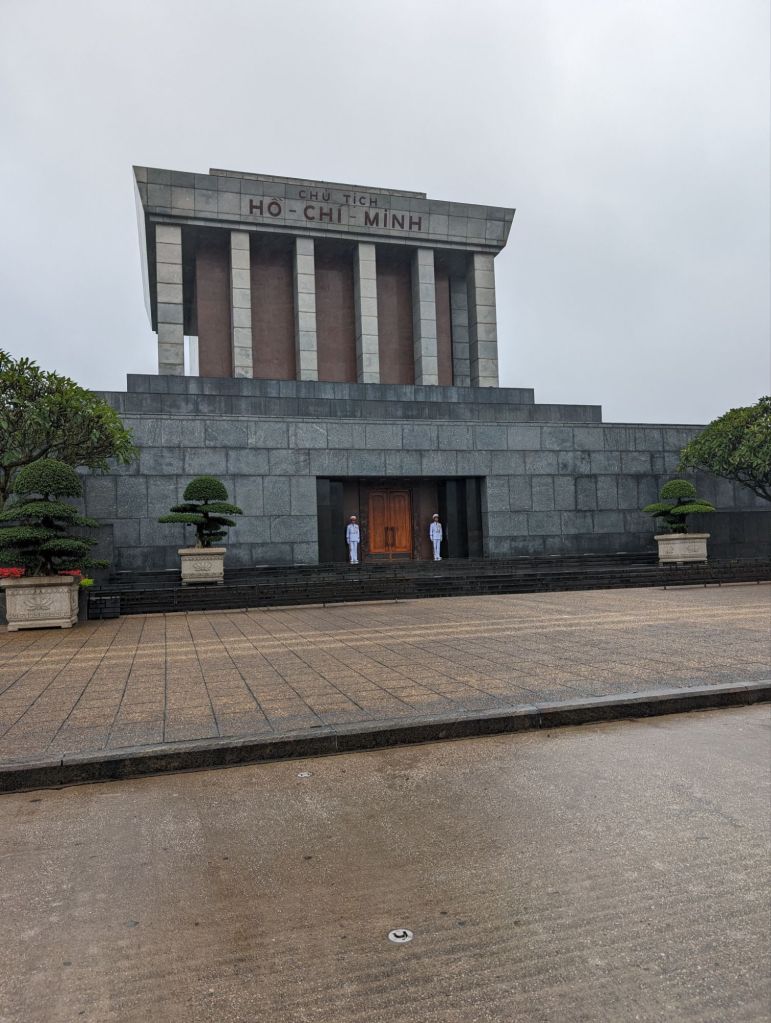
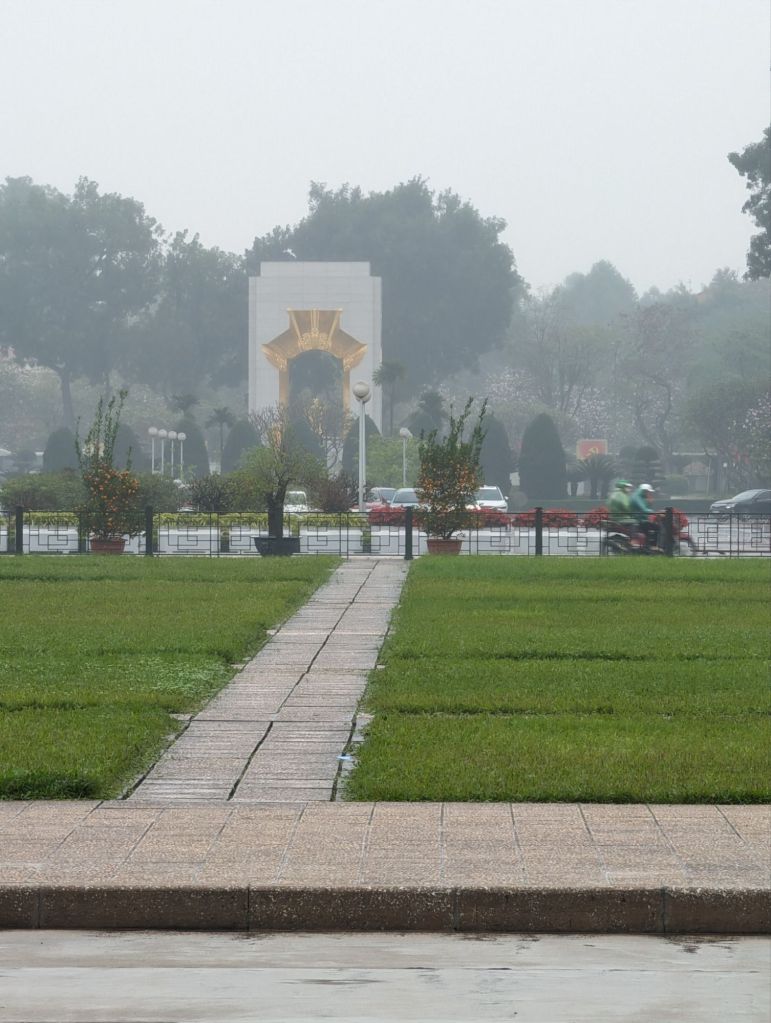
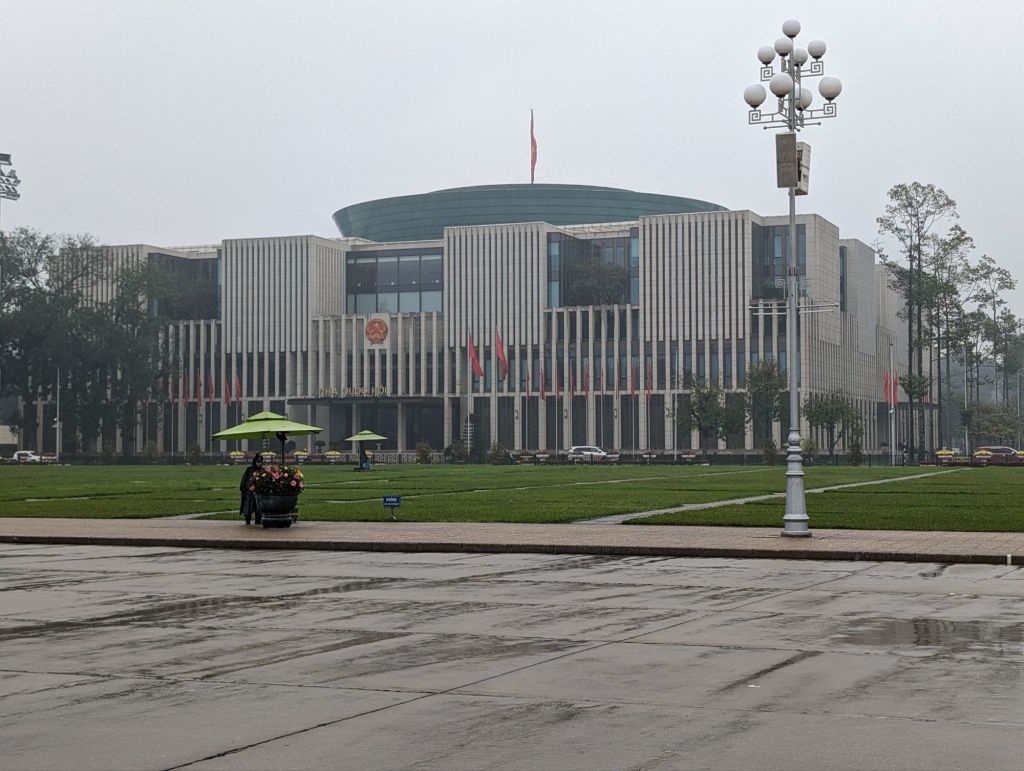
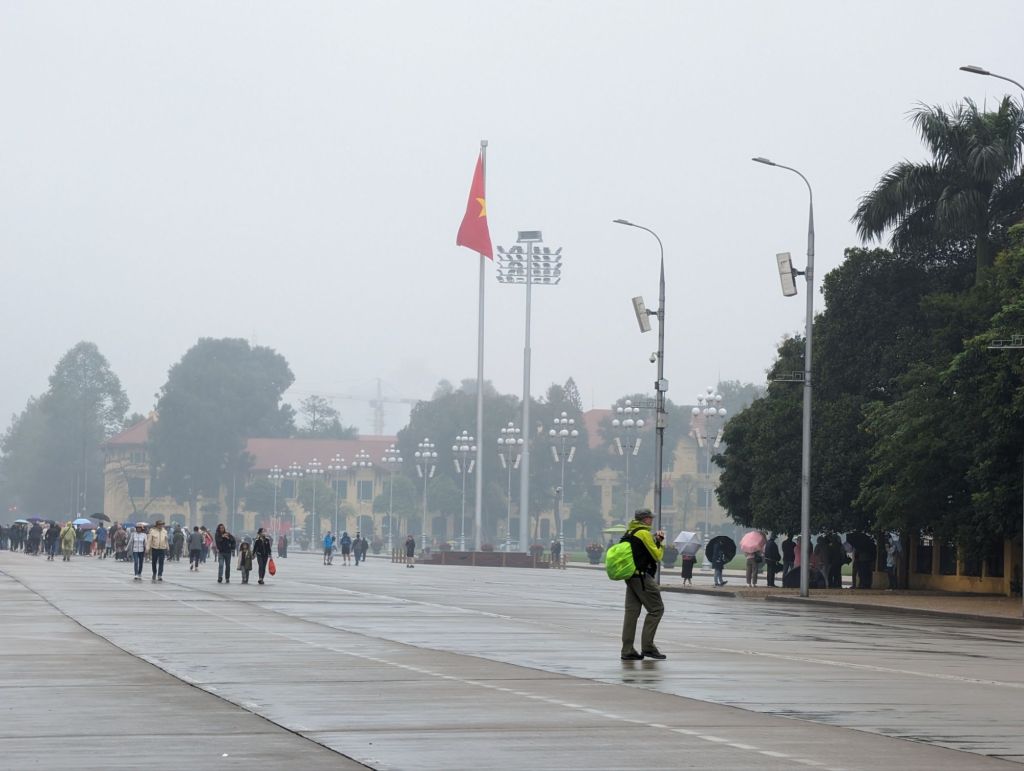
We ended our day at the forbidding looking Ho Chi Minh mausoleum. It sits on a huge mall facing a gate dedicated to fallen soldiers.
 J and J Travel