This eastern coastal city has changed from a fishing harbor to one of Taiwan’s major international ports since the 1970’s. It’s also a city with a great deal of seismic activity, experiencing thousands of earthquakes a year. We didn’t notice any during our uneventful day here.
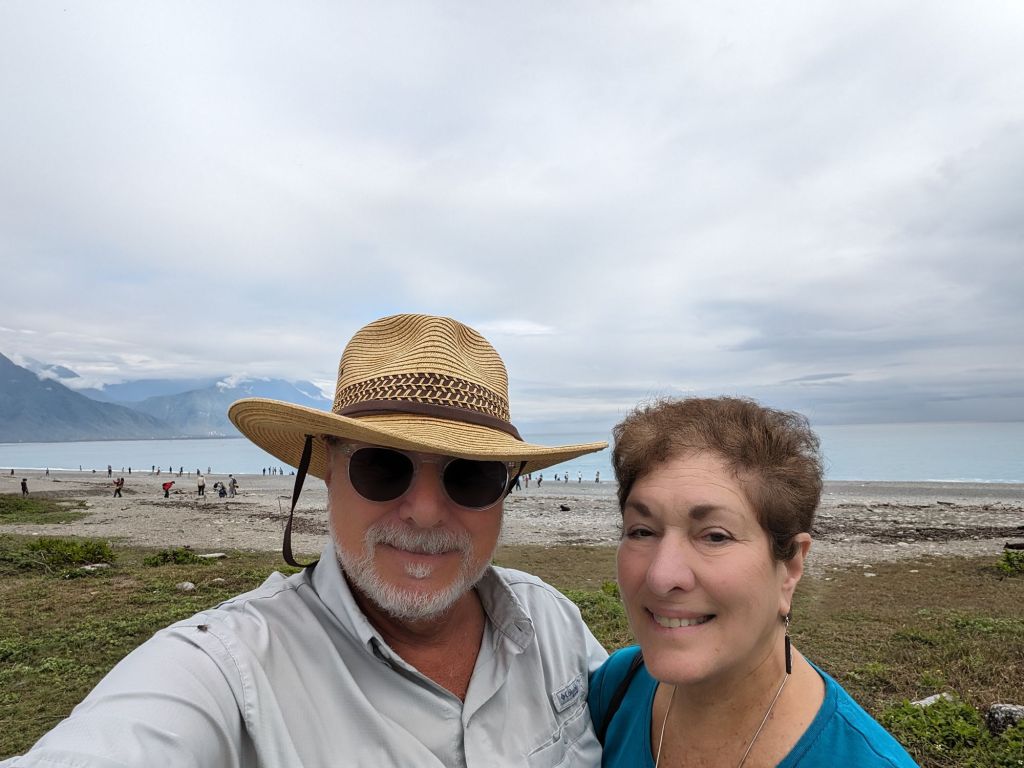
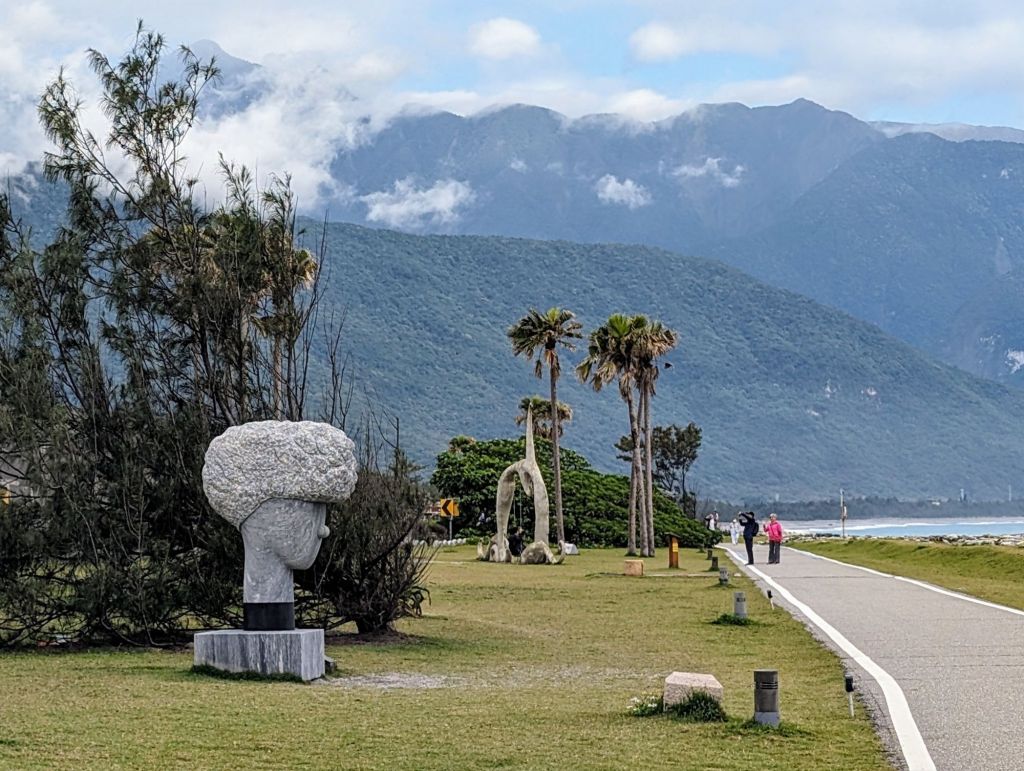
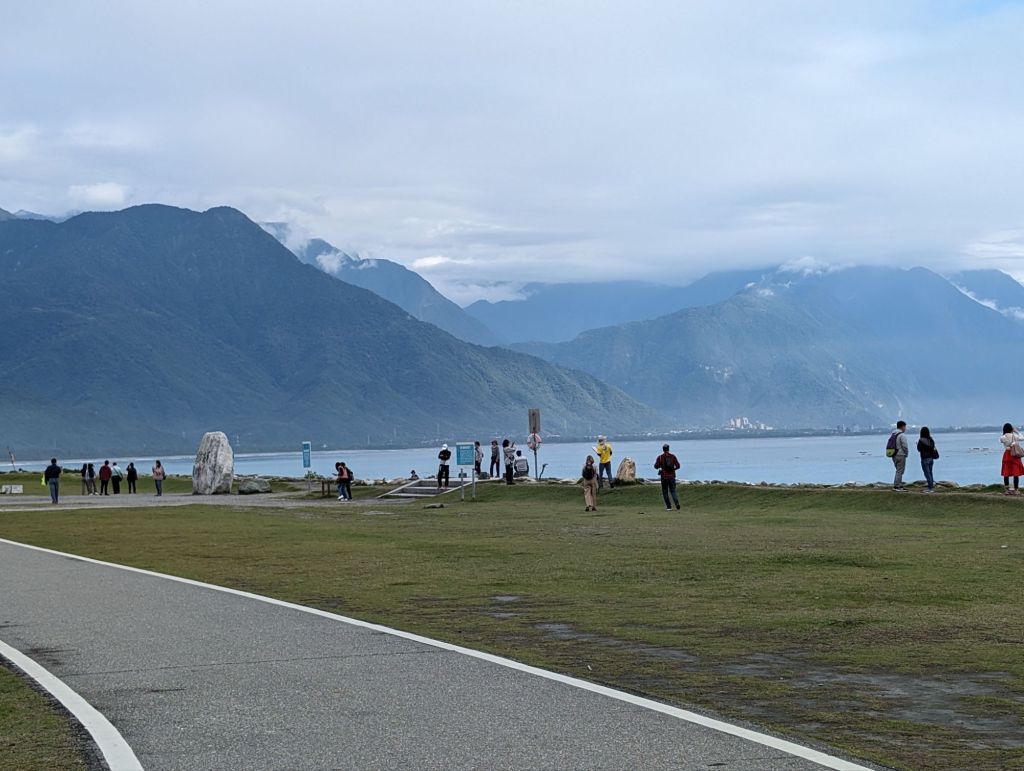
The popular Qixingtan beach has a long beach walk with stone sculptures and a bike path. The Pacific water here is too dangerous to swim in, but people enjoy walking and biking and taking in the views.
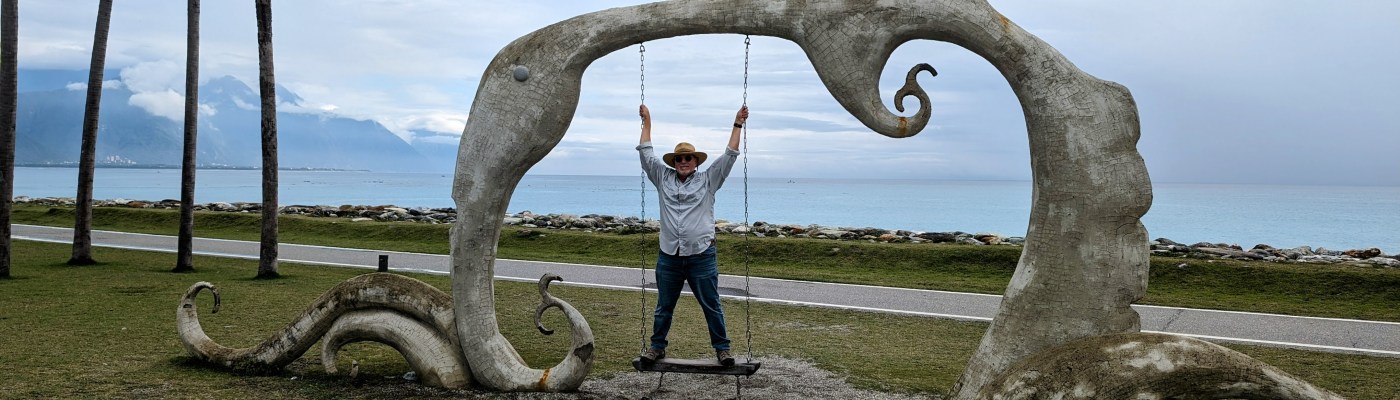
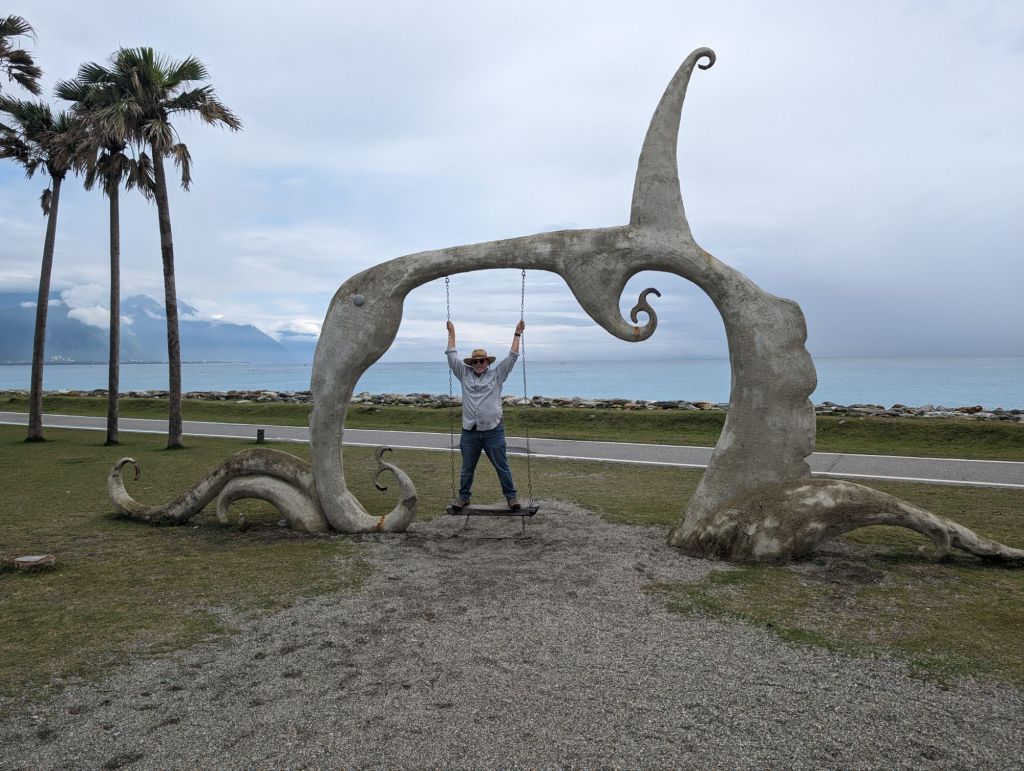
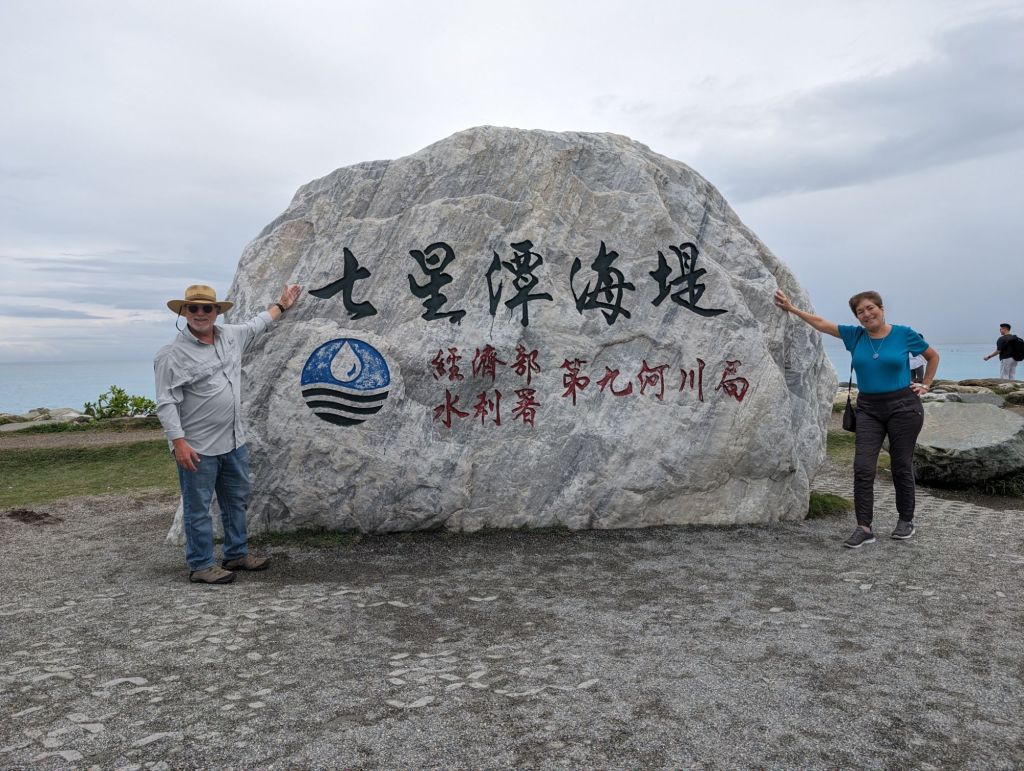
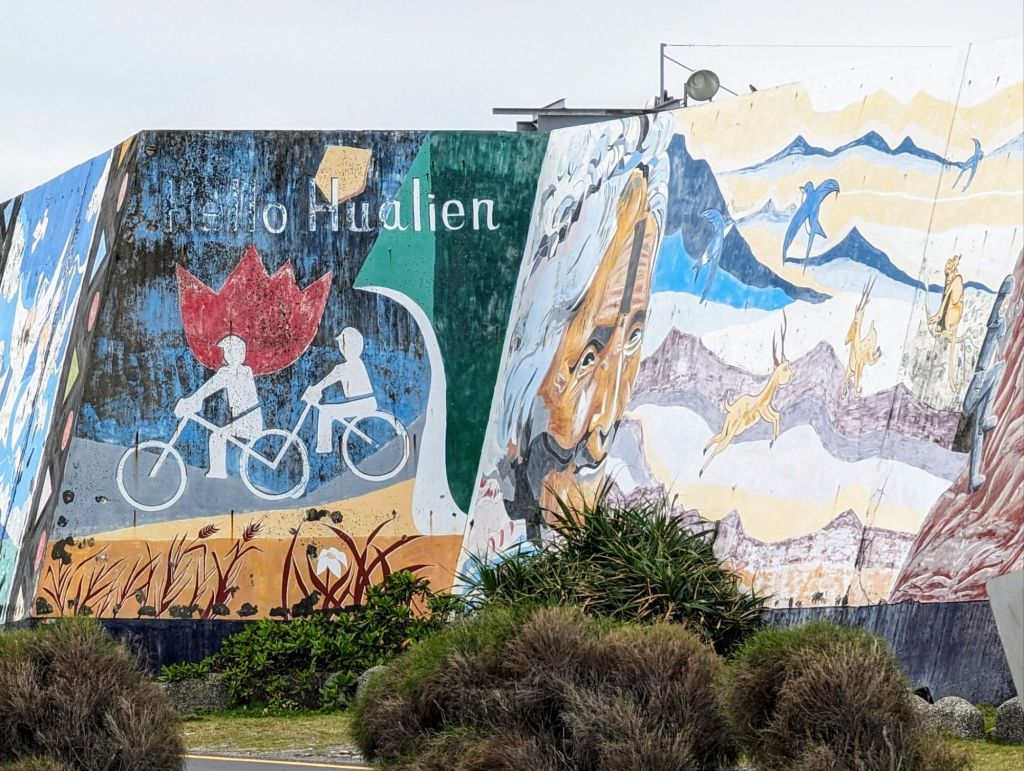
The sculptures on this beach are all made from marble quarried from nearby mountains.This sculpture is a mola fish. The swing hanging from it is for people to sit and contemplate the beauty of the sea.People were lined up to take pictures with this rock. We assumed the inscription had some special religious or good luck significance. Google translate informed us it was the name of the beach.The woman on the right side of the beach wall mural is one of the Amis indigenous people of this area. The women tattoo their cheeks and forehead. The men tattoo their chins.
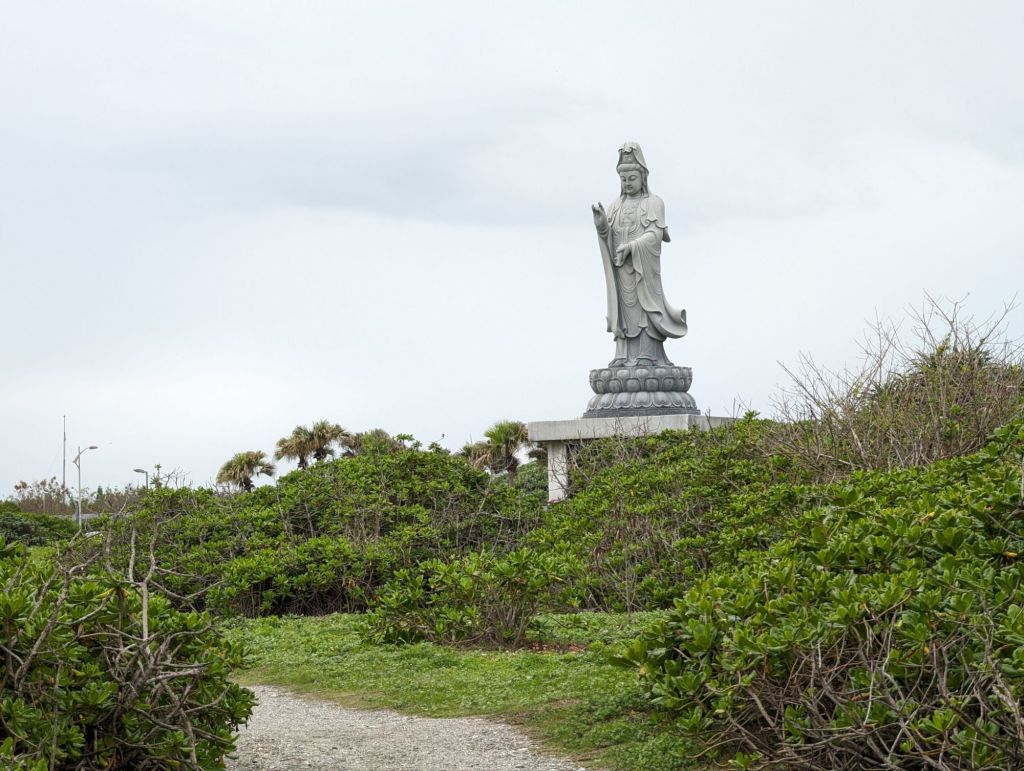
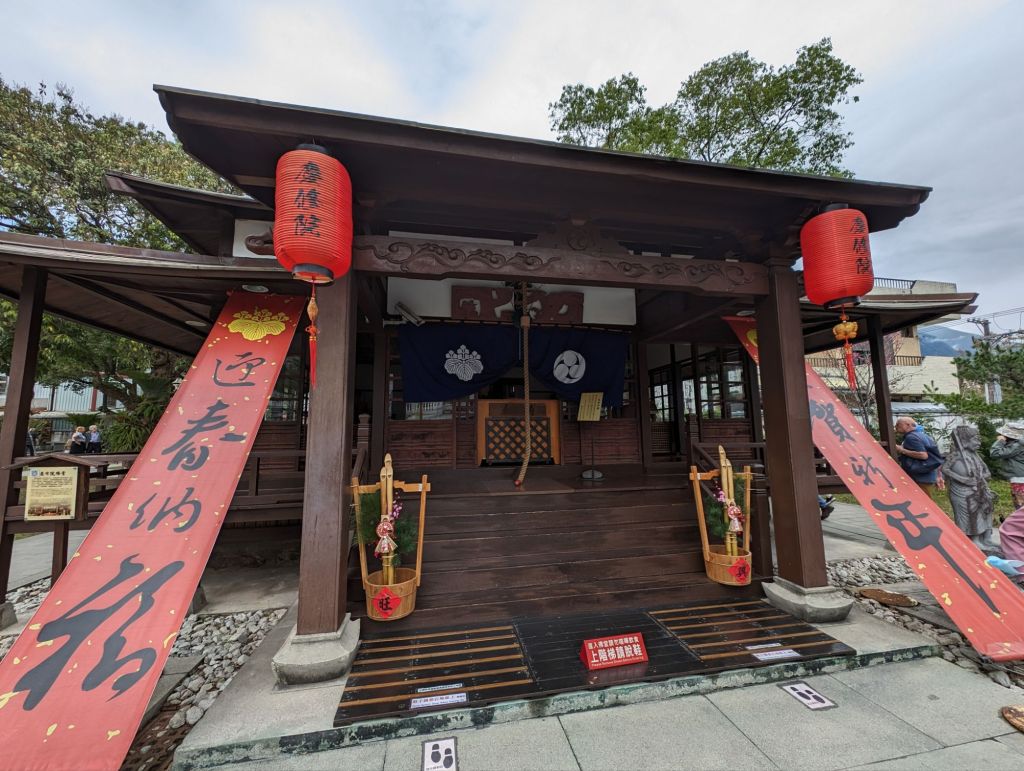
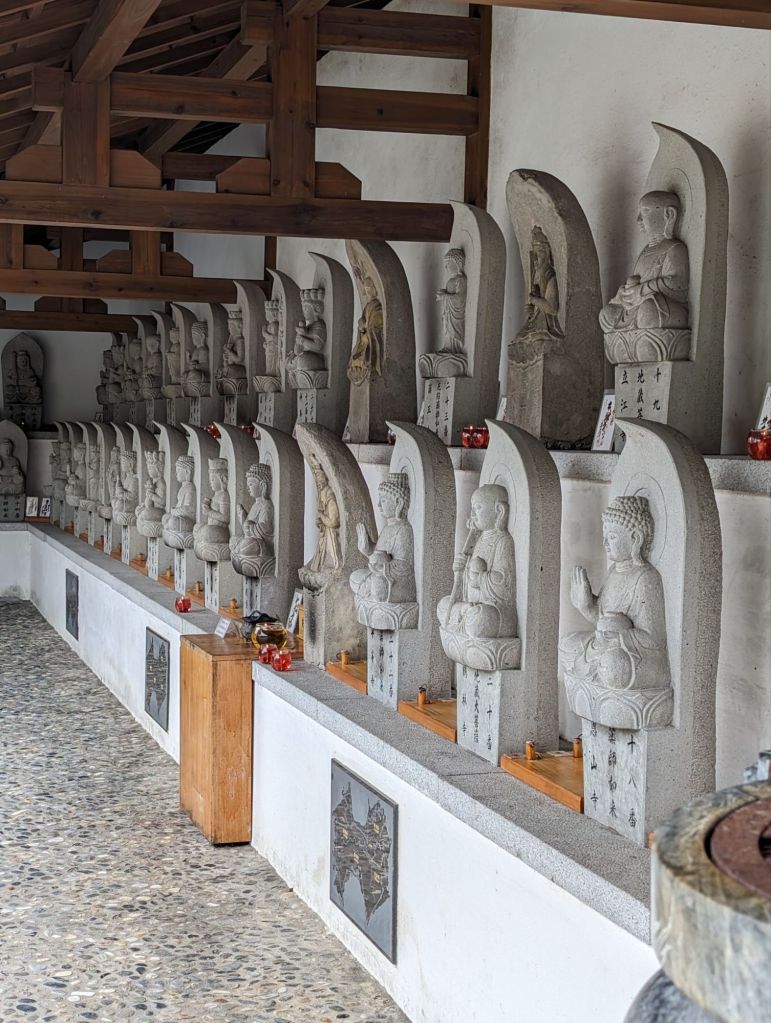
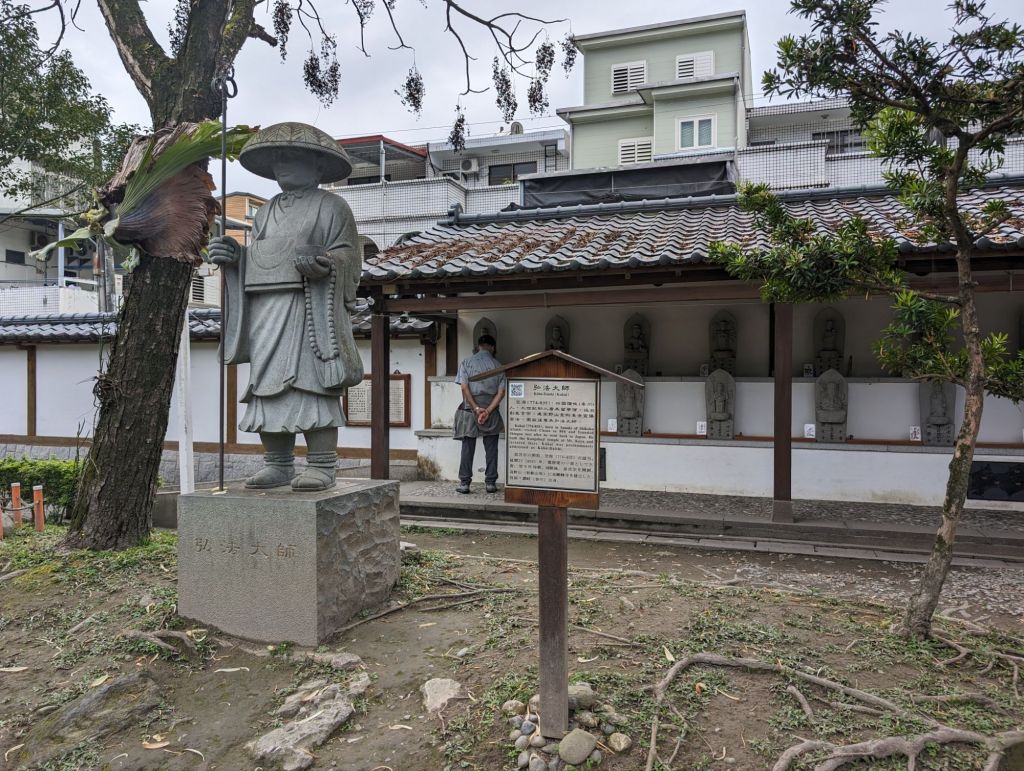
The Jian Chinxiu Temple is part of the thousand-year-old Shingon sect of Buddhism. This small Temple complex was designated a Heritage site by Taiwan due to its historic Japanese style architecture.
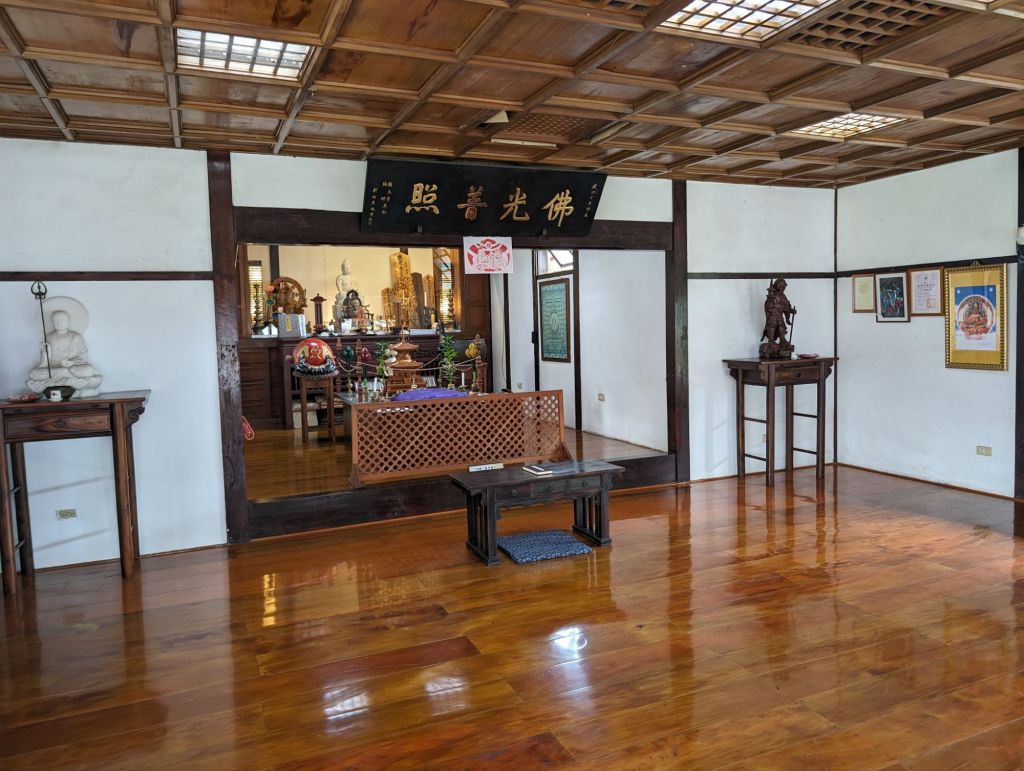
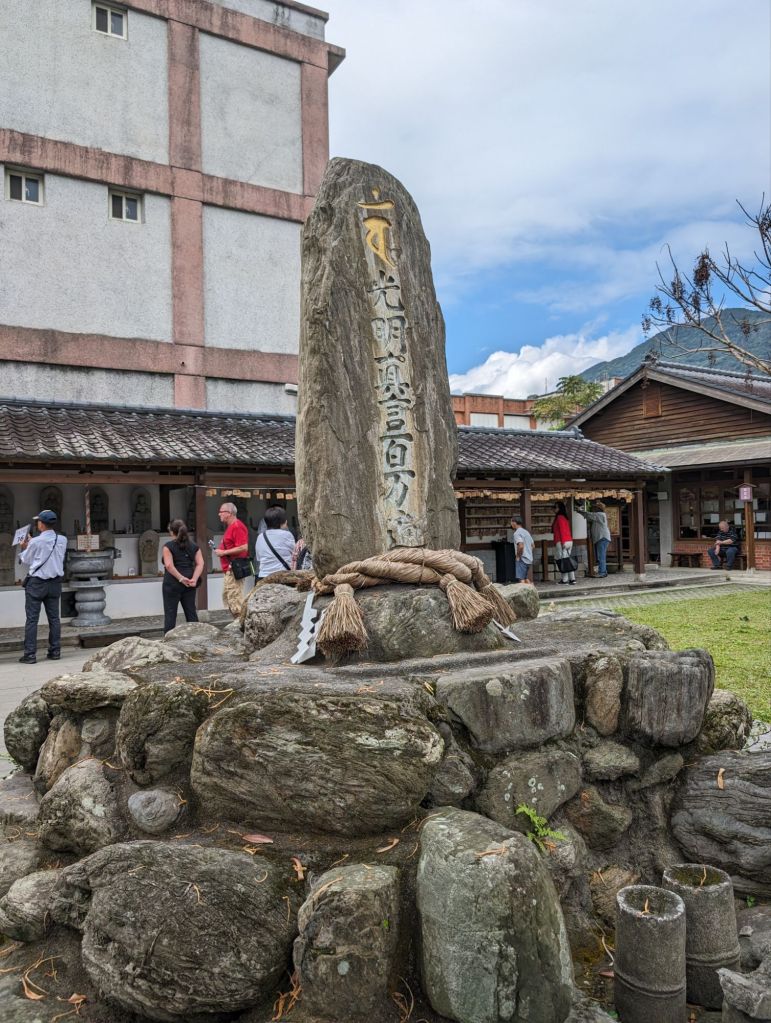
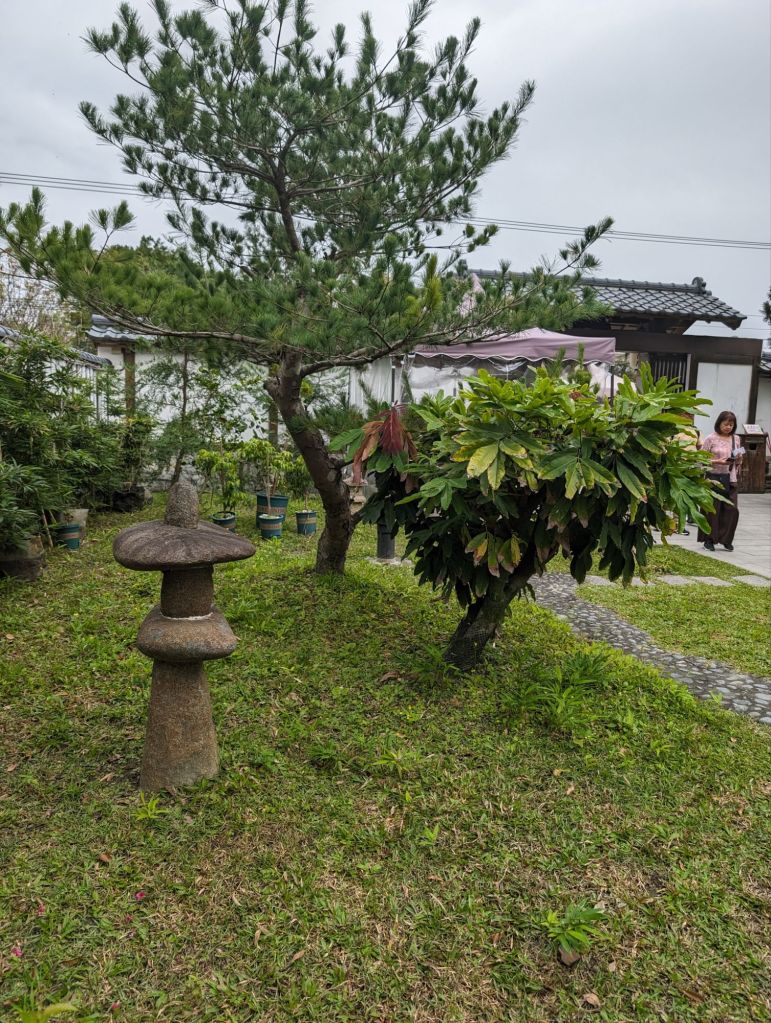
The small shrine is a niche inside the hall of the main prayer building. The carvings on this stone depict the basic mantra Shingon followers are required to repeat a million times. Saying this mantra is supposed to bring light into darknessThere are 88 Stone statues of Buddha on these walls, representing the 88 temples on the island of Shikoku. The followers of Shingon are supposed to visit each of these temples, which are spread out over more than a thousand kilometers. But in the 19th century, a miniature version of this pilgrimage was made here.Most of the temples we have visited are kept in sheltered locations to help create a sense of serenity and detachment. This one was not. You can see the apartments looking down on the temple structures.
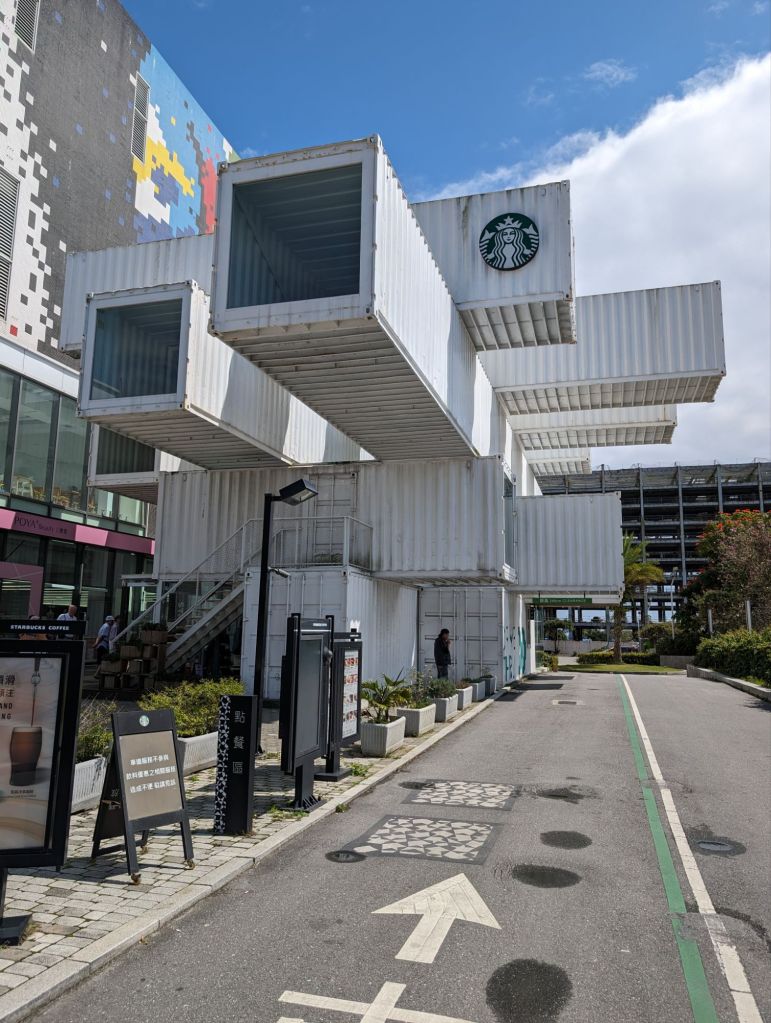
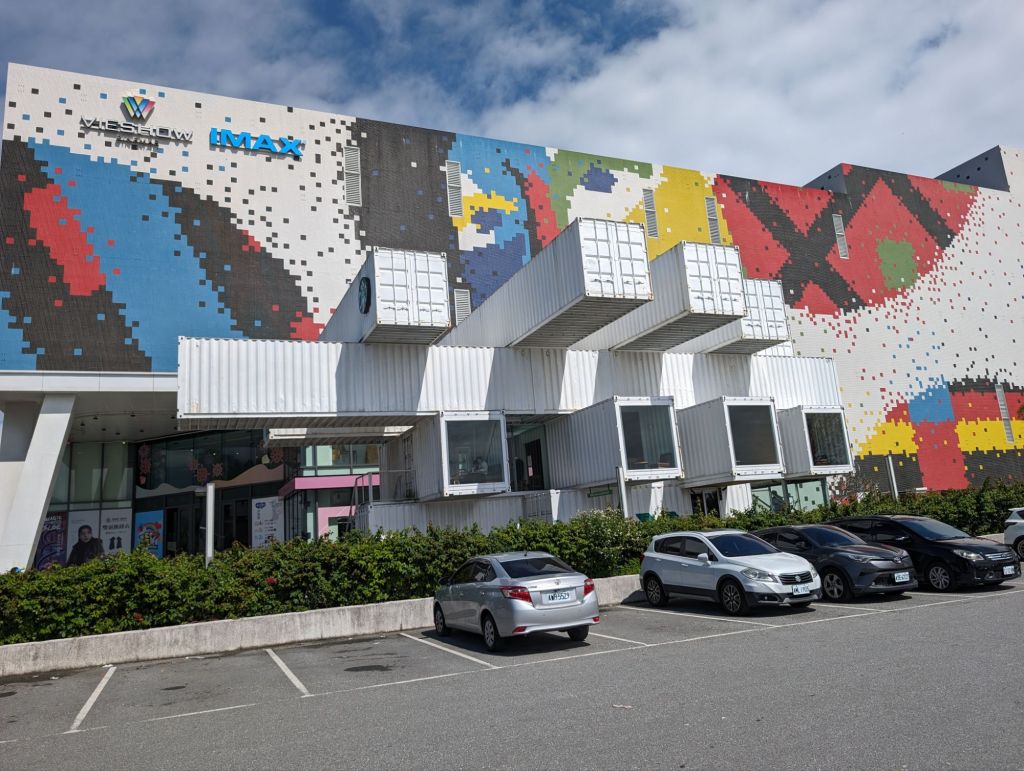
Sometimes on an excursion you get that, “Why are we here,” moment. This was one of them. We stopped to look at a Starbucks. A special Starbucks. It was built from 16 containers assembled in a lego-like structure. And it was attached to a mall.
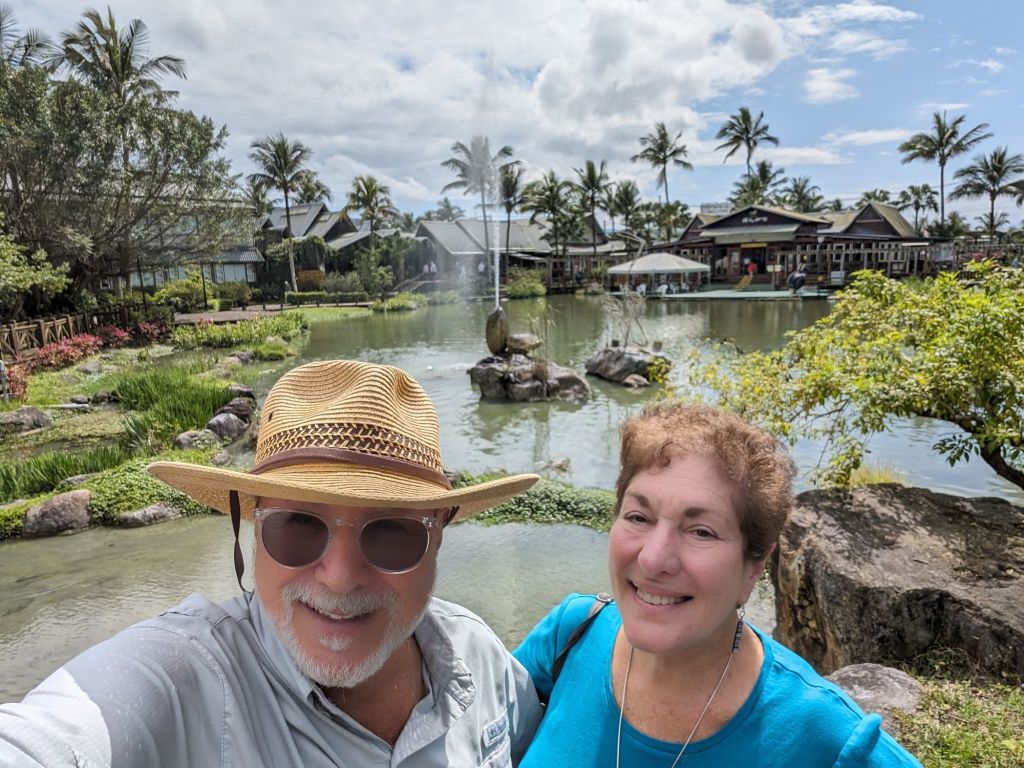
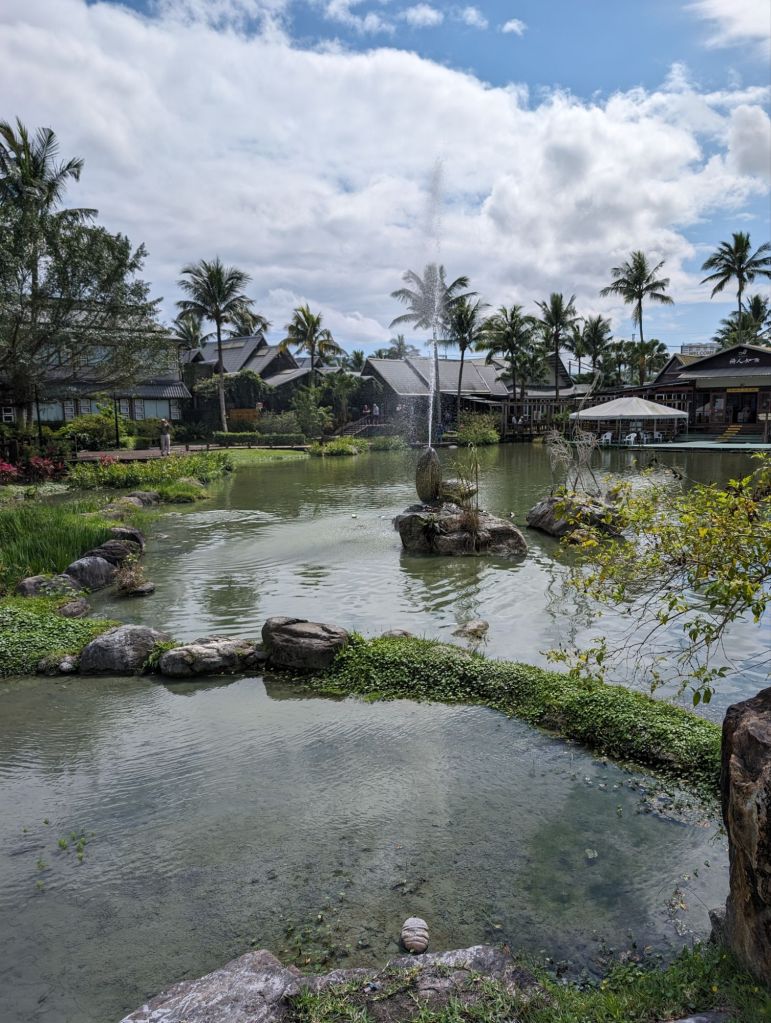
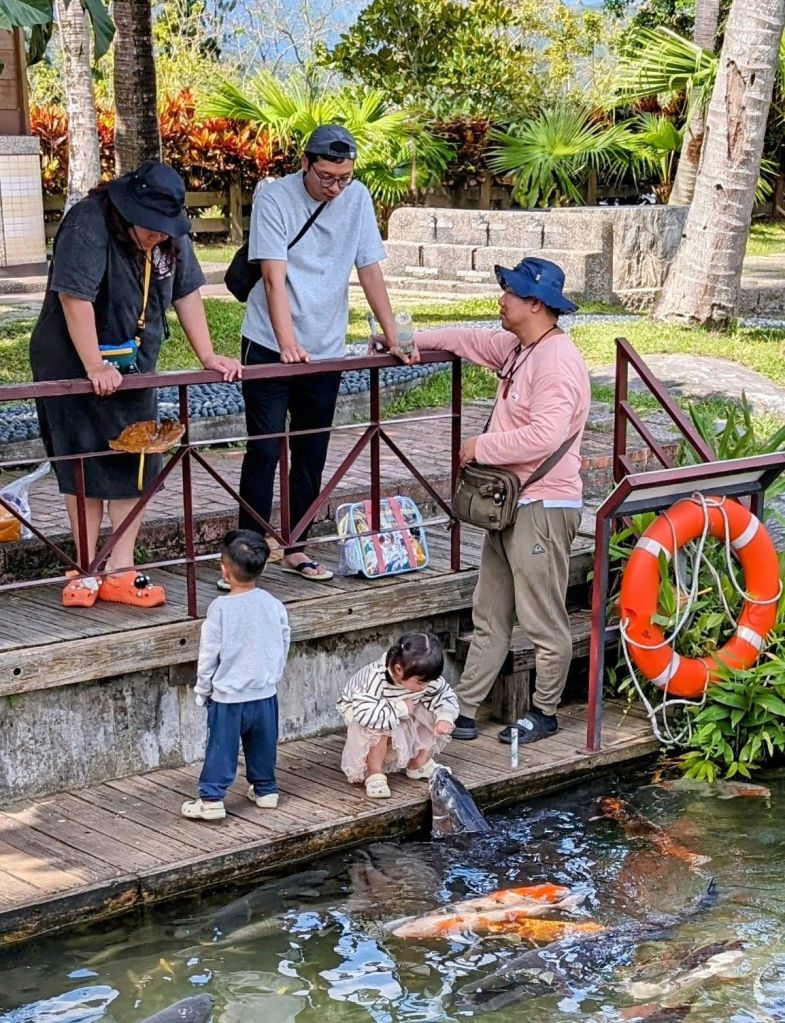
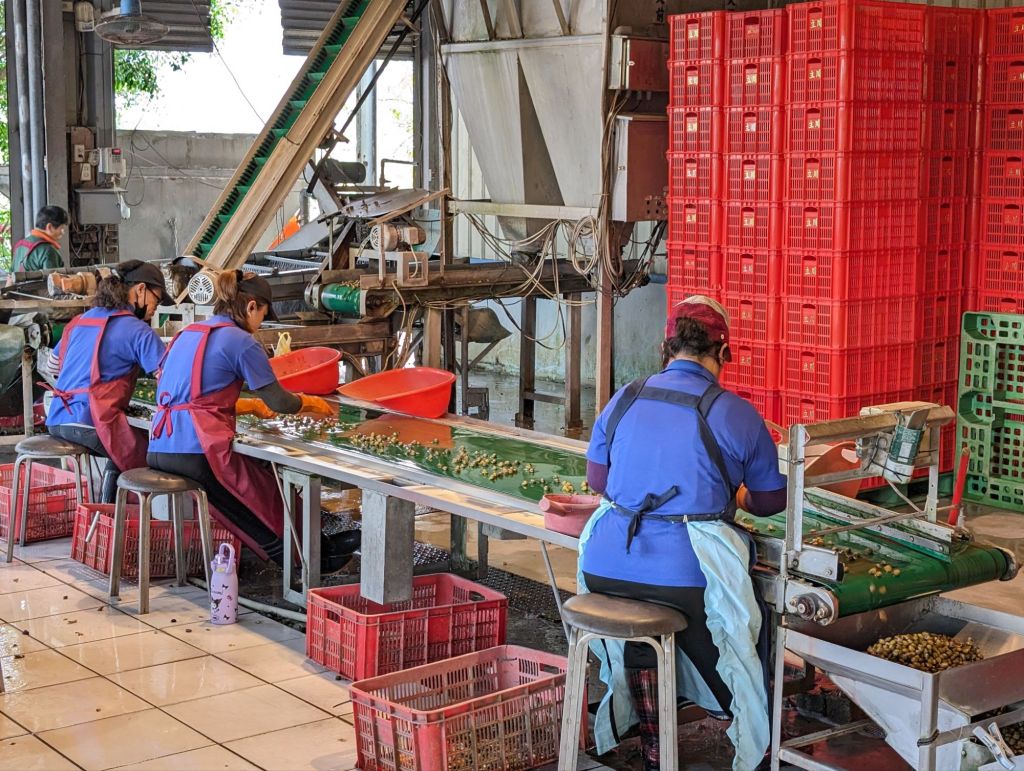
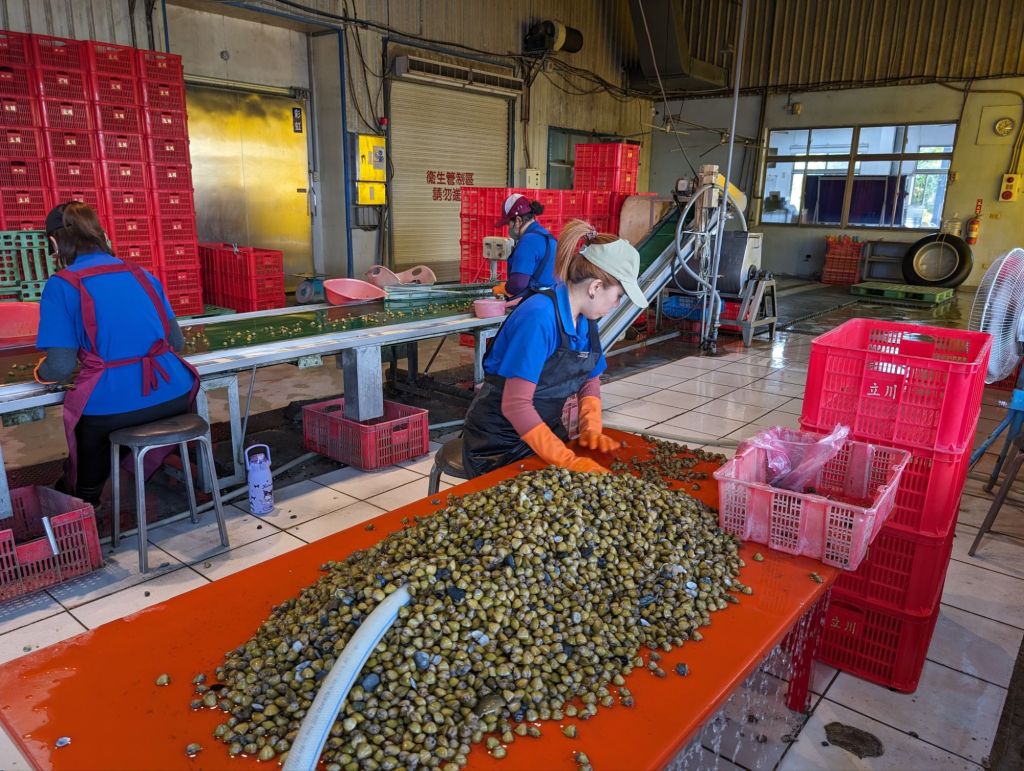
We had lunch at an aqua farm where we ate locally raised fish, clams, and shrimp. And then we took a walk around the pond there. We even poked our heads into the factory where they were sorting the golden clams farmed here.
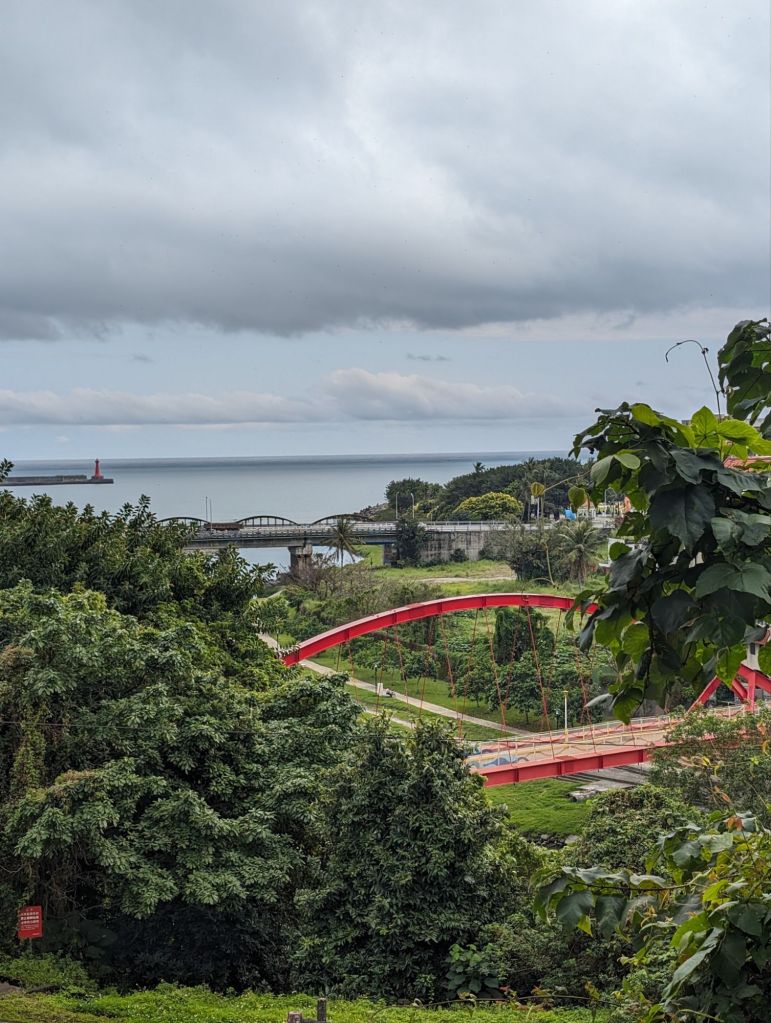
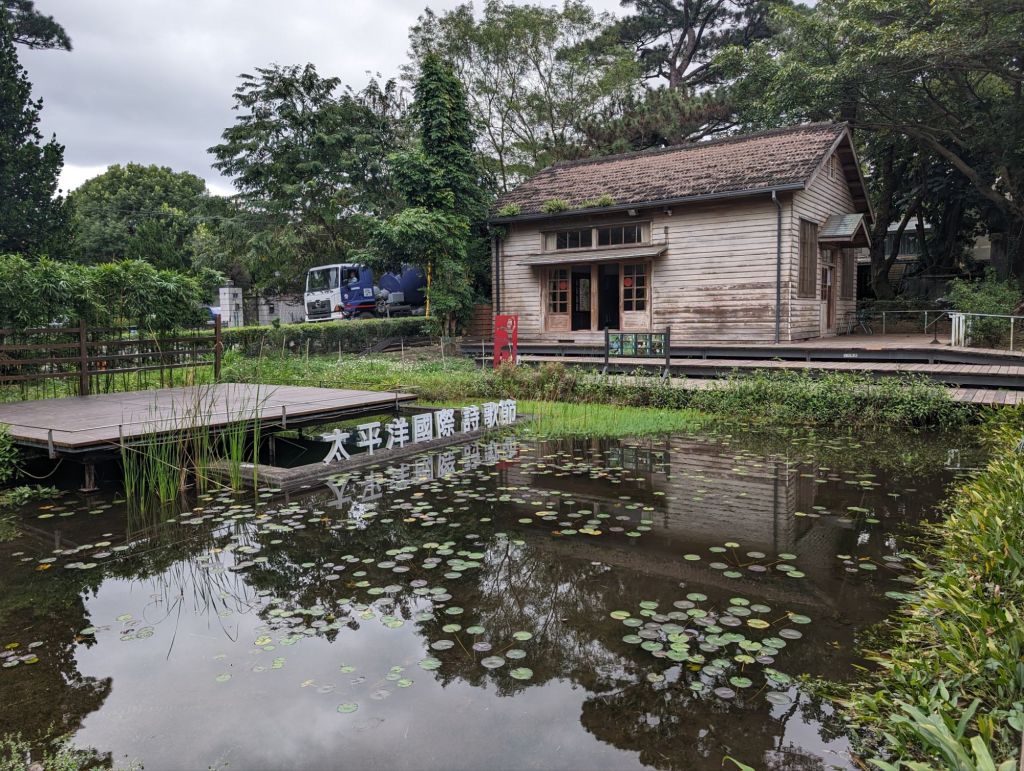
Pine Garden Park is not only a sheltered park with a good harbor view, but also has historic interest. During WWII the occupying Japanese used the park as a command center. Some of the structures they built have been restored and are in use today.
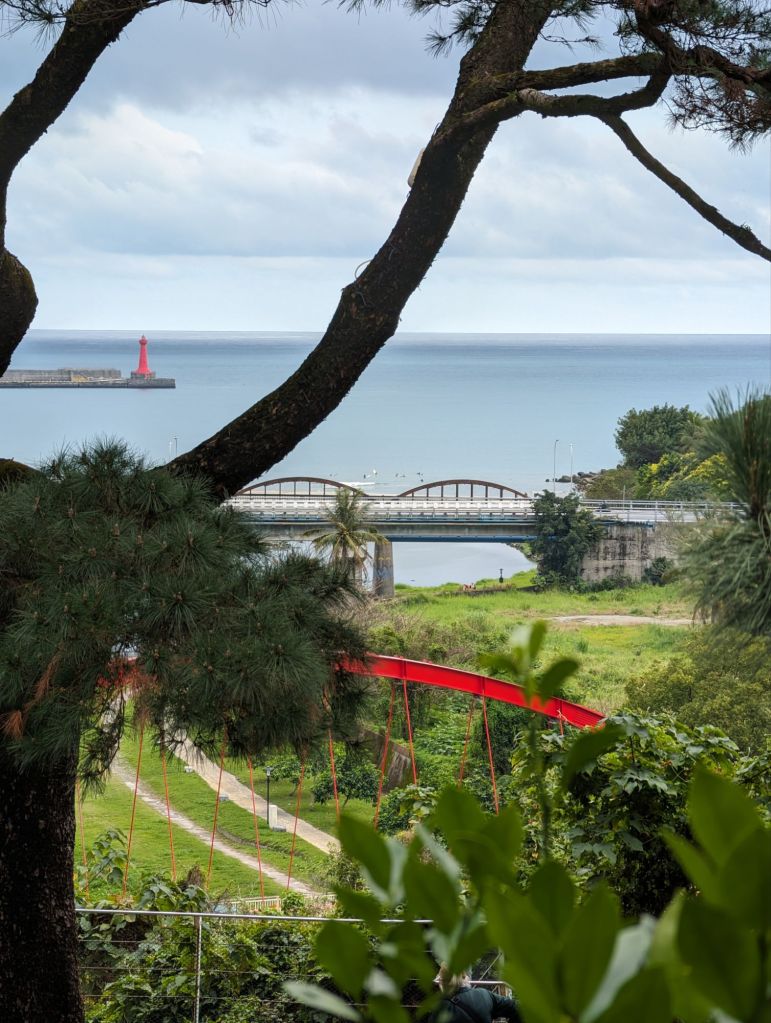
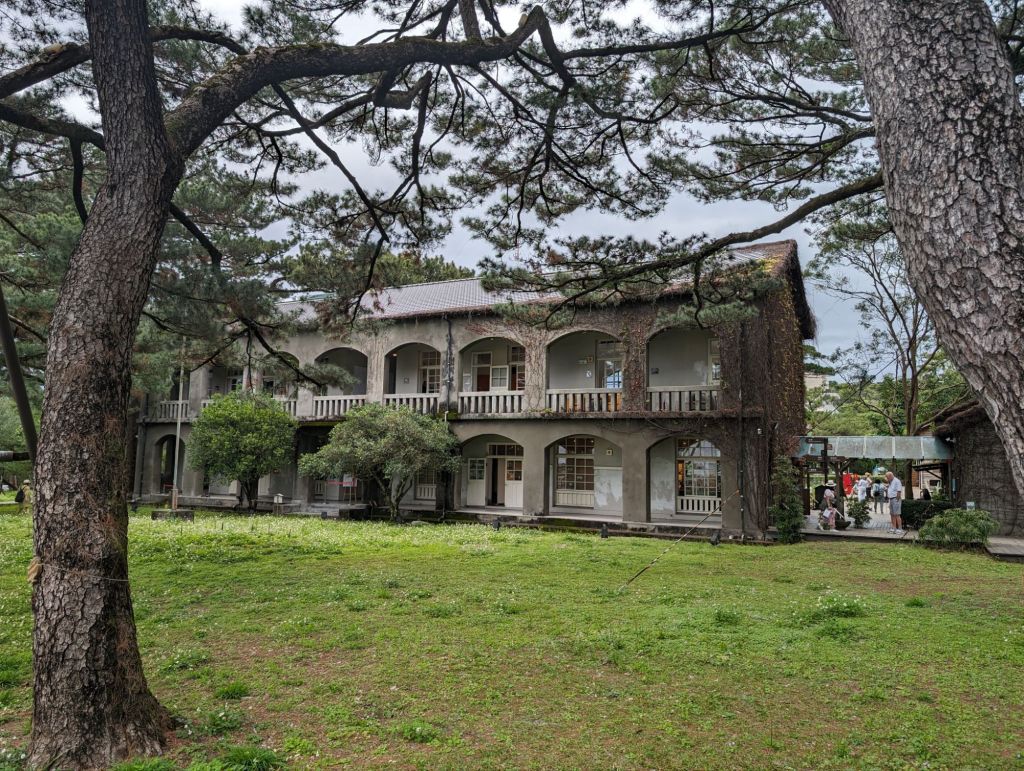
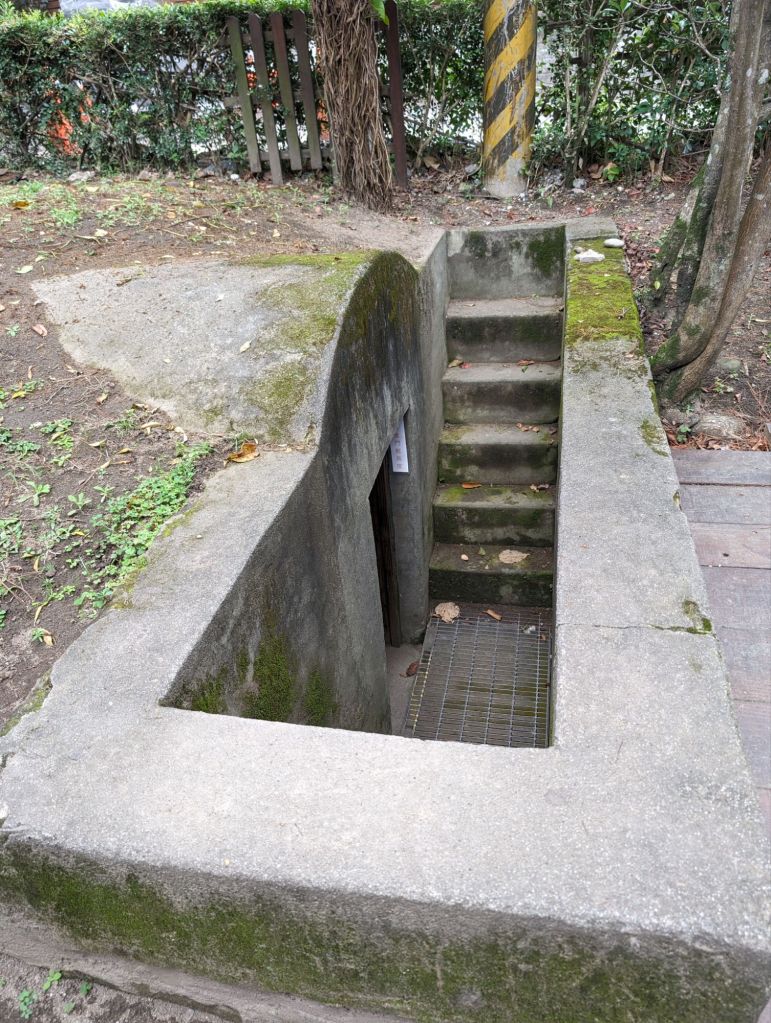
The view from the park shows the bridges and harbor nearby. The park is also near the city’s airport, and sheltered from view by its pine trees. This all made it a good strategic position for the Japanese.This was one of the Japanese built structures. The style was simple, functional and had some Japanese architectural features like the roof.These steps lead down to the air raid shelter built for the base.Across this pretty pond is the only wooden building left from the Japanese occupation. It was an officer’s recreational hall.
 J and J Travel