Nagasaki will forever be known as the place where the U.S. dropped the second atomic bomb. Its people will always be scarred by the bomb’s destruction. More than 100,000 people were killed or maimed and a large part of the city was obliterated. Today the city has been rebuilt, but it continues to remember its past and remind us of why we need to strive for peace.
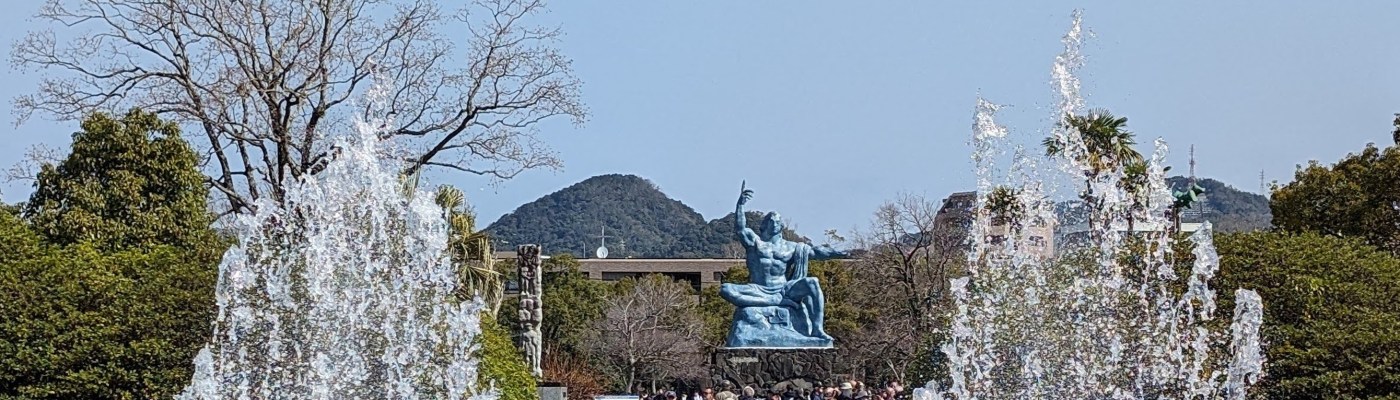
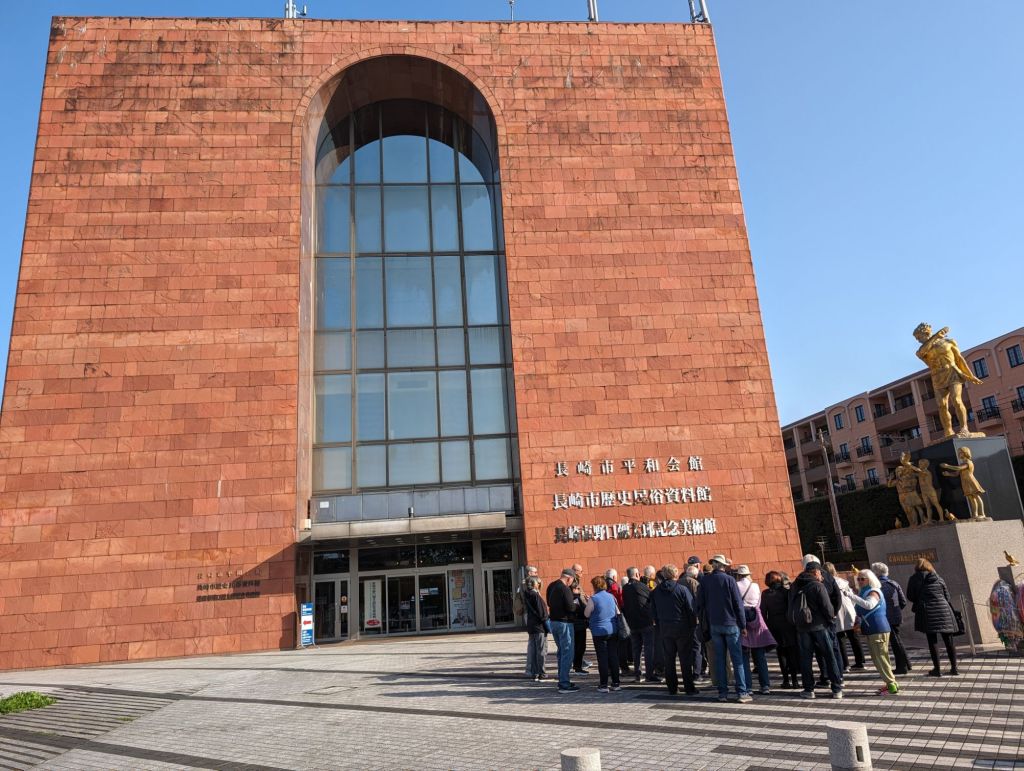
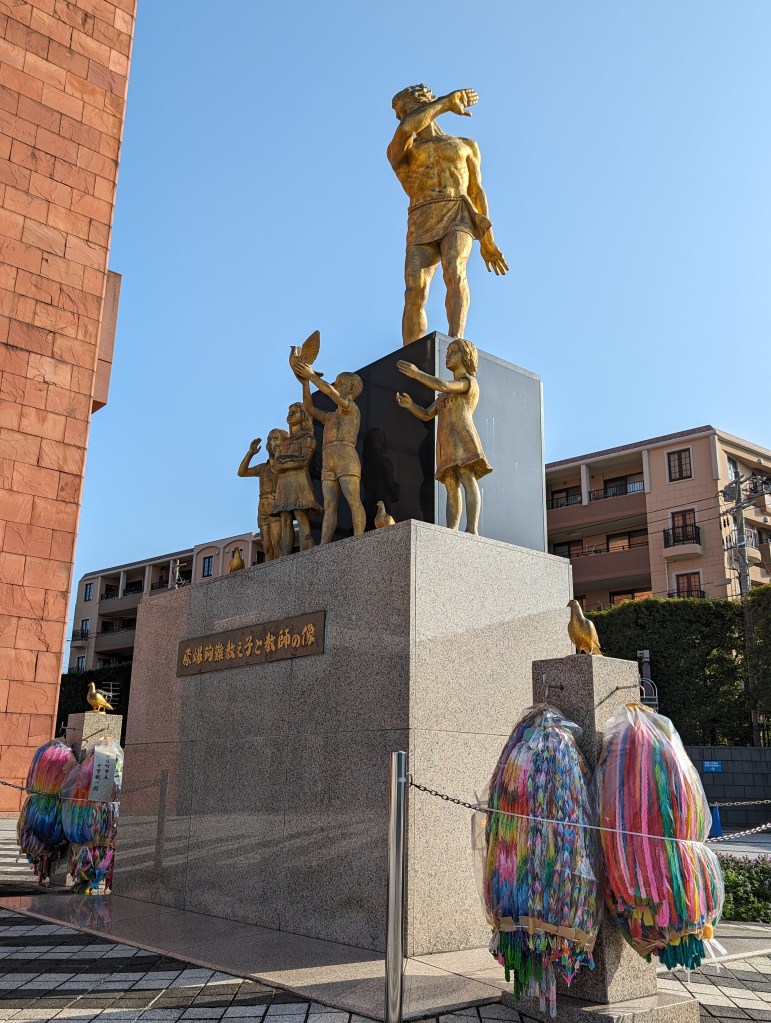
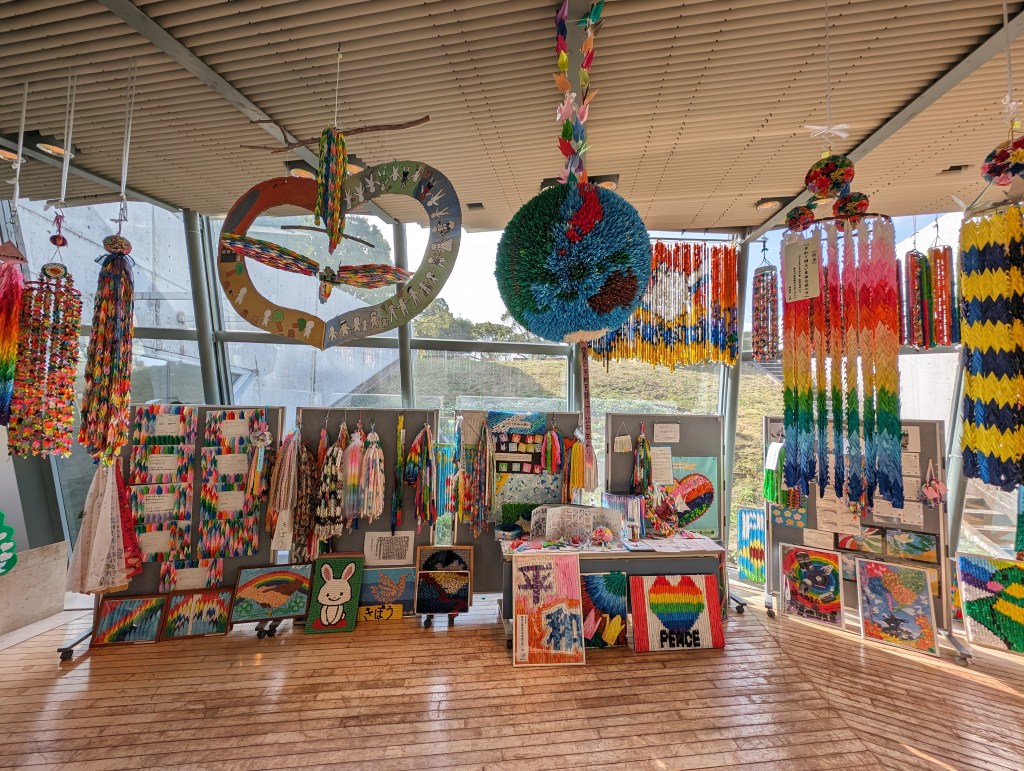
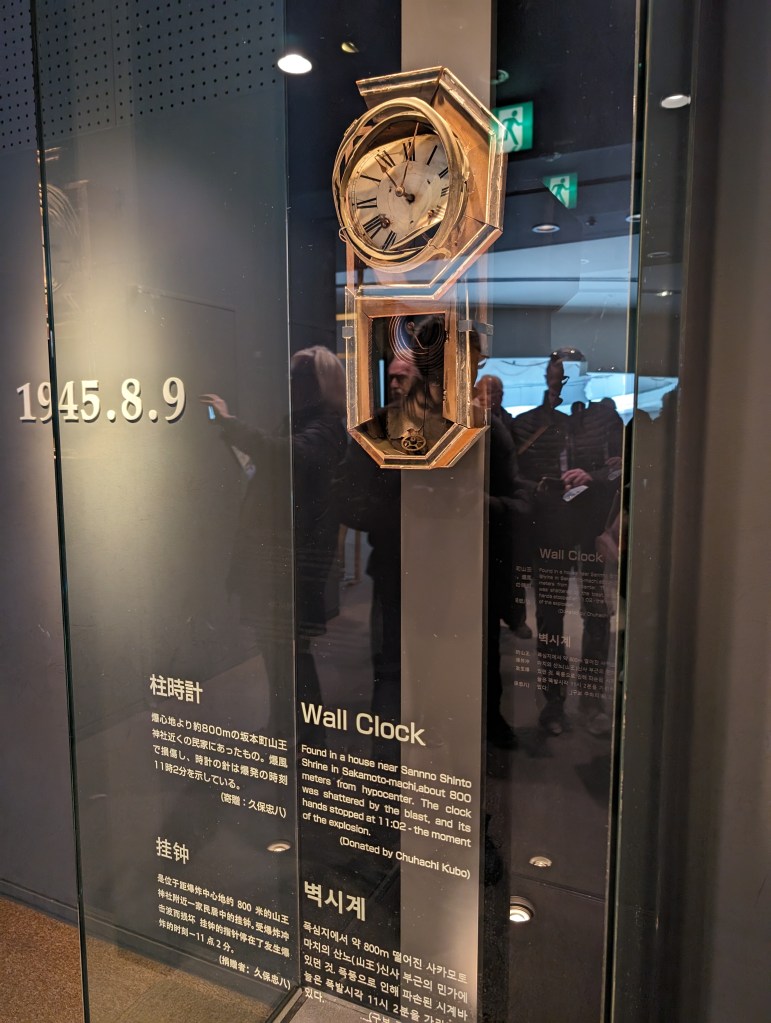
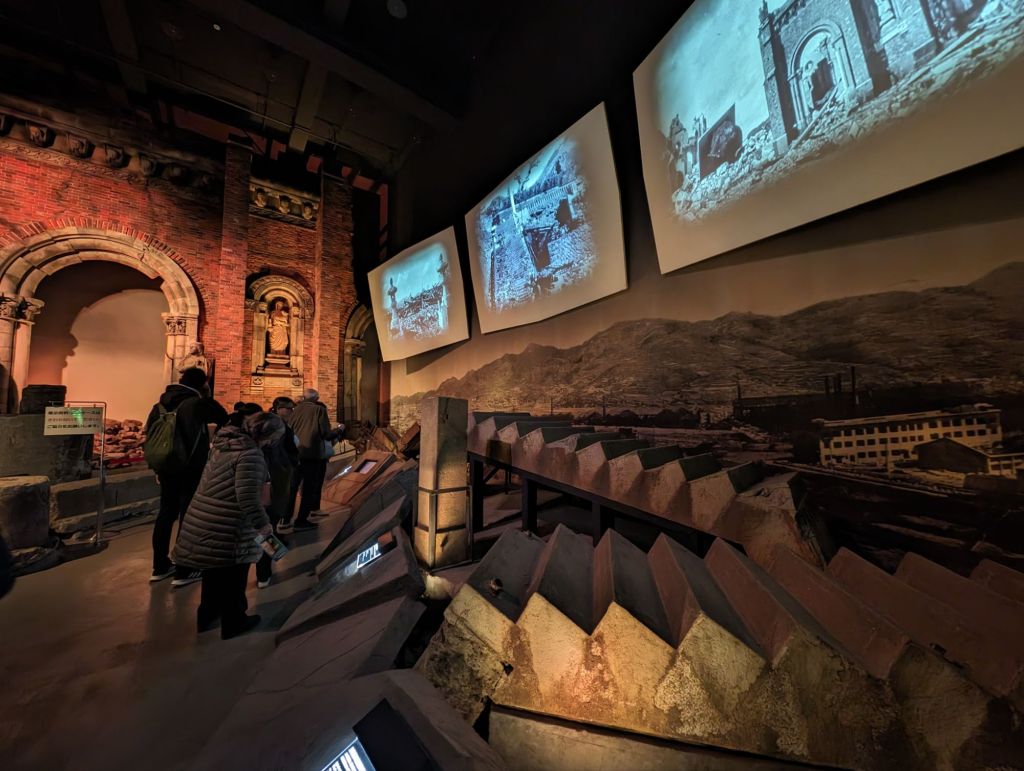
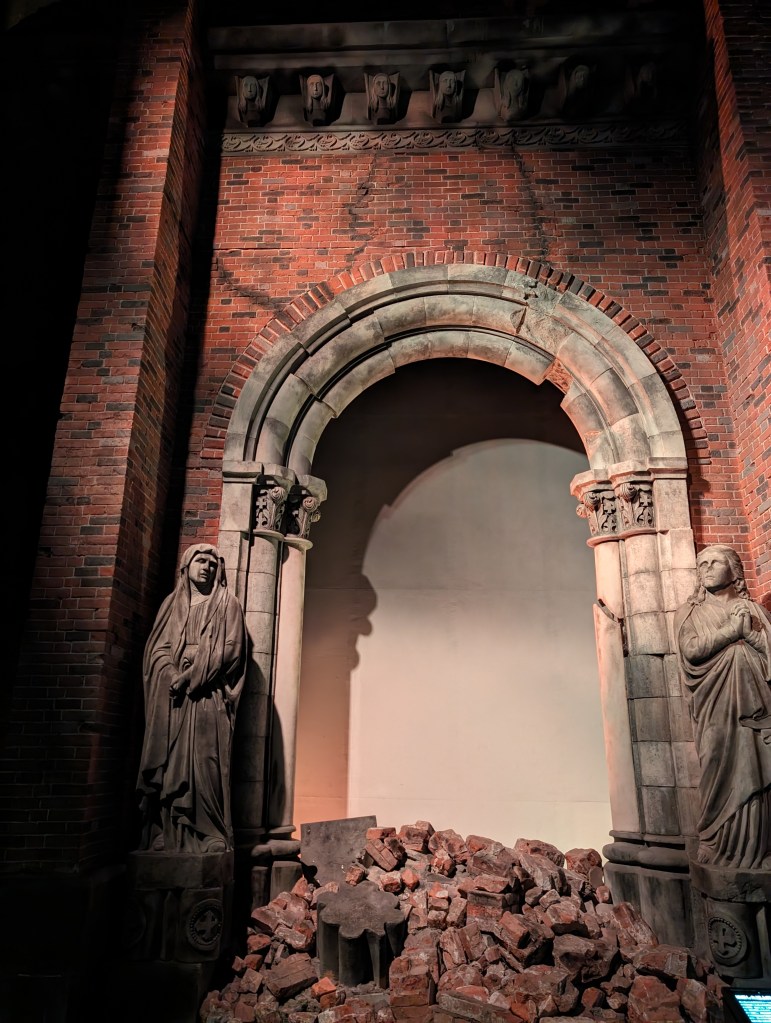
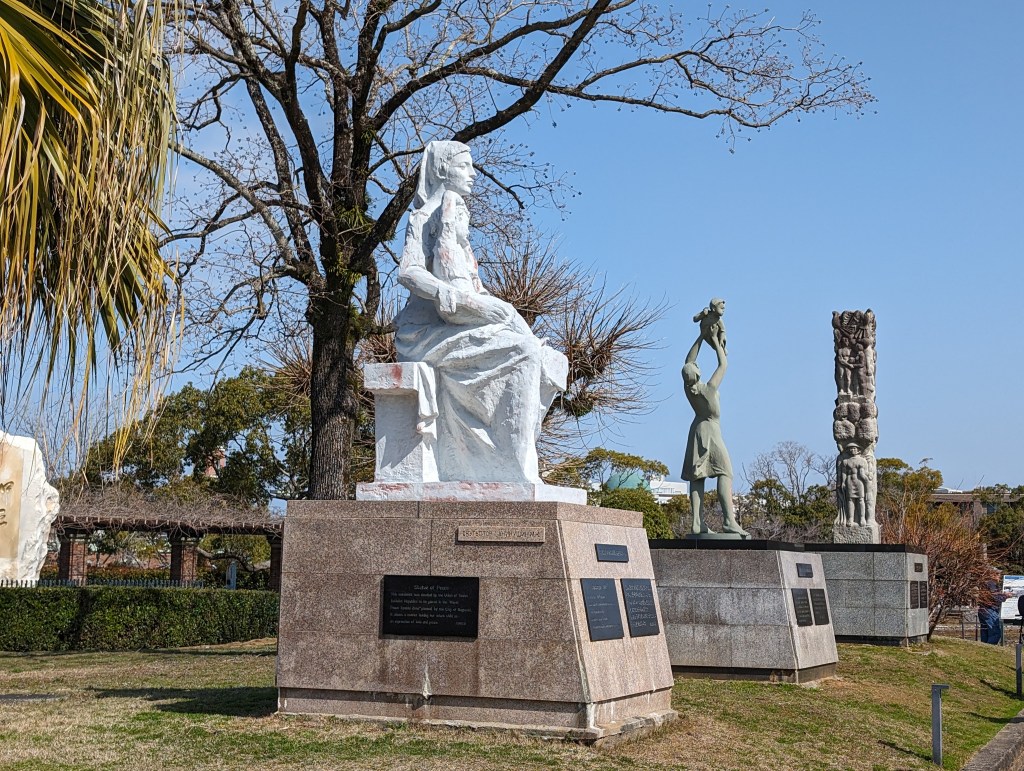
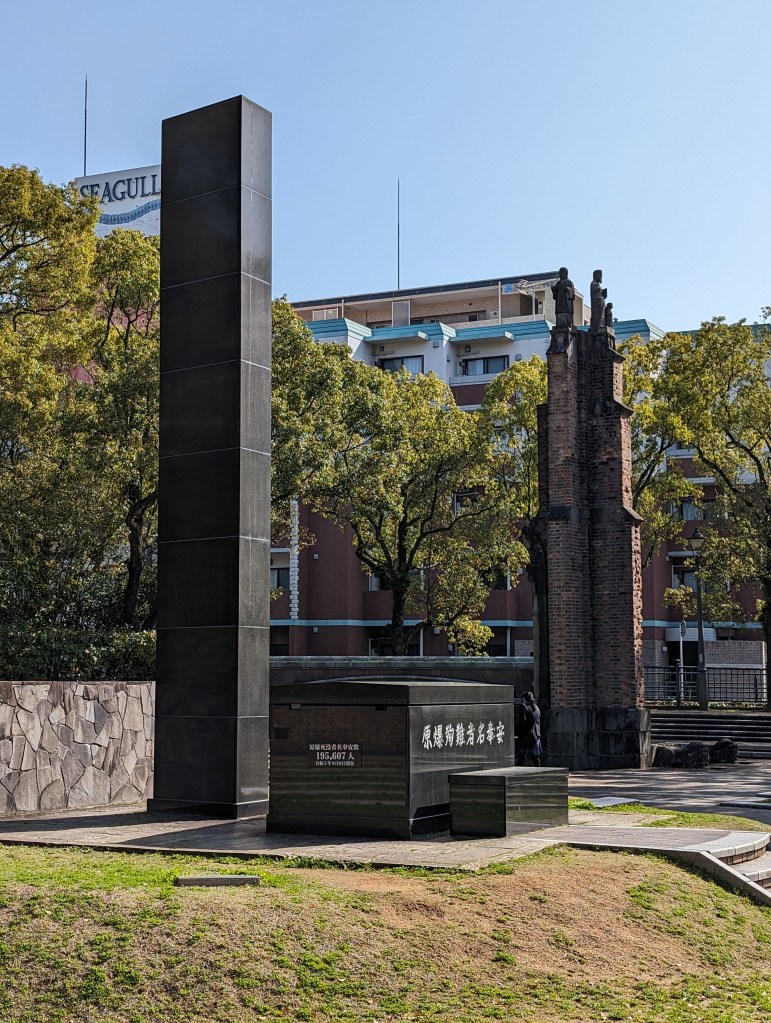
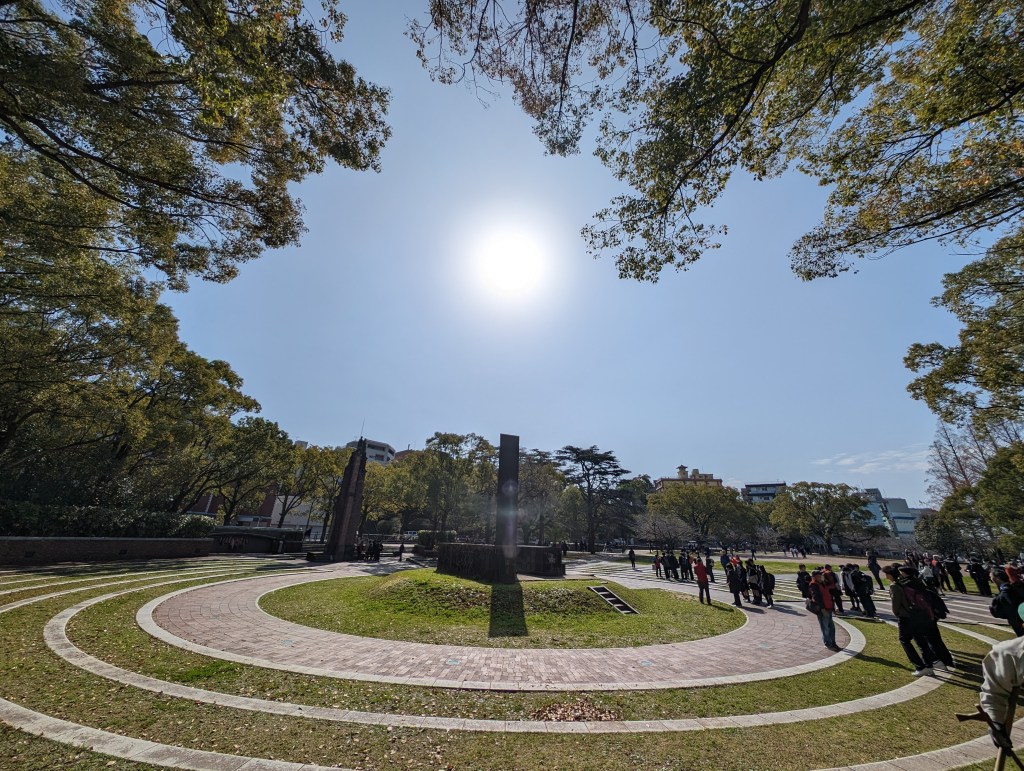
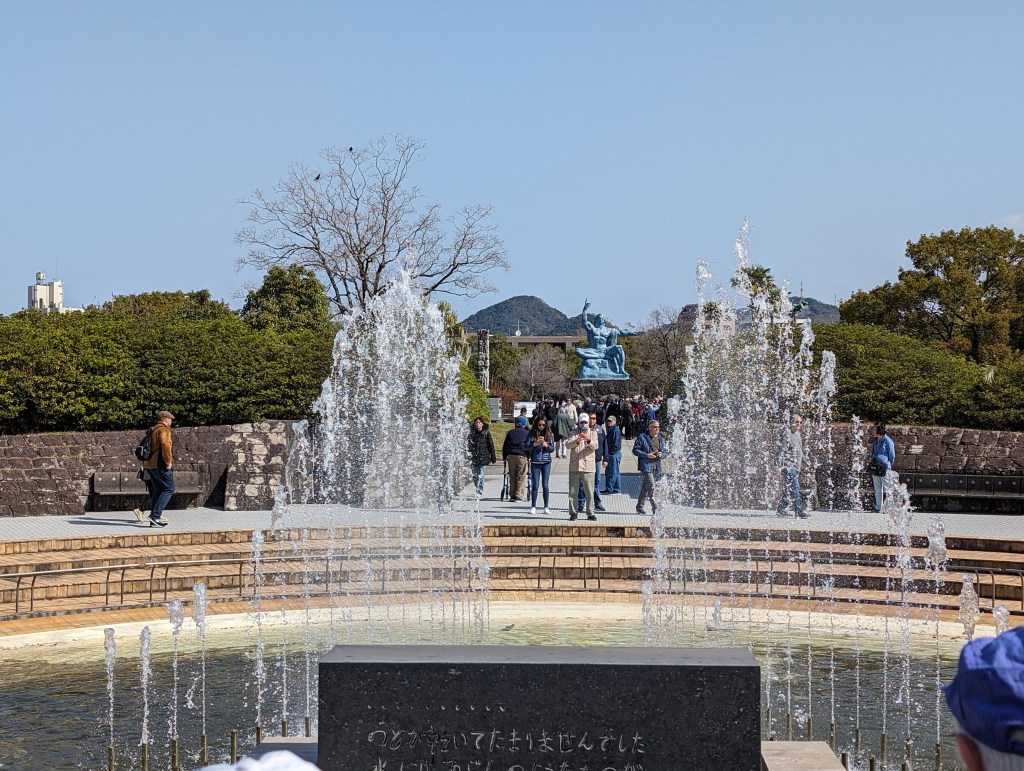
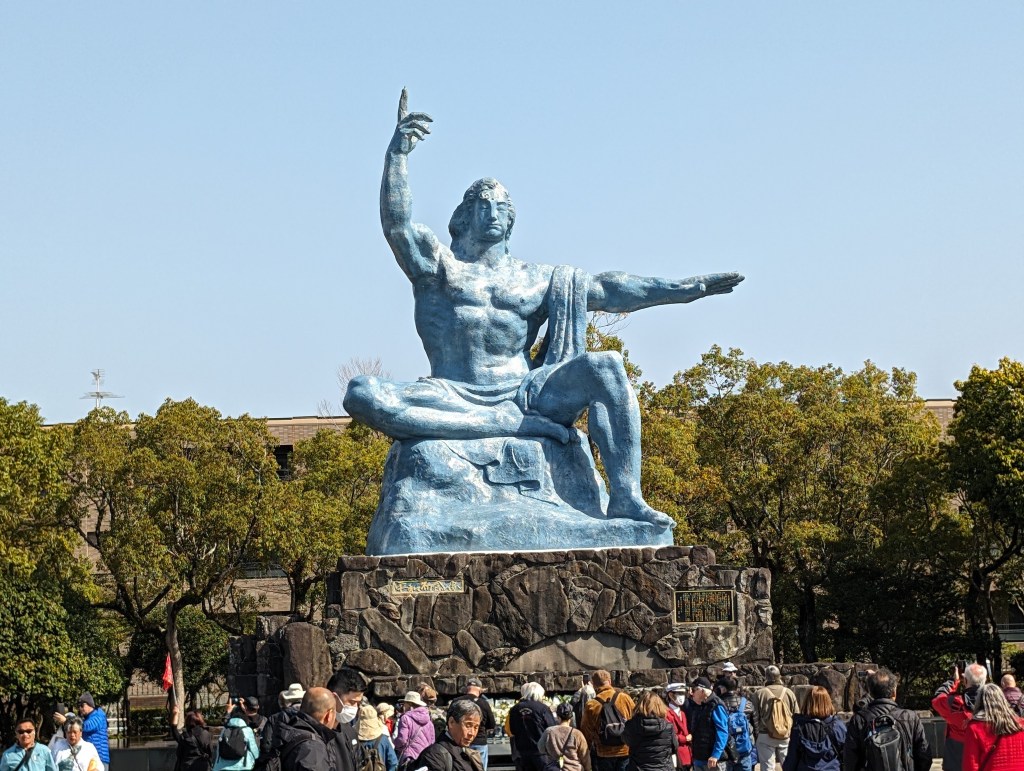
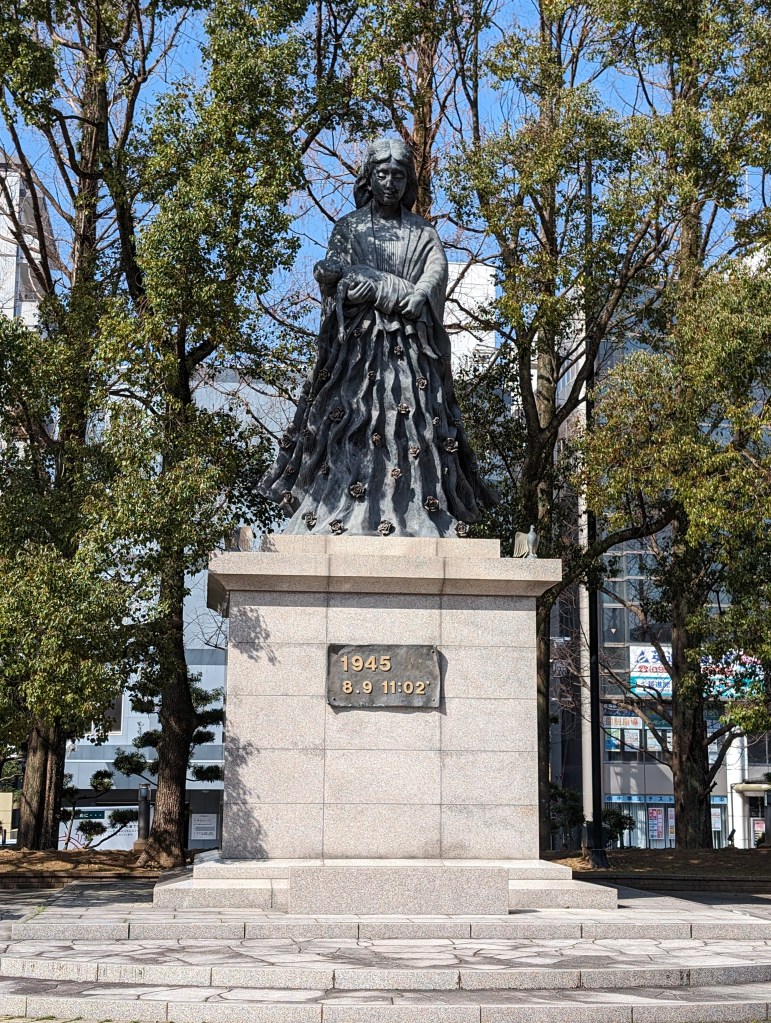
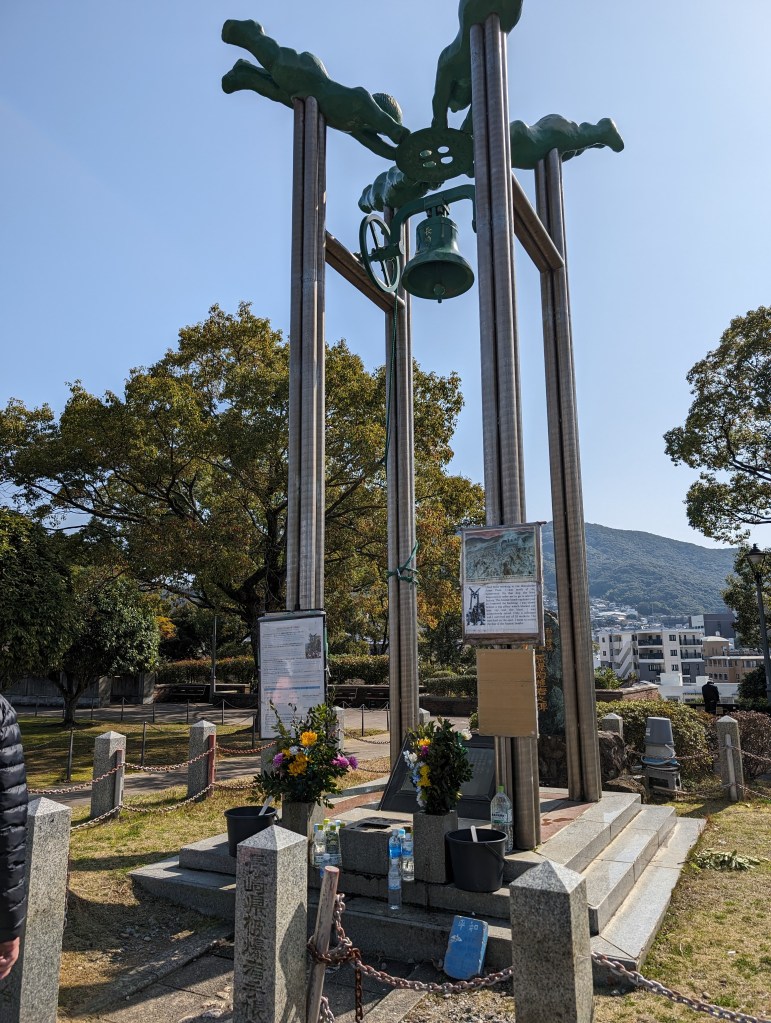
The Nagasaki Atomic Bomb Museum takes visitors through the city’s horrific experience and ends with a call for peace.The gold peace statue outside the museum is dedicated to children. These colorful strings of origami paper cranes are made by schoolchildren and donated to the museum. The crane symbolizes peace and longevity. Each string has 1,000 cranes in honor of a child who got cancer after exposure to the bomb’s radiation. She folded her medication paper into cranes each day hoping 1,000 cranes would give her long life. Sadly, she did not survive.As you go down a long, curved ramp, the first exhibit that greets you is this gold clock. It was found about 800 meters from the blast explosion. It was shattered by the explosion and its hands had stopped at 11:02, the moment of the blast.On one side of a huge exhibition room is a fragment of the wall of the destroyed Urakami Cathedral. Until that time, The Urakami Cathedral was the grandest church in east Asia.On one side of a huge exhibition room is a fragment of the wall of the destroyed Urakami Cathedral.There are rows of beautiful statues in the Peace Park donated by countries from around the world. All of them speak to the hope of peace.These memorial monuments, above and below, are at the exact ground zero of the blast.A view of the Peace Park.The large fountain in the park symbolizes the calls for water by the victims of the bomb. It frames the Peace Statue in the distance.The 10-meter tall Peace Statue is a centerpiece of the park. Its right hand points up to the sky towards the threat of nuclear weapons. The left arm is extended out in a gesture of peace. The eyes are closed in prayer for the bomb’s victims.This mother and child memorial is inscribed with the date of the explosion.This monument, called the Nagasaki Peace Bell, displays the bell from the Urakami Cathedral. The nearby cathedral was mostly destroyed in the blast. The placards on the posts give moving stories from survivors.
We left the Peace Park and visited a totally different era in Nagasaki’s history. The Dejima settlement began in 1636 as a place for the Portuguese to live and trade in Japan. But they were soon evicted by the local shogun, partly for their efforts to bring Catholicism to the area. The Dutch, who were Protestant and less threatening culturally, were allowed to move there. This became the Japan’s only trading port with Europe during its 200-year isolation period and its source of information for becoming a modern nation. Today the settlement has been restored and recreated to showcase its contributions to Japan.
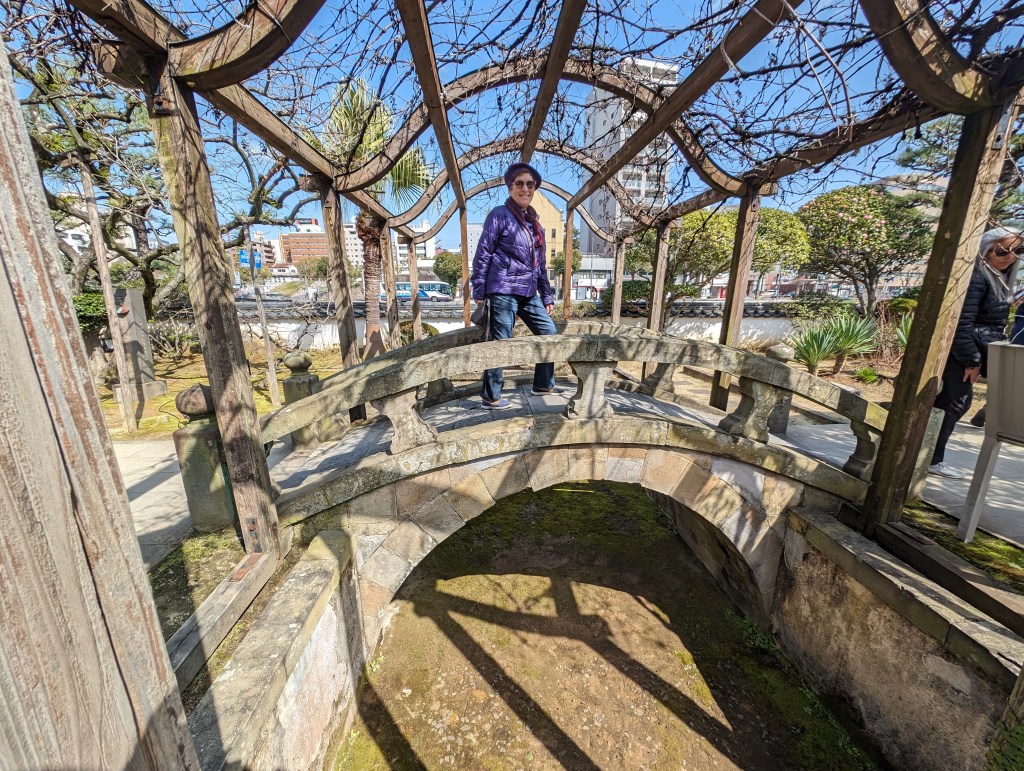
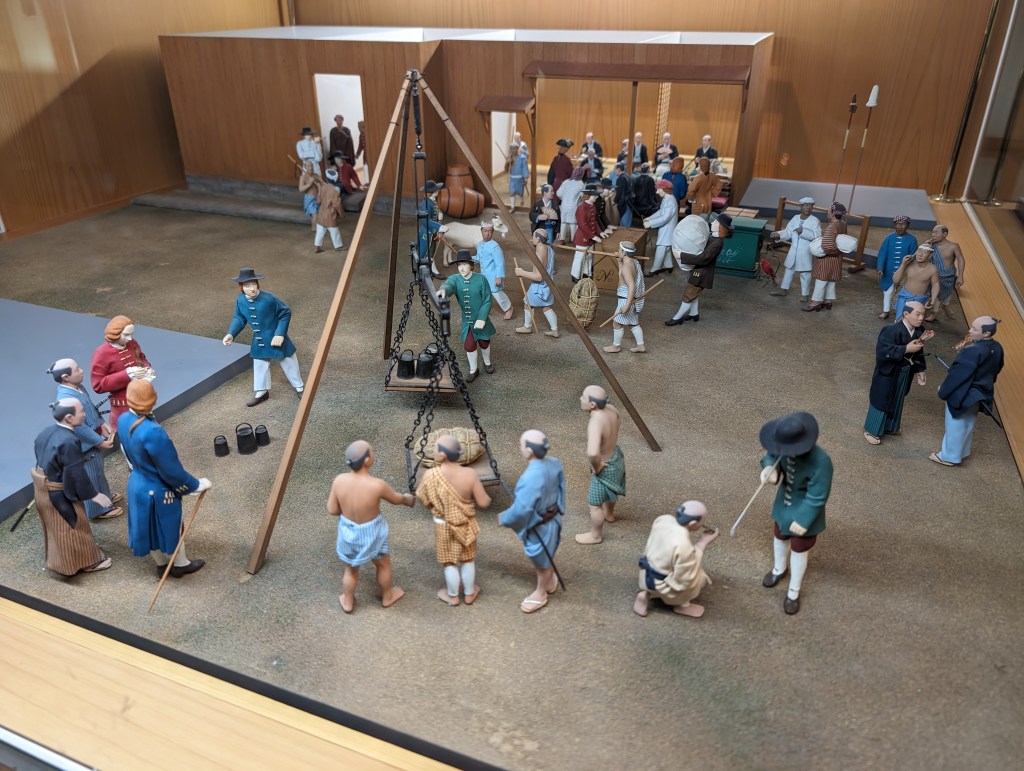
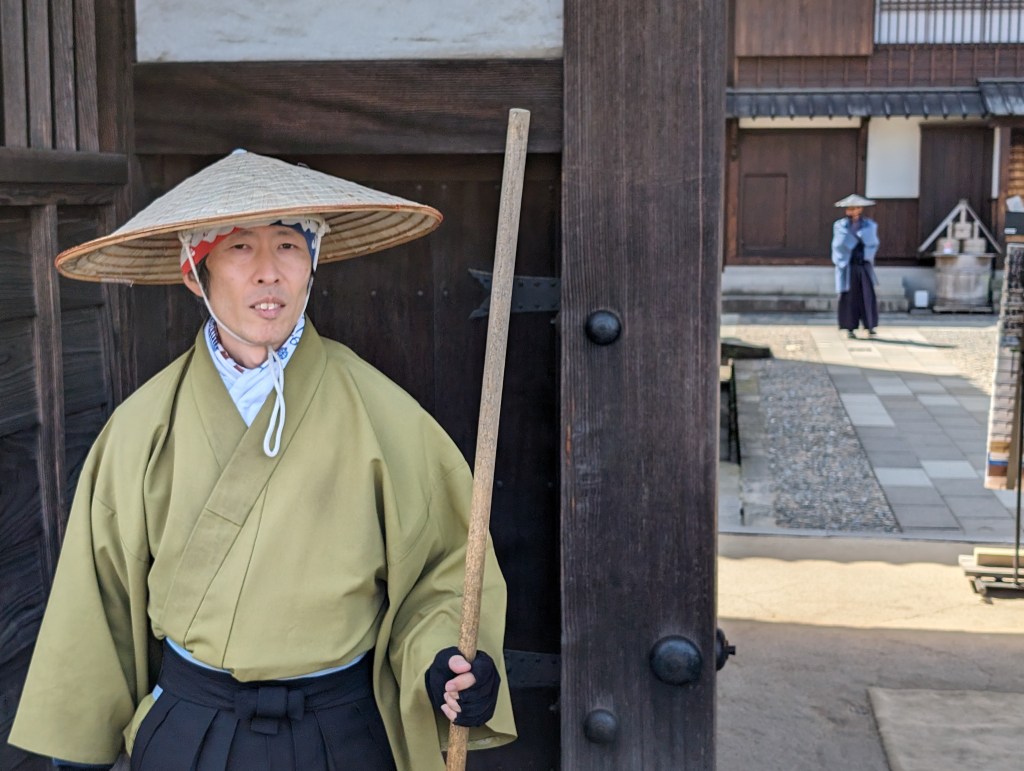
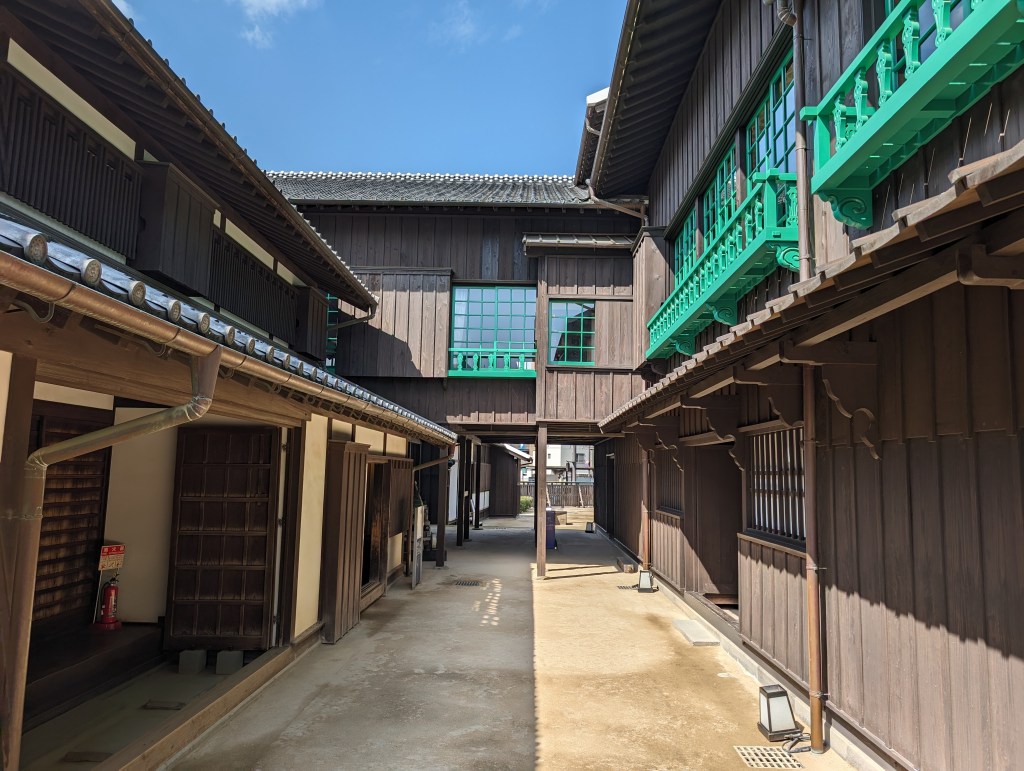
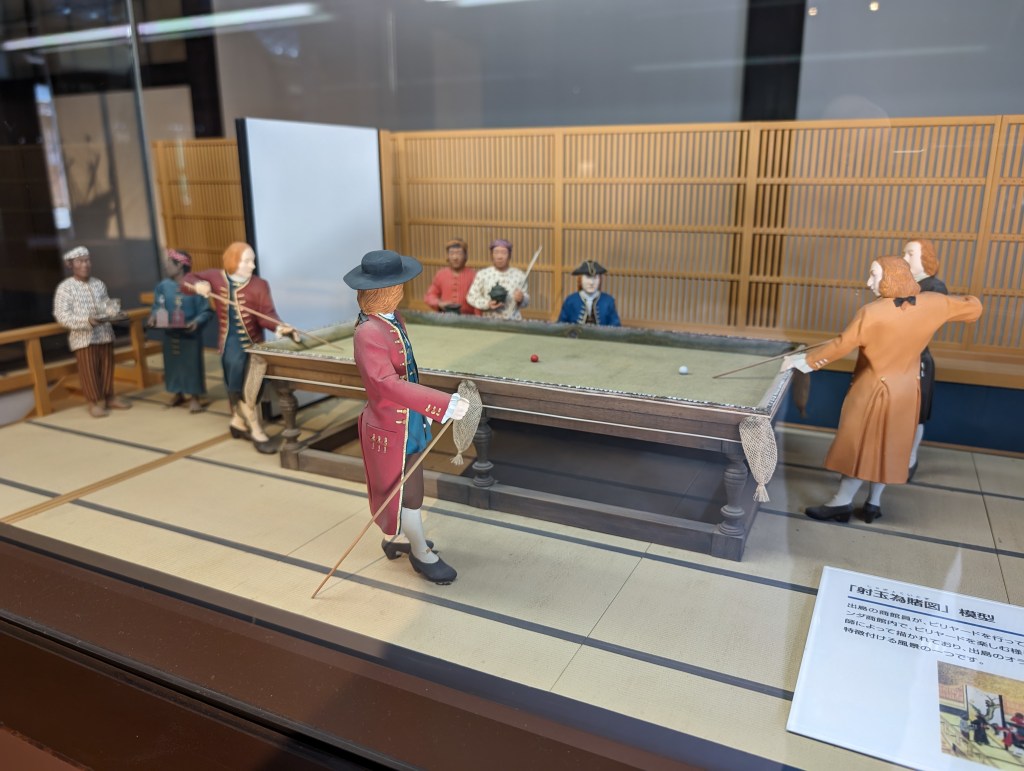
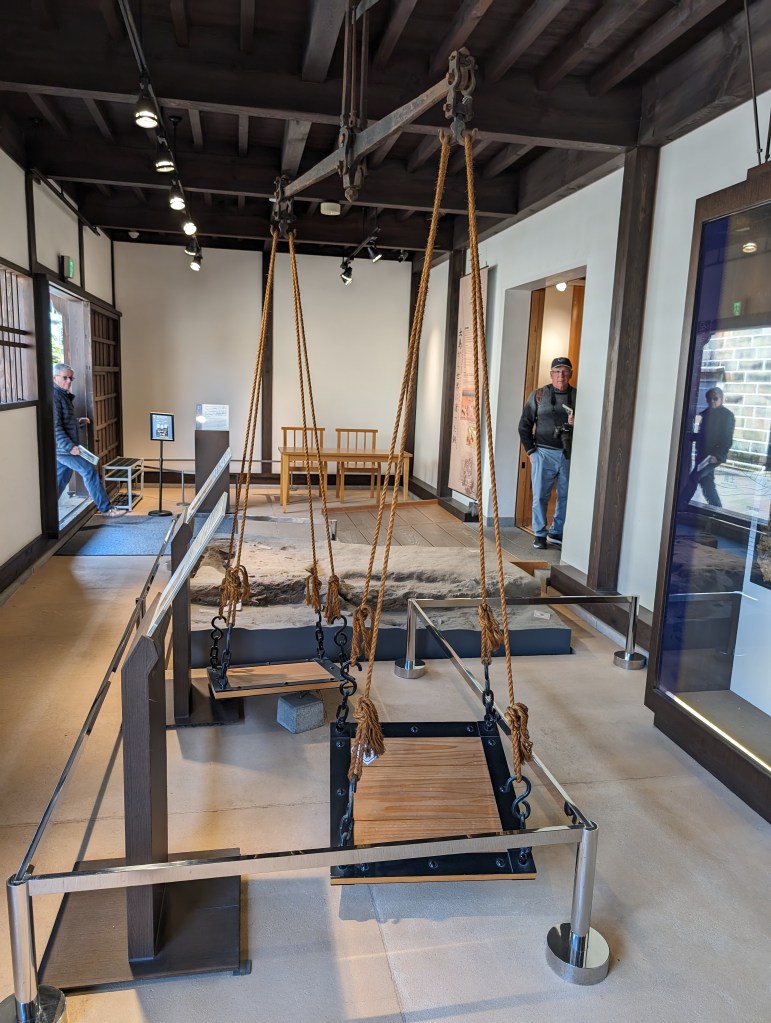
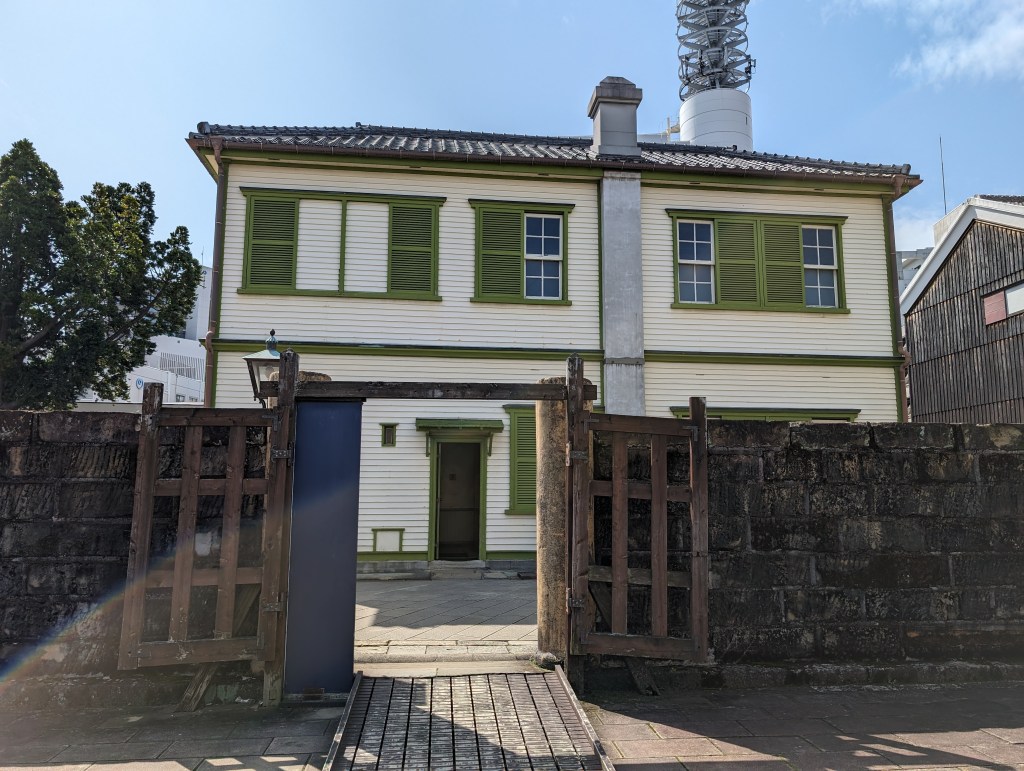
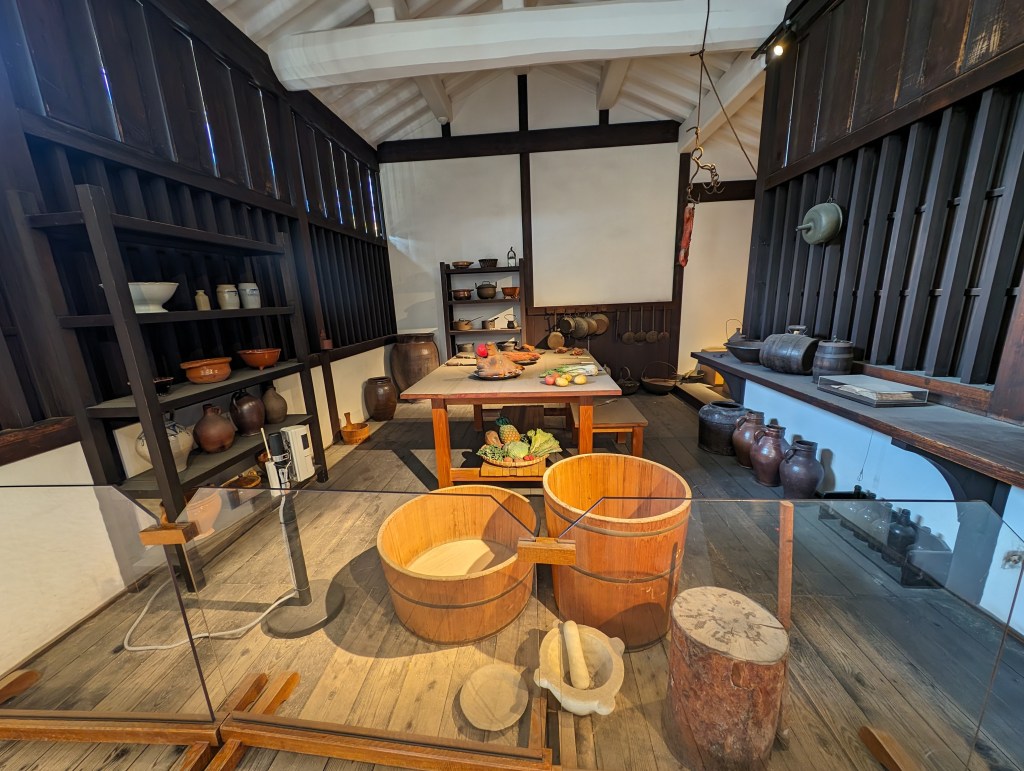
Jeanne is crossing the bridge over to the Dejima settlement.This model depicts the busy trading port.There were people in period dress available to show us the displays.More than half a century went into excavating and researching the original Dejima. This is a model of the Dejima is an exact recreation. It included homes, warehouses and offices.There were spaces for socializing and entertaining.This pulley system was used for moving and measuring goods.This building was the area’s first private club.A kitchen area shows how the people lived and ate. Note the settlement’s combination of Japanese and western architecture. The major restoration project has brought 16 buildings from the early 19th century back to life.

 J and J Travel