Jeju is Korea’s largest island, located off the southern coast. Its sandy beaches, moderate climate and dramatic, volcanic landscape make it a very popular getaway for Koreans.
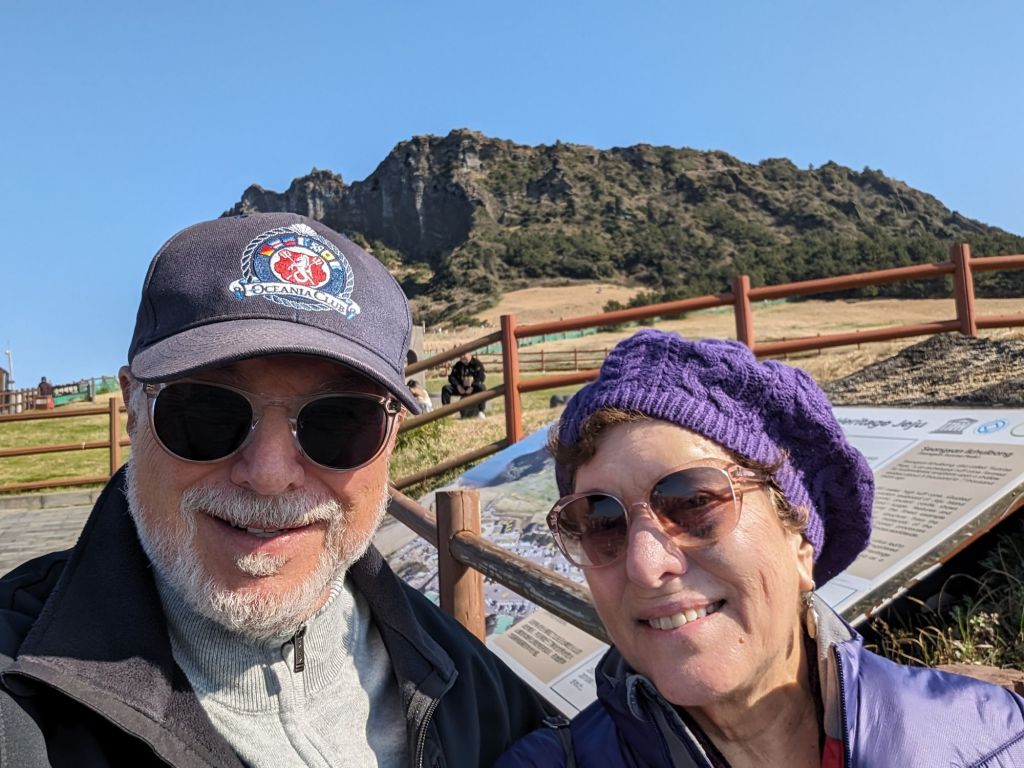
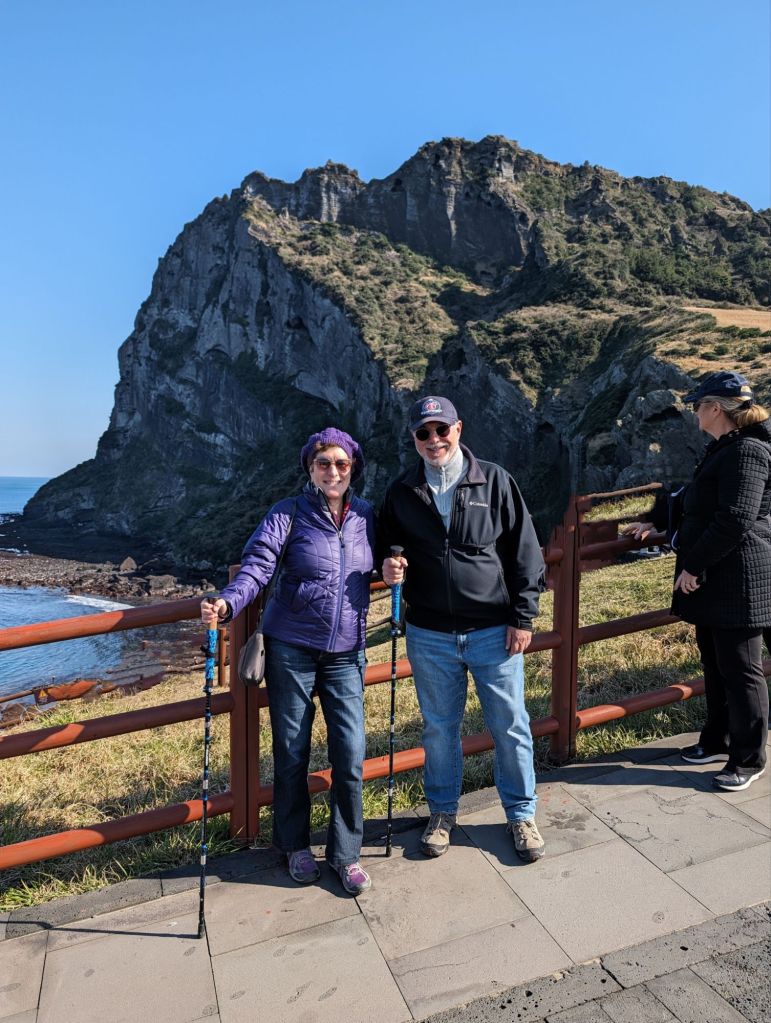
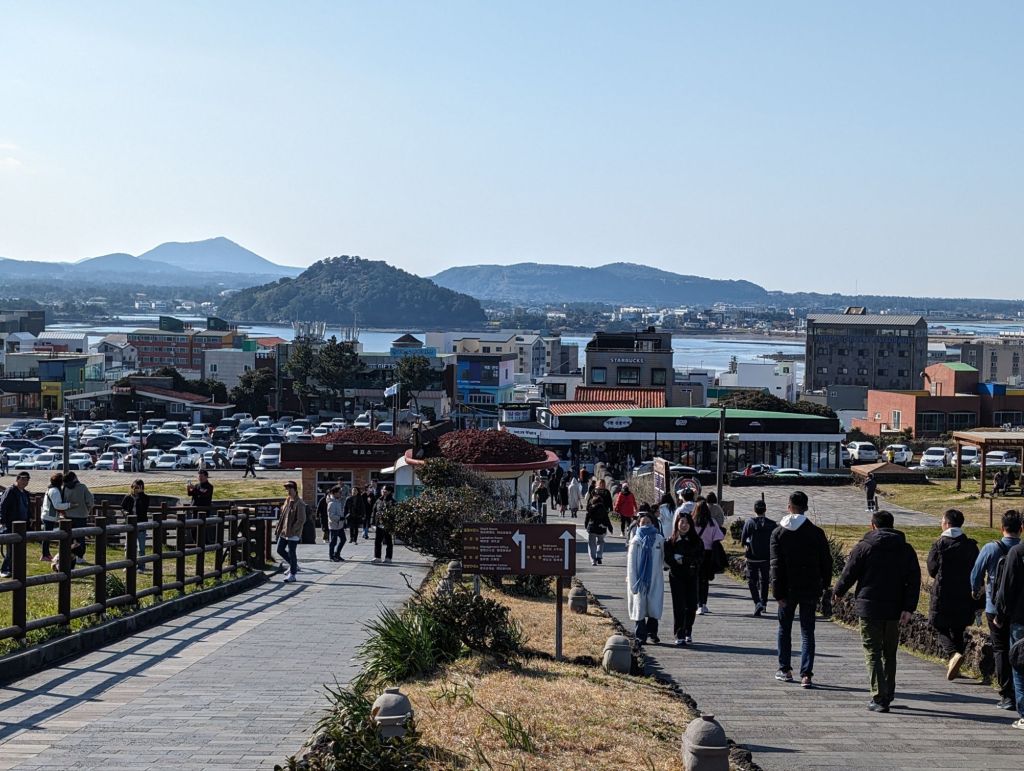
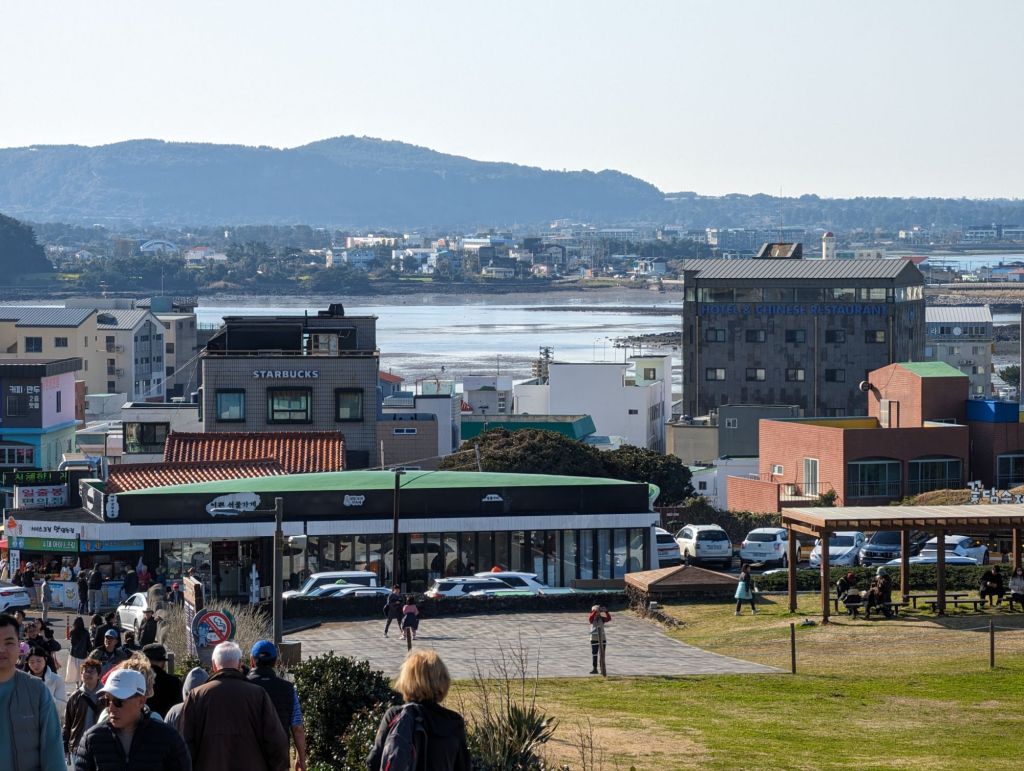
Sunrise Peak, or Seongsan Ilchulbong is a tuff cone volcano with a steep trail to the top of the volcano crater. From there is a magnificent view of the island. We made do with some beautiful views at the base of the mountain.
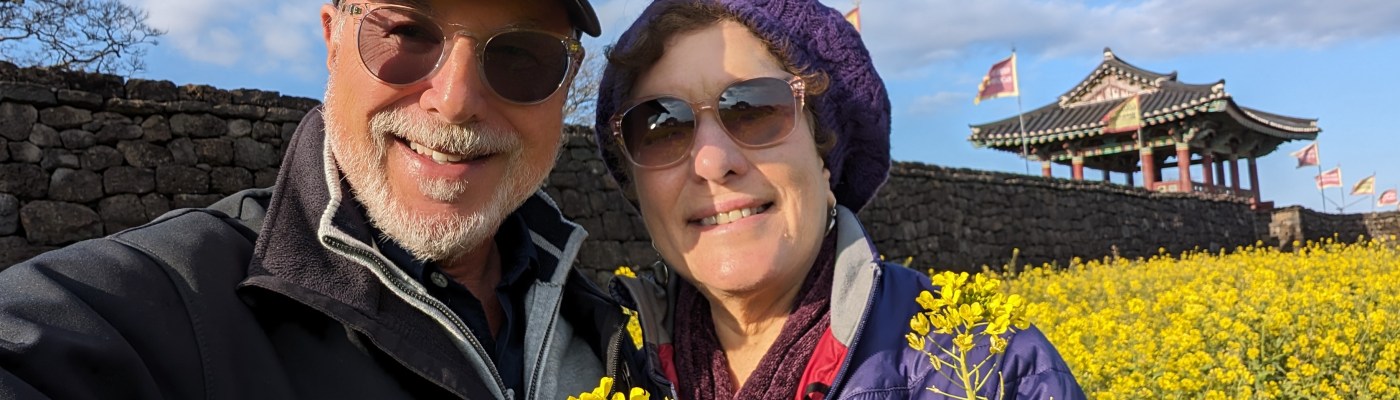
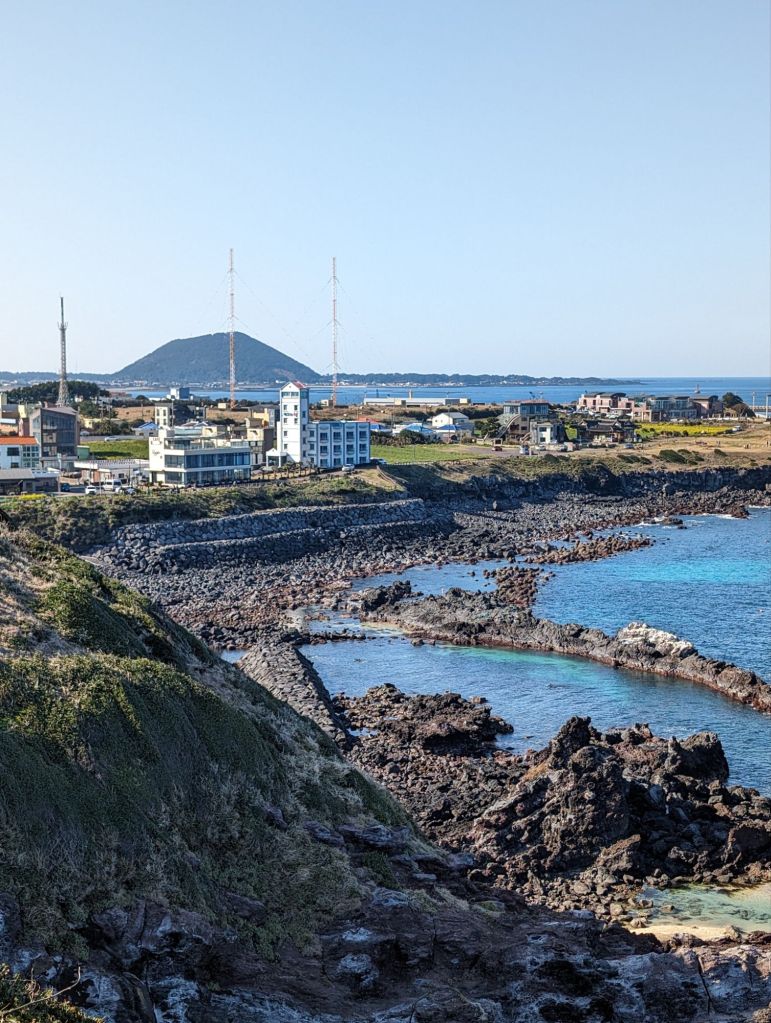
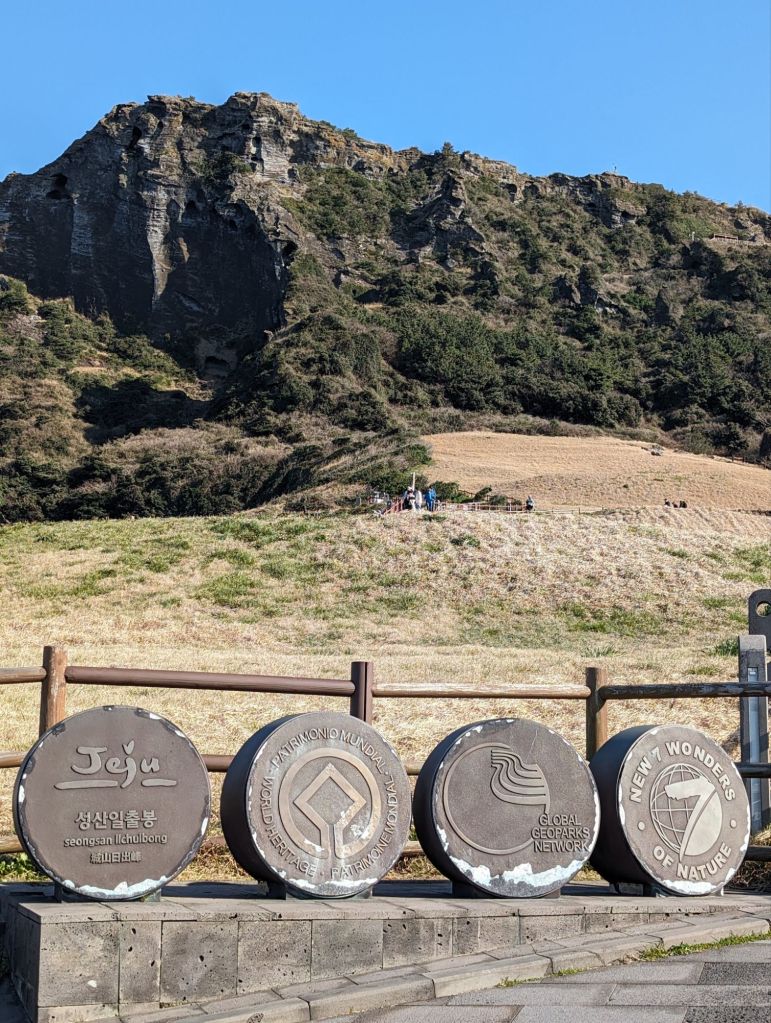
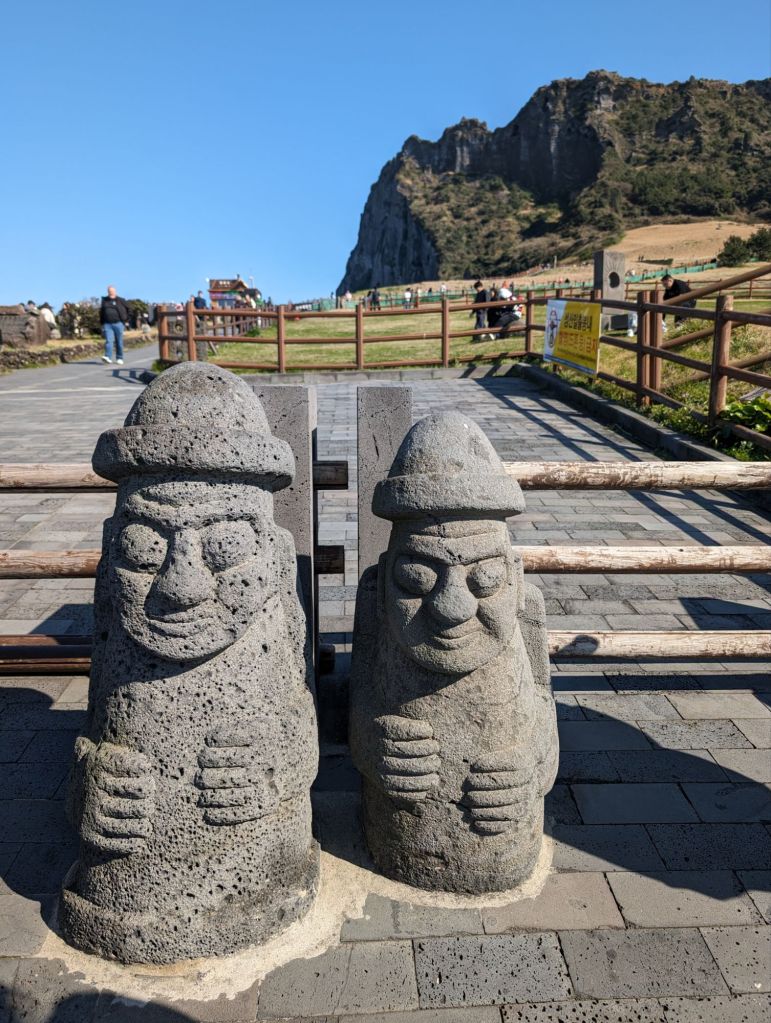
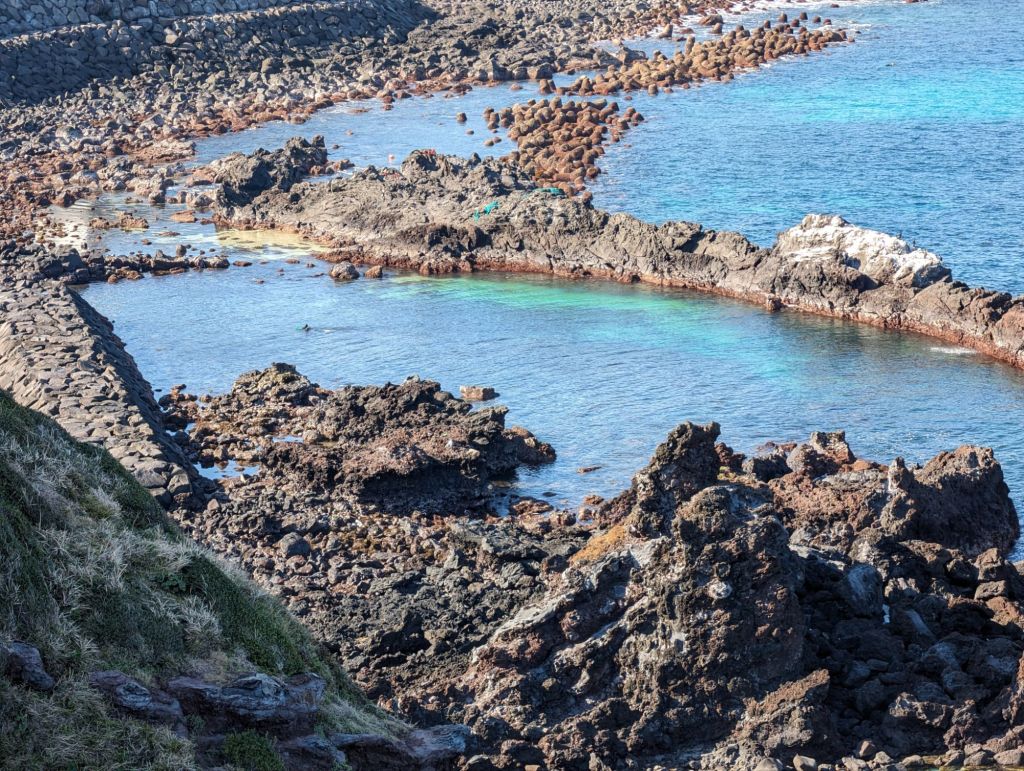
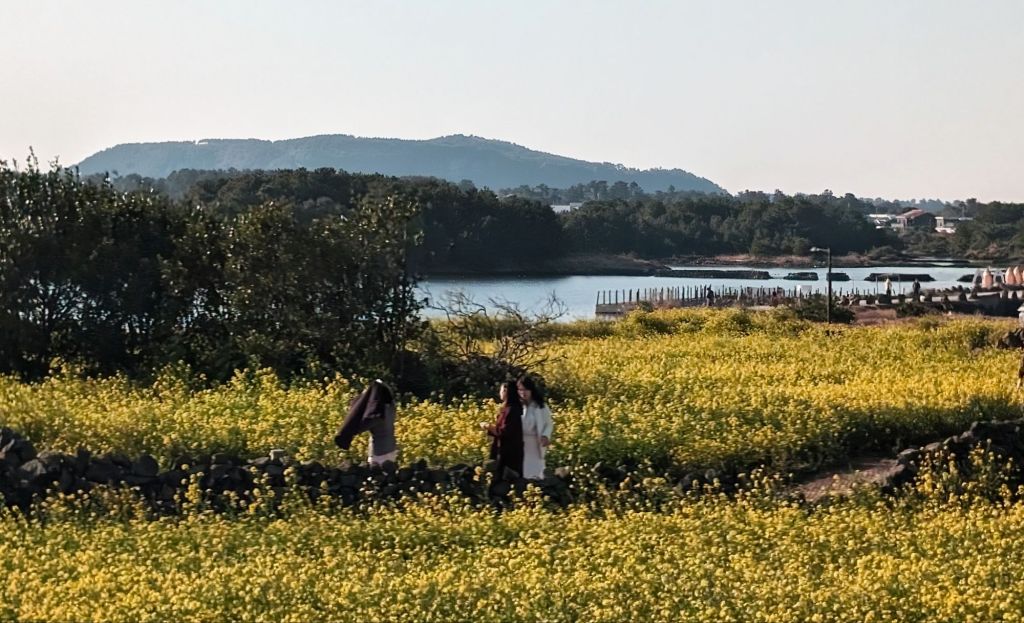
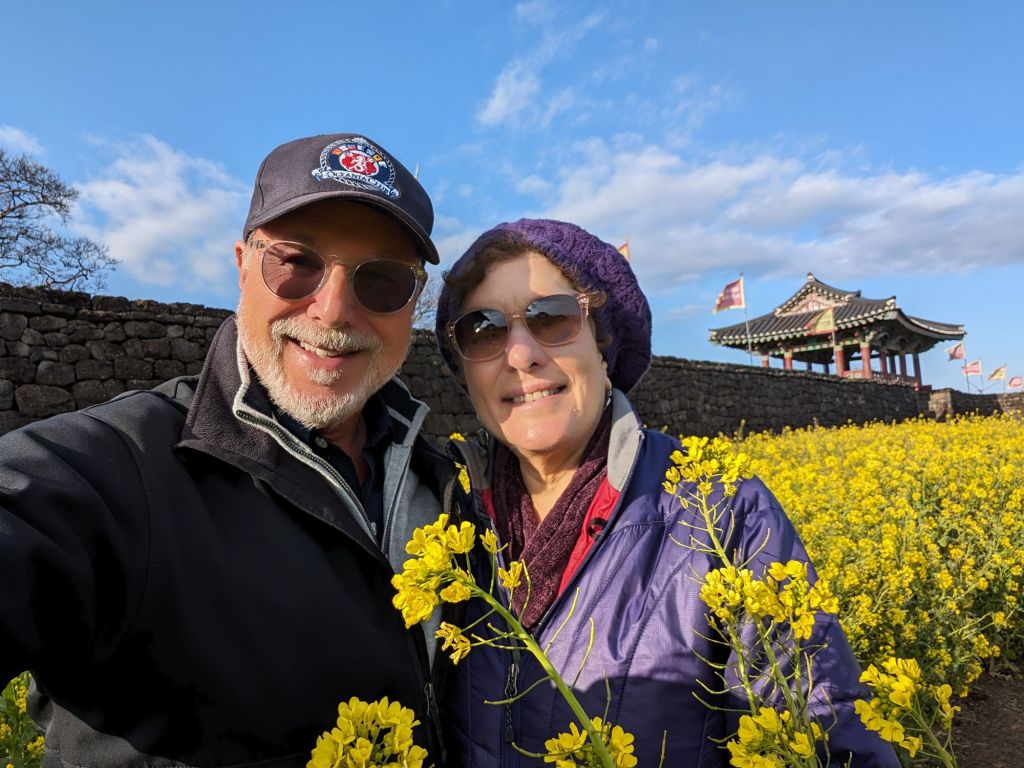
These stone medallions proudly advertise that Jeju’s Sunrise Peak was included in the list of the seven new nature wonders of the world.These Harubang statues, made with local volcanic stone, are an ancient feature of Jeju. Pairs of these “grandpa statues” guard the entrances of homes If you look closely at the center of this volcanic cove, you’ll see a tiny head. That is one of the famous women divers of Jeju. These amazingly strong women, the oldest of whom is 92, have been fishing by free diving (no scuba gear) for generations.We didn’t hike to the top of the mountain, but we enjoyed this nature trail.There are more than 600 hills like these in Jeju, all with volcano craters.Local people enjoy walking through these flower fields and taking pictures when they are in bloom. The plant is the same one that produces canola oil.
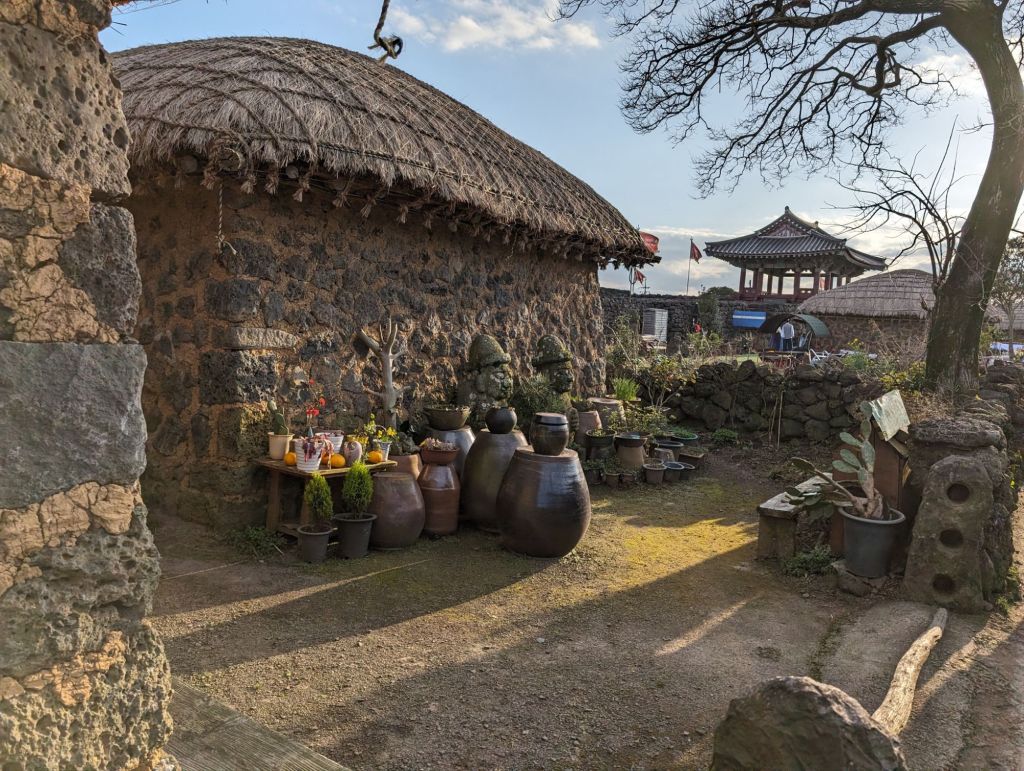
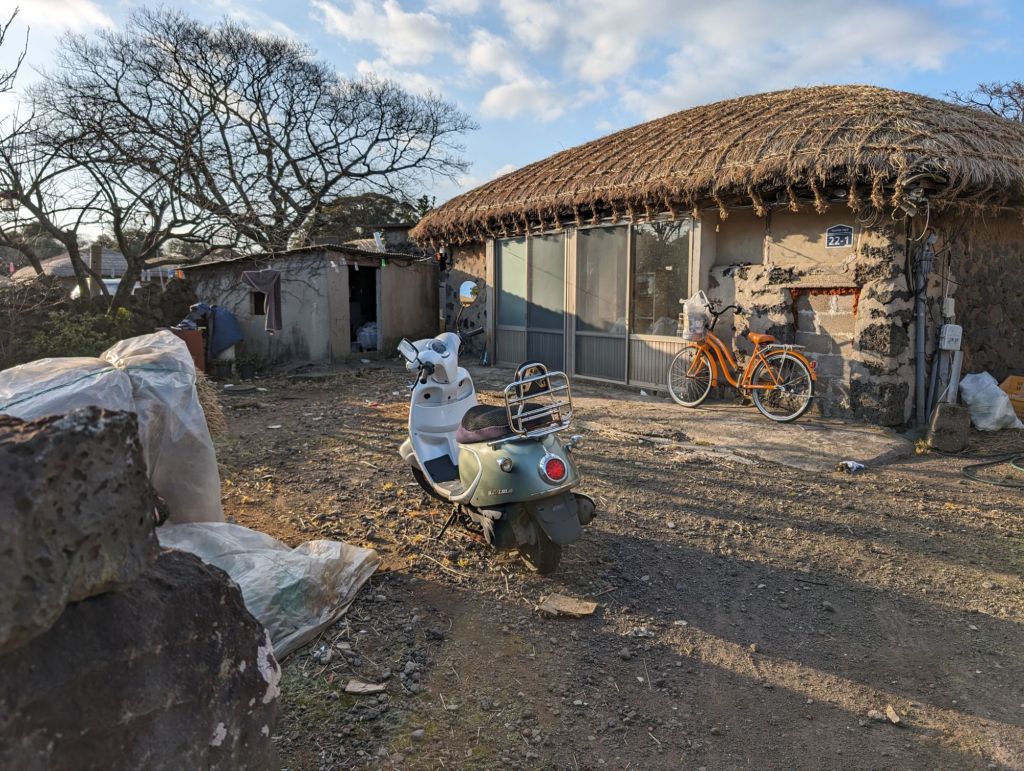
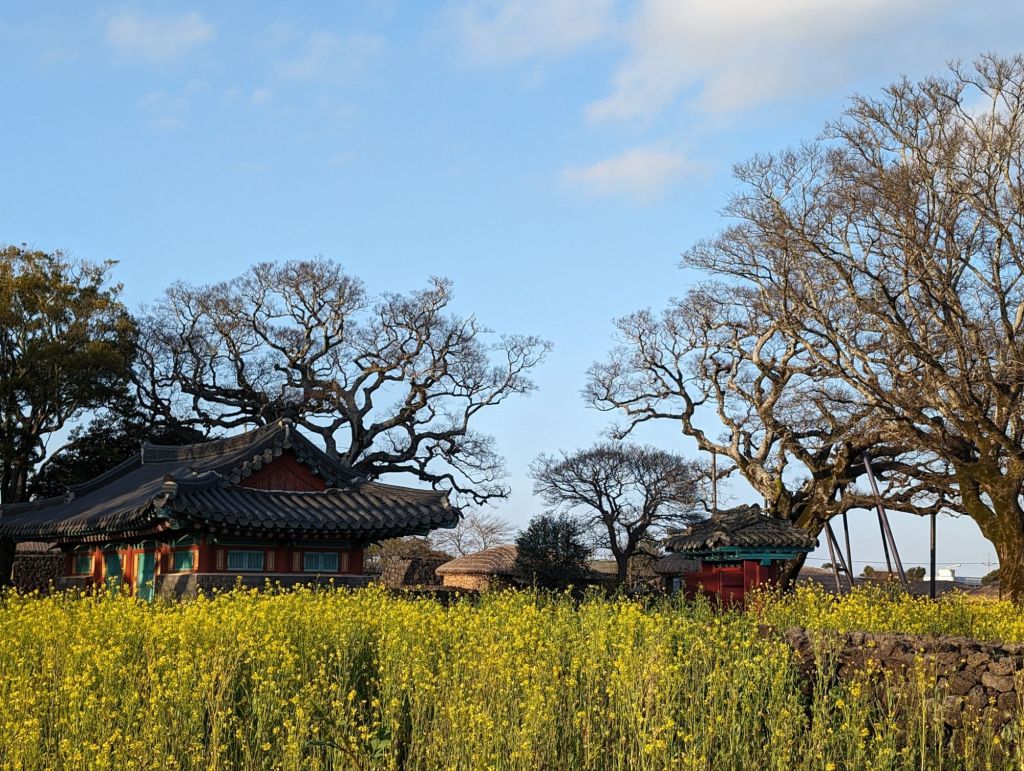
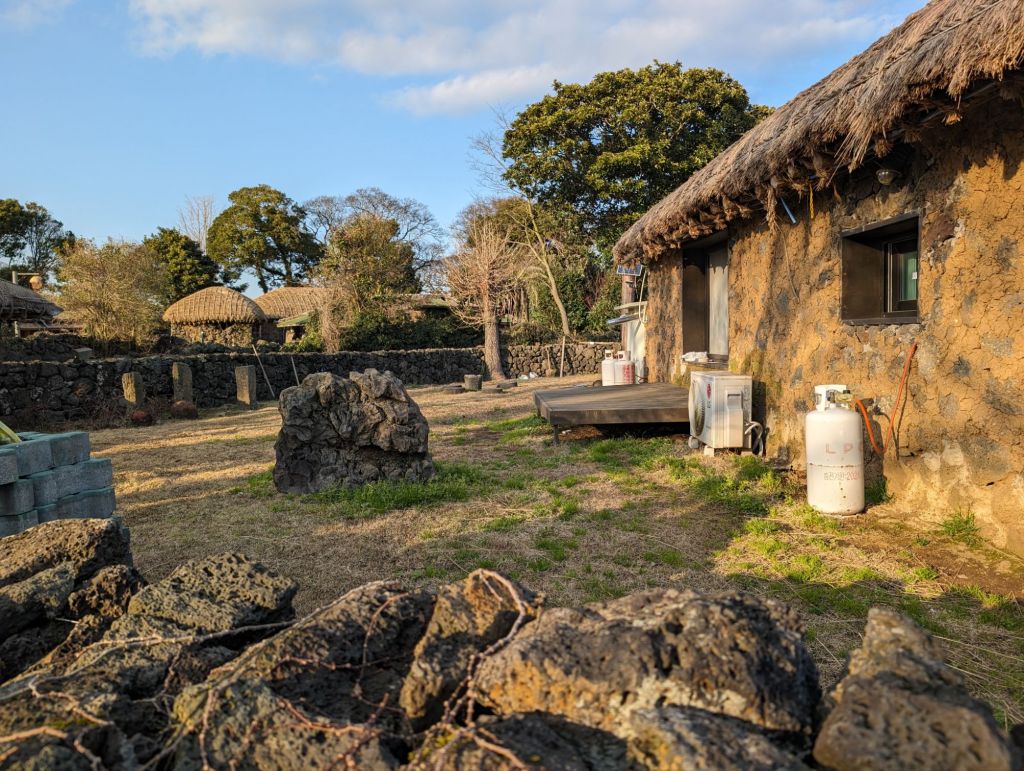
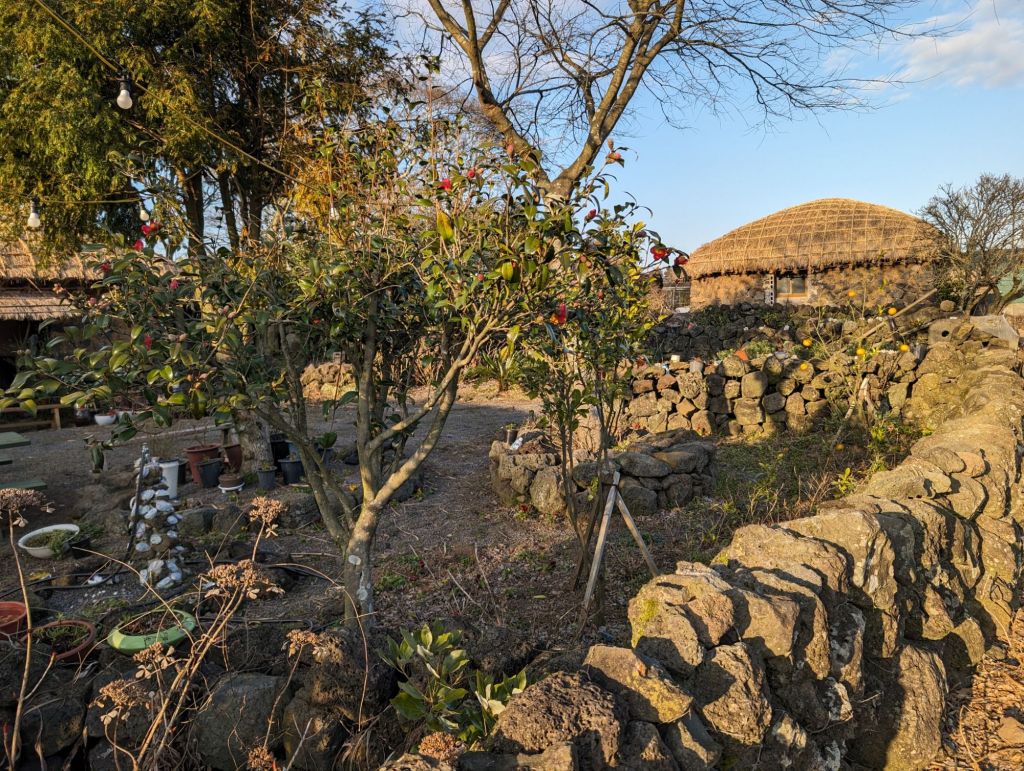
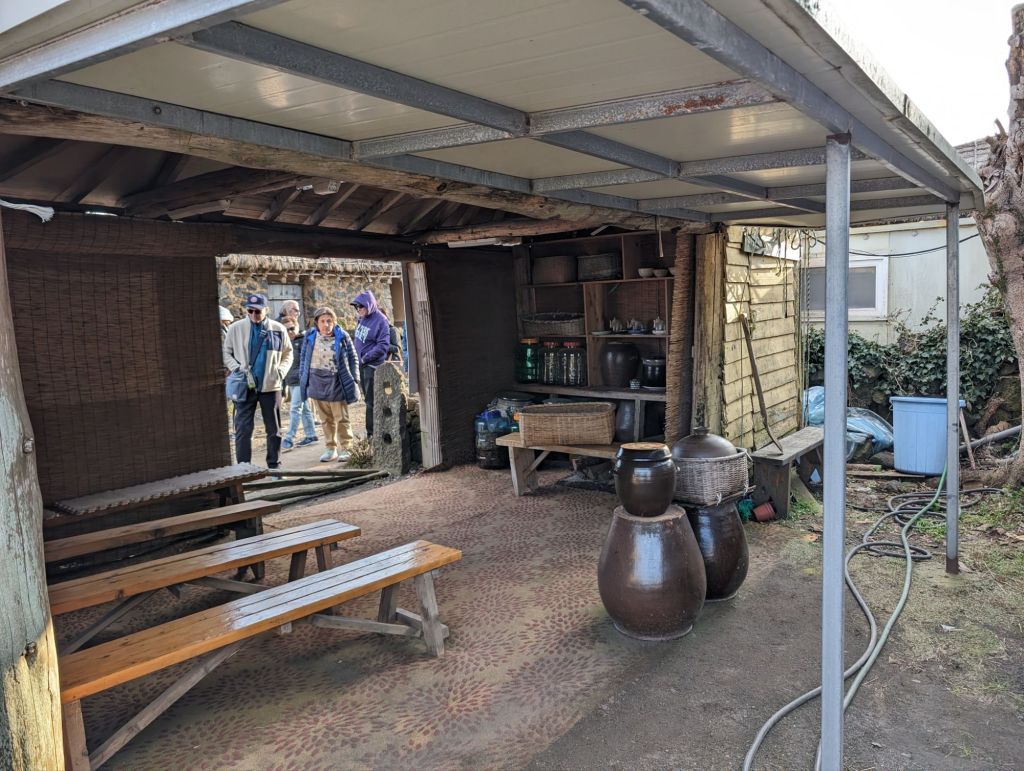
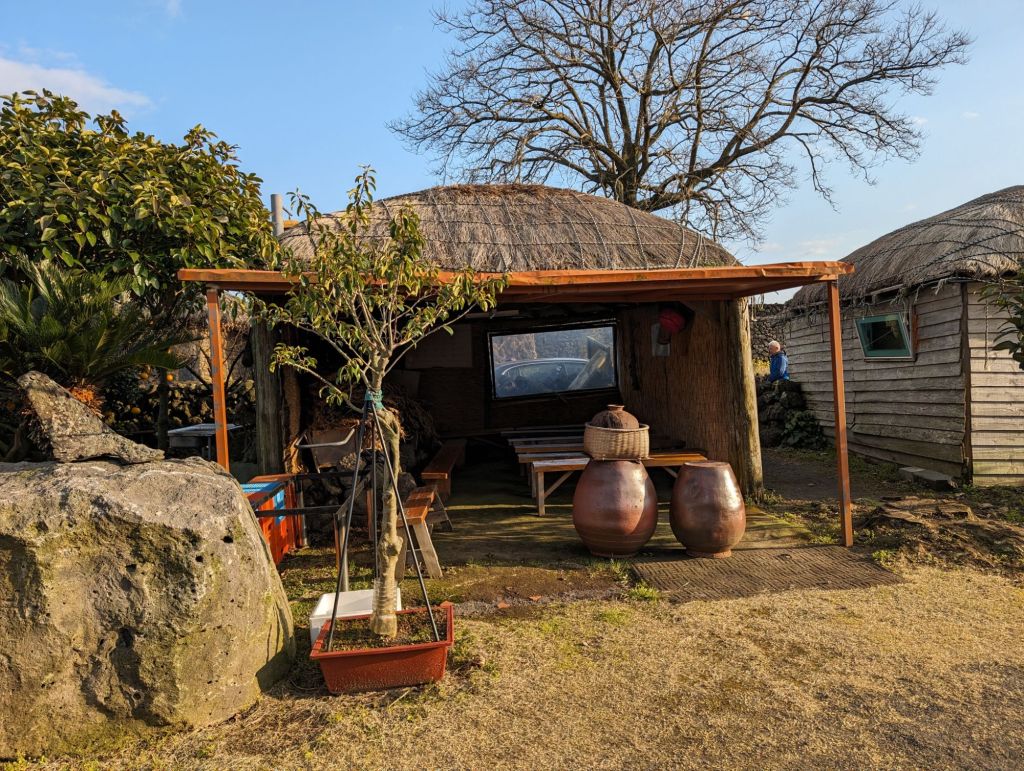
Speongeup Folk Village – this 500-year-old village began in Korea’s Joseon period (1392-1910) and is still in use today. This is not recreation but an actual traditional village. The government pays the people who have homes here a subsidy to maintain their homes as they are (with modern utilities of course) and to be a tourist attraction. It is an odd combination of a traditional antique village and modern life.
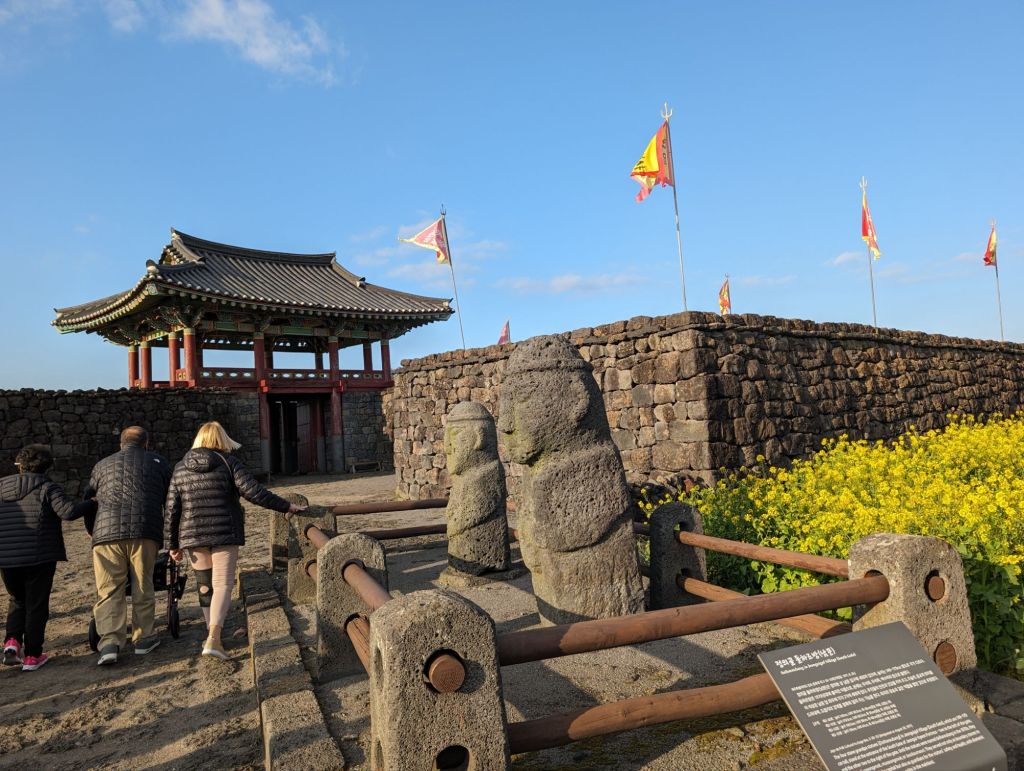
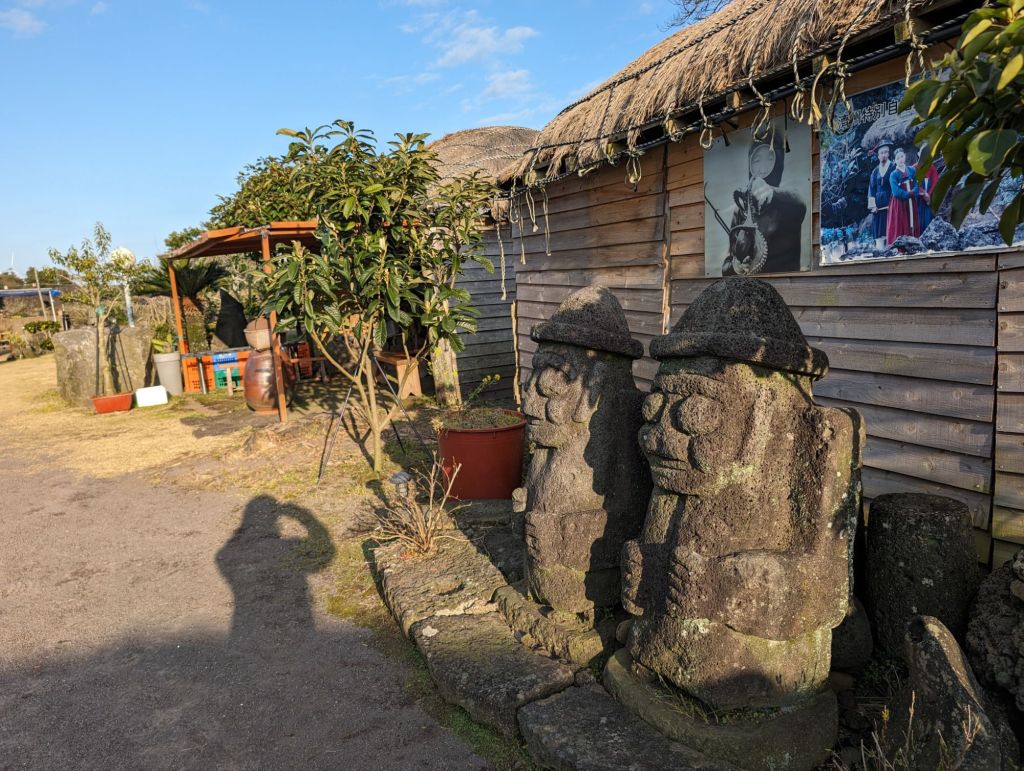
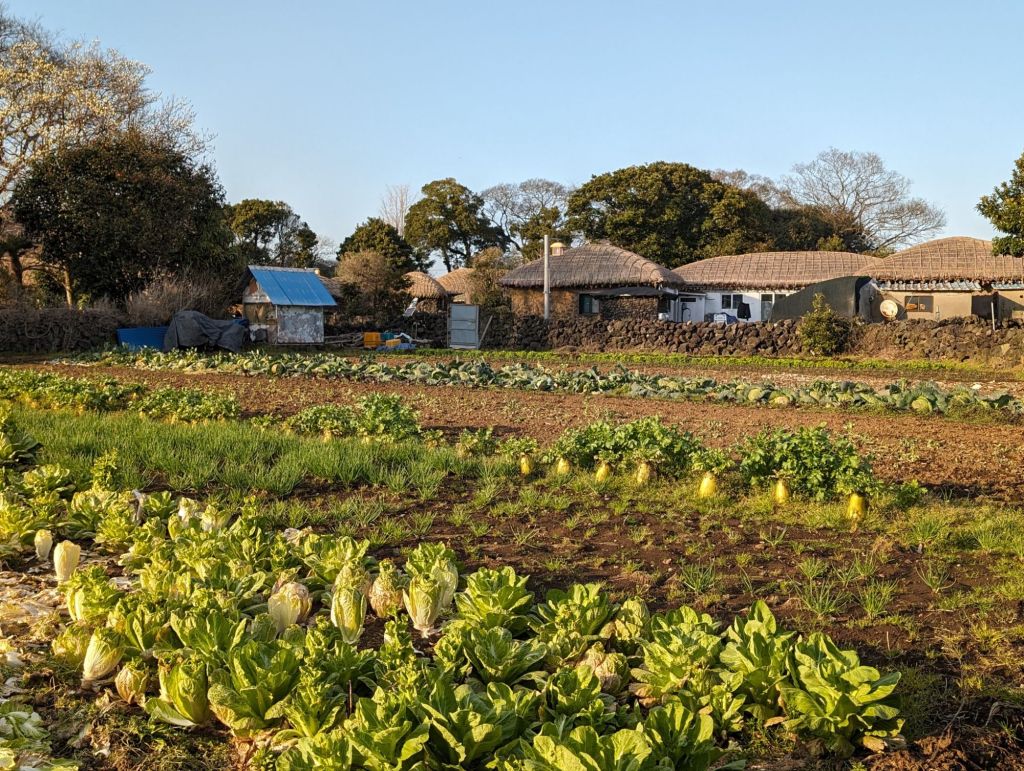
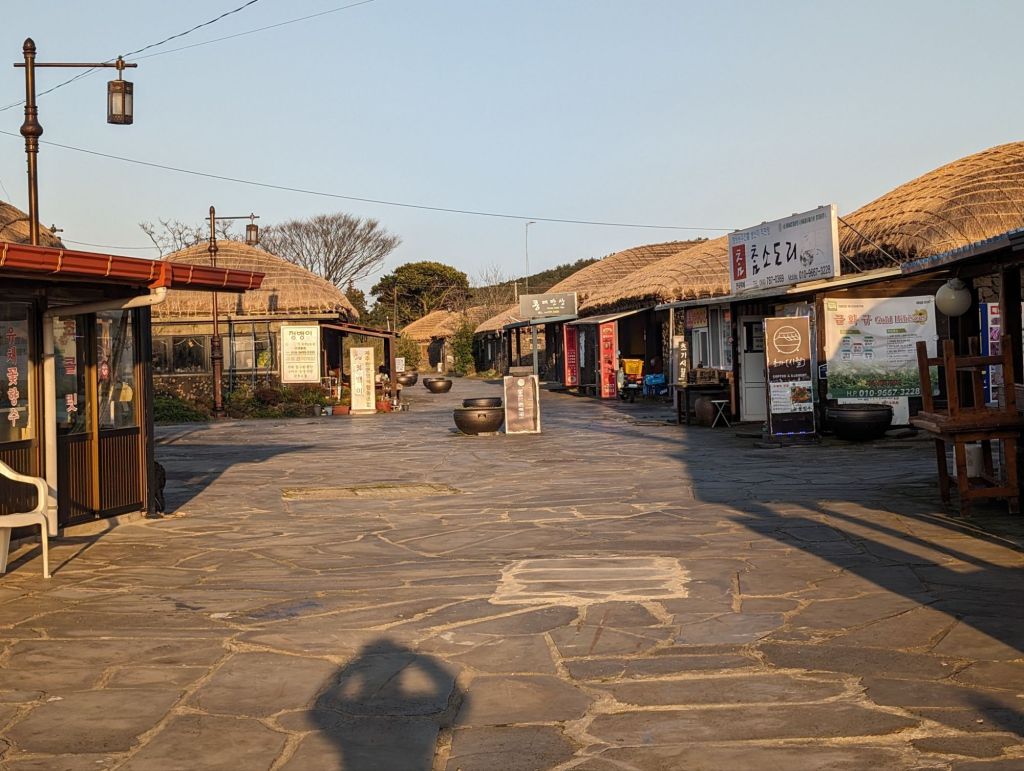
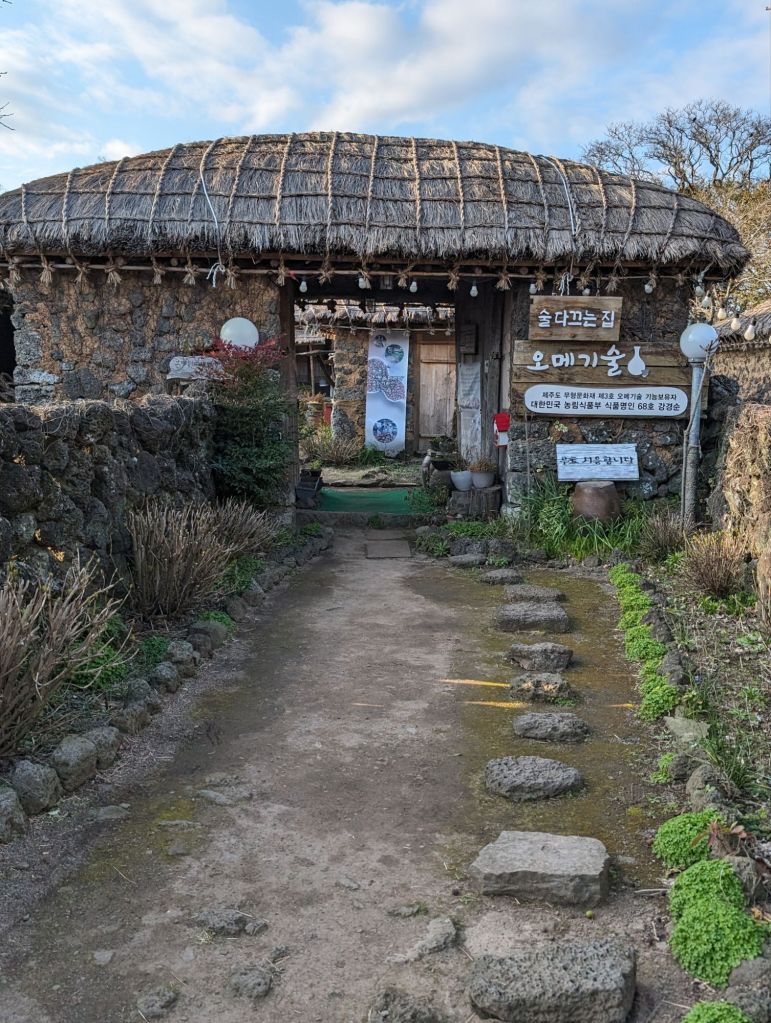
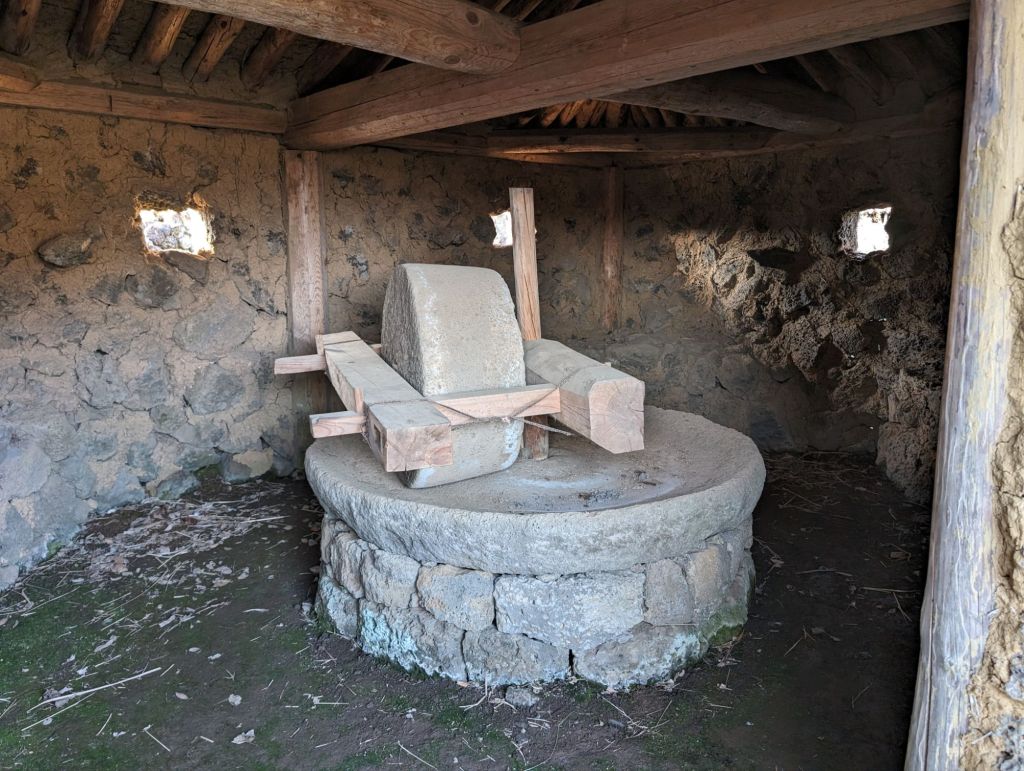
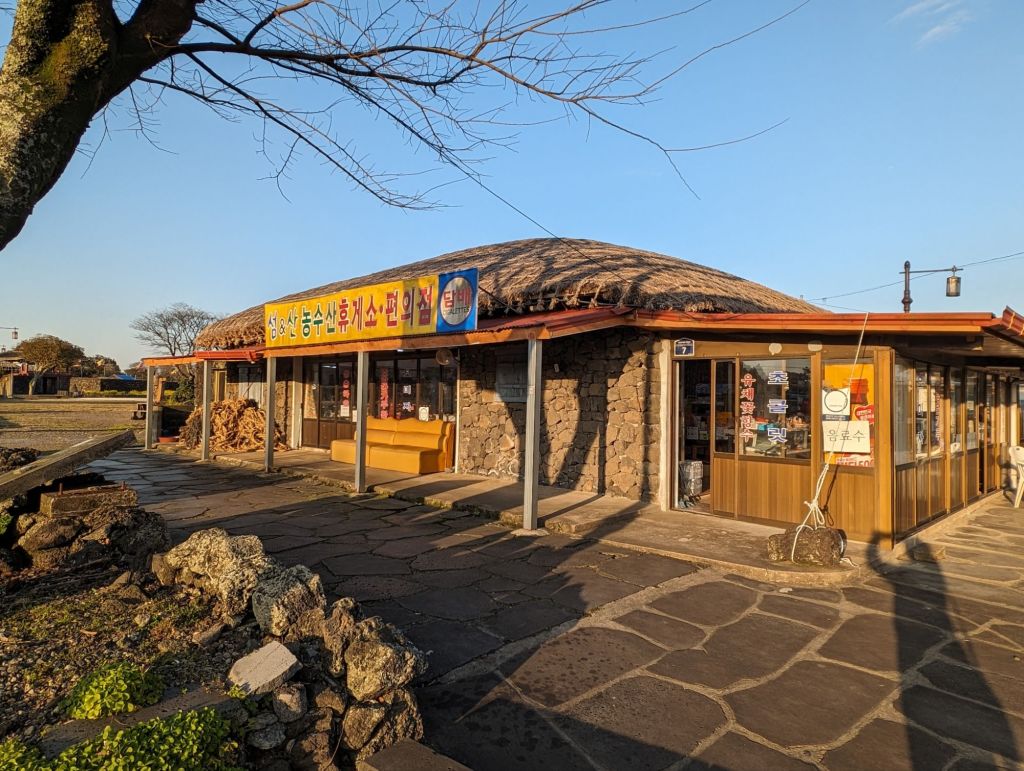
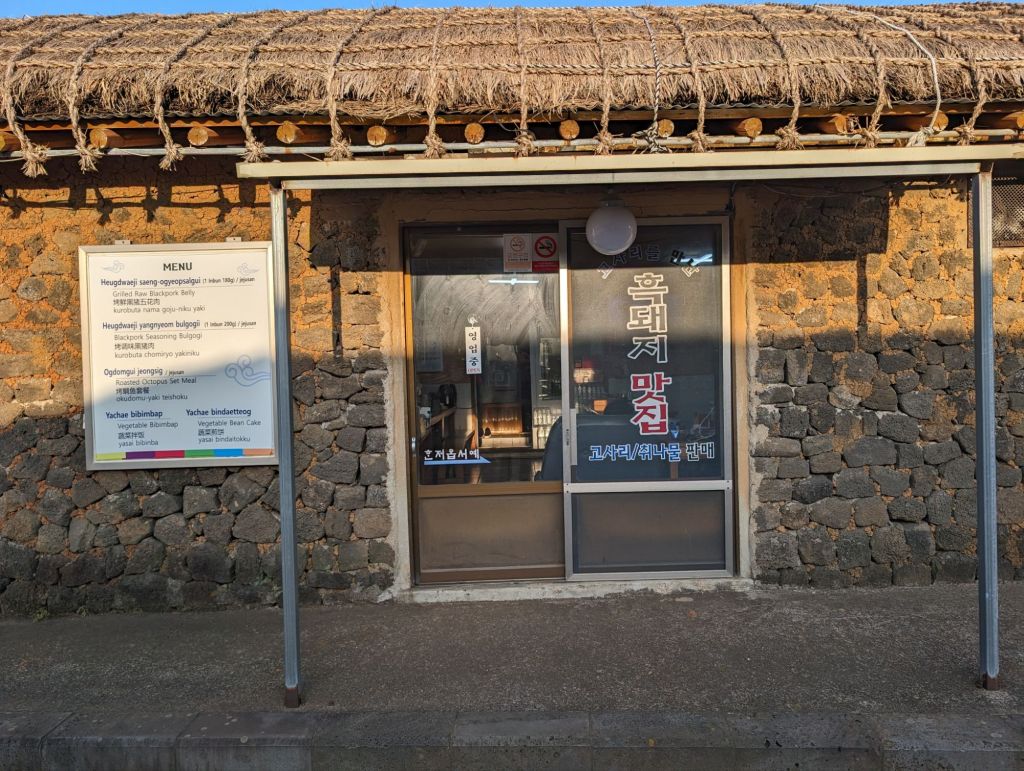
The hurabang here to guard the gate.The homes all have these mushroom-shaped thatched roofs.The local villagers keep this garden and eat and sell the produce. The cabbage is used to make their own kimchi.One part of the village has these shops which include restaurants selling local specialties, such as the black pig, which is only farmed here.The grinding stone is part of the original equipment that was used to produce grain and flour.


 J and J Travel