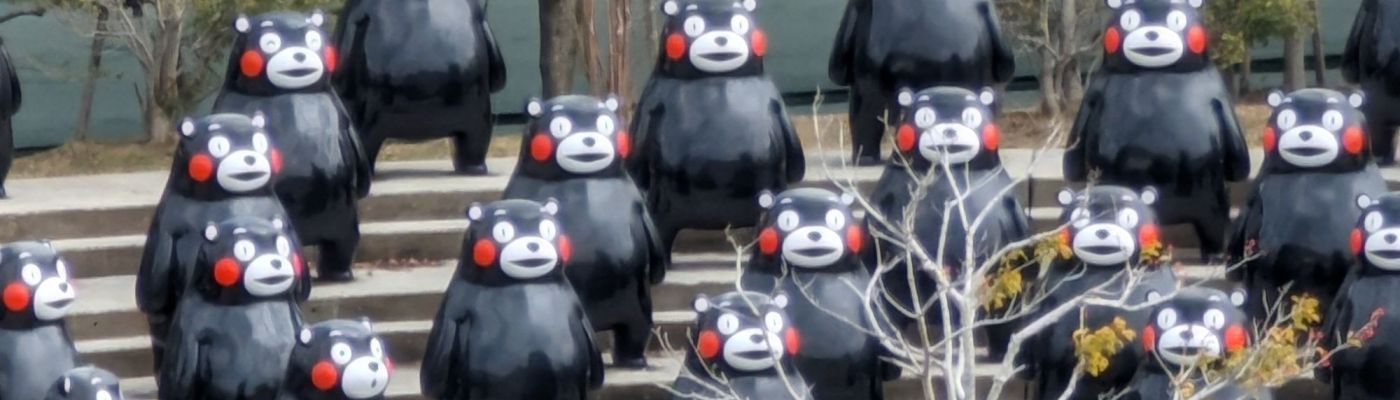
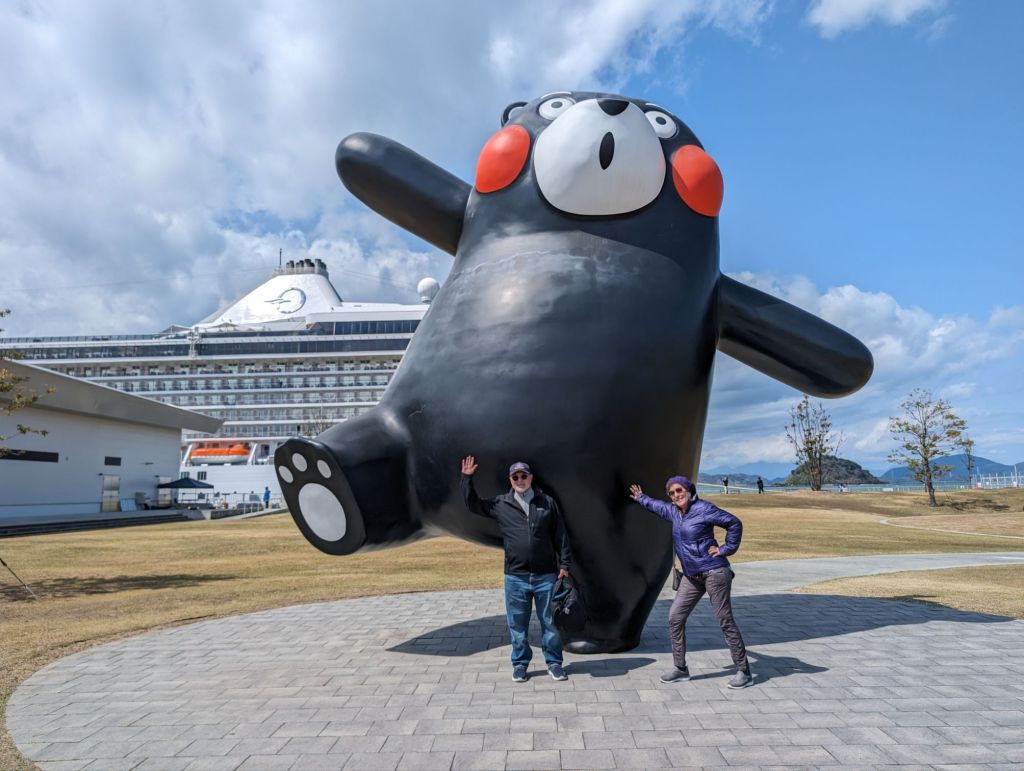
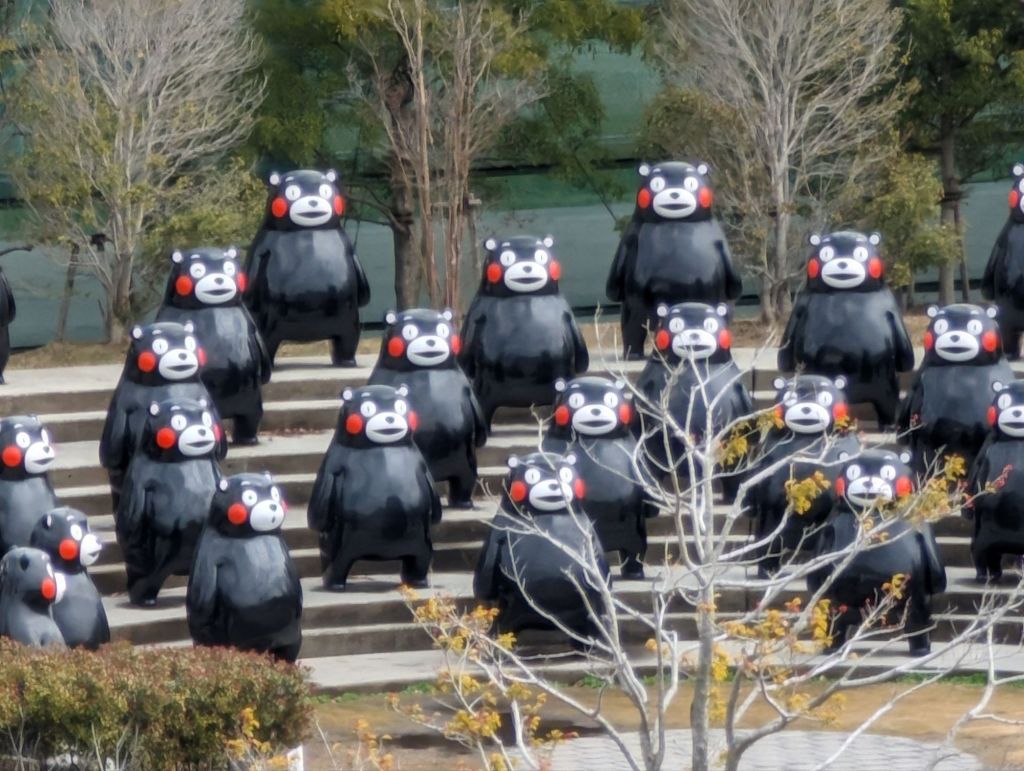
The rural Prefecture, or district, of Kumamoto made a push to increase tourism when the country’s high speed train line was extended to them more than a decade ago. The result was the creation of this mascot, Kumamon. It’s a charming story of the little engine that could. The cute apple -cheeked bear vaulted over hundreds of other mascots from Japanese towns and cities to become an international sensation. He has generated more than 1.2 billion in economic benefits for his region, including product sales and tourism. Now that’s some bear!
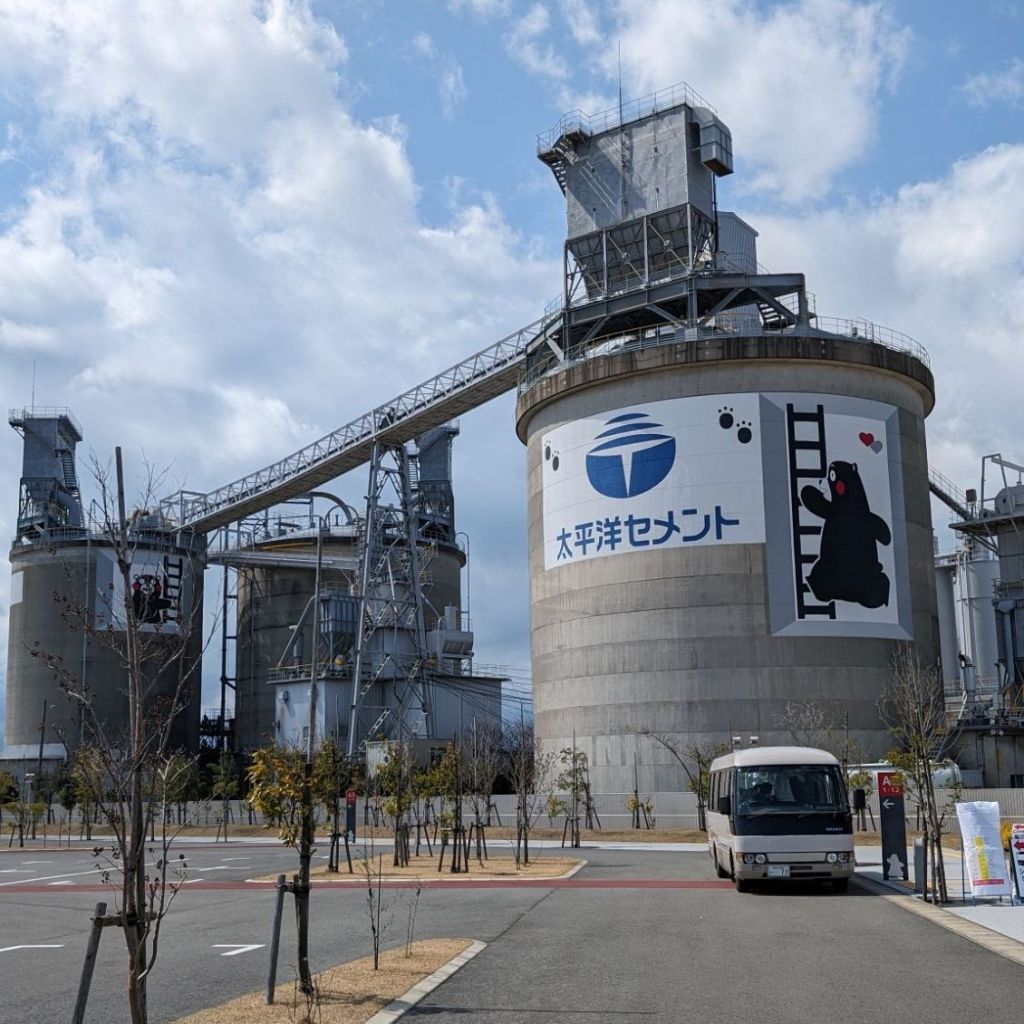
Kumamon shows up everywhere, even climbing up the port’s oil tank.
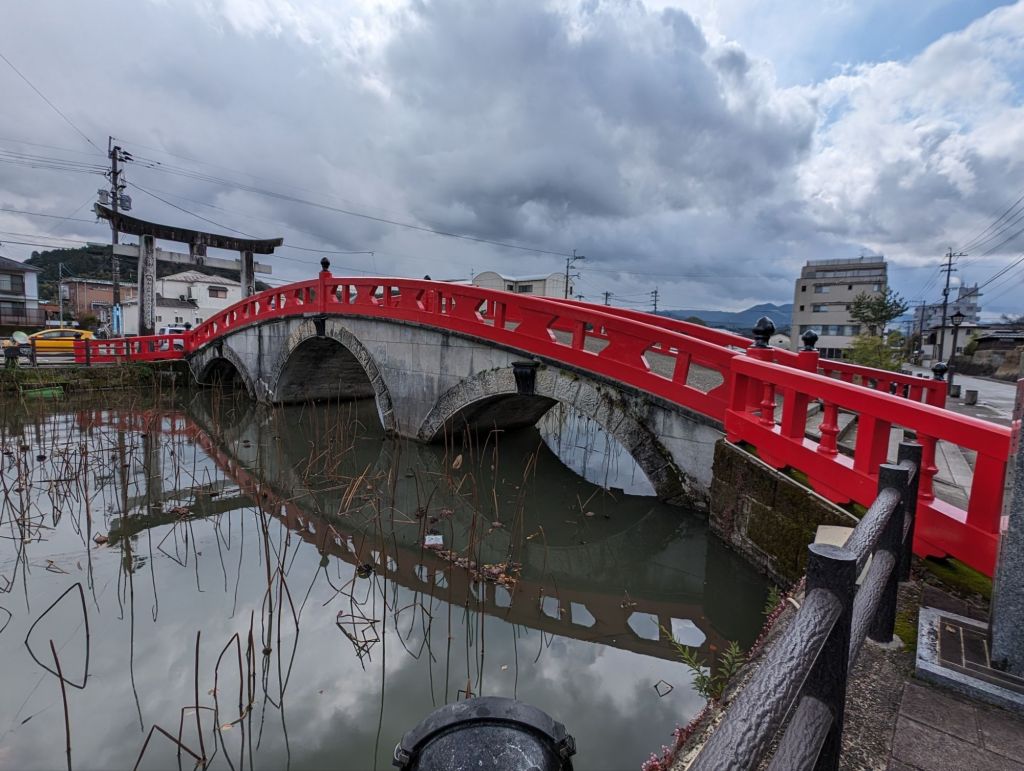
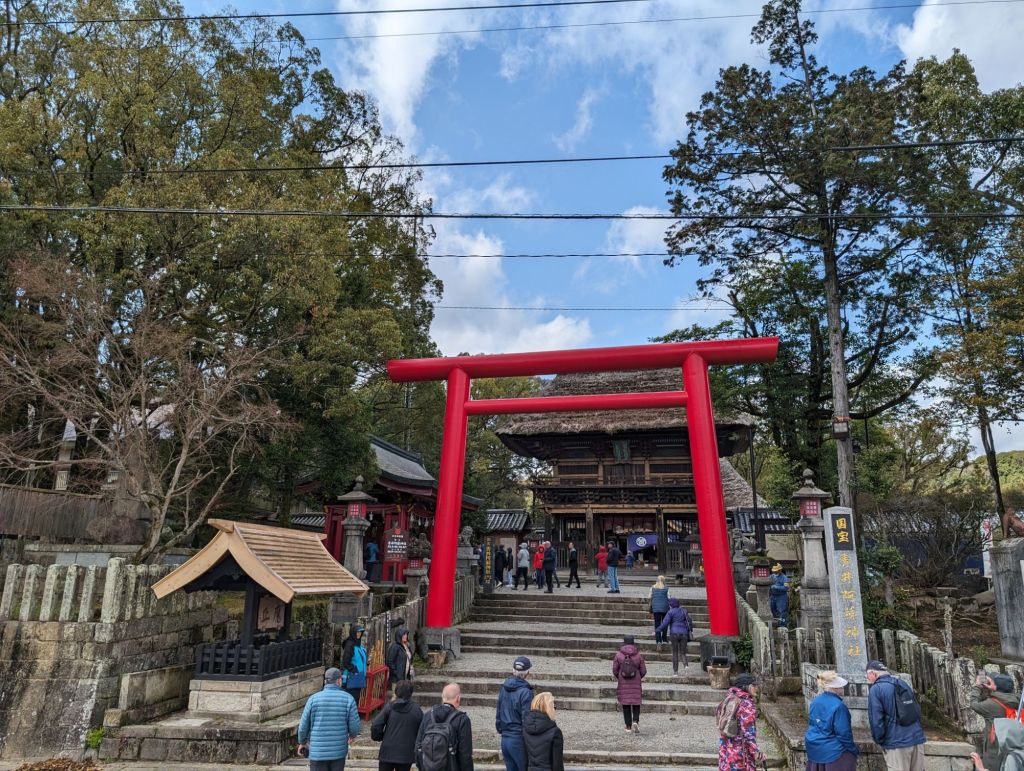
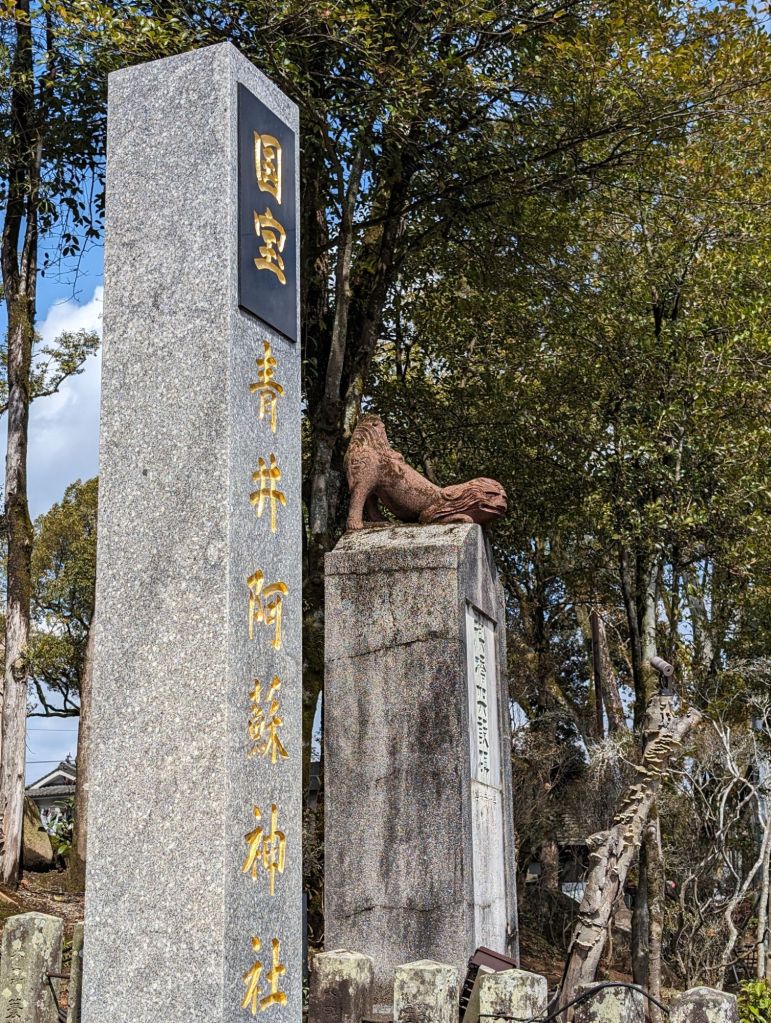
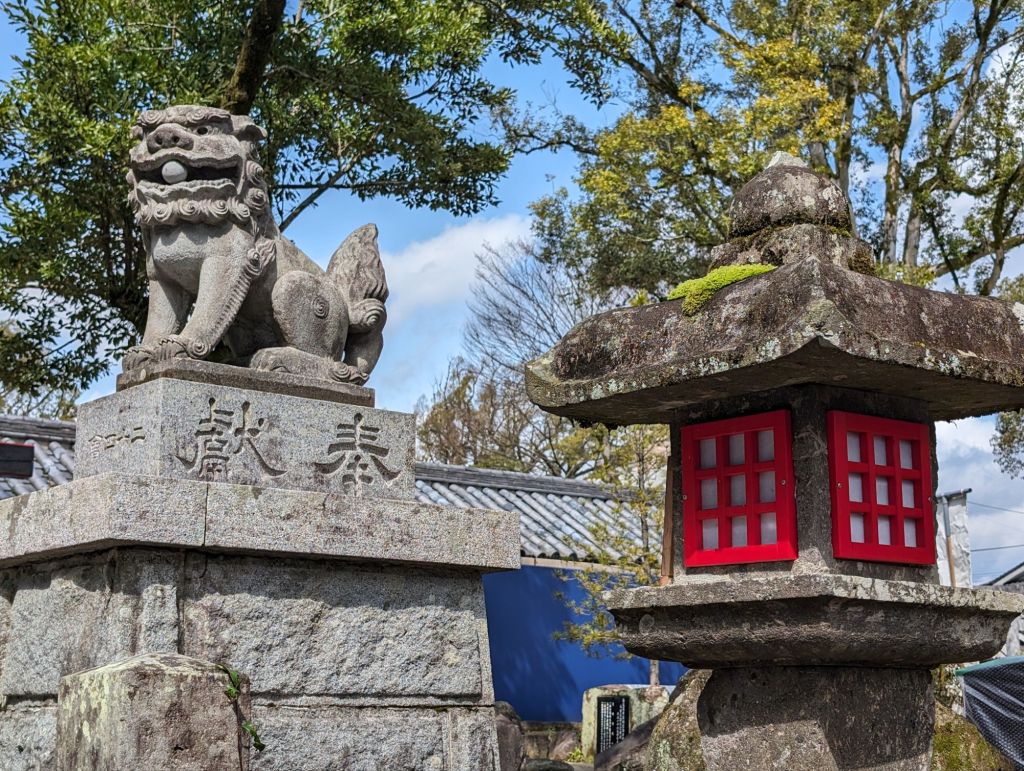
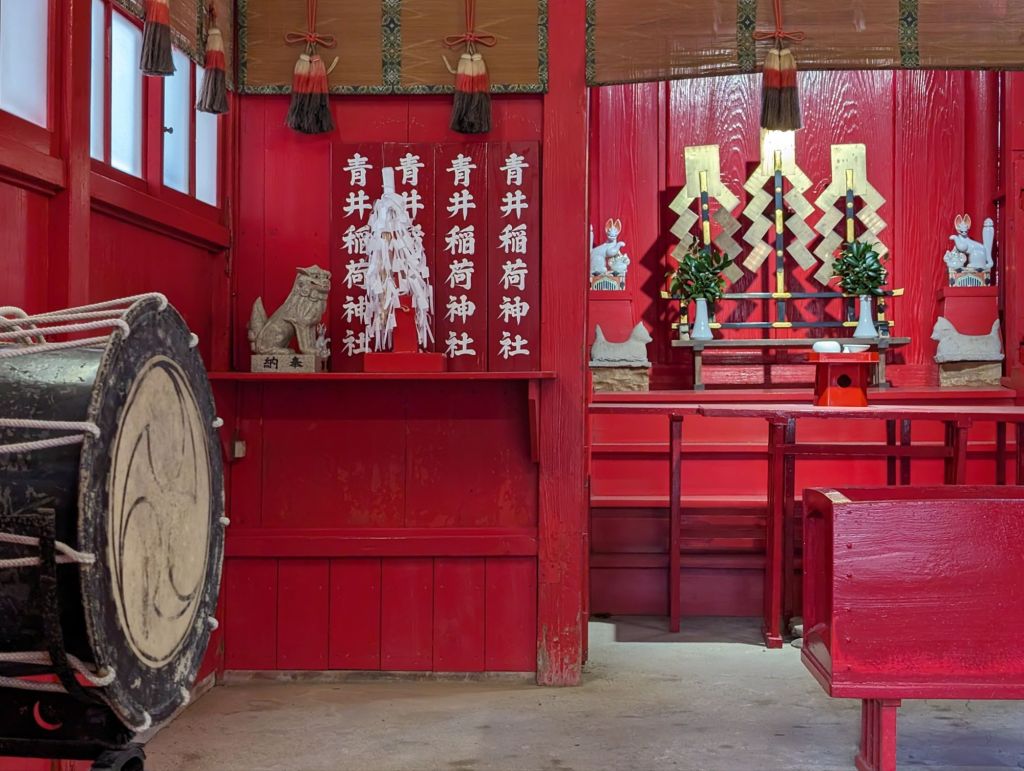
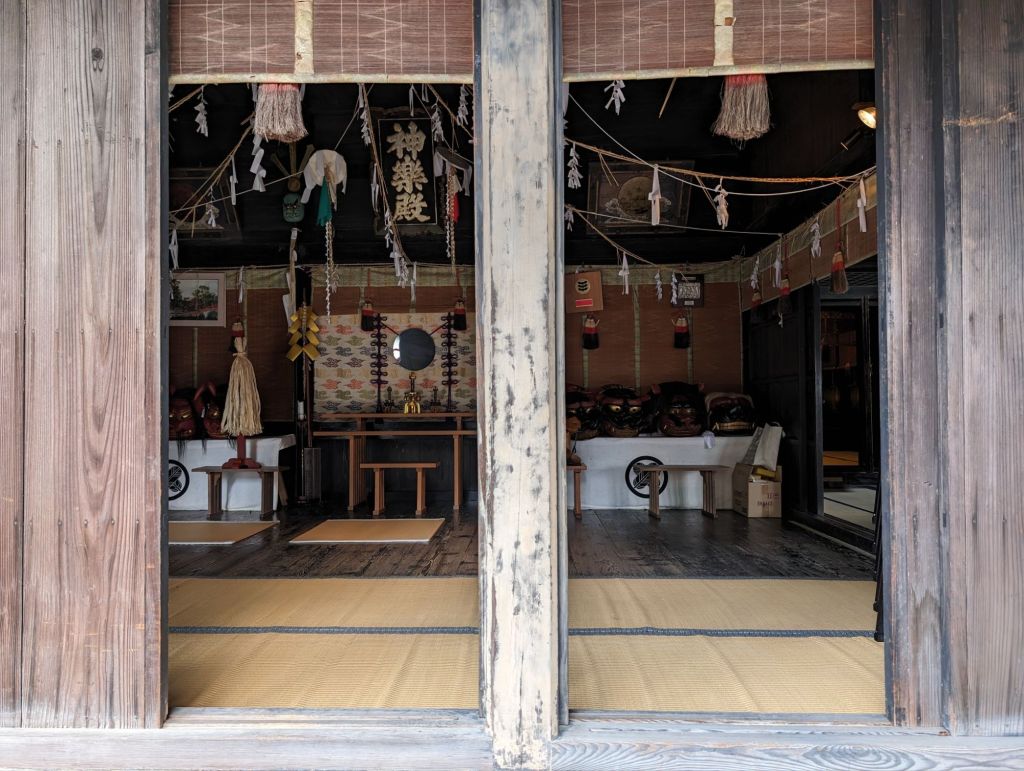
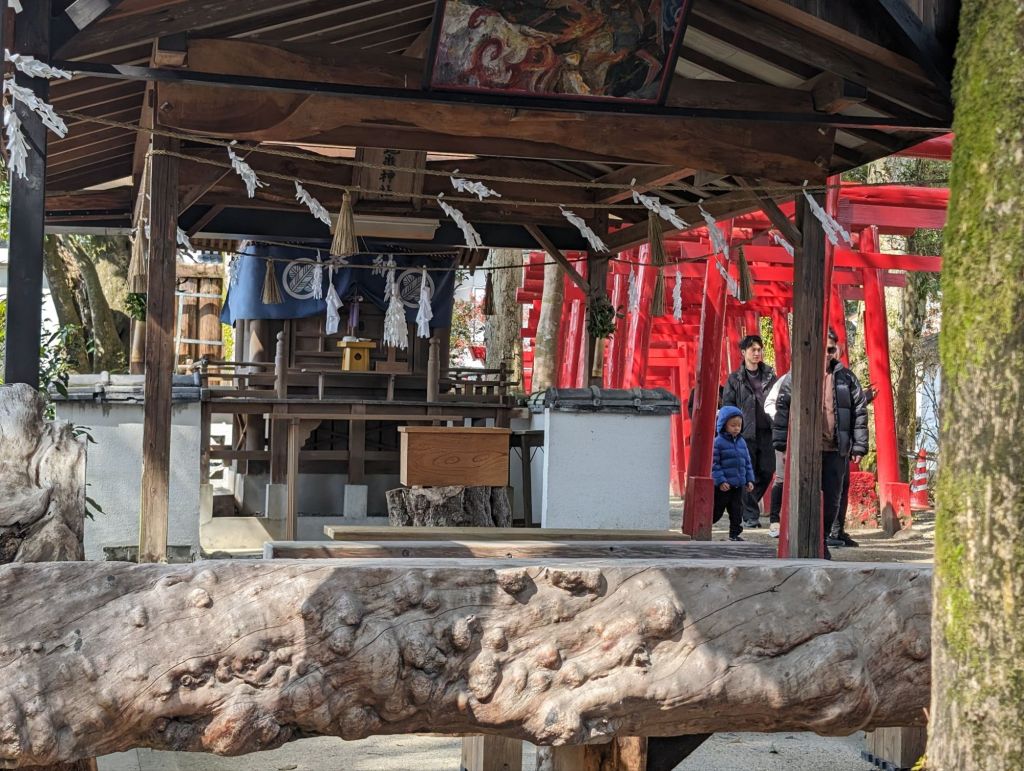
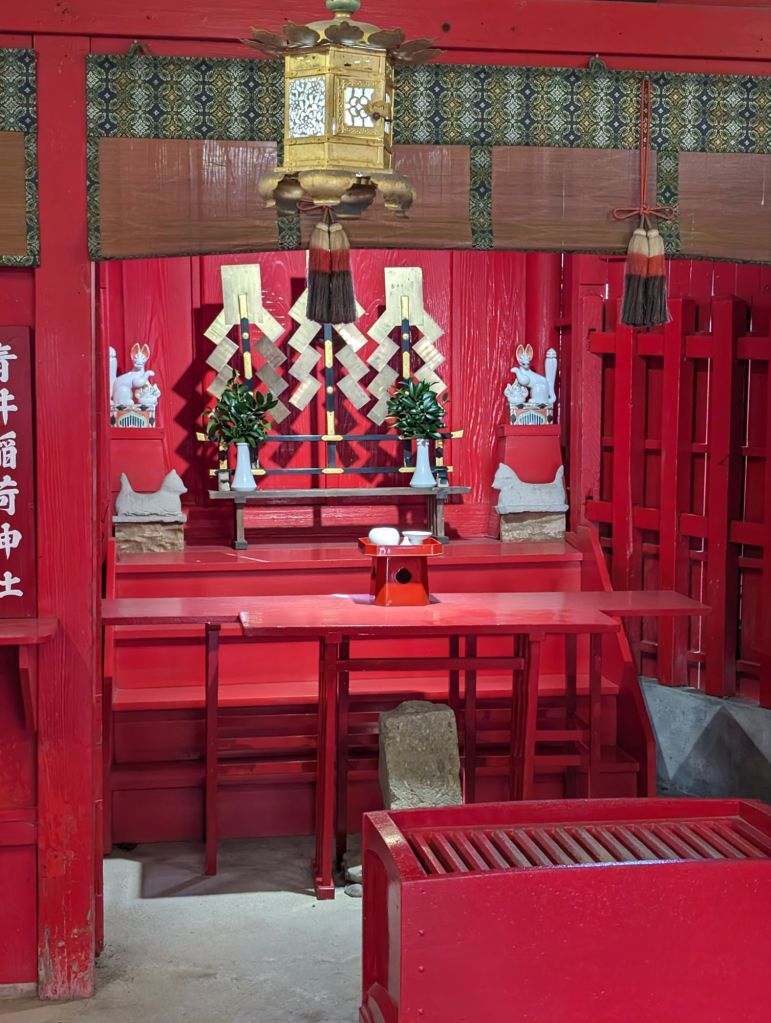
We drove to the city of Hitoyoshi, where we visited the Aoi-Aso Shinto Shrine. It was originally erected in 806, but this structure goes back to 1610, when it was built by the feudal lord of the Sagara clan. It is the only official National Treasure in the Kumamoto Prefecture.
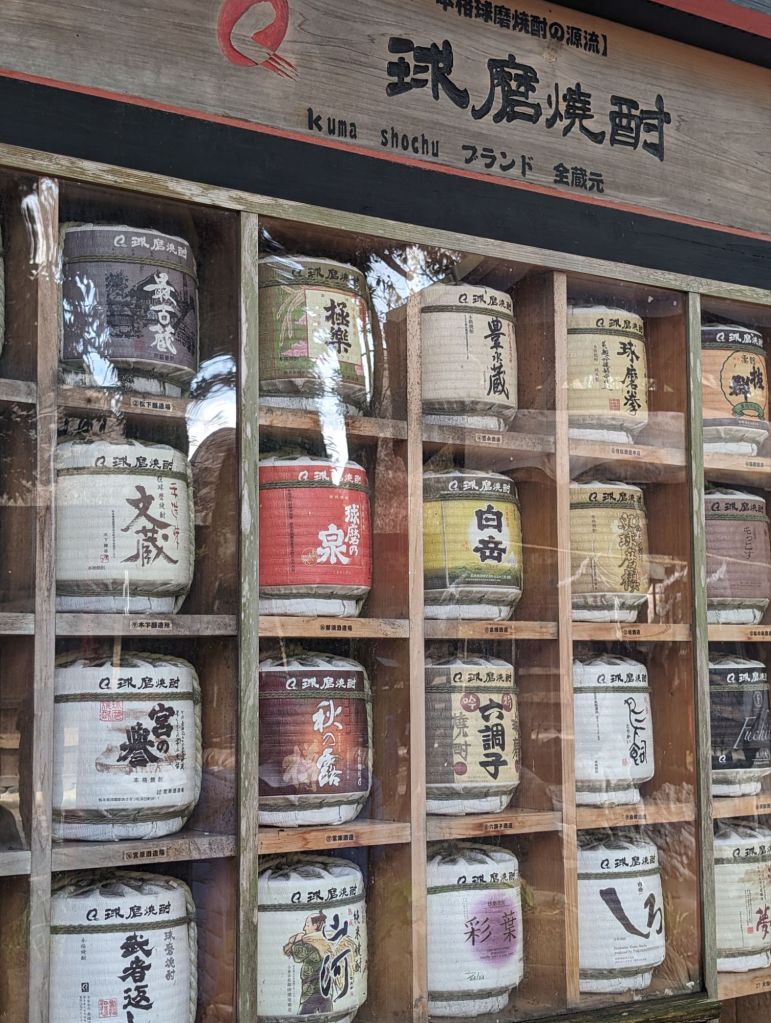
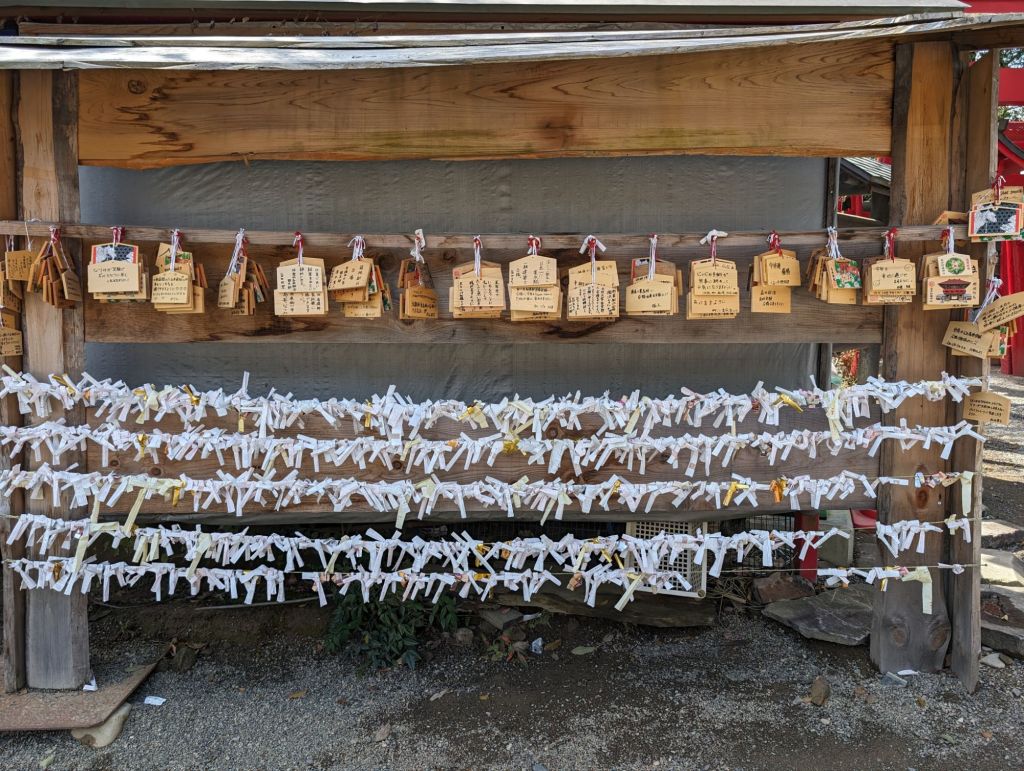
This is called the purity bridge, as it crosses the river over to the shrine where one can achieve purification.The red Torii, or gate marks the journey from the secular world to the sacred.These Shochu bowls, which are the special local alcohol drink, are gifts for the gods. Manufacturers donate the first bowl of each year’s new batch to the shrine. You find them in Shinto, but not Buddhist shrines. The majority of Japanese worship both religions, which are compatible with each other.Both the paper messages tied to these strings and the wooden plaques above are wishes worshipers ask the gods to fulfill.
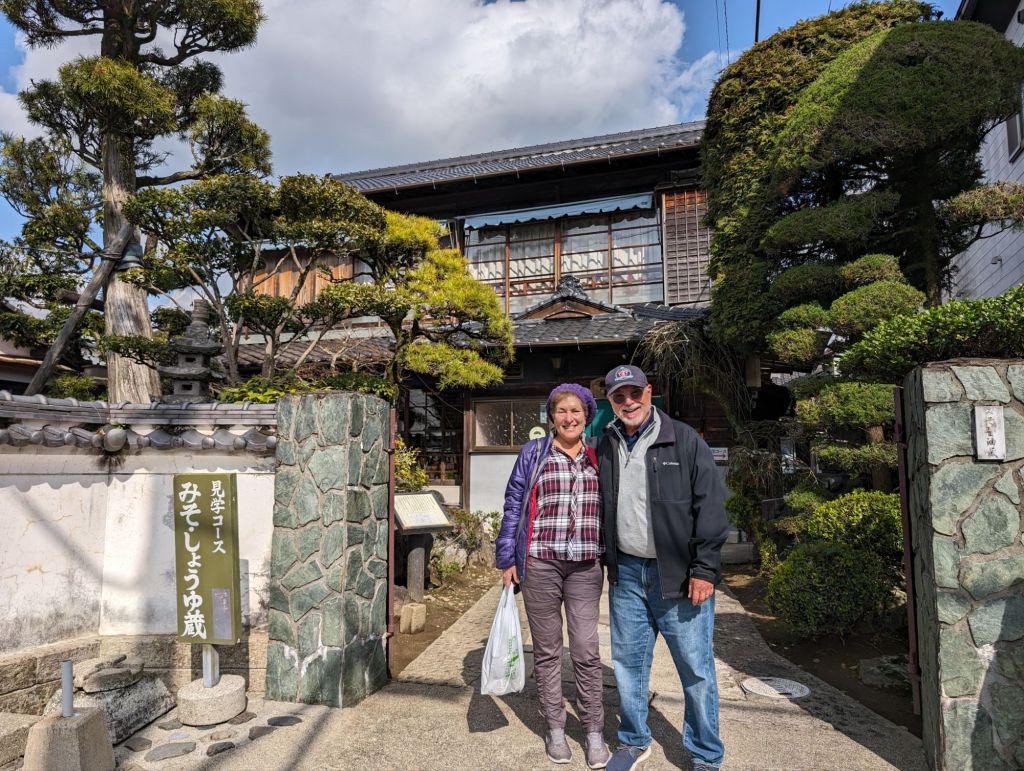
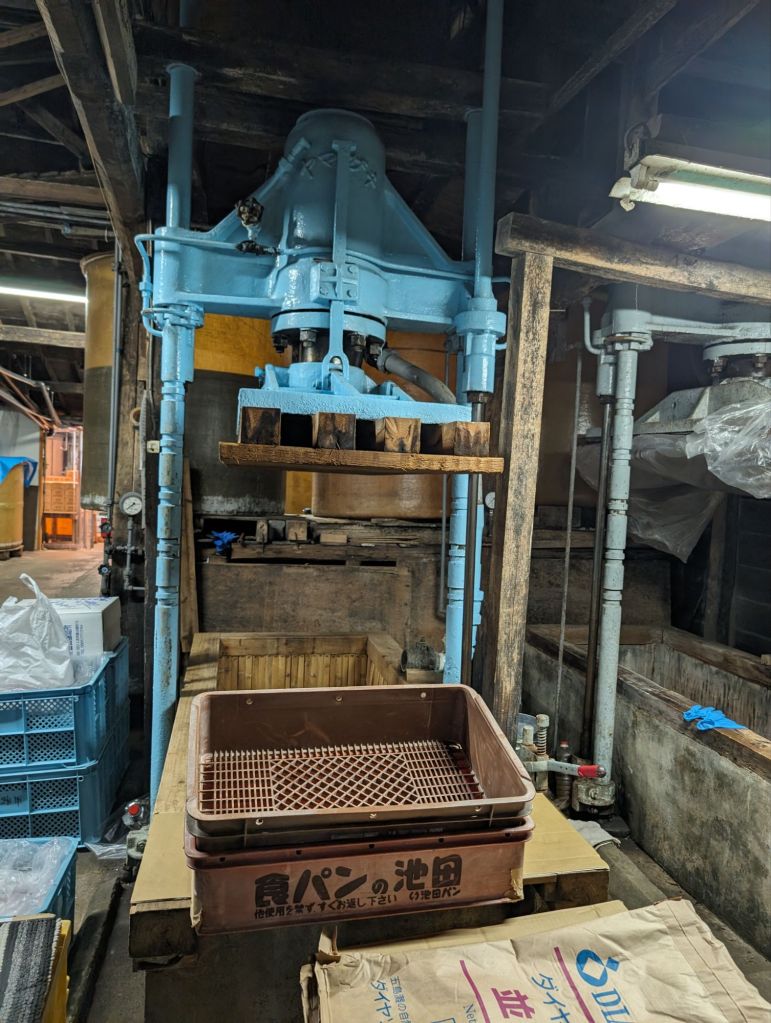
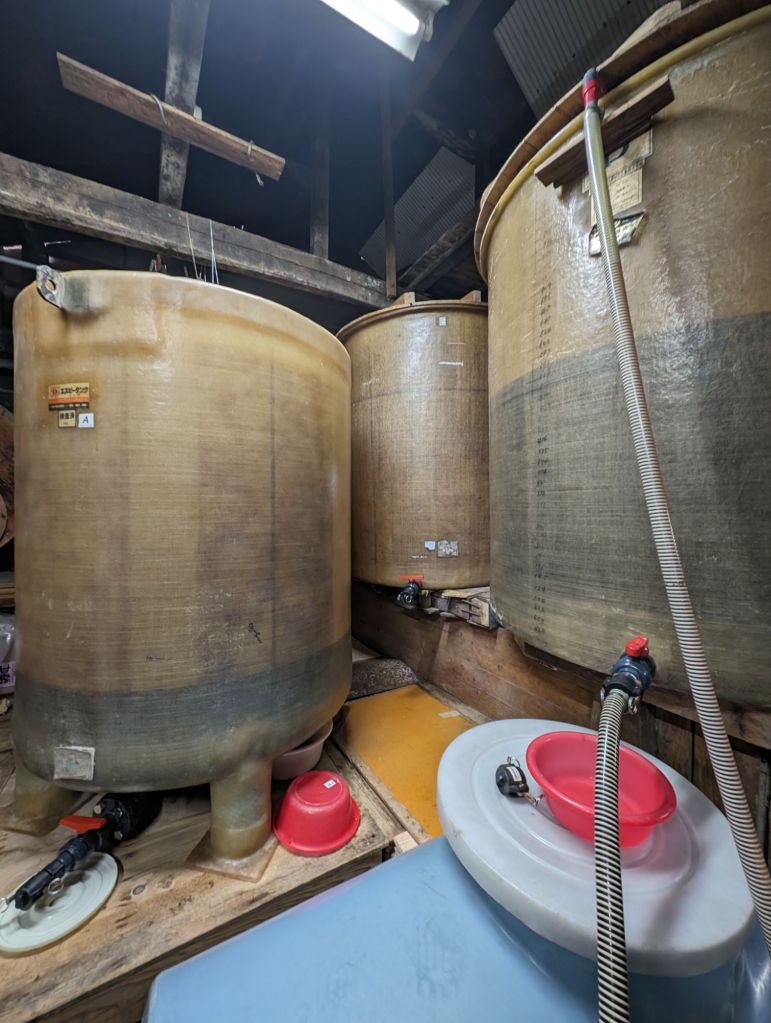
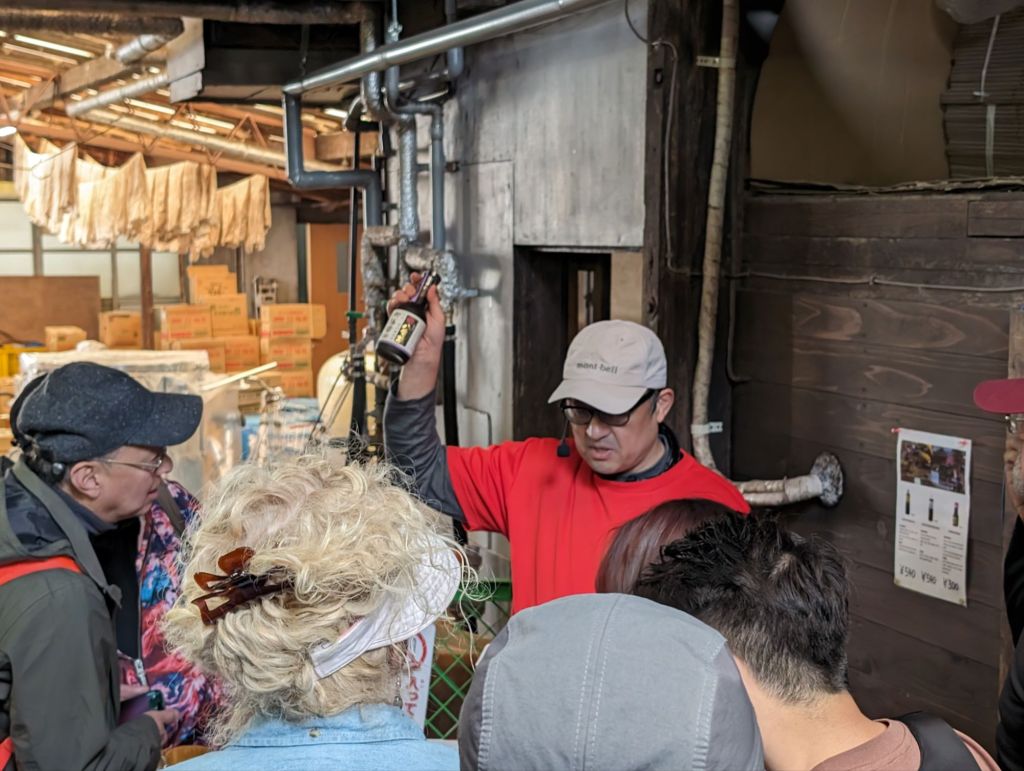
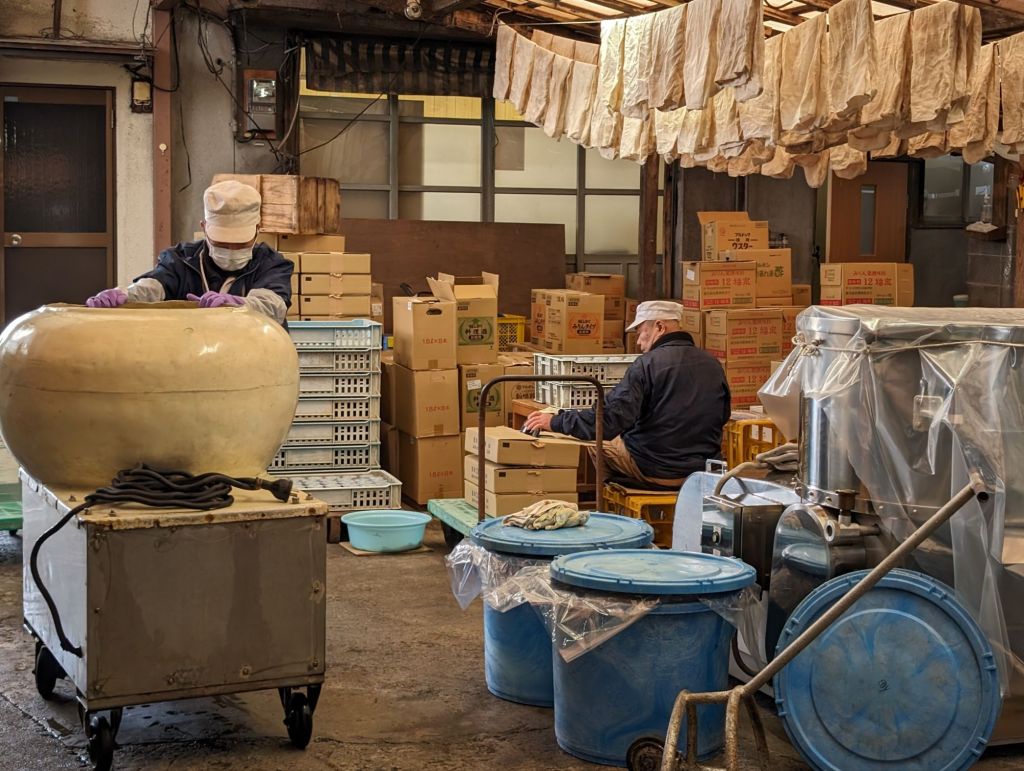
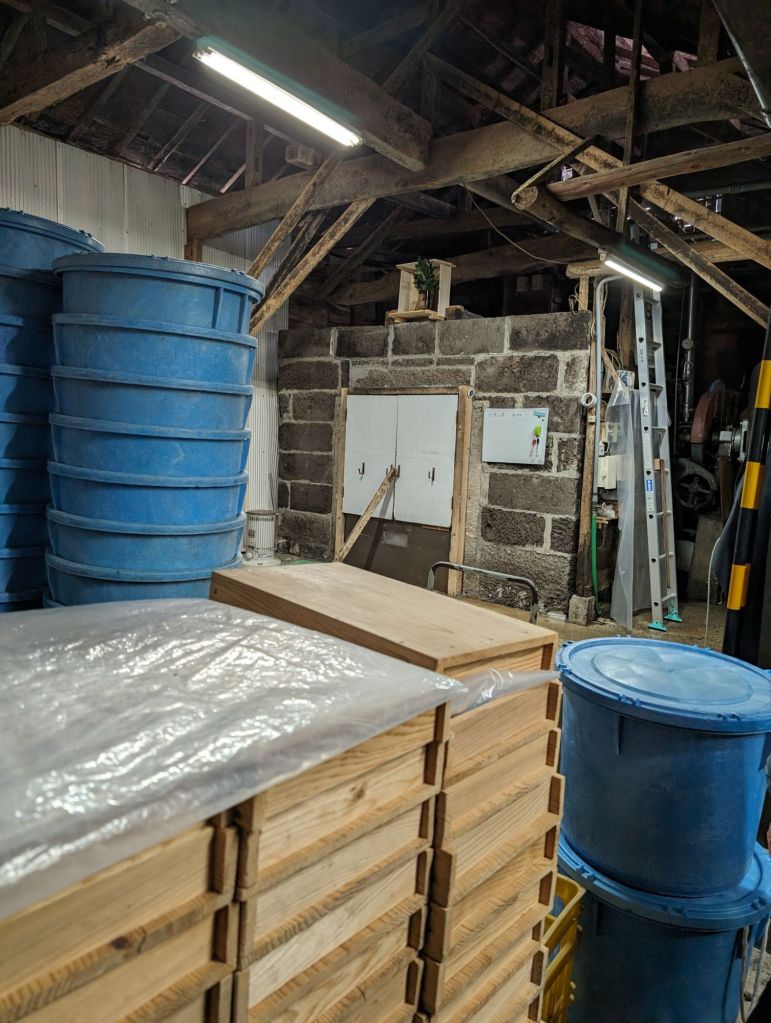
We visited the Kamata Jozoshu Miso Shoyu Brewery, where this 93-year-old company continues to brew soy sauce and make miso and other soy products in a traditional fashion.
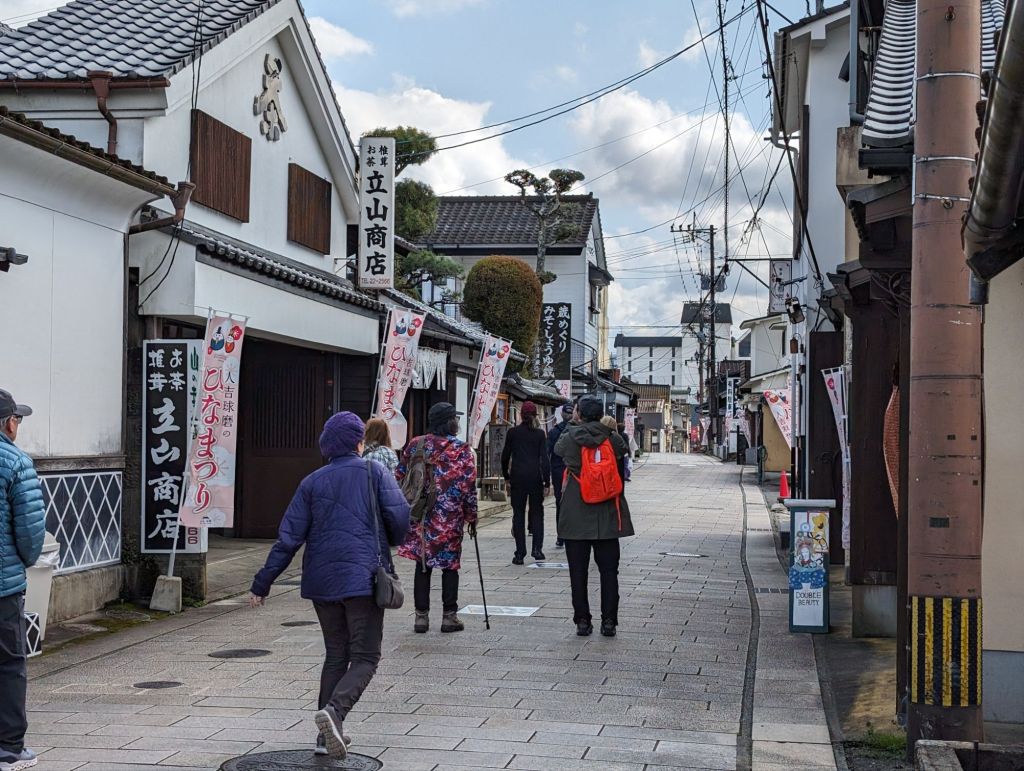
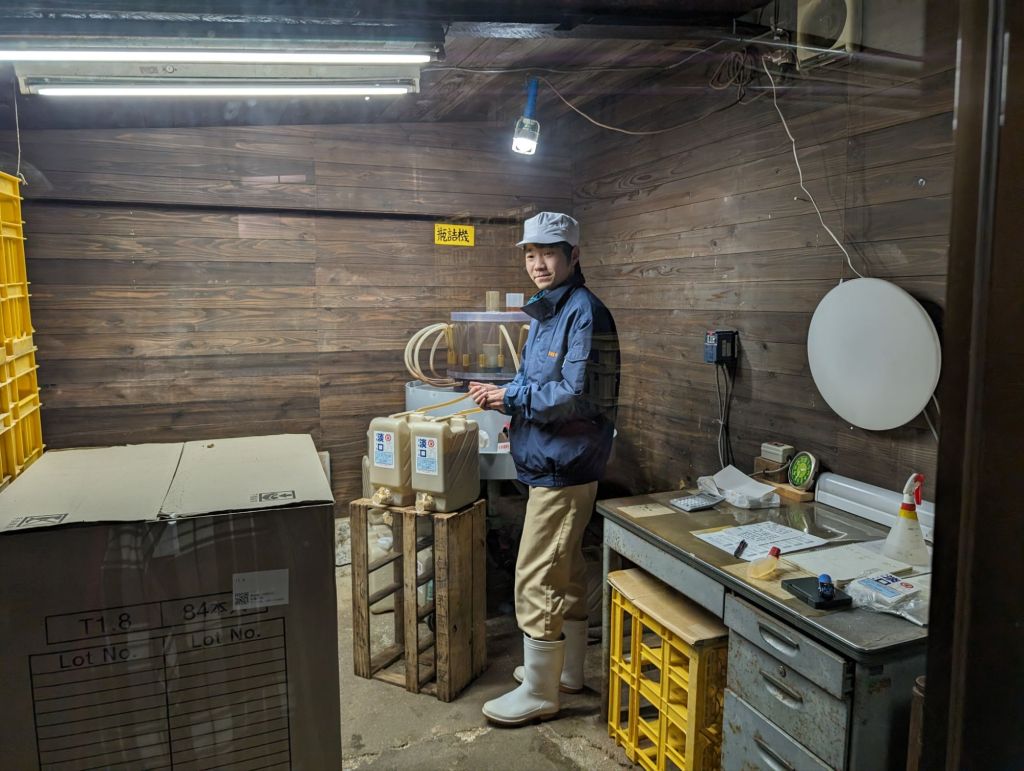
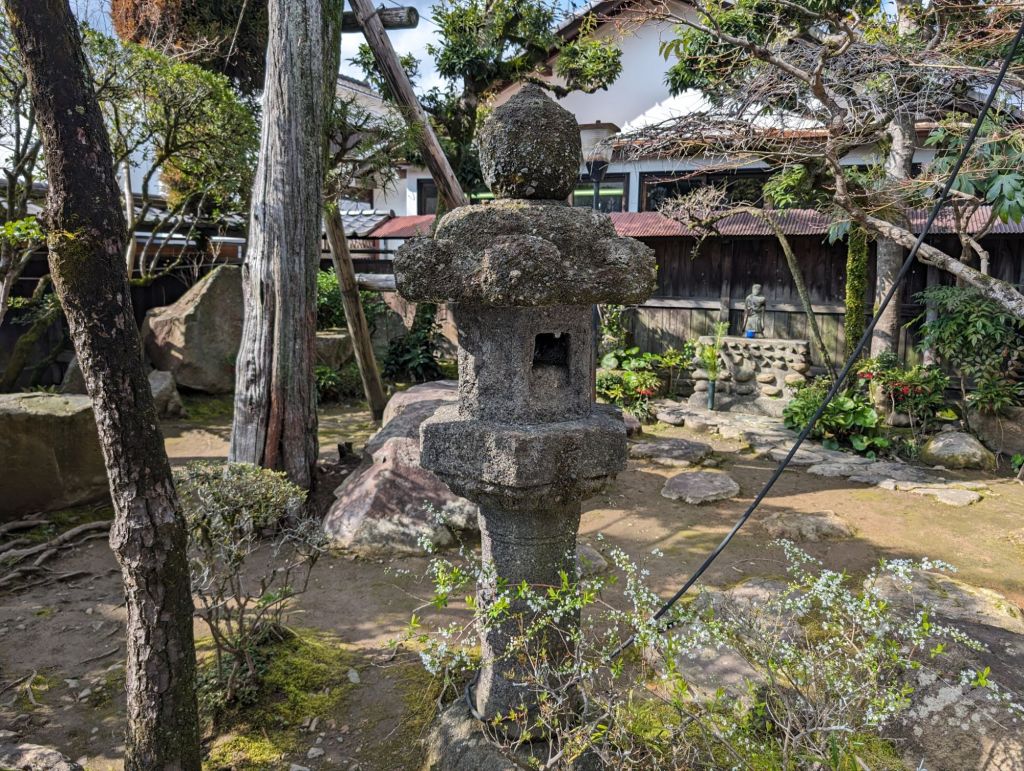
The street leading up to the brewery has a lovely old-fashioned feel.This is the hydraulic press that squeezes the raw soy sauce out of a linen bag after a 3-day pressing.These soy sauce vats, where the product is fermented, are made of glass.This worker gave us a friendly nod as he piped soy sauce into containers.We were invited to sample some of their products in this room while we sipped green tea.There was a lovely, quiet Japanese garden on the property.
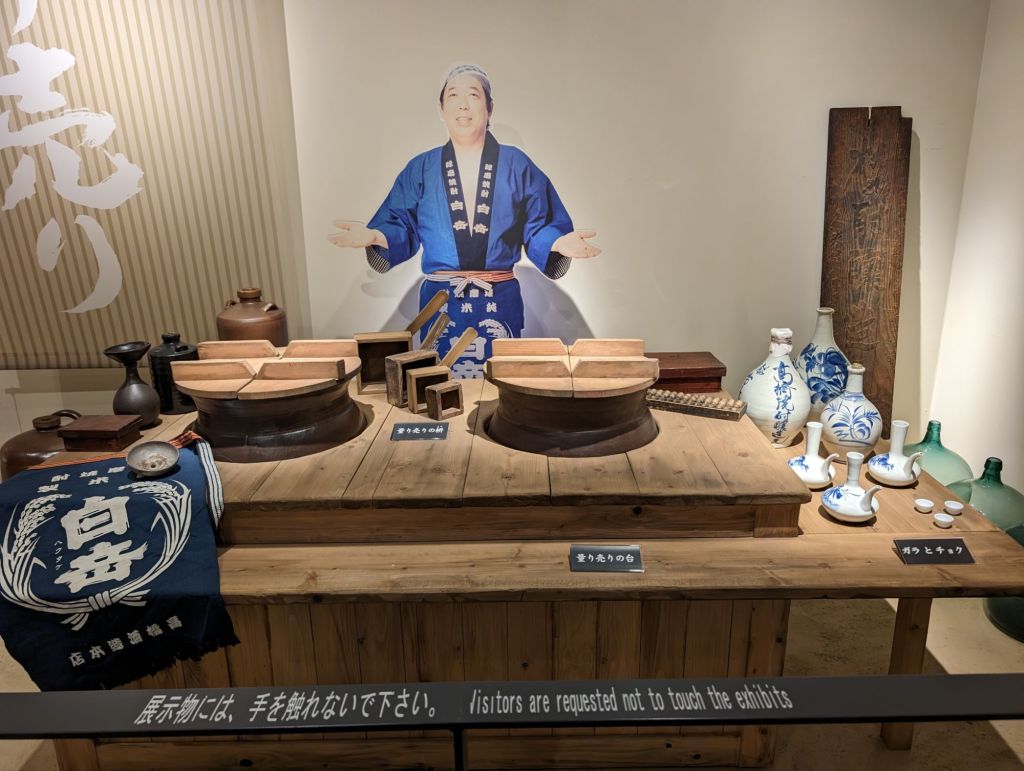
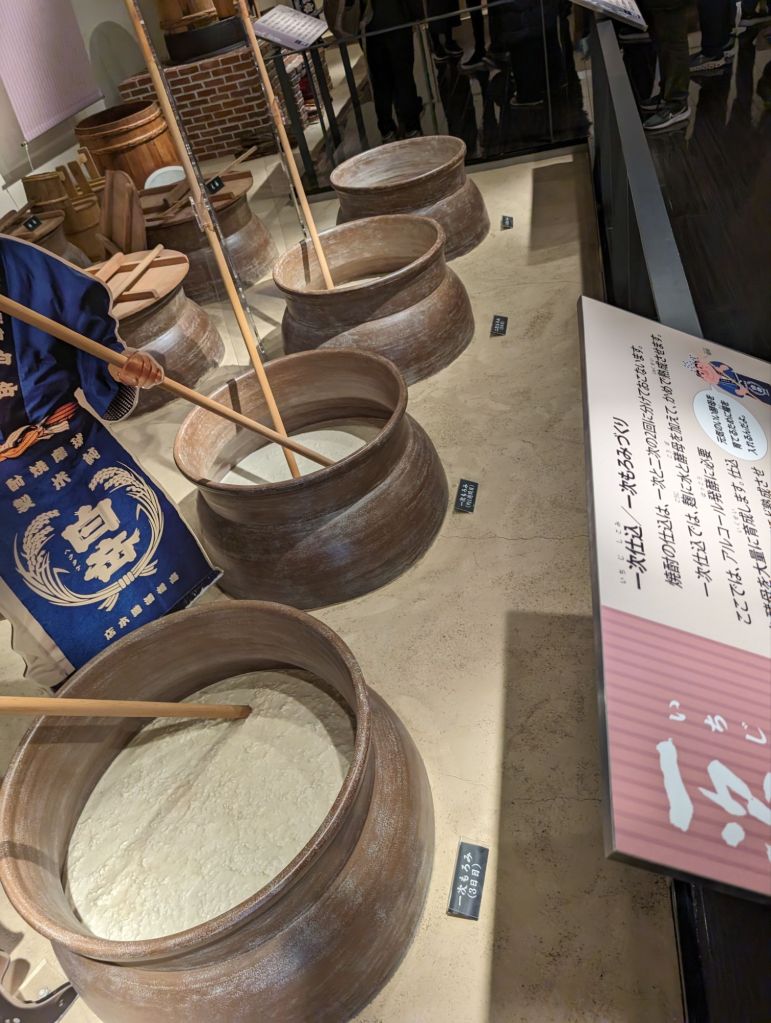
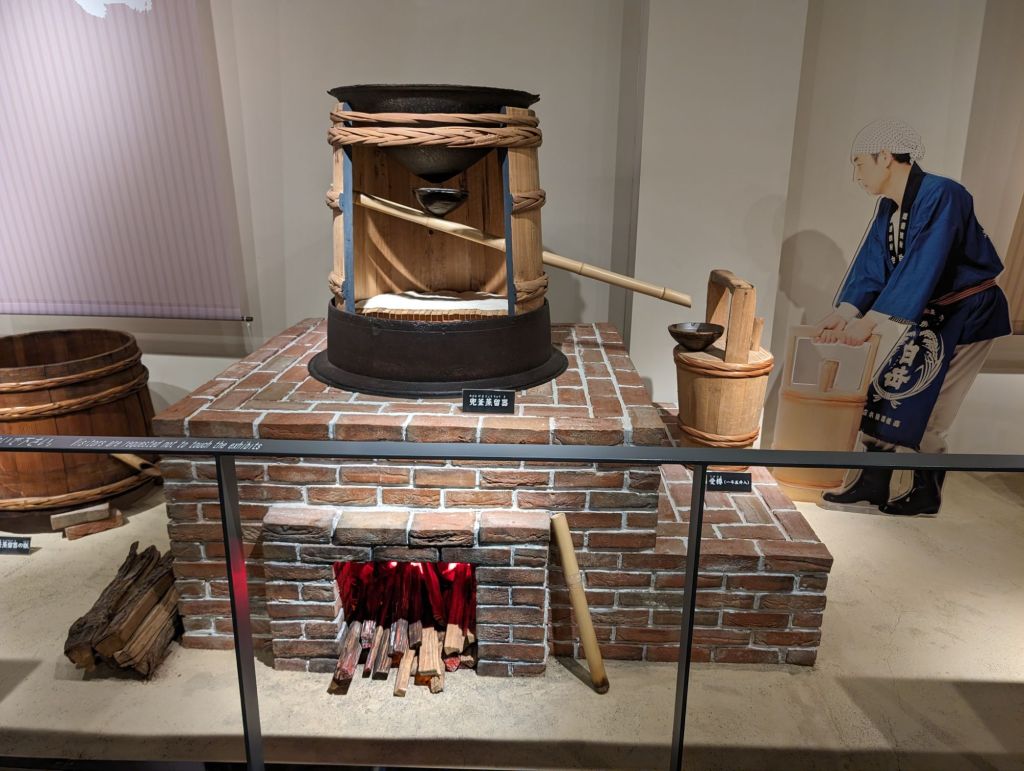
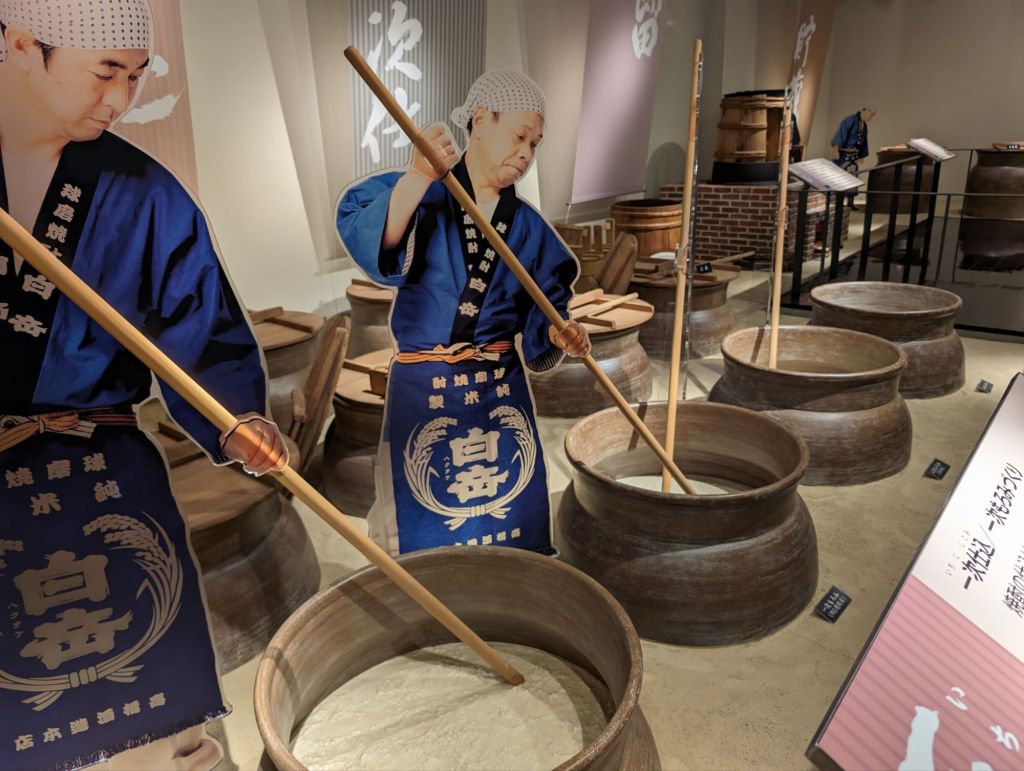
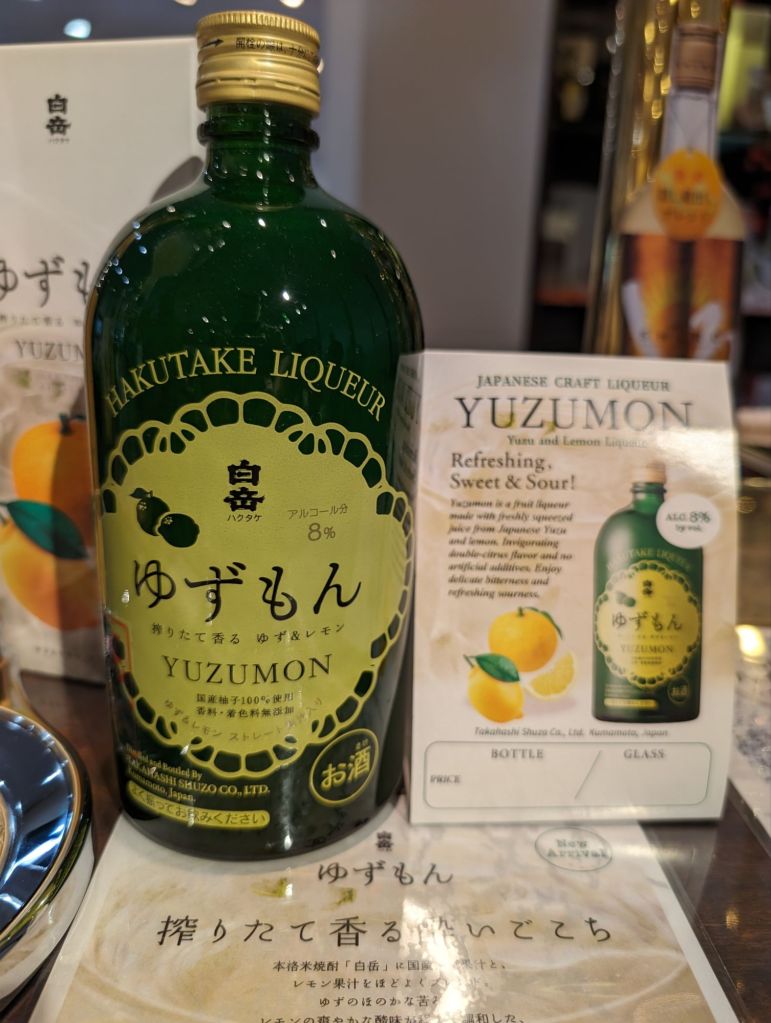
The Takahashi Distillery makes dozens of varieties of Shochu, a Japanese liquor, stronger than sake, usually made with rice containing different herbs and flavorings. Their exhibits showed the traditional methods for making the liquor, though their own distillery is much bigger and more modern.
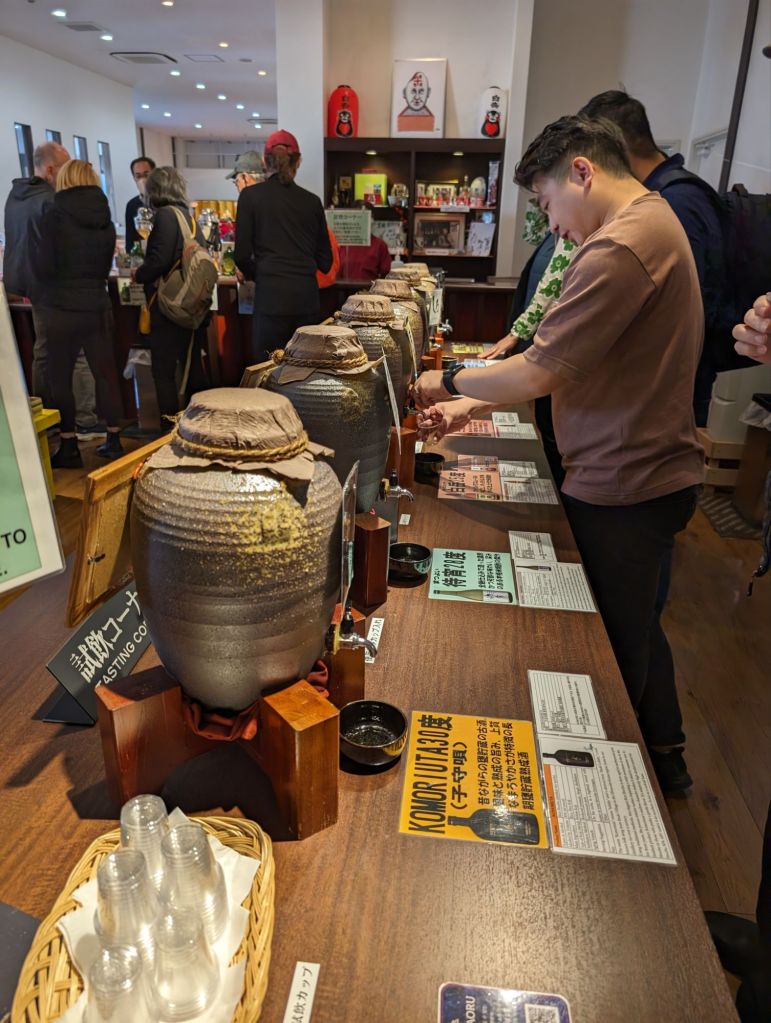
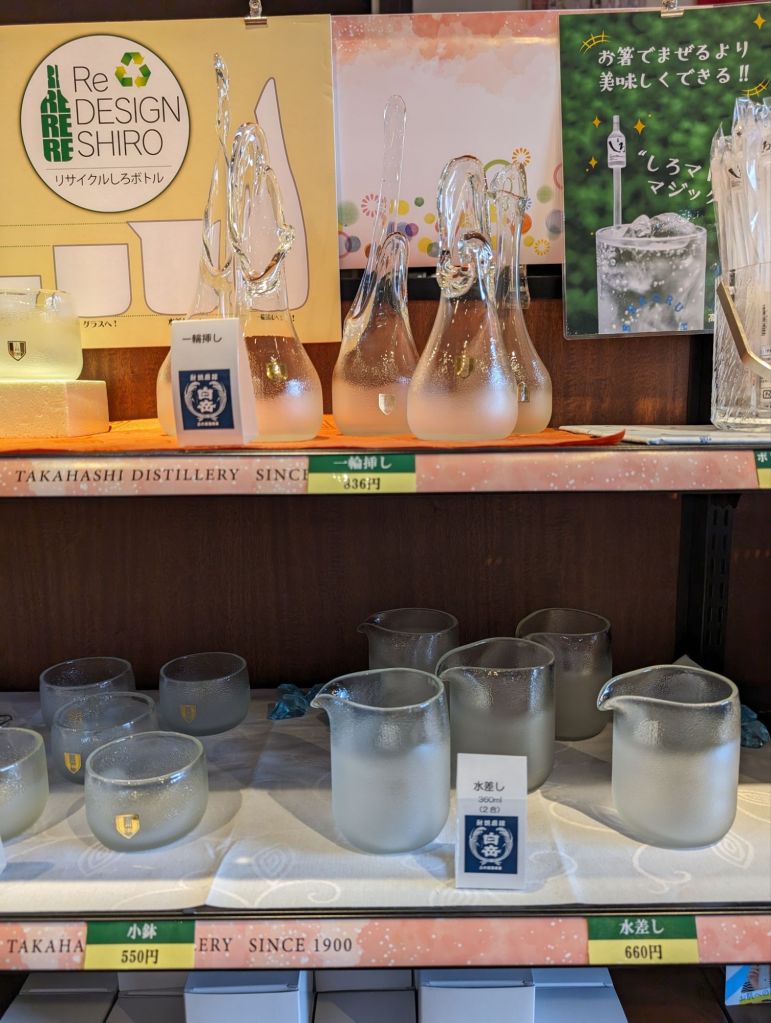
Ah, the fun part! Our group was invited to help themselves to tastes of their many different varieties.And then there was the ubiquitous gift shop.


 J and J Travel