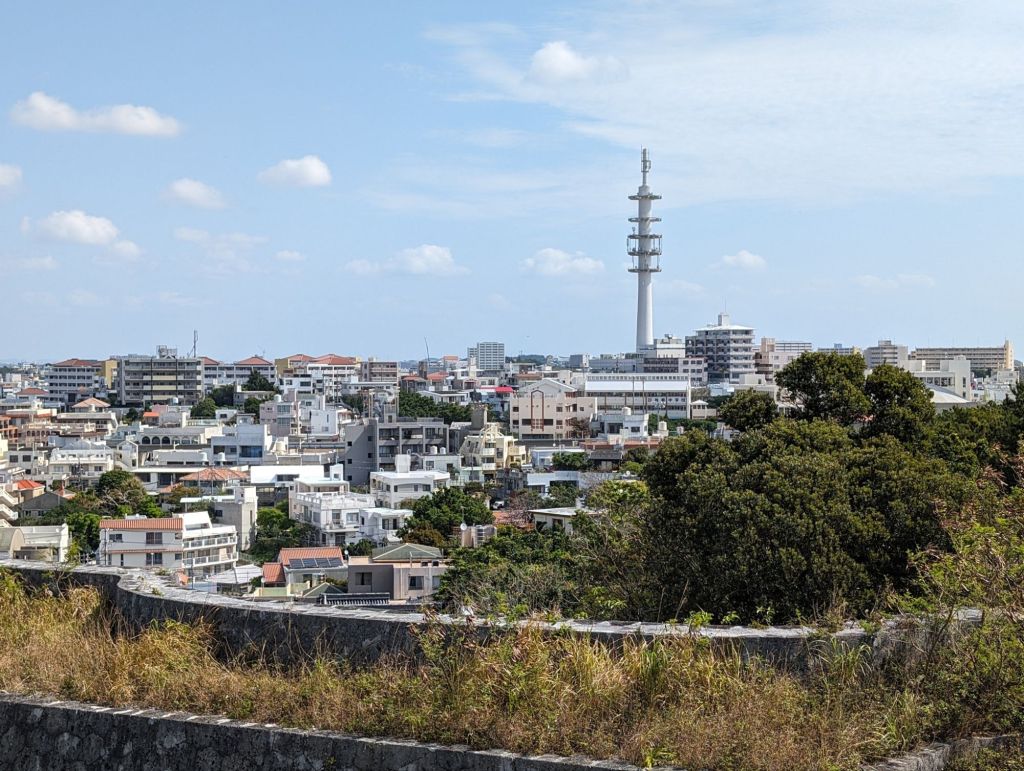
Naha is the largest city of Okinawa, a prefecture of Japan that for hundreds of years was its own proud country. During the Ryukyuan era it developed its own rich culture and even its own language. During our visit we explored some of the history, enjoyed a serene garden and walked its busy shopping streets.
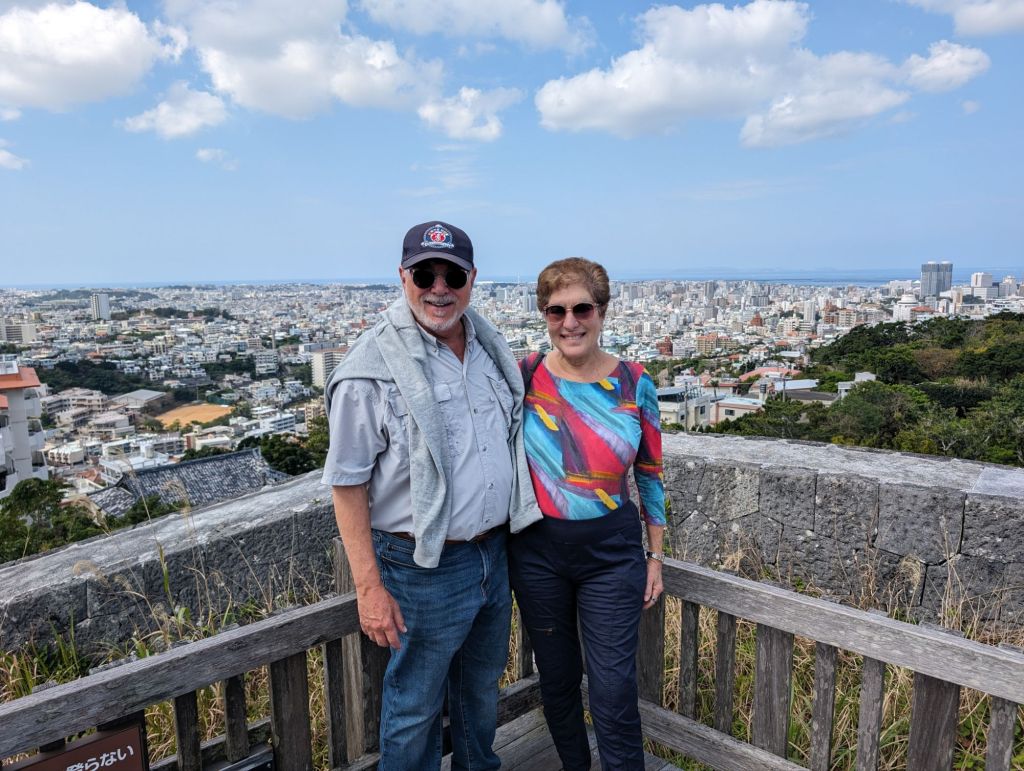
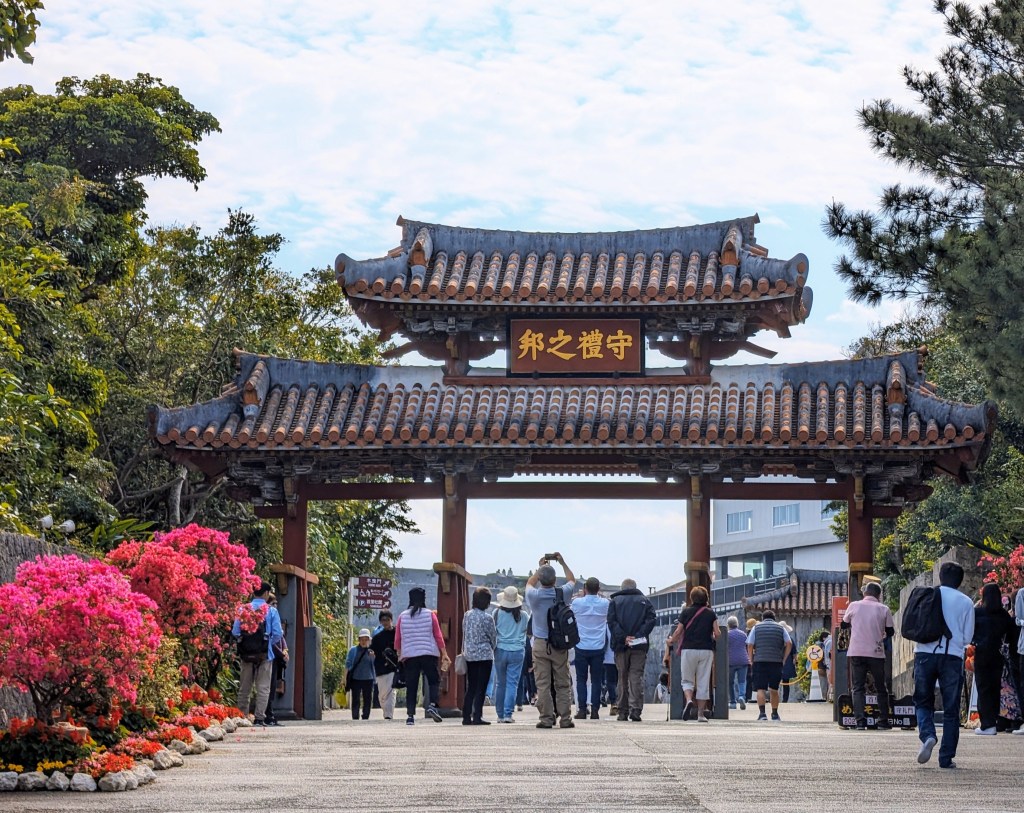
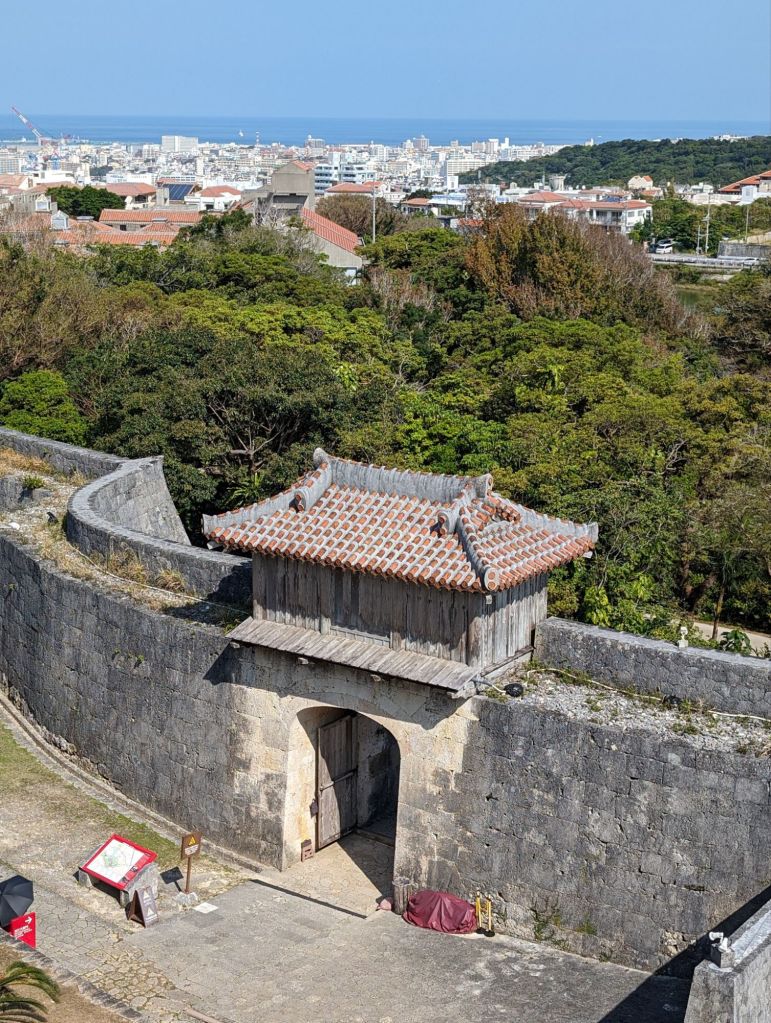
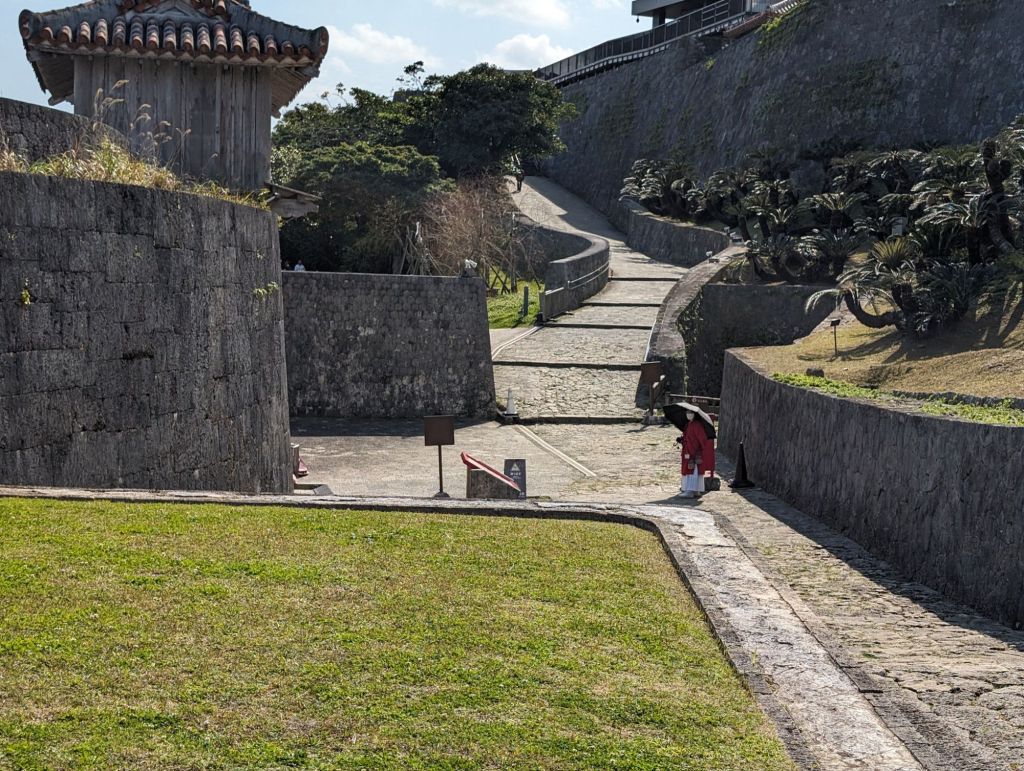
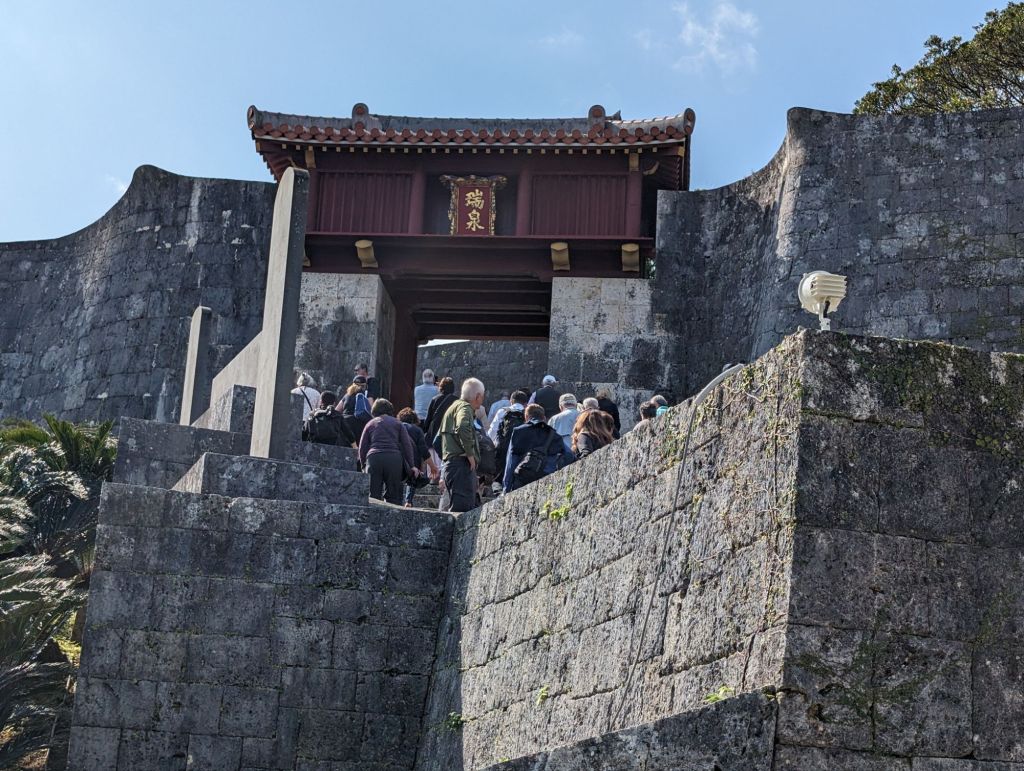
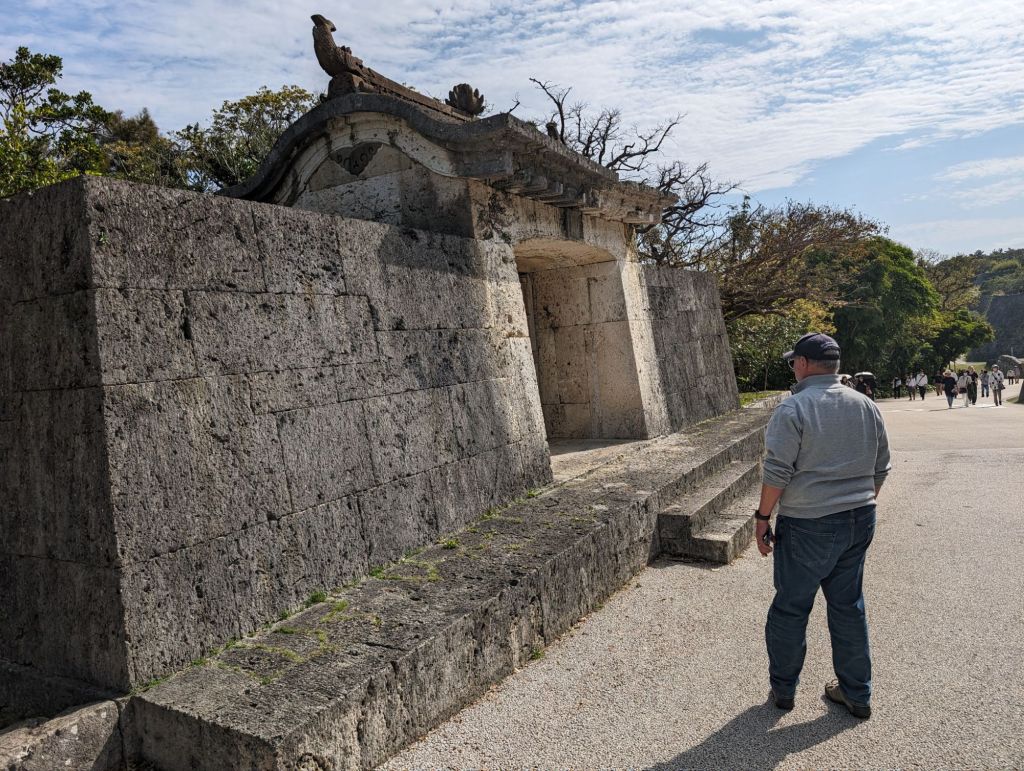
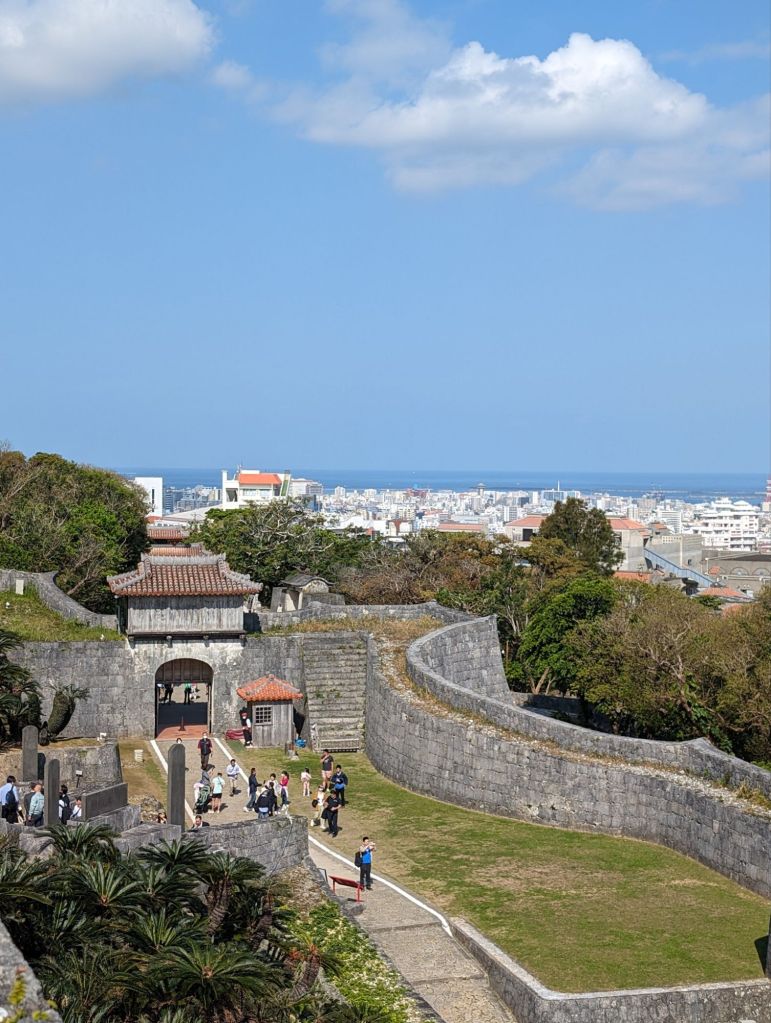
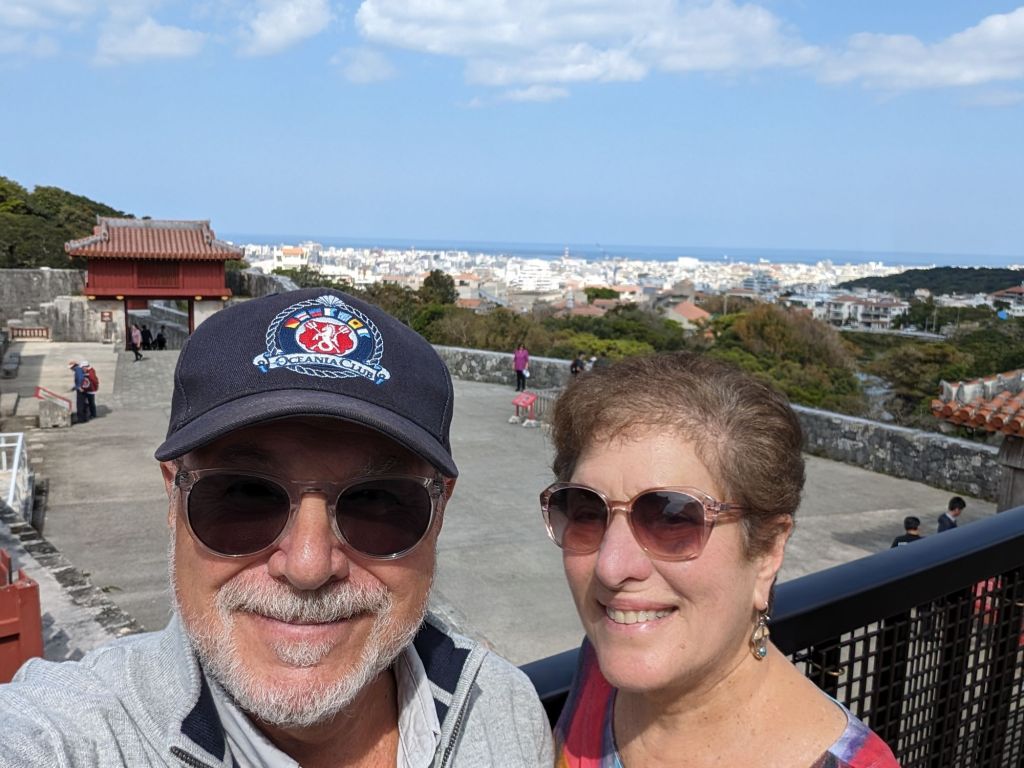
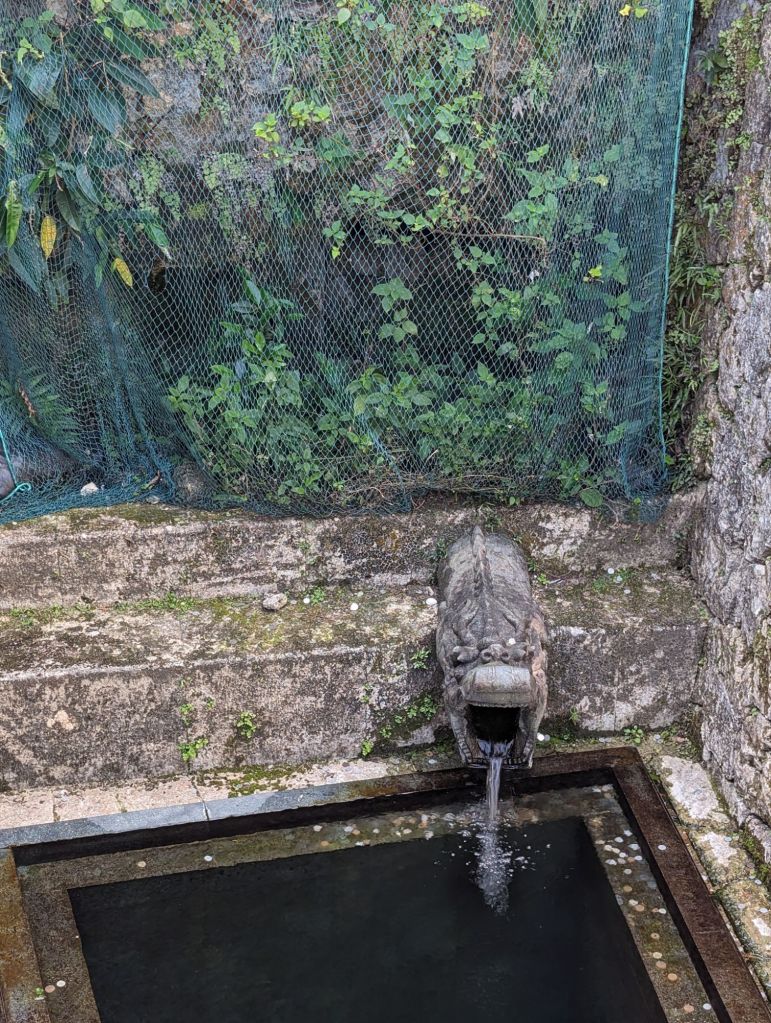
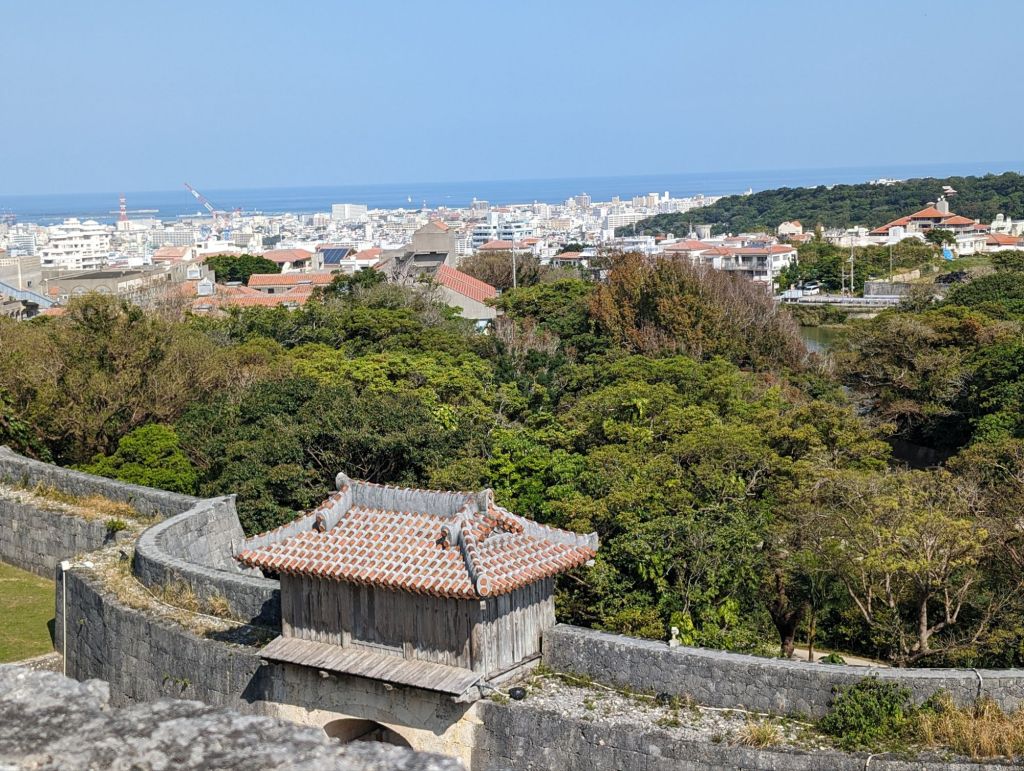
The Shurijo Castle Park took us back in time to a 400-year period, ending in 1879, when the Ryukyuan kingdom ruled Okinawa. The castle has endured many assaults, including being conquered by the Japanese, largely destroyed in the WWII Battle of Okinawa, and a fire of unknown origin in 2019. It has been restored several times and, after the 2019 fire, is still under restoration.
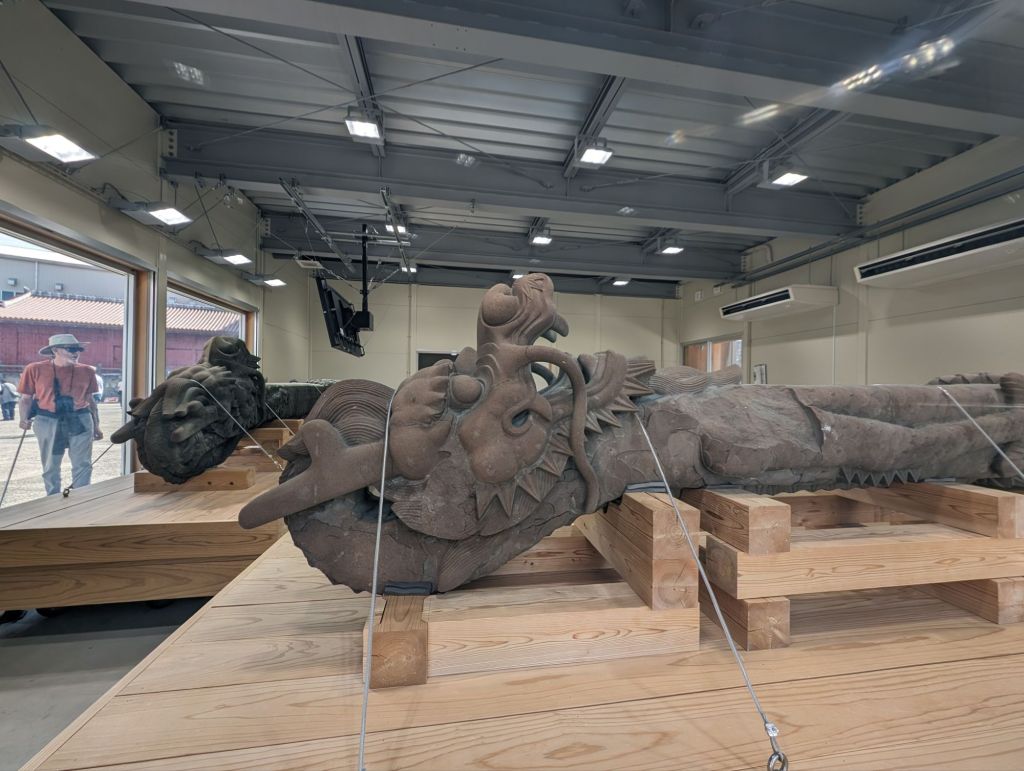
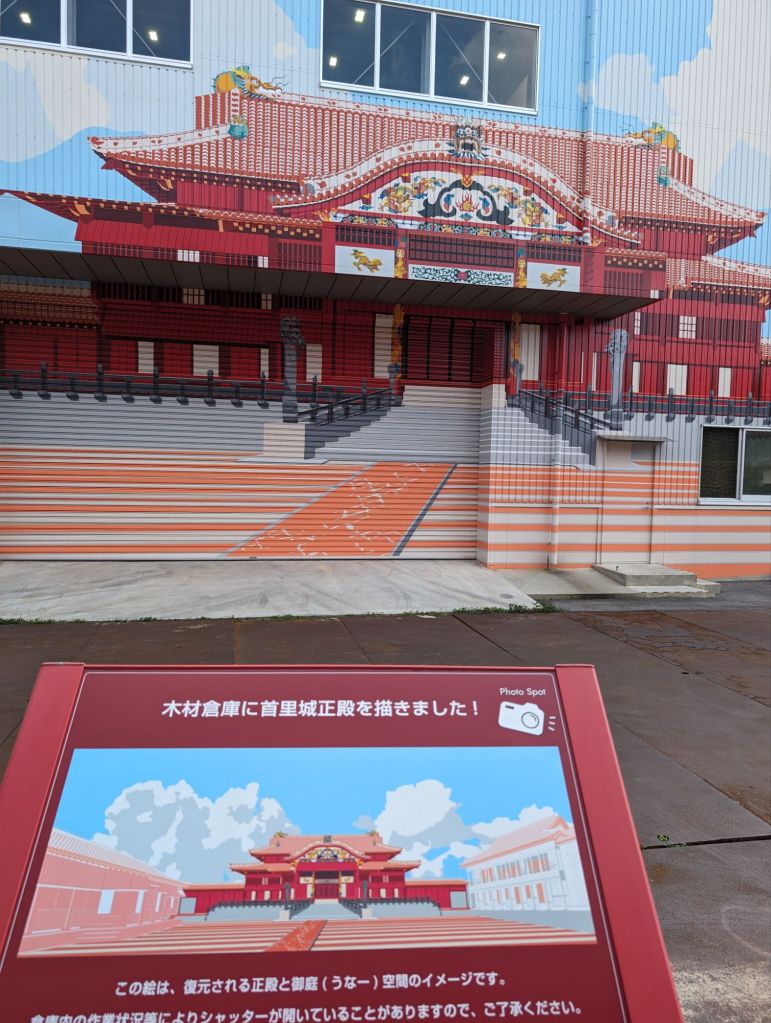
The lavishly decorated Seiden was the main palace structure within the castle. But within a year of its restoration, it was destroyed in the 2019 fire. Now it is just on view as a painting on the wall of the warehouse-like building where it’s being reconstructed.


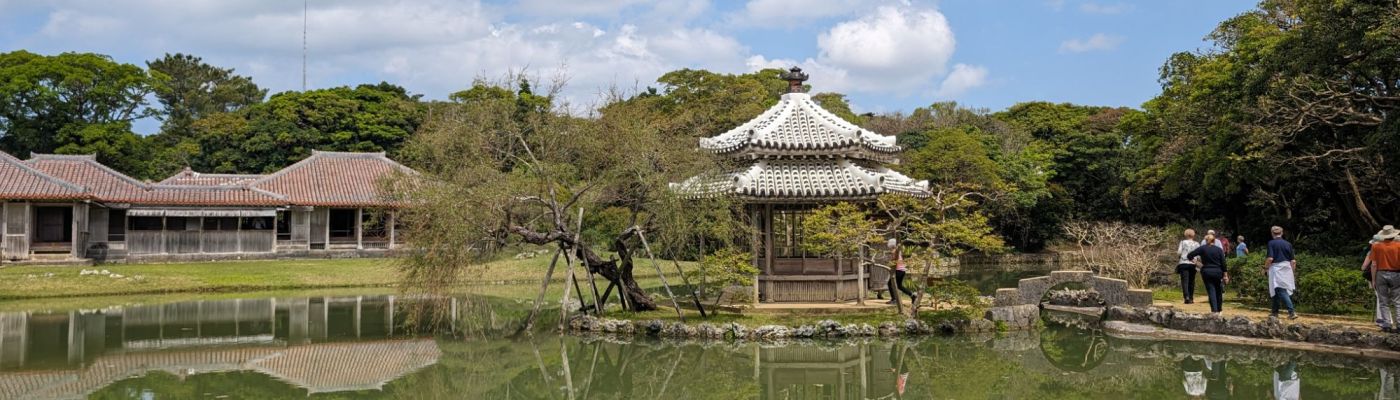
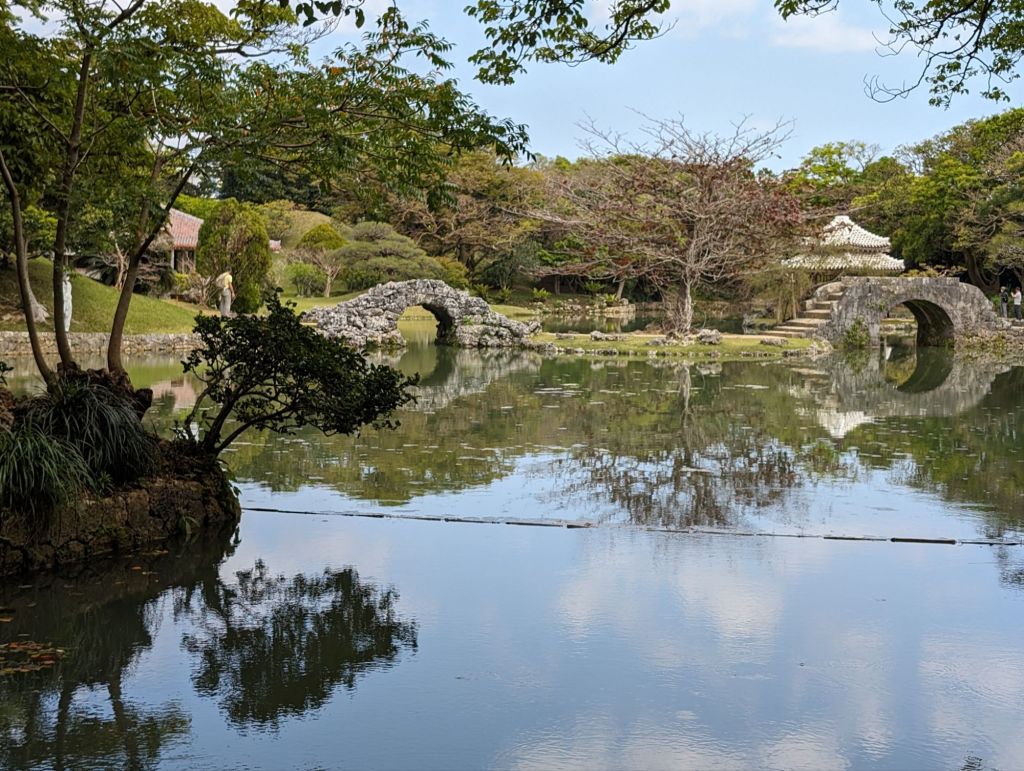
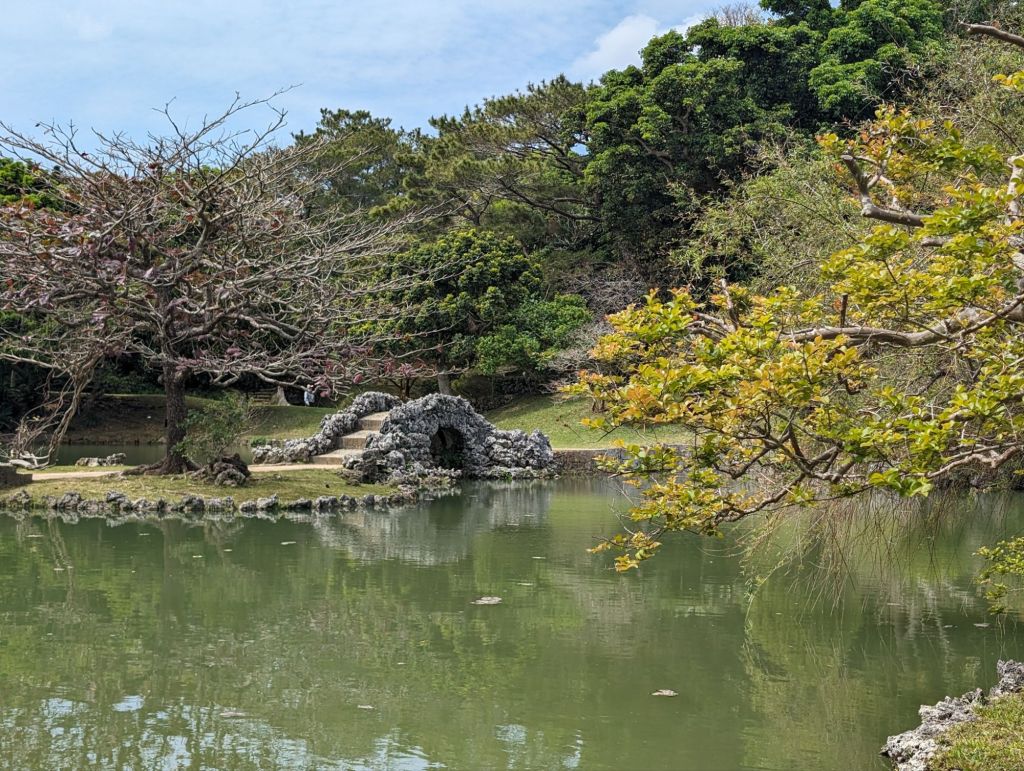
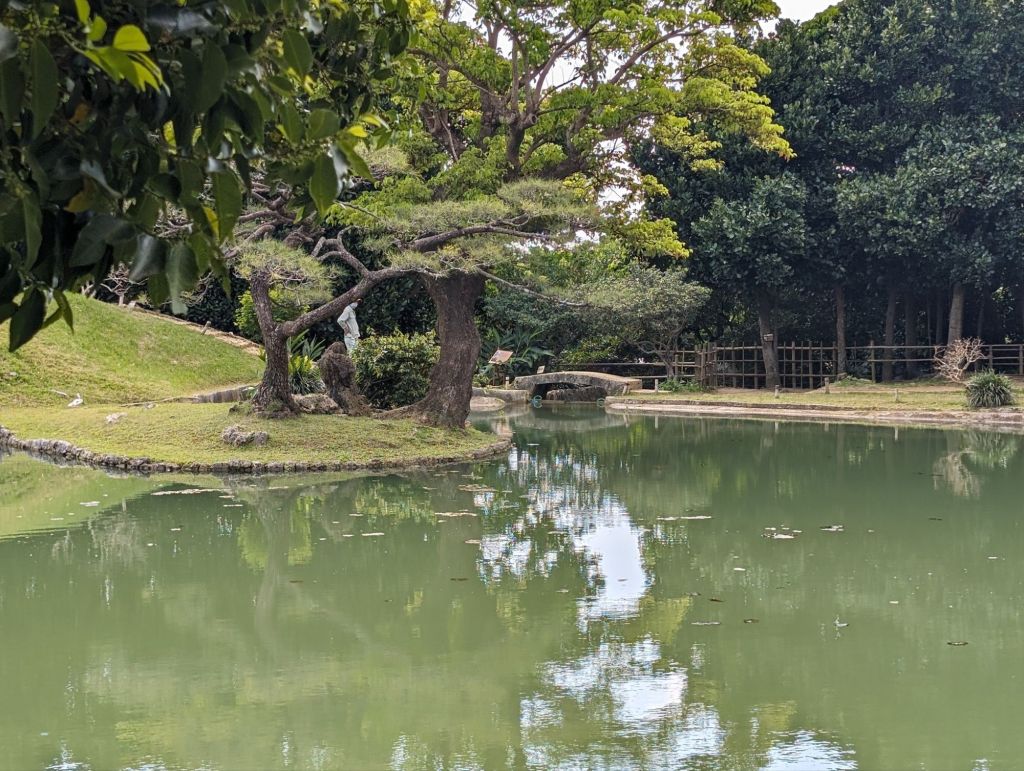
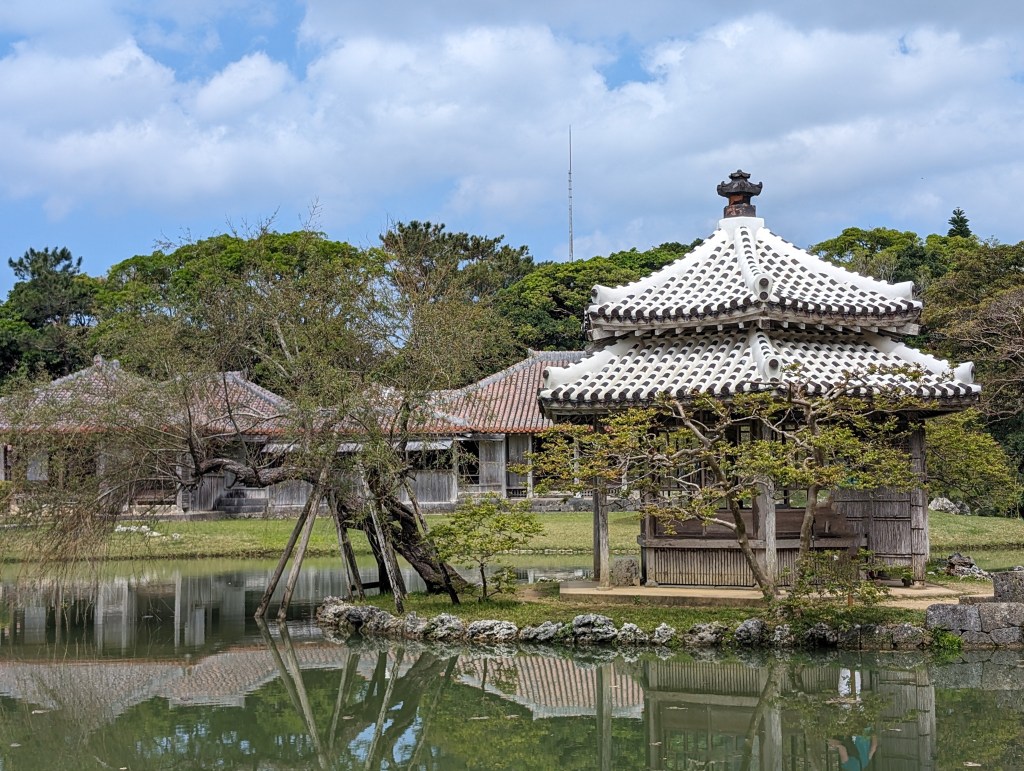
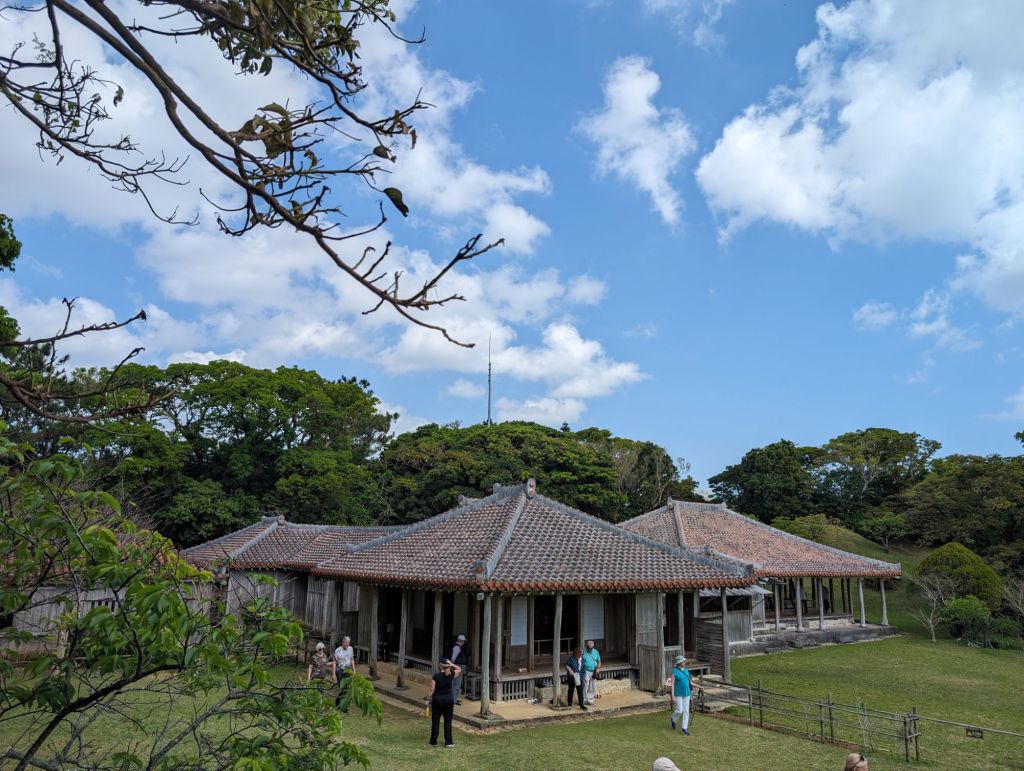
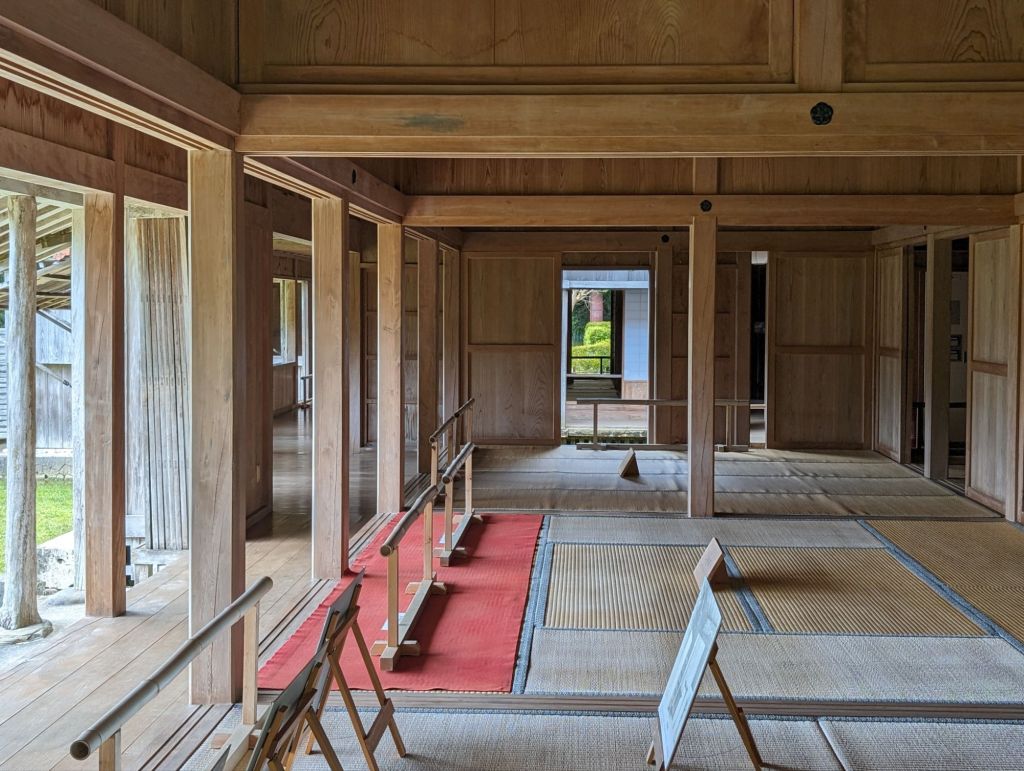
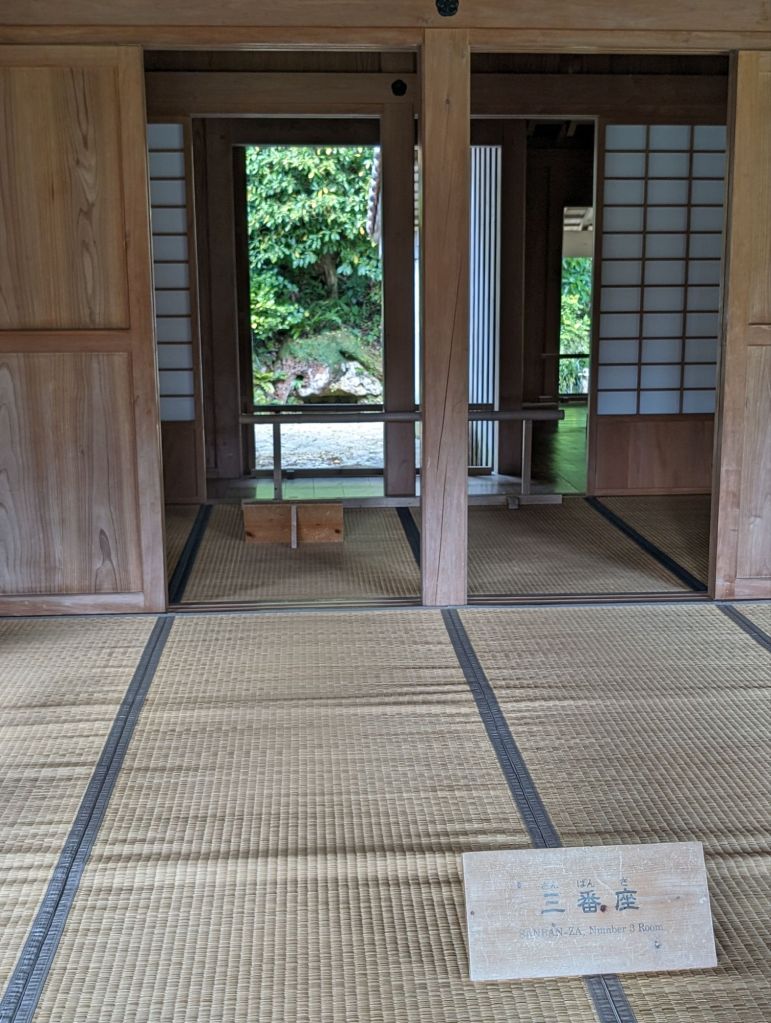
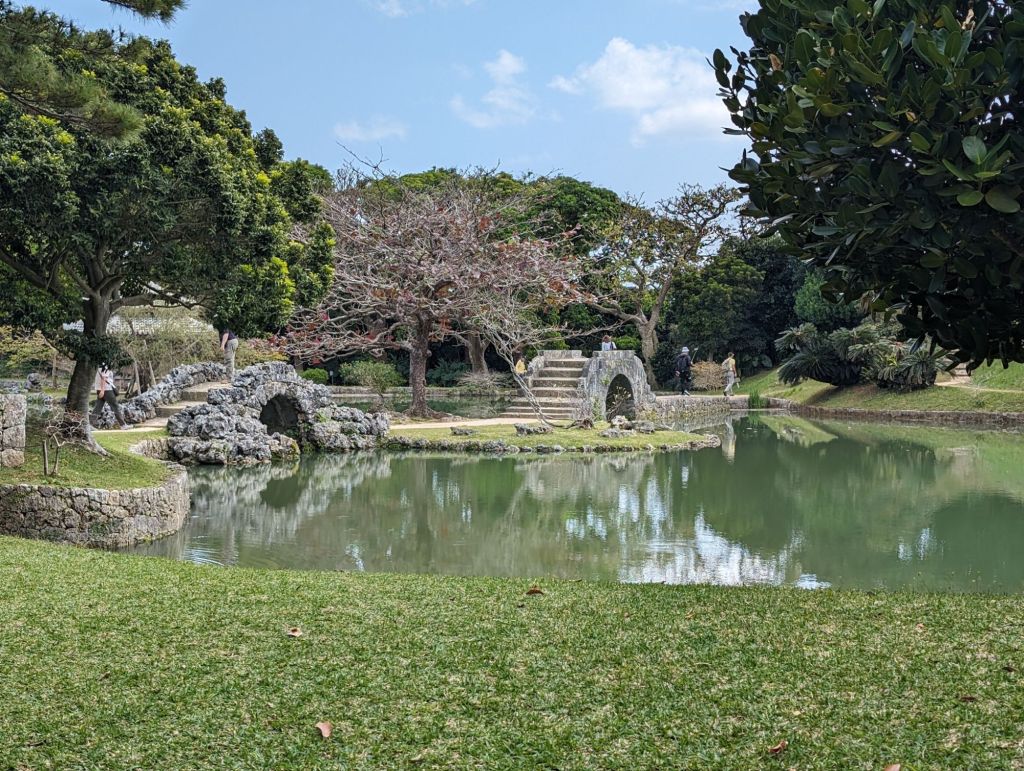
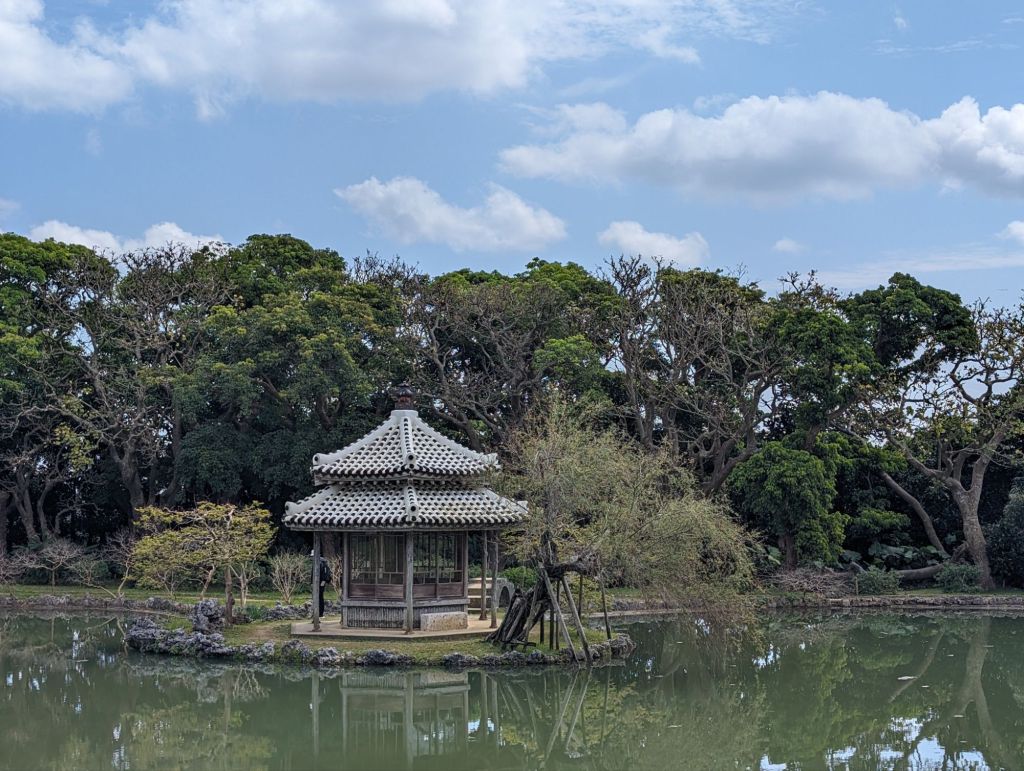
The Shikinaen Royal Garden was constructed around the 18th century for the Ryukyu royal family members and foreign guests. It’s a classic Japanese style circuit garden with a pond in the middle. There are Japanese and Chinese architectural elements in the garden. It was a beautiful place to wander.
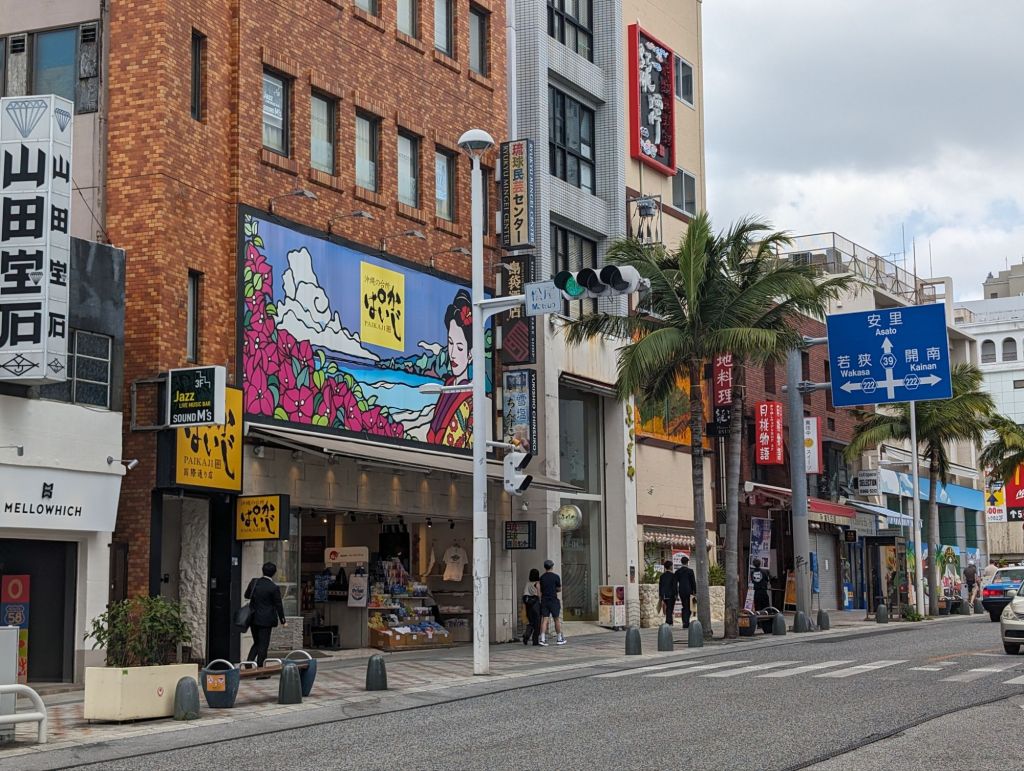
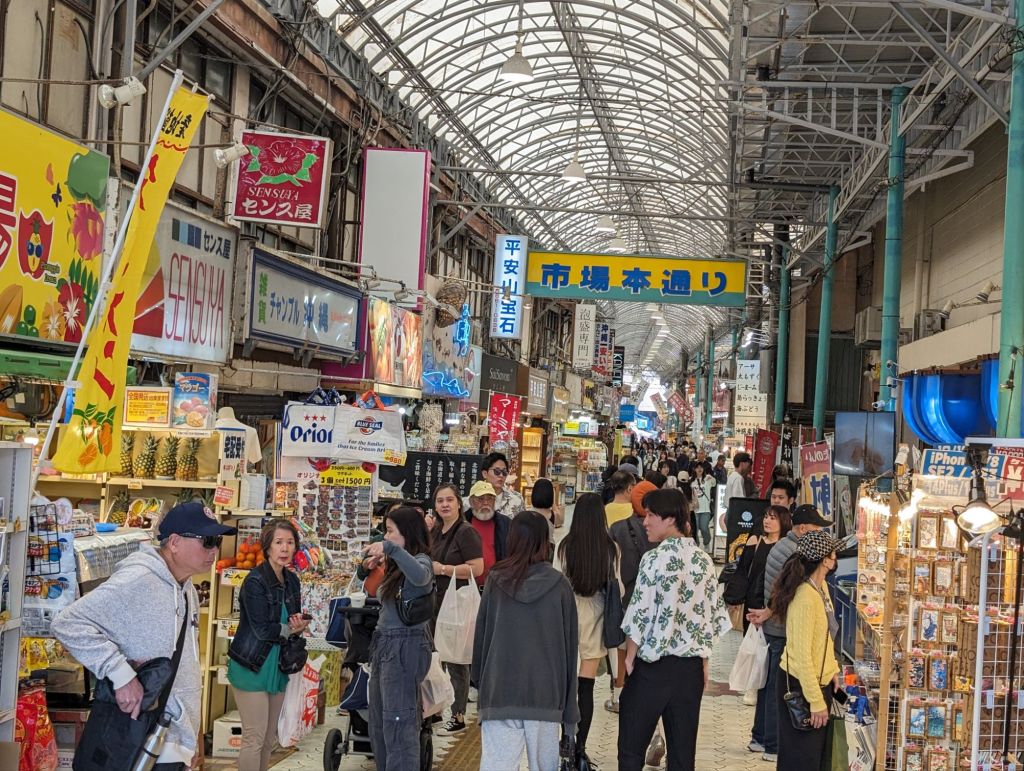
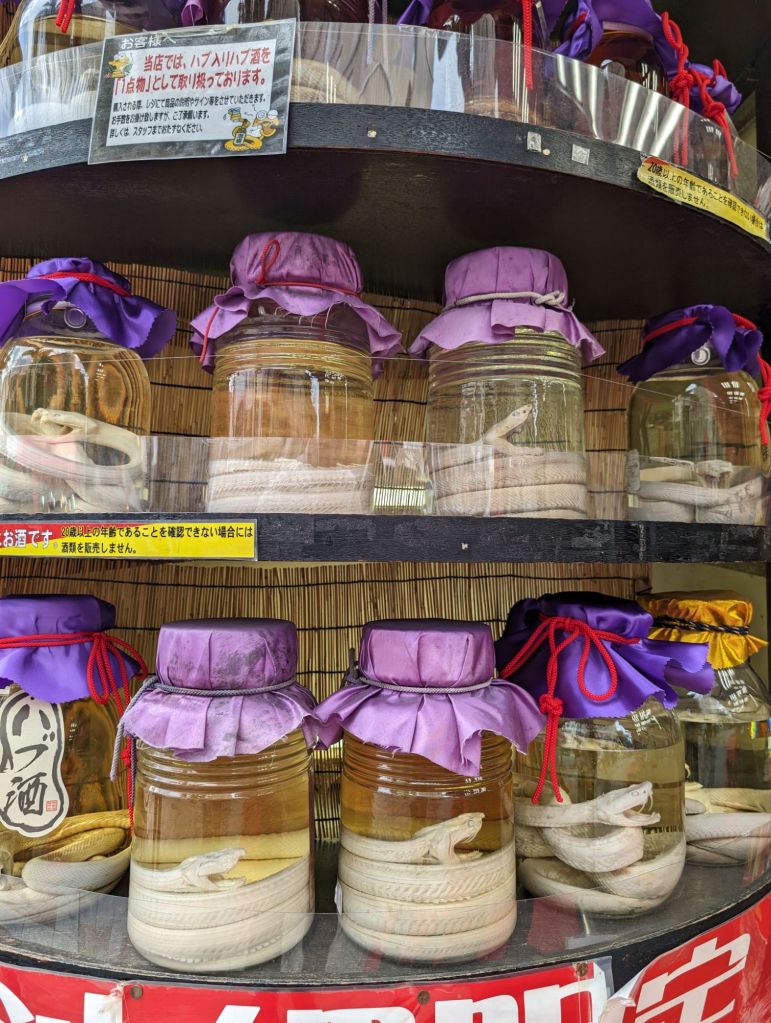
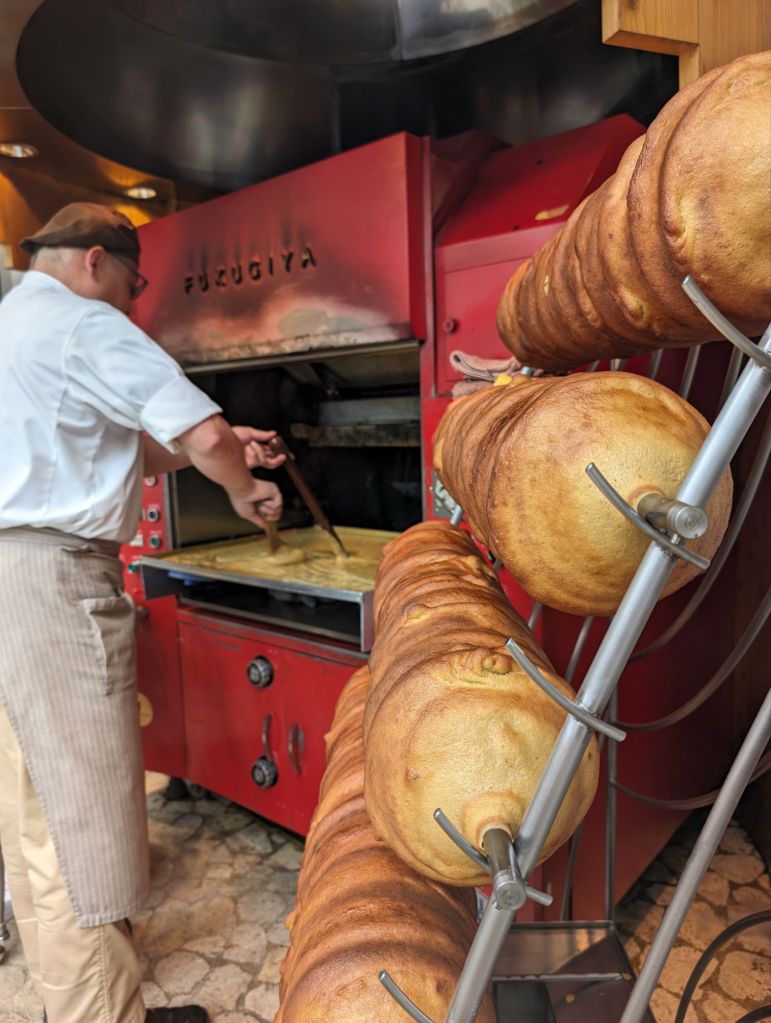
We walked down the lively Kokusai Dori Street, a central shopping area for Naha. We were sorry we didn’t have time to sample a few of the interesting looking eating places.
 J and J Travel