The miracle of Singapore is this: how did a tiny city-state, with no oil or valuable natural resources, with about a 20th of the territory of Los Angeles, transform itself from a poor, corrupt and drug ridden nation to become the most successful economic powerhouse in Asia in 60 years? Effective, pragmatic leadership, investing in the people with education, health care, nurturing meritocracy and eliminating corruption had a lot to do with it. Yes, it’s a nation of strict rules without a lot of the protections for individual rights that we enjoy. But the system works because it provides its citizens with prosperity, stability and security in a part of the world where that is often rare.
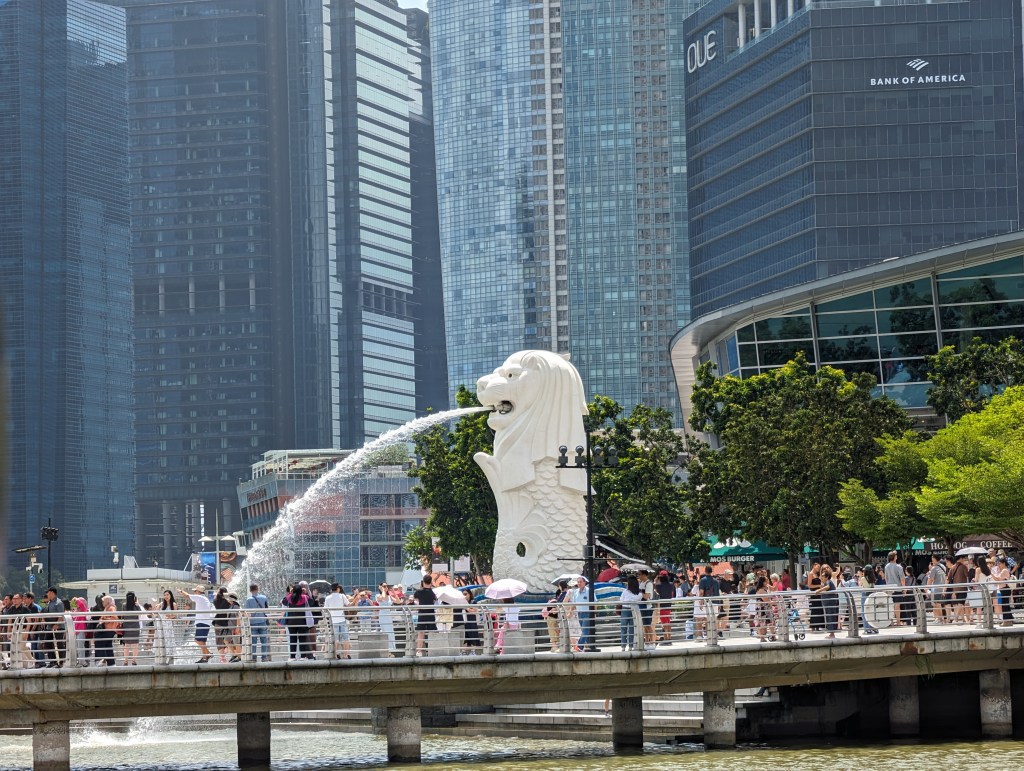
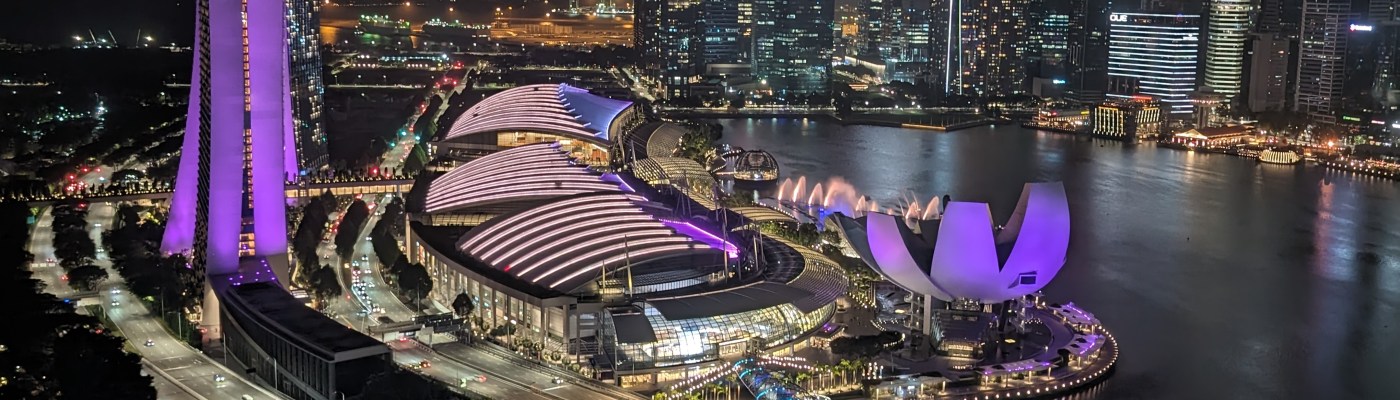
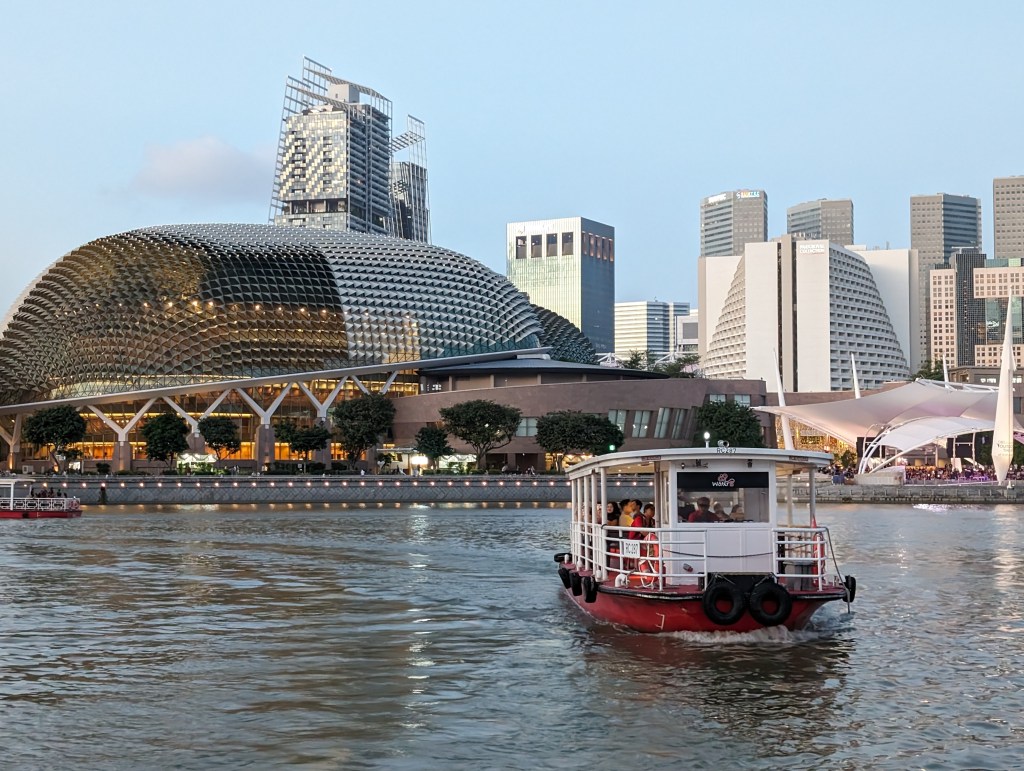
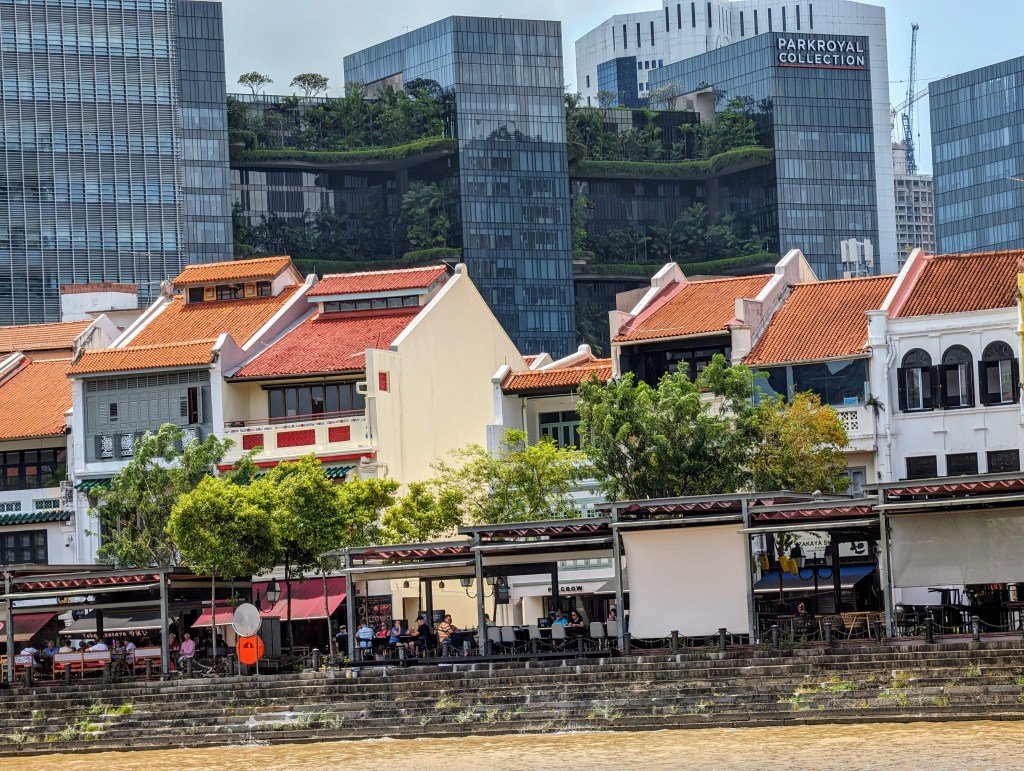
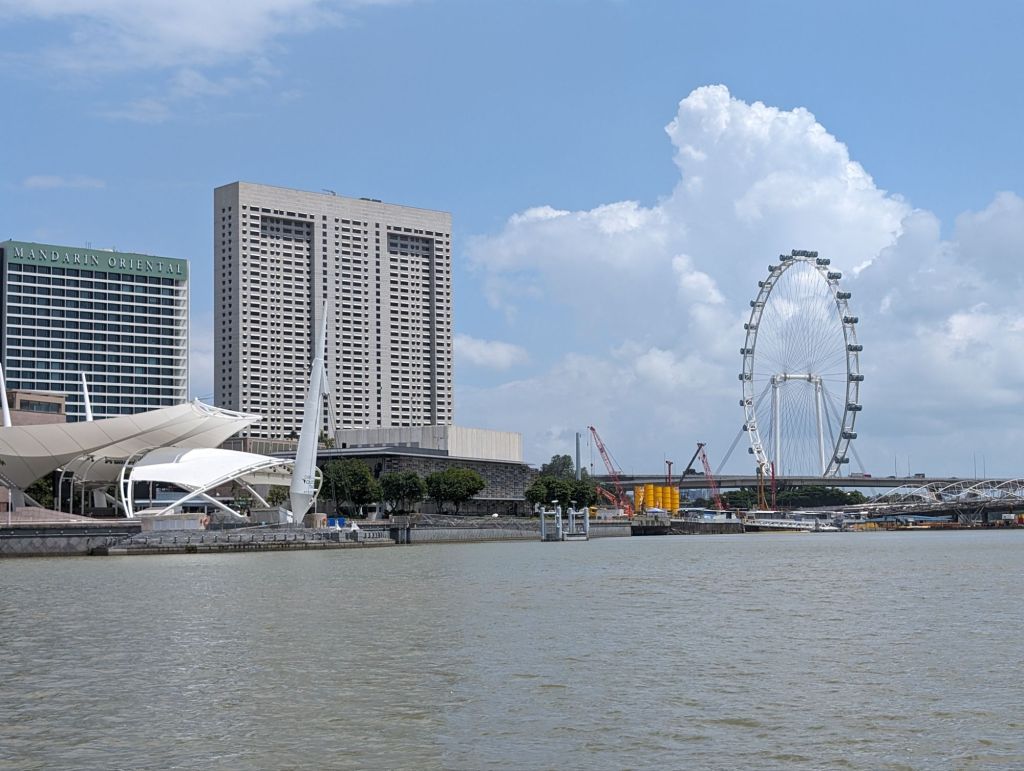
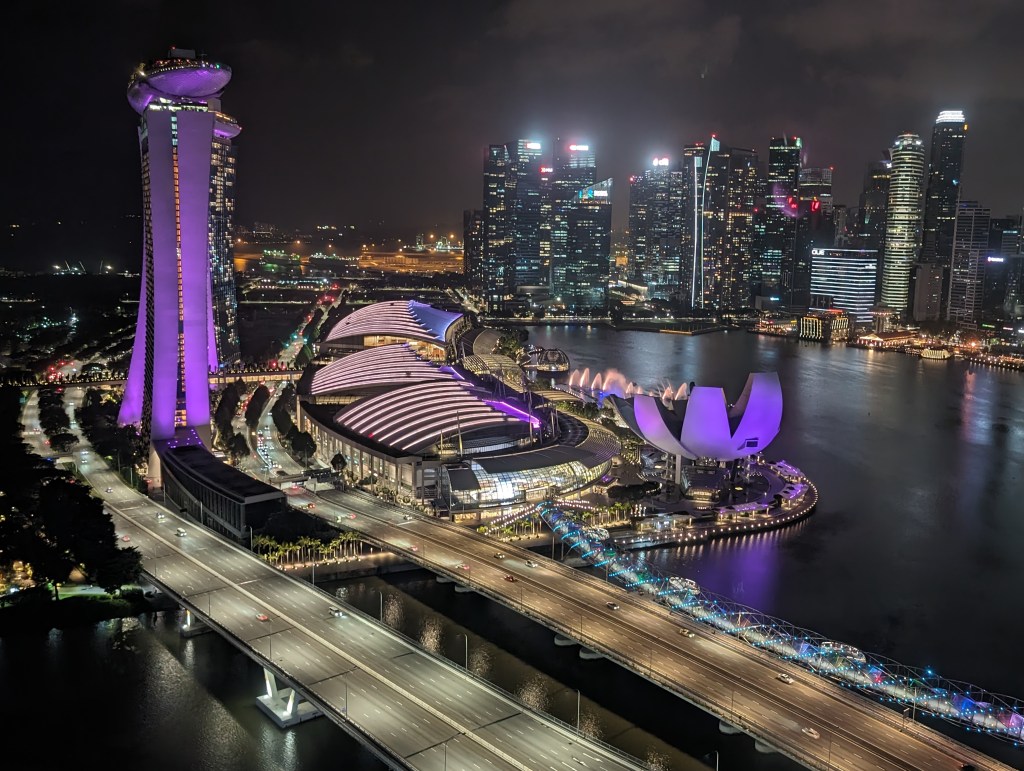
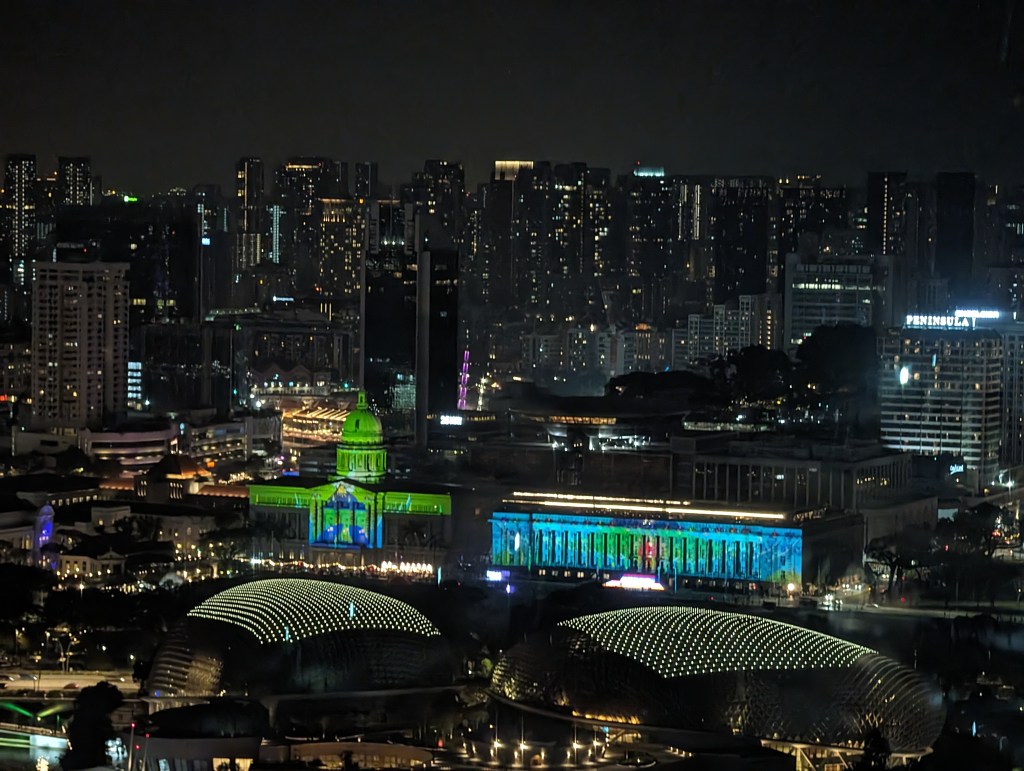
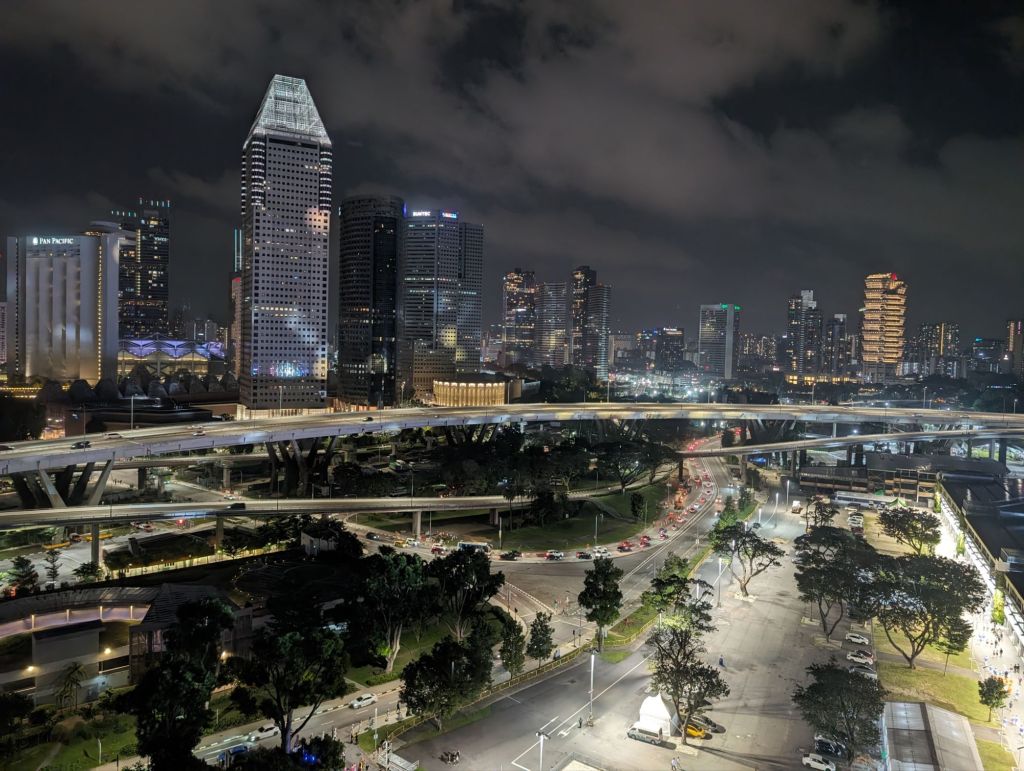
We took a boat ride on the Singapore River and saw the landscape change from bustling urban activity to a glittering, colorful nighttime display. Above, the Merdragon of Singapore, once the country’s logo and still a beloved emblem, spouts water in front of a new modern skyscrapers. Below is the famous Marina Bay Sands hotel, featured in Crazy Rich Asians, with its three 55-story towers, topped by the boat-like roof terrace.
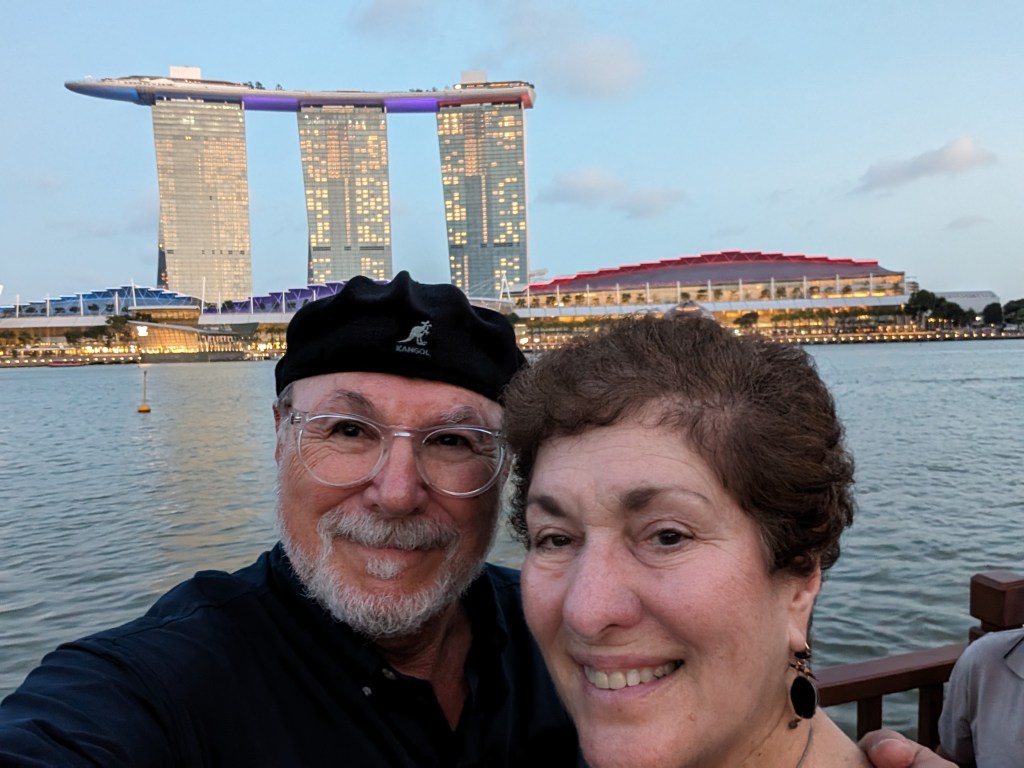
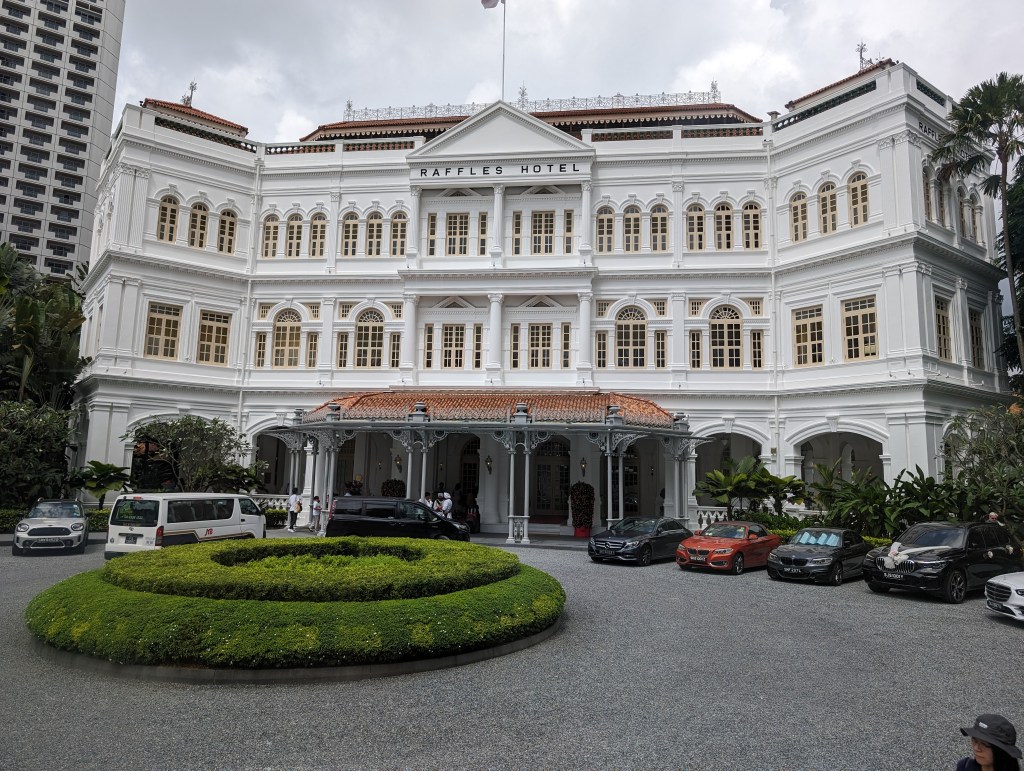
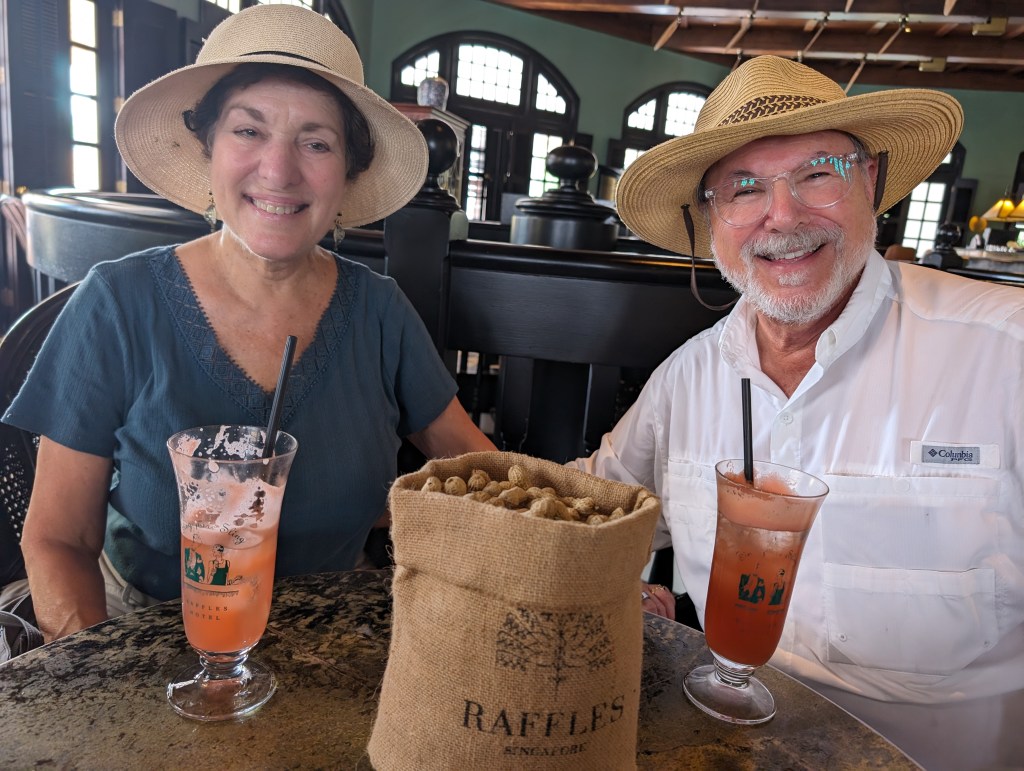
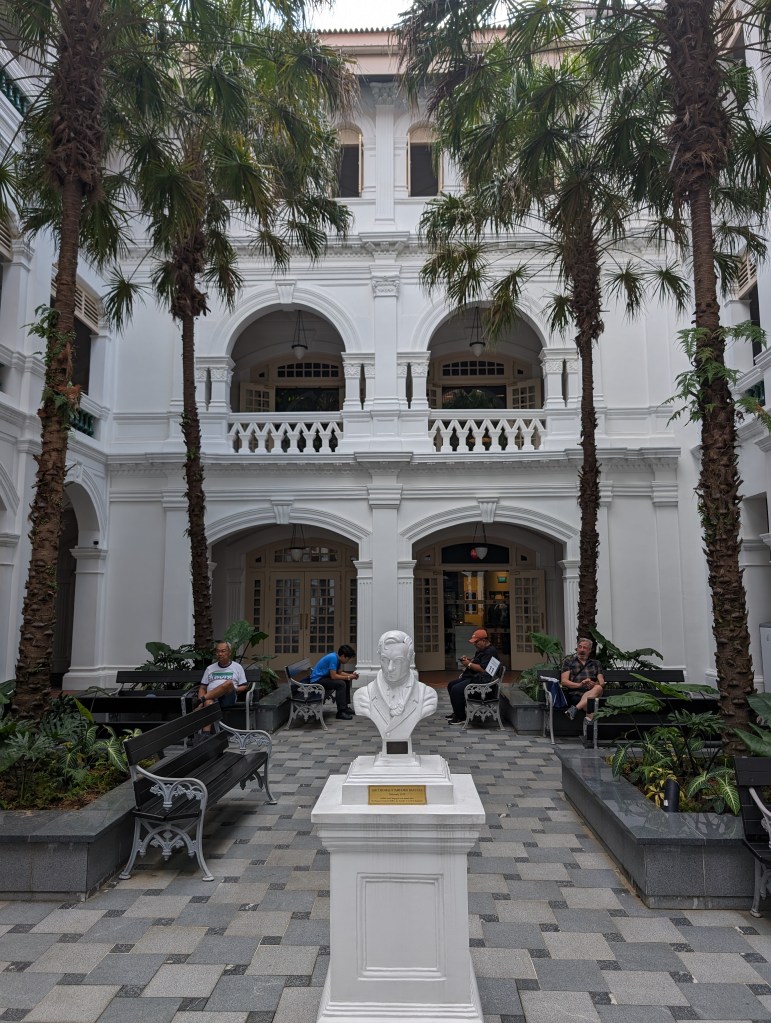
Of course we had to have a Singapore Sling at the legendary six-star Raffles Hotel, the place where the drink was invented and which the British used as their private club when they were in control. Today it’s restored to its former glamor and caters to nostalgic tourists looking for a Casablanca style ambiance.
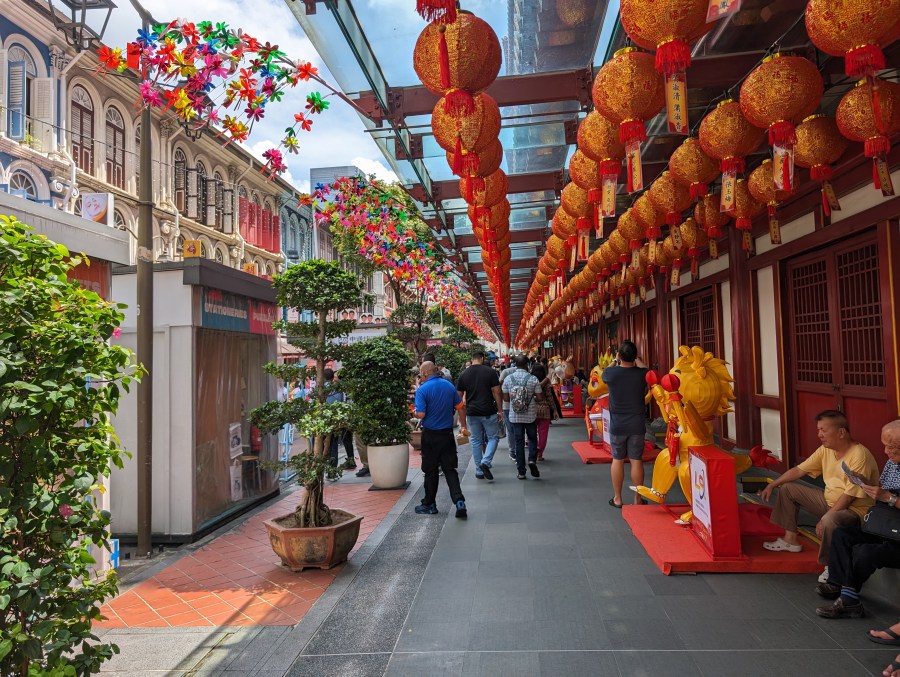
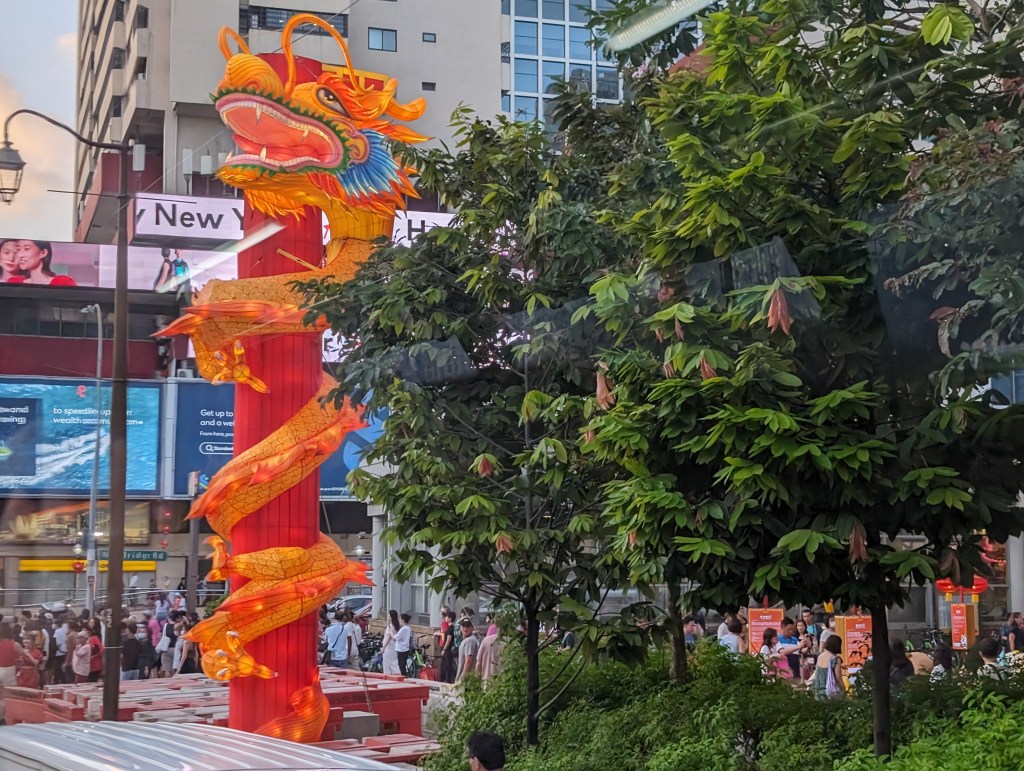
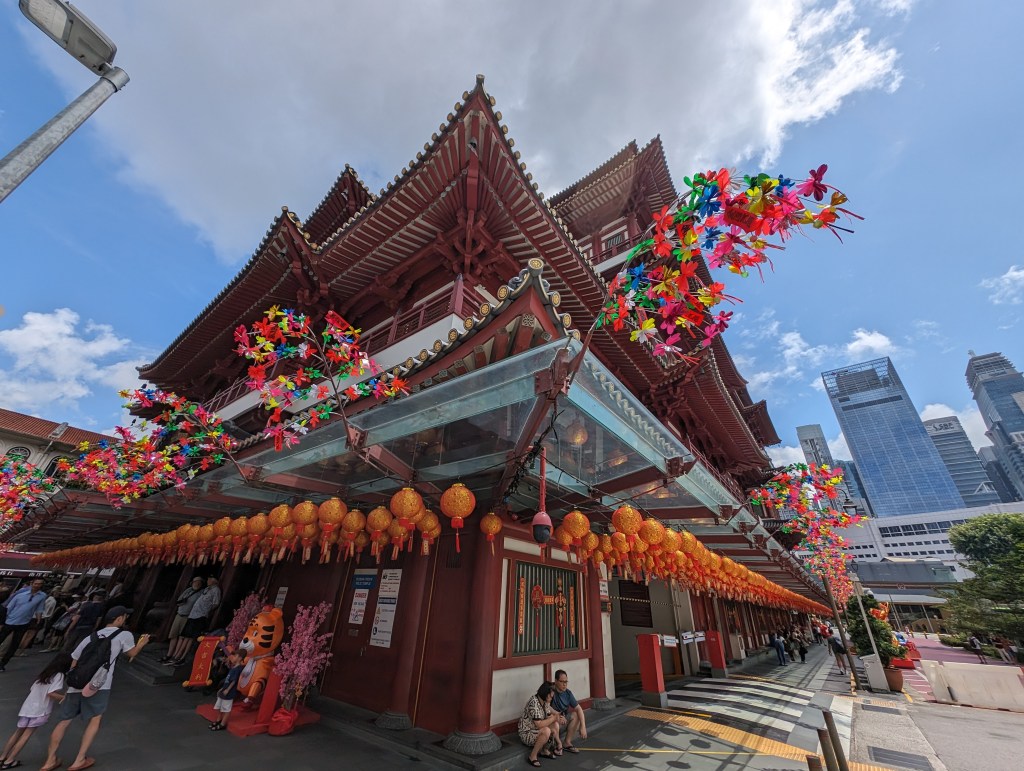
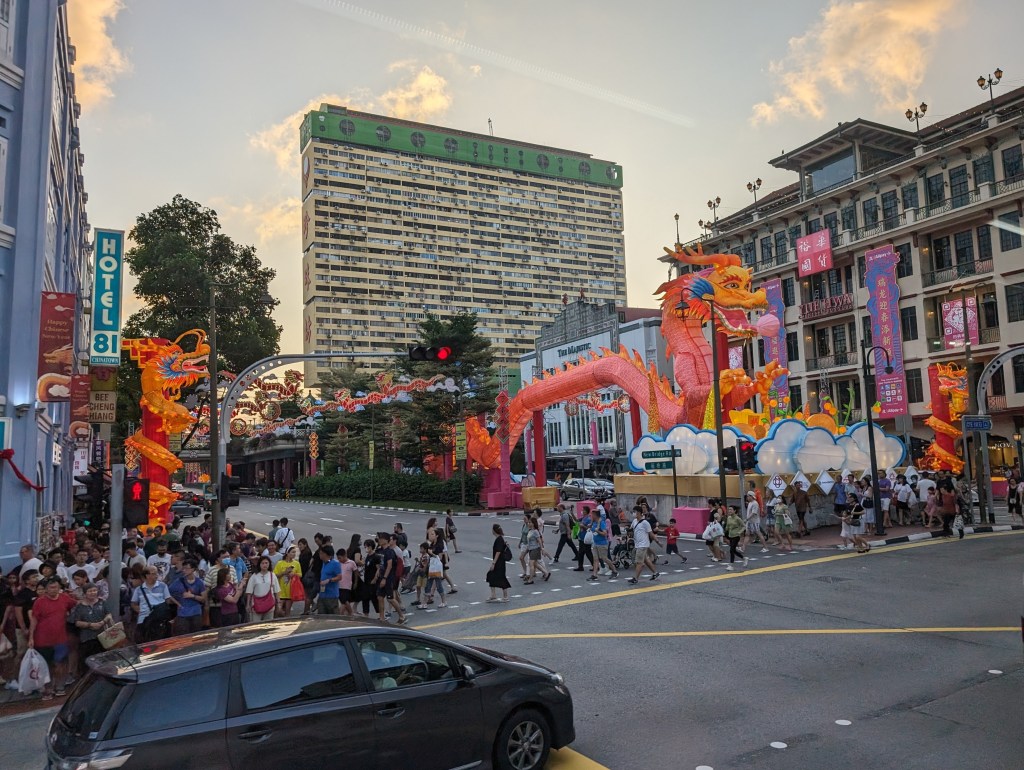
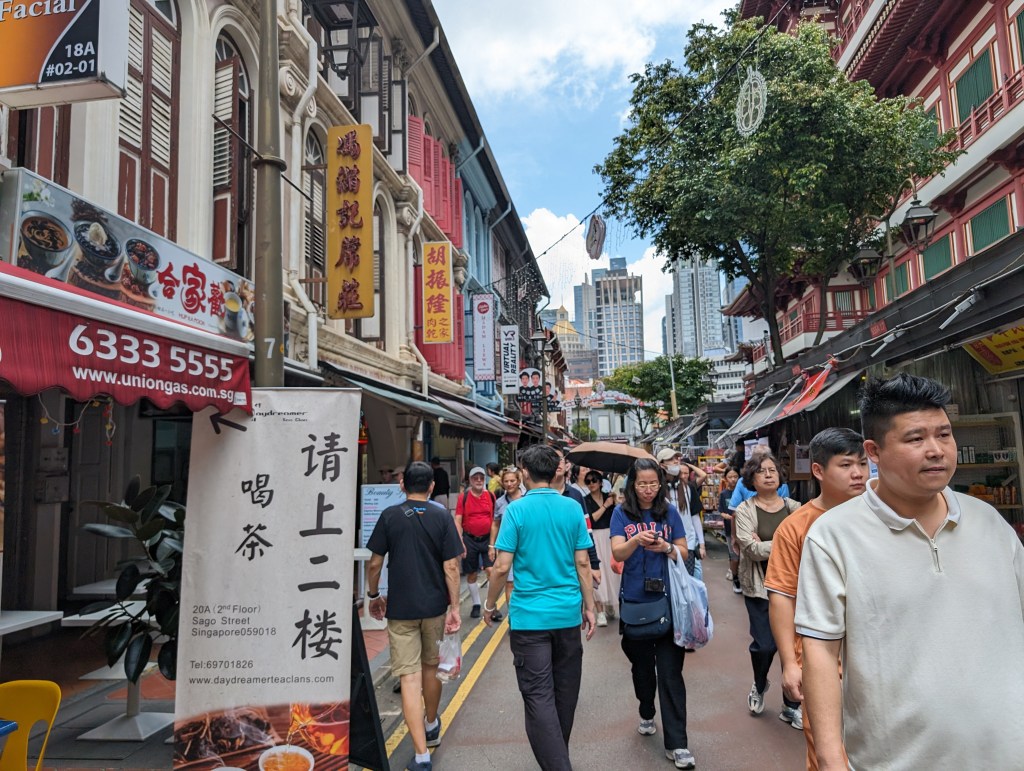
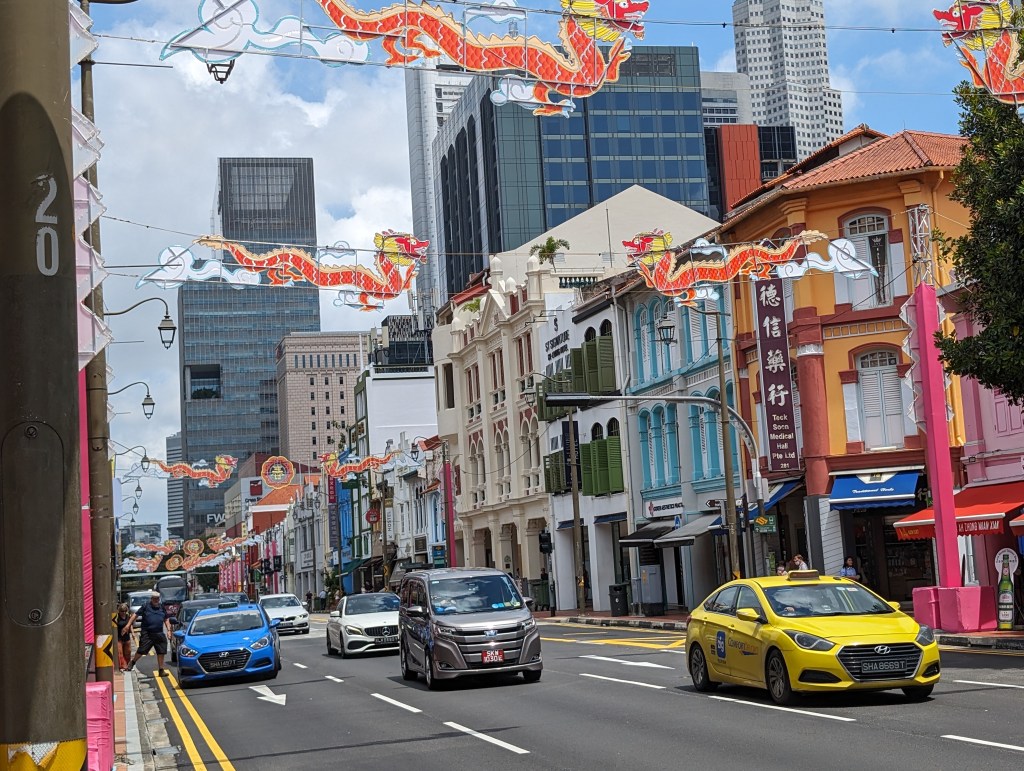
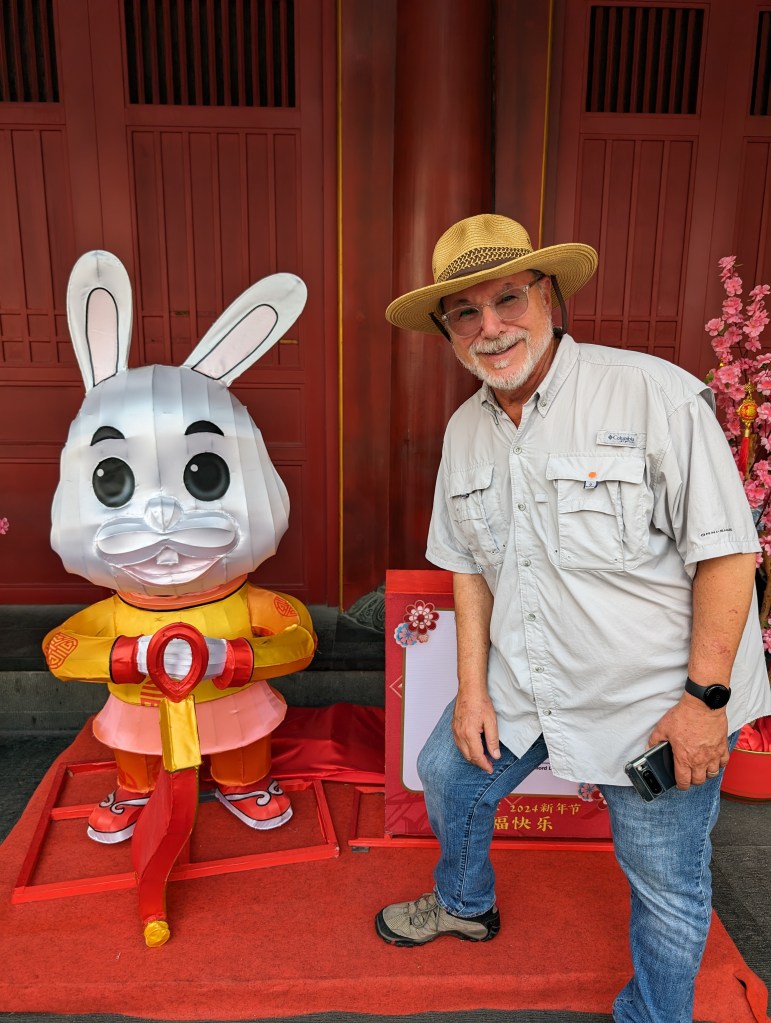
Singapore’s Chinatown was particularly colorful during our visit. It was being decorated for the Chinese New Year, a big event that lasts about 2 weeks. This is a particularly auspicious year, the year of the dragon. It’s especially lucky to have your child born during the dragon year. As well as being a foodie’s dream place, Chinatown is full of boutiques, shops for herbal remedies, souvenirs and about anything you can think of. About 75% of the nation’s residents are of Chinese heritage, so they are a strong majority. The largest other backgrounds are Indian and Malaysian, but no group receives special rights or privileges in Singapore.
 J and J Travel
I am enjoying your blog and pictures. Some places bring back memories of my travels, other places are going on the ‘bucket’ list. Cathi Begg
LikeLike
Thanks Cathi! We all need a bucket list. Mine seems to be growing instead of shrinking as we sail on.
LikeLike