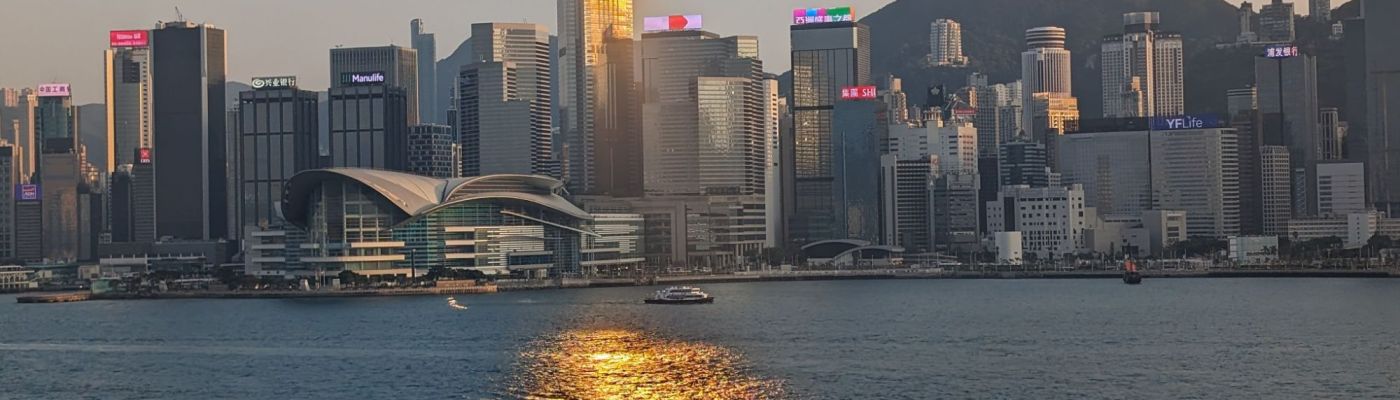
We had a lot of admiration for how well Hong Kong works. The population is one of the densest in the world with more than 17,000 people packed in per square mile and they live with an uncertain political and economic future. But the city hums along smoothly, a financial powerhouse, a tourist magnet and it maintains excellent city services with a civil atmosphere. We had three days in this port and would have loved to have more.
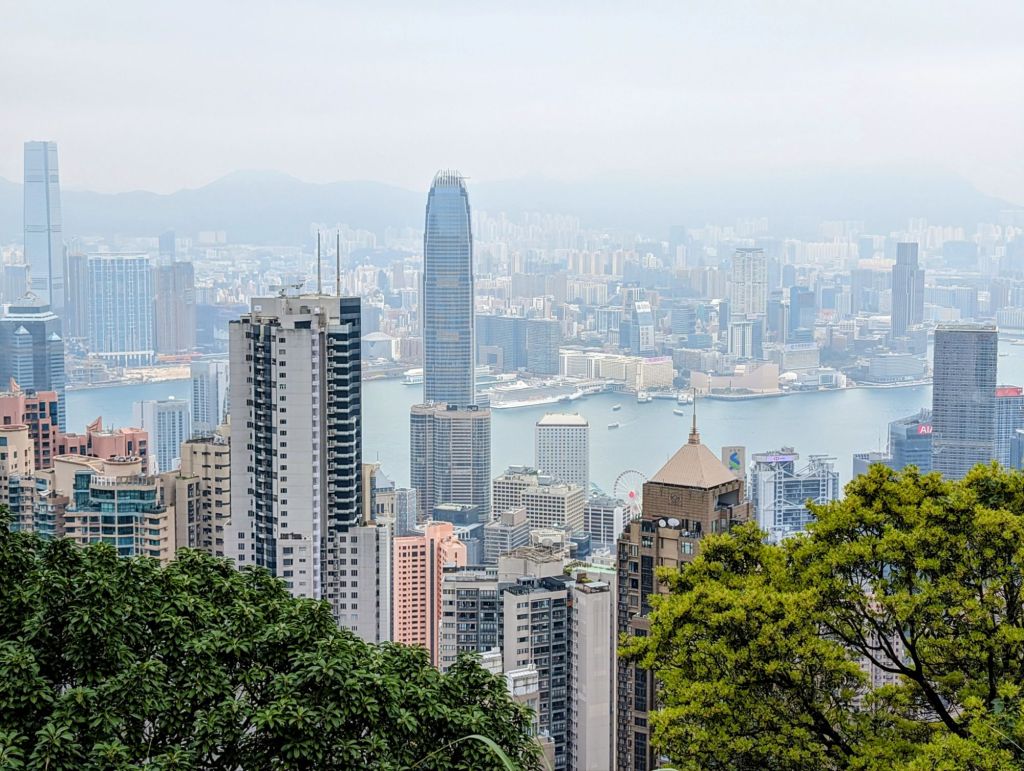
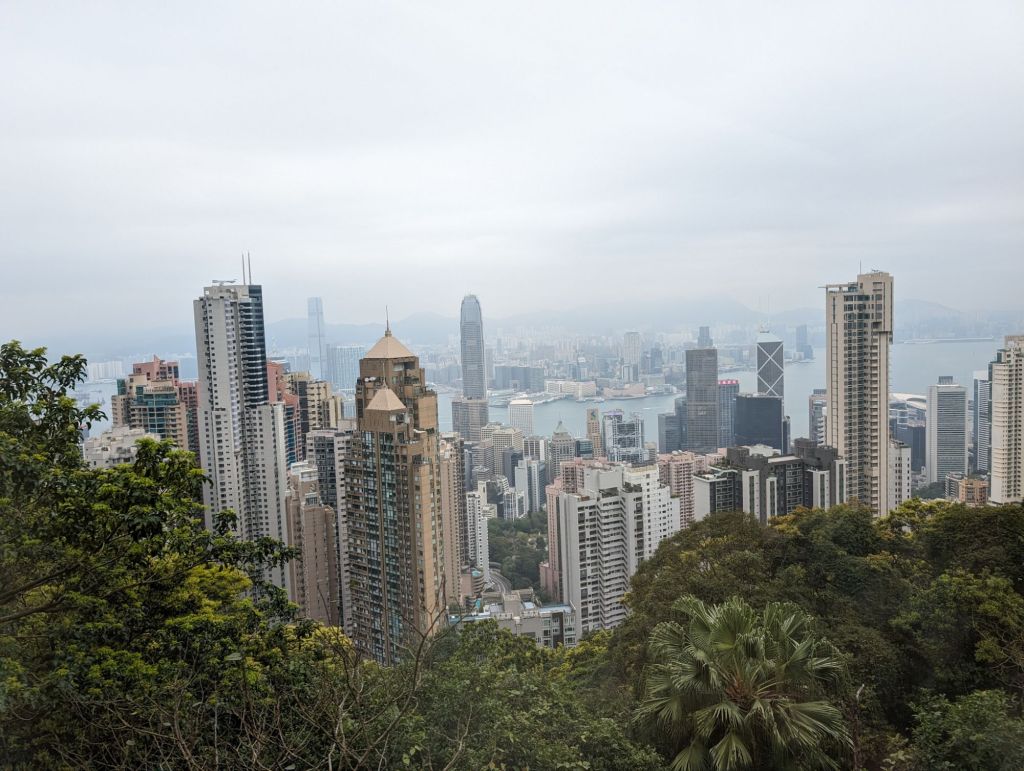
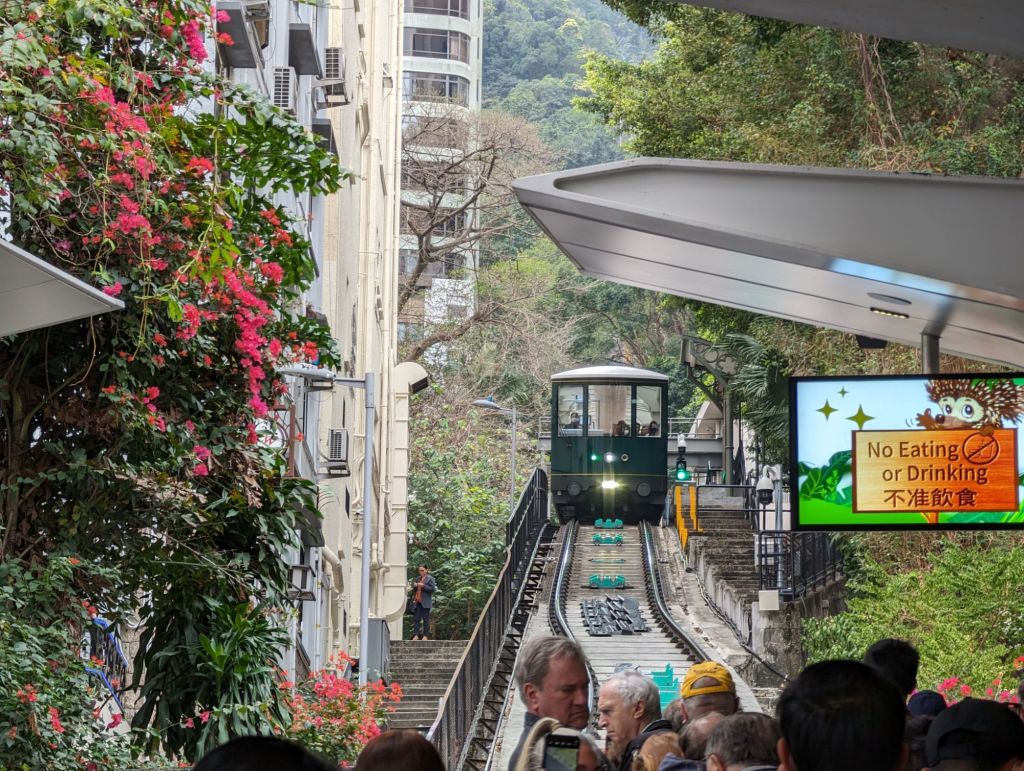
We took the tram up to the top of Victoria Peak, or just The Peak as it’s known. From there we had beautiful views of the skyscrapers flanking Victoria Harbor and we looked across the harbor to Kowloon and the mountains beyond.
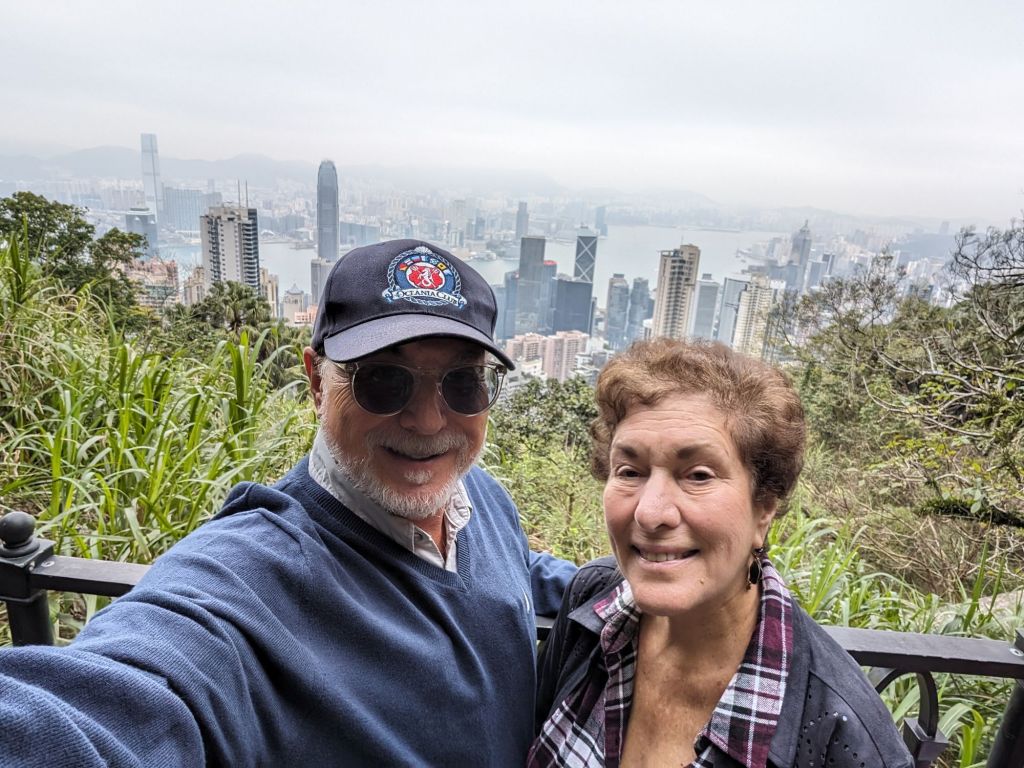
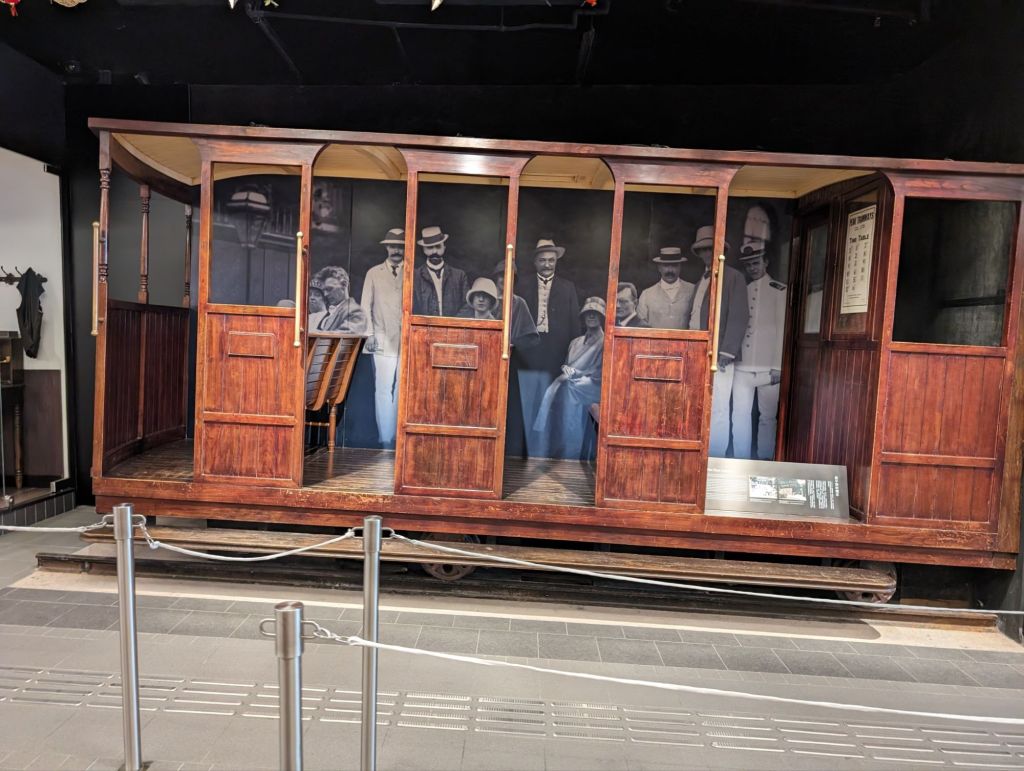
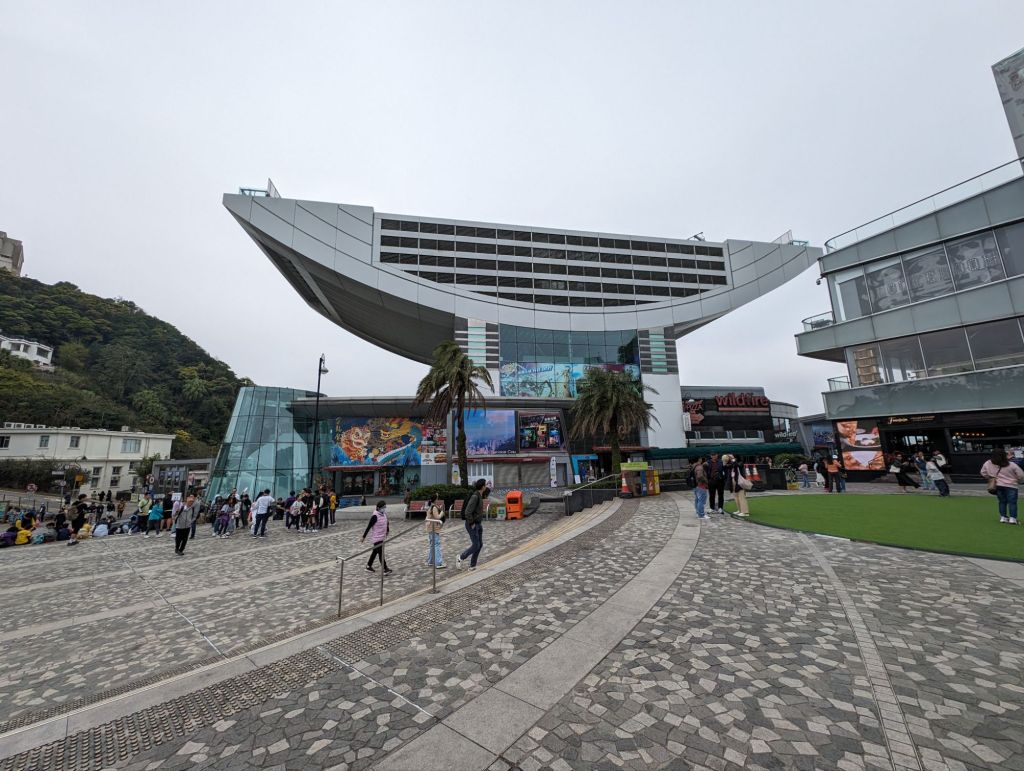
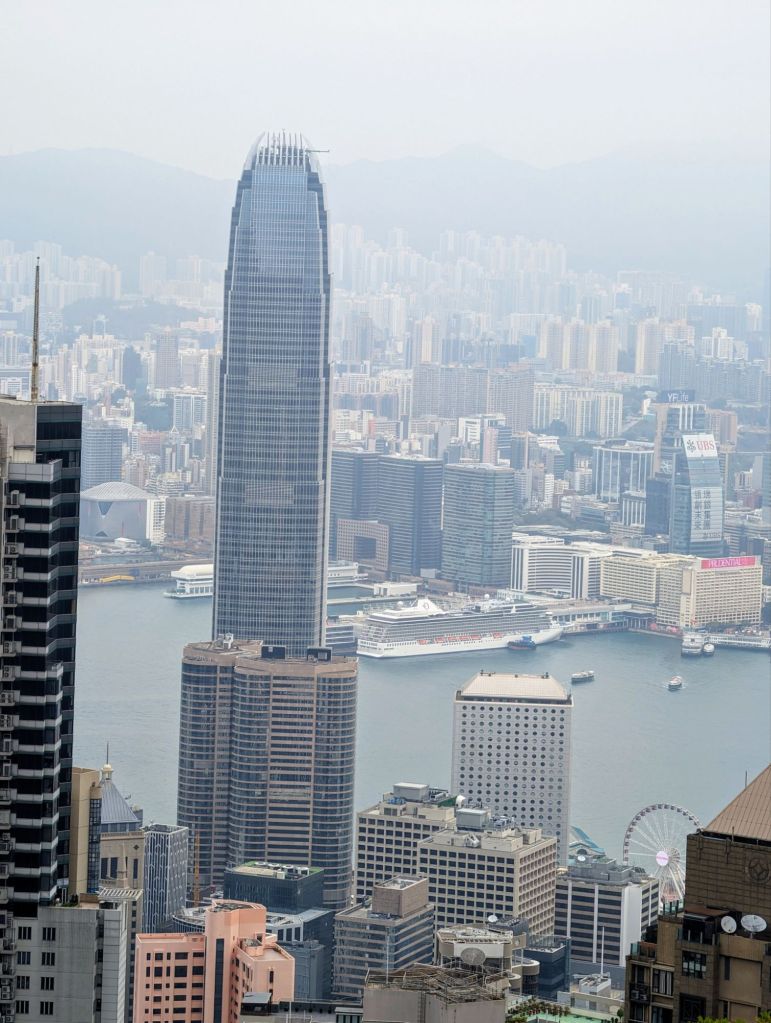
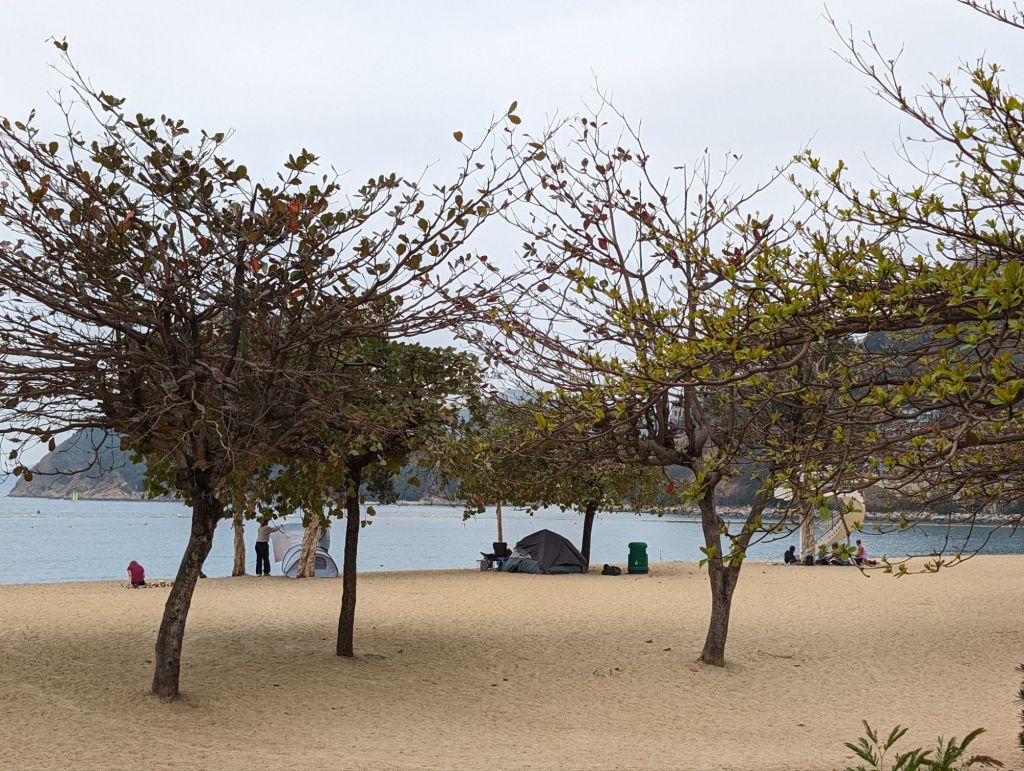
On the southern part of Hong Kong Island is Repulse Bay, which has one of the most expensive residential areas in the world. It also has the largest man made beach in Hong Kong.
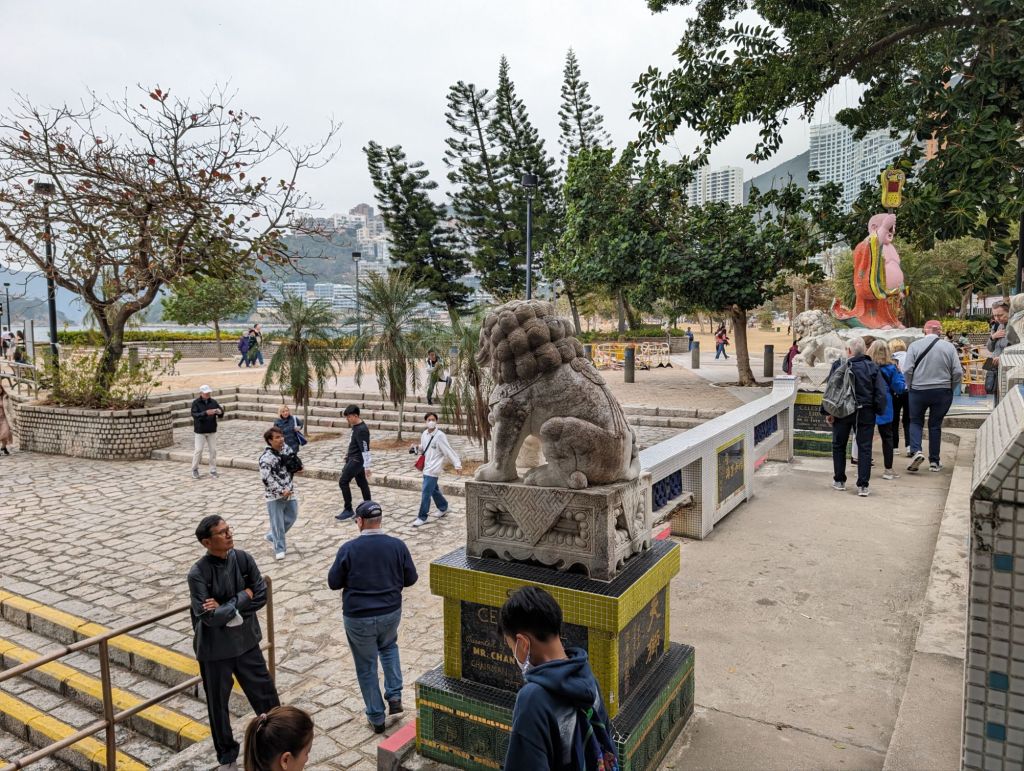

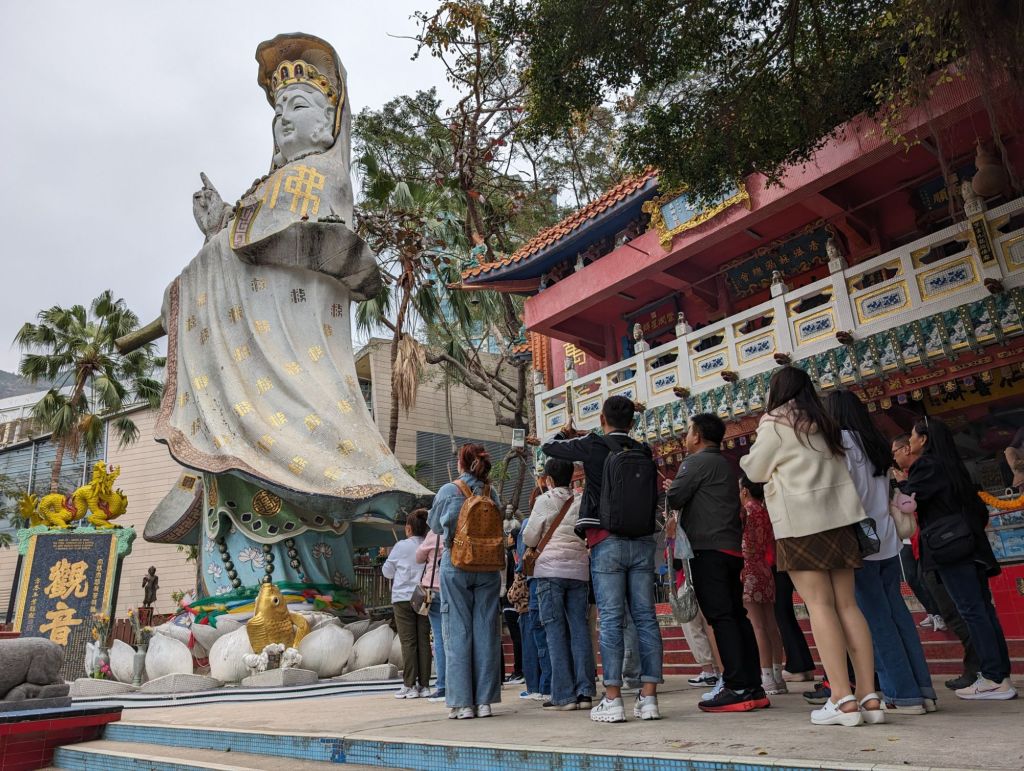
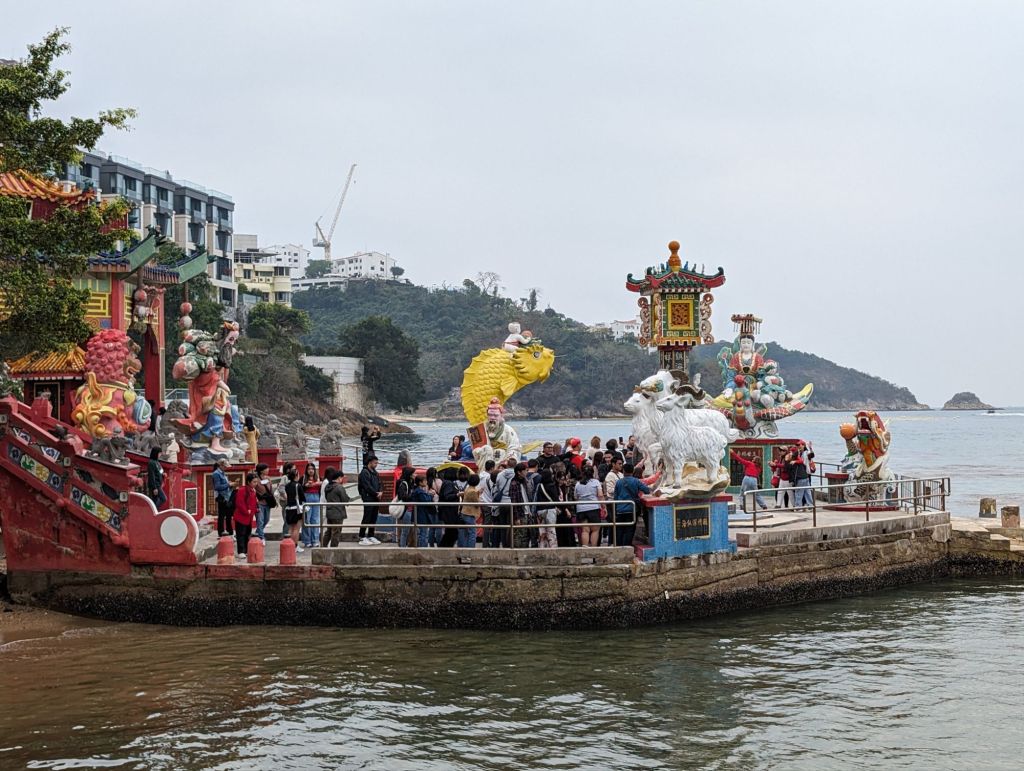
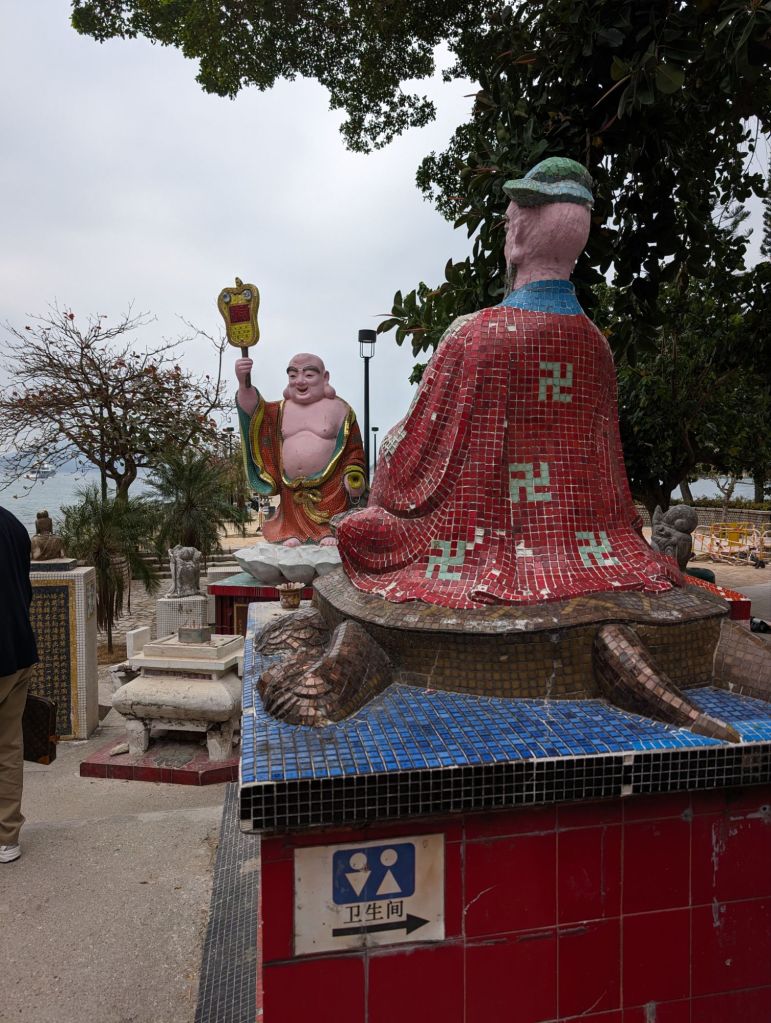
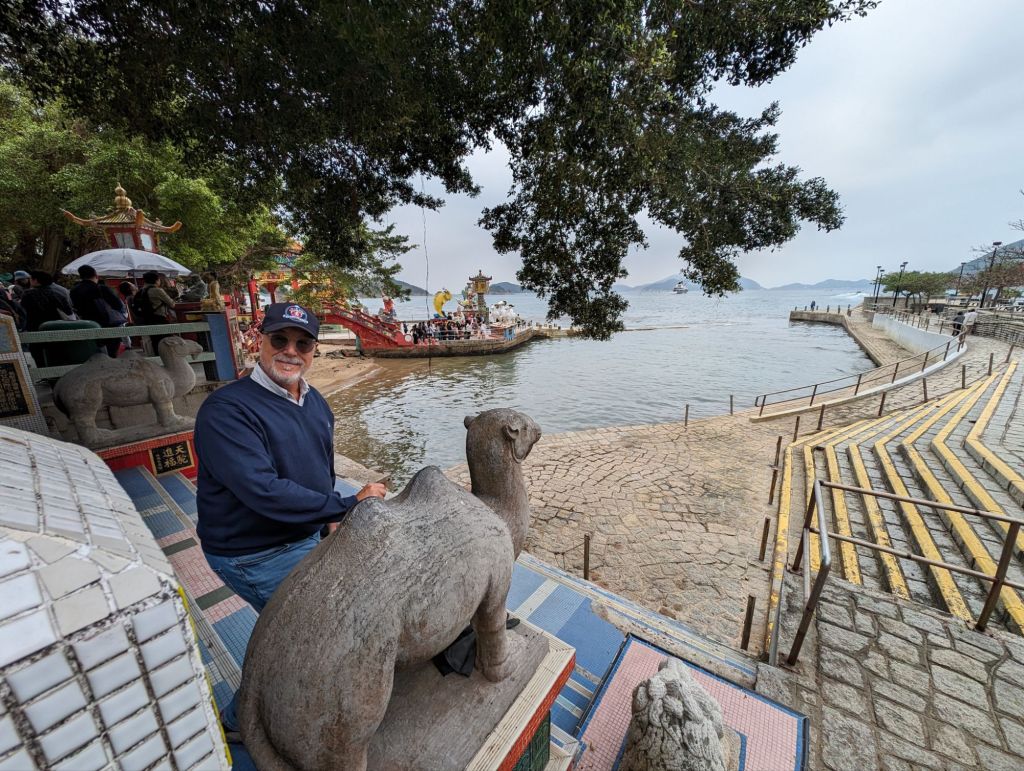
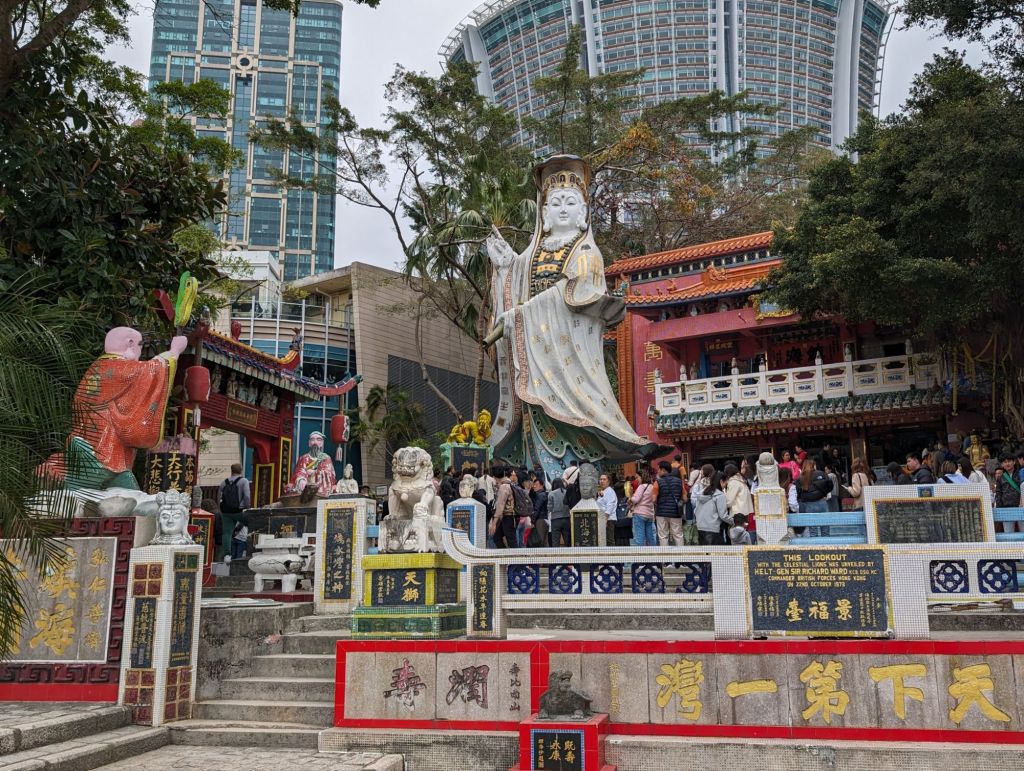
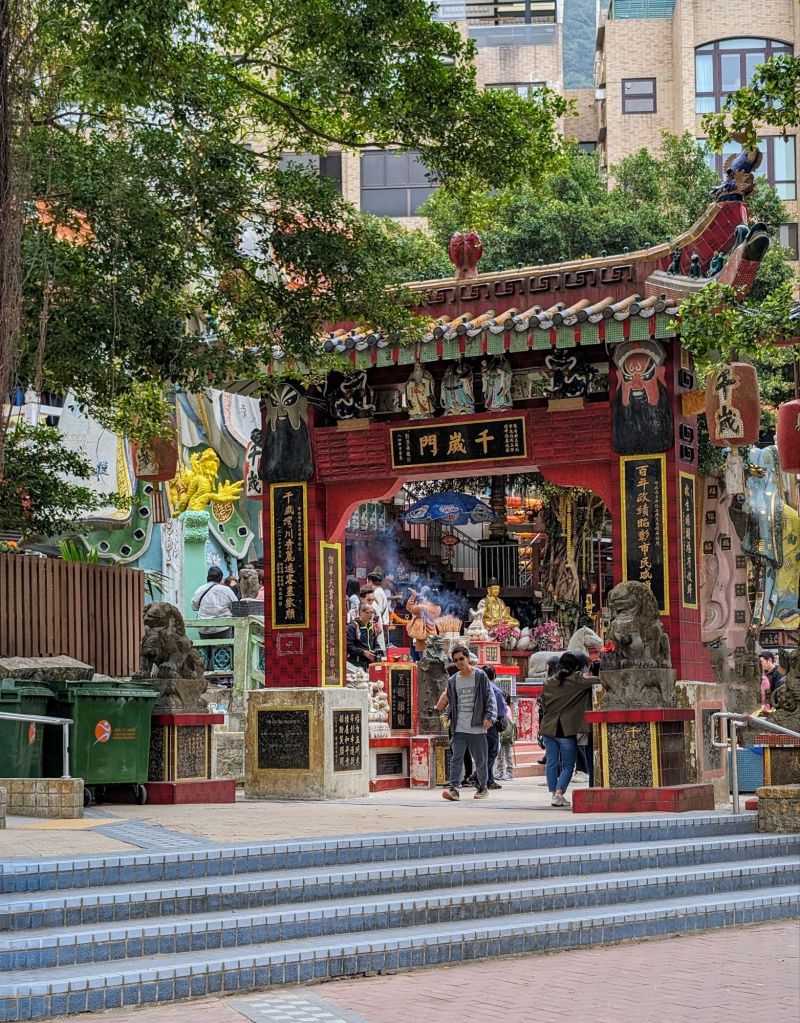
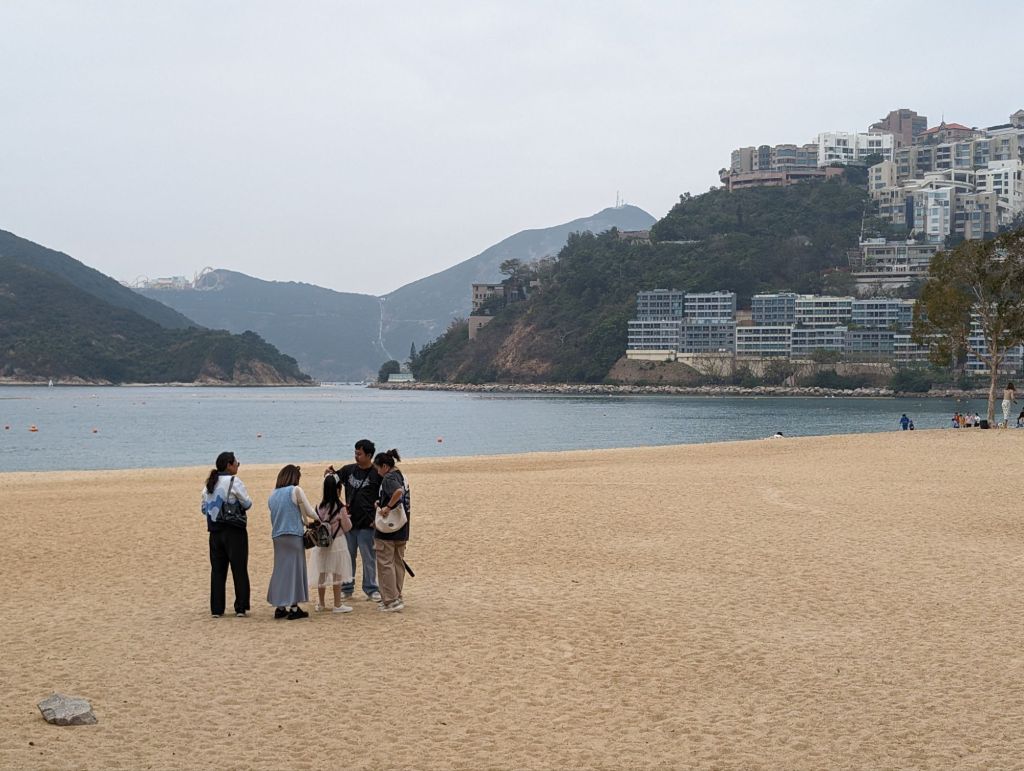
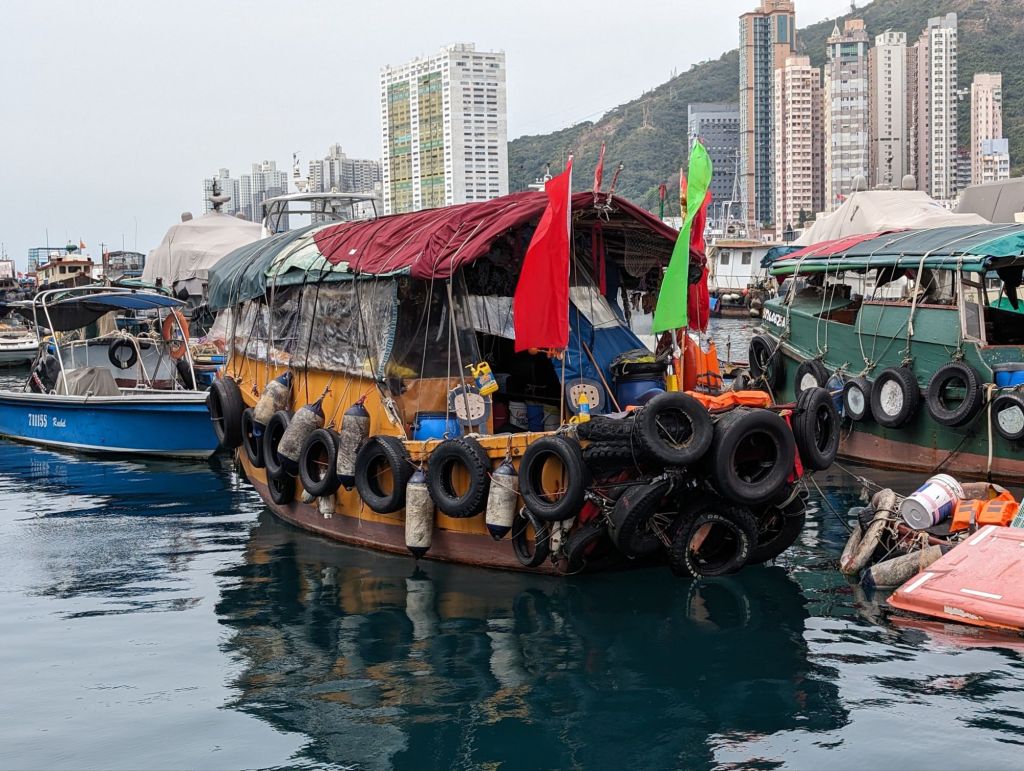
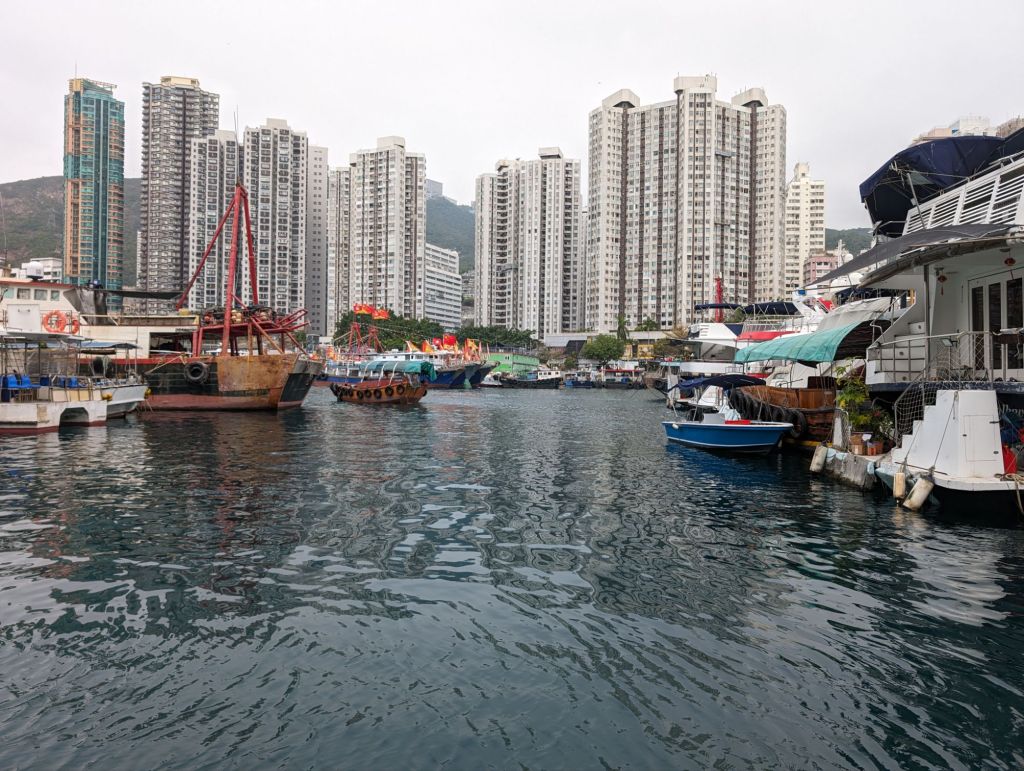
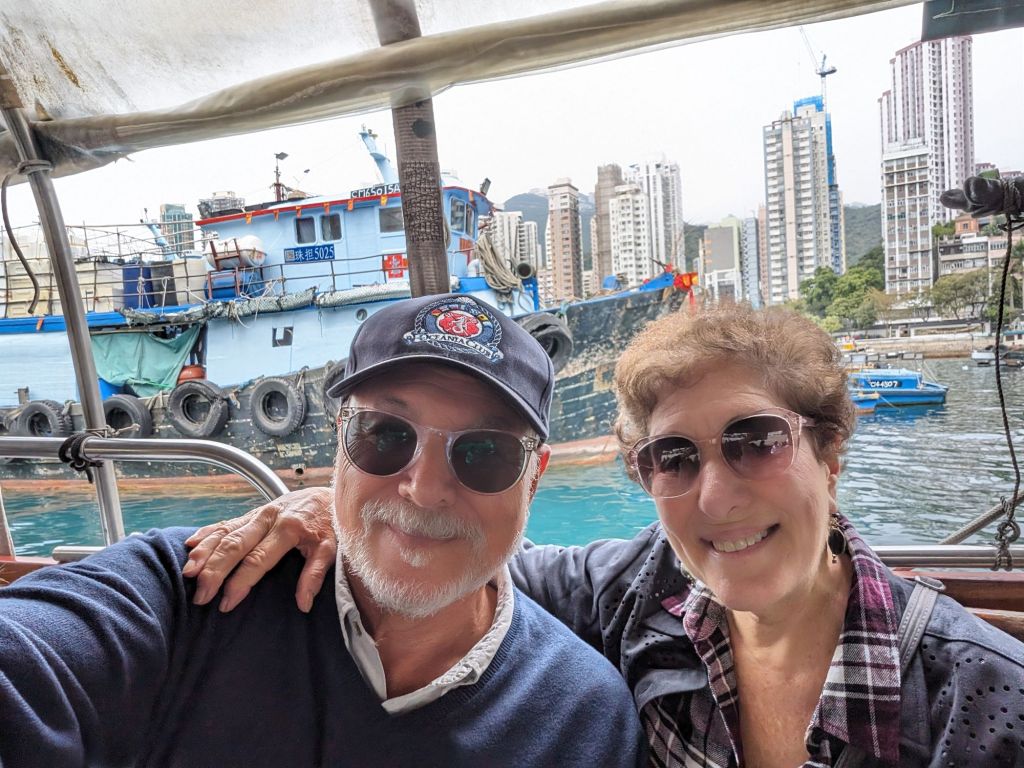
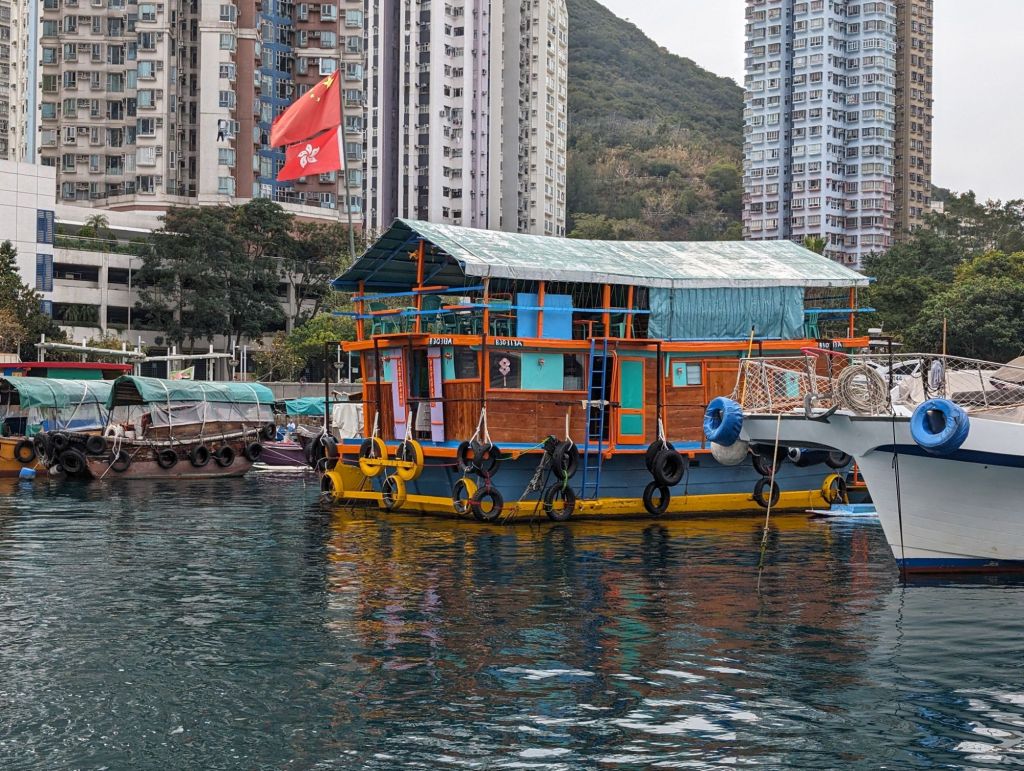
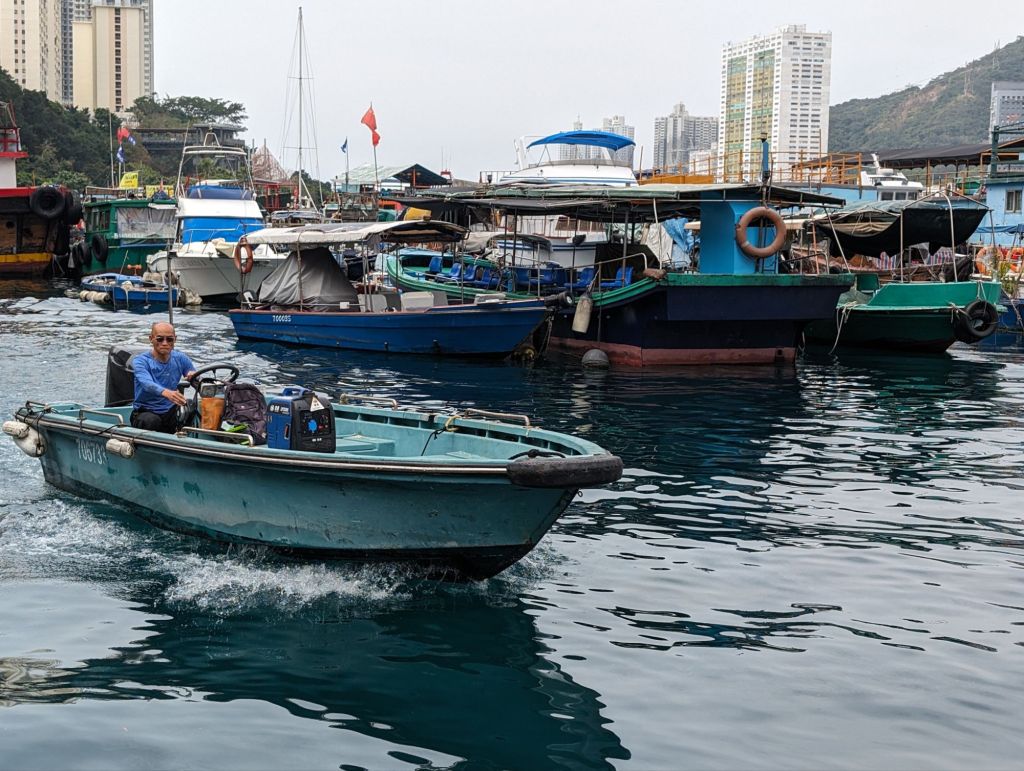
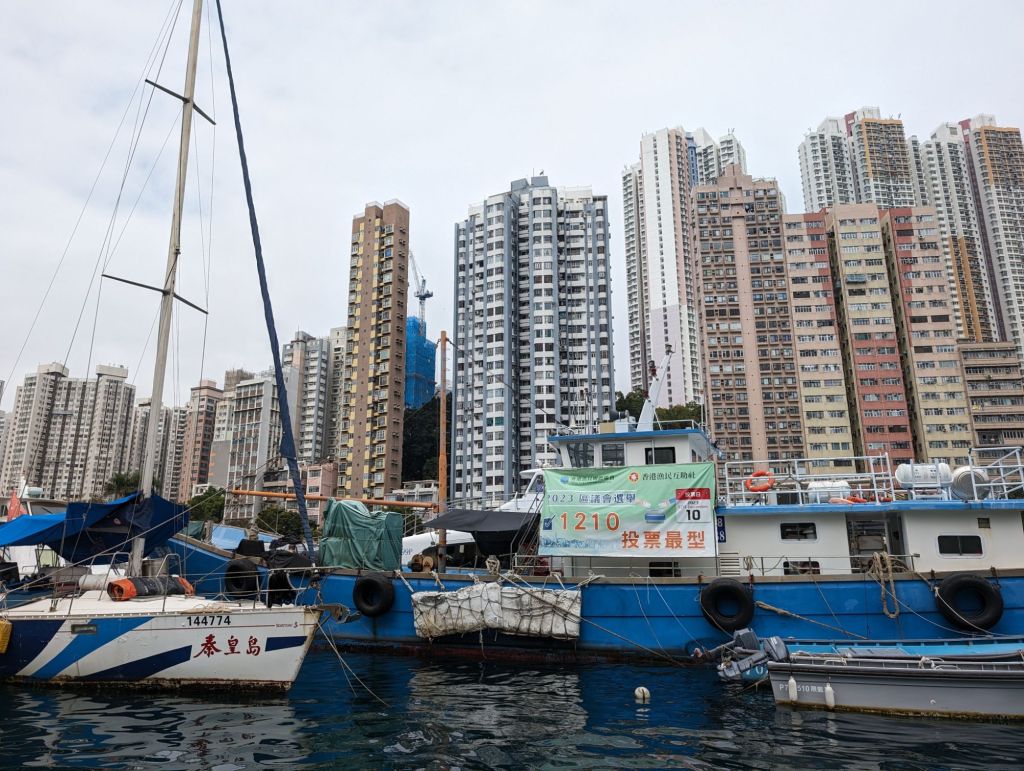
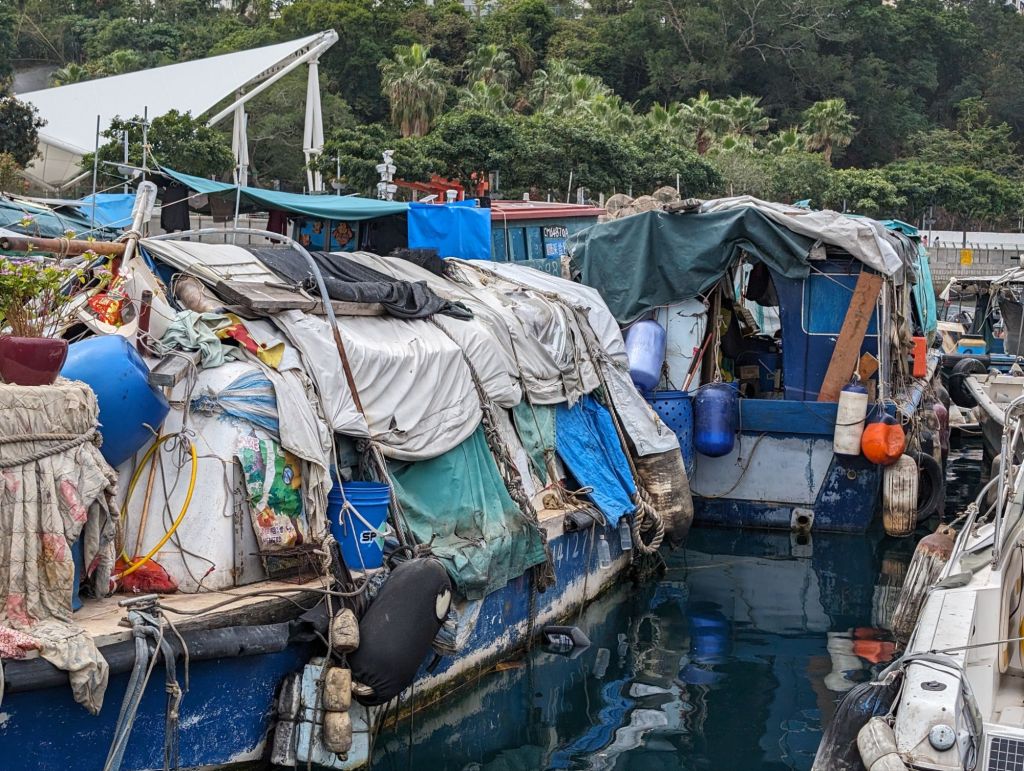
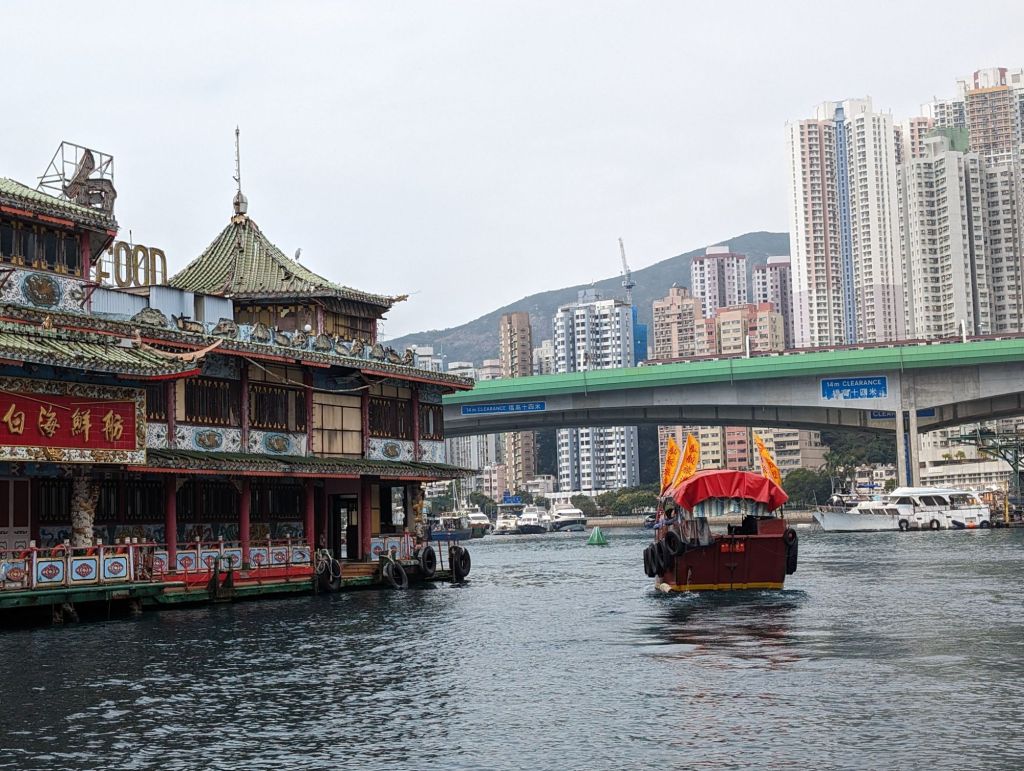
Hong Kong’s Aberdeen Harbor used to belong to thousands of fishing families, known as the floating people. Now most of the fishing boats have gone, but you can take a harbor ride in one of the sampan boats and see houseboats, trawlers, working boats and fancy yachts.
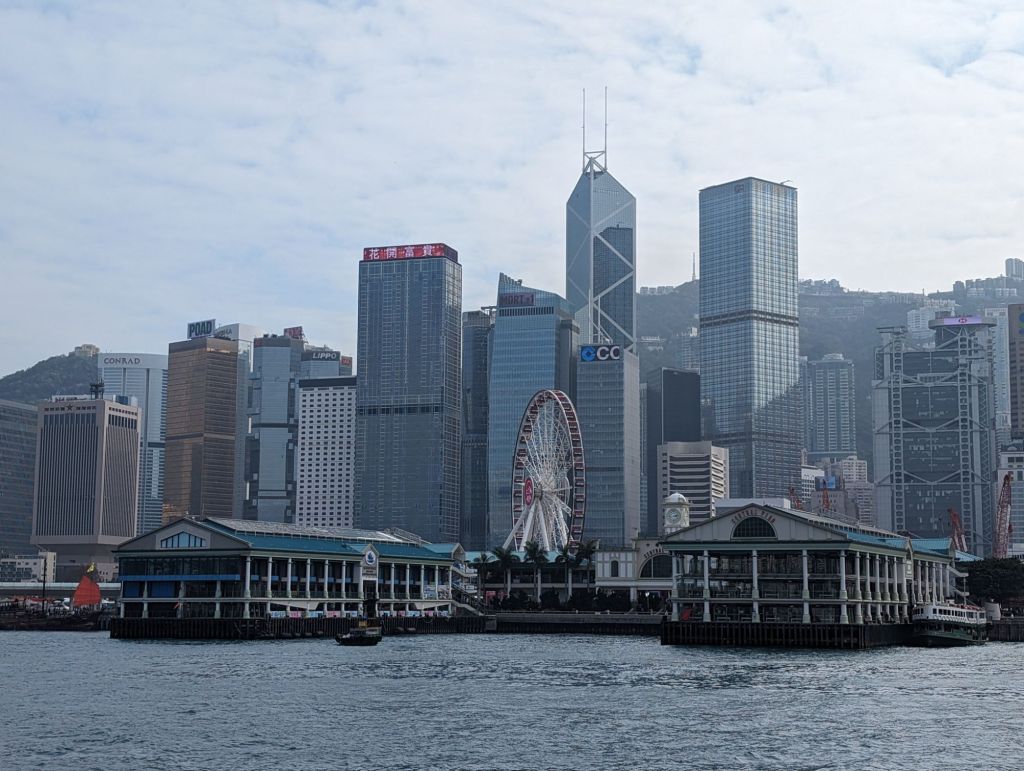
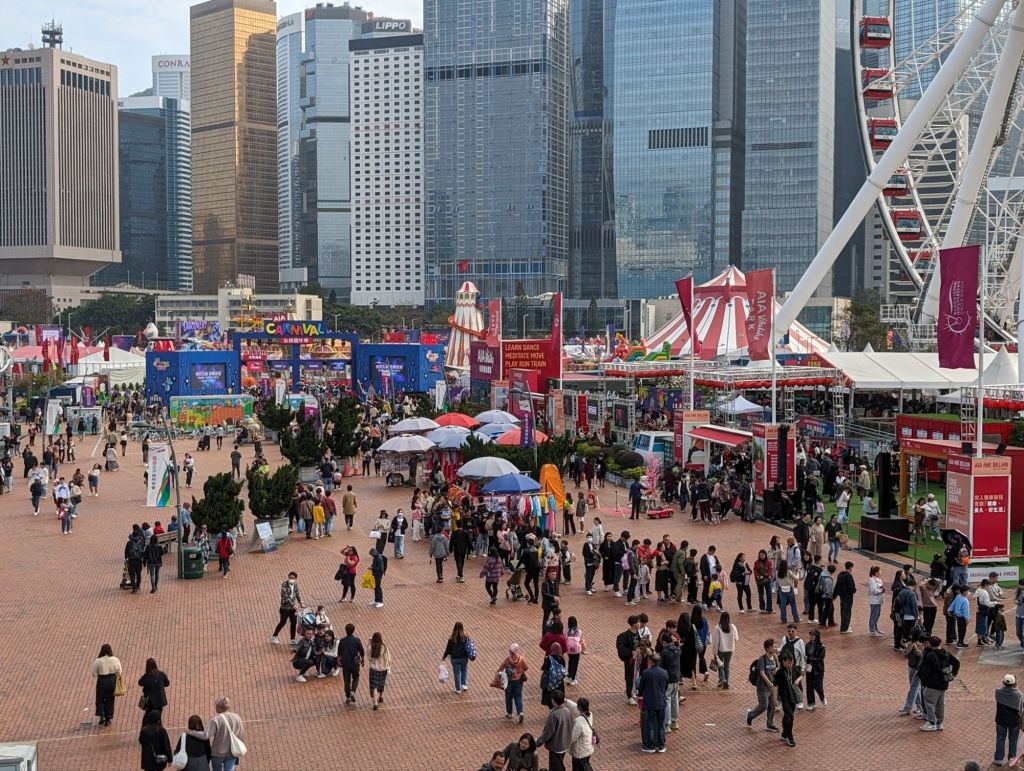
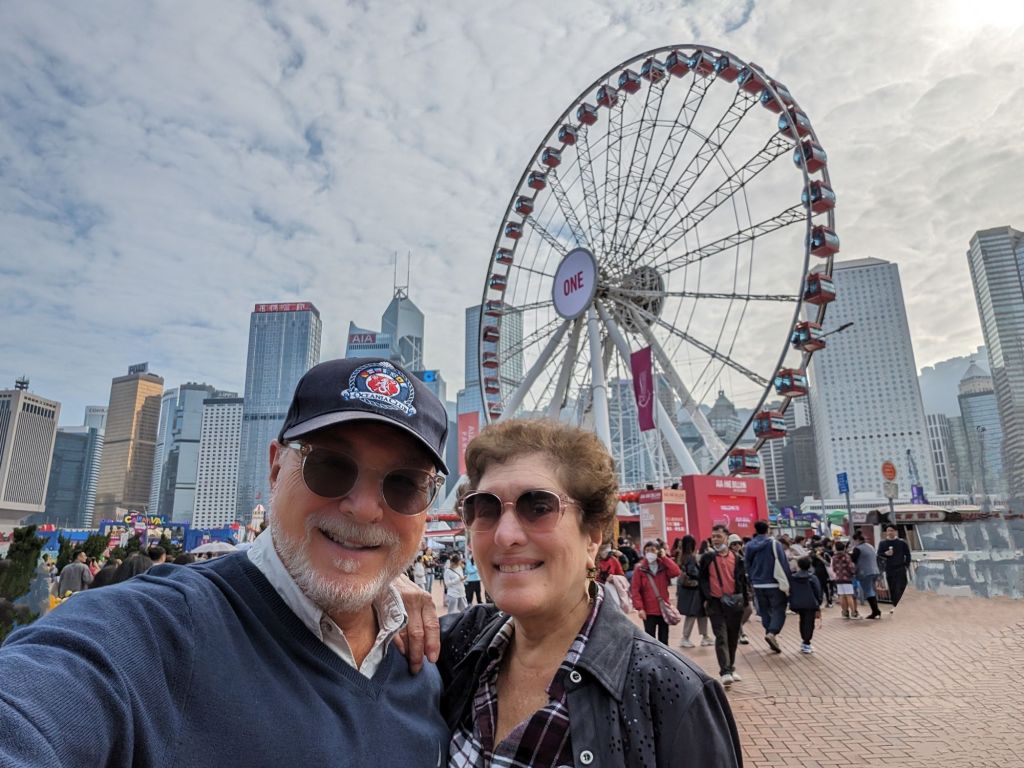
Our ship was docked right next to the Star Ferry building, making it very easy to take the short ferry ride from Kowloon to the Central District area of Hong Kong. The Central District is in the city’s financial district, but a whole carnival-like entertainment area has evolved where the ferry arrives.
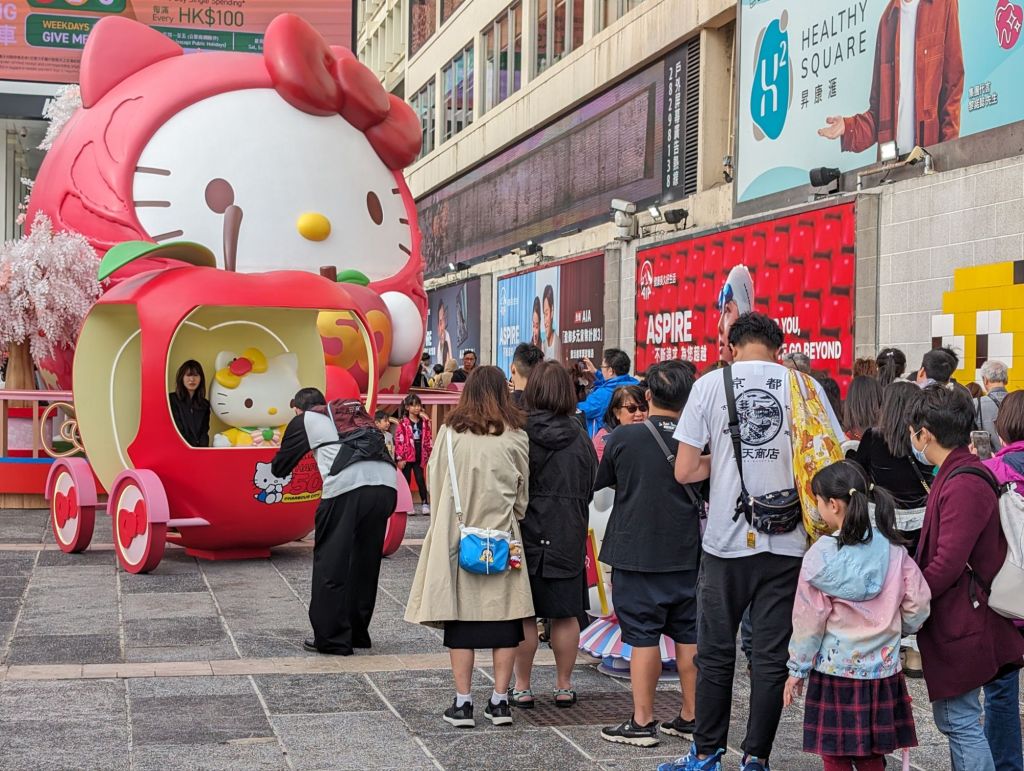
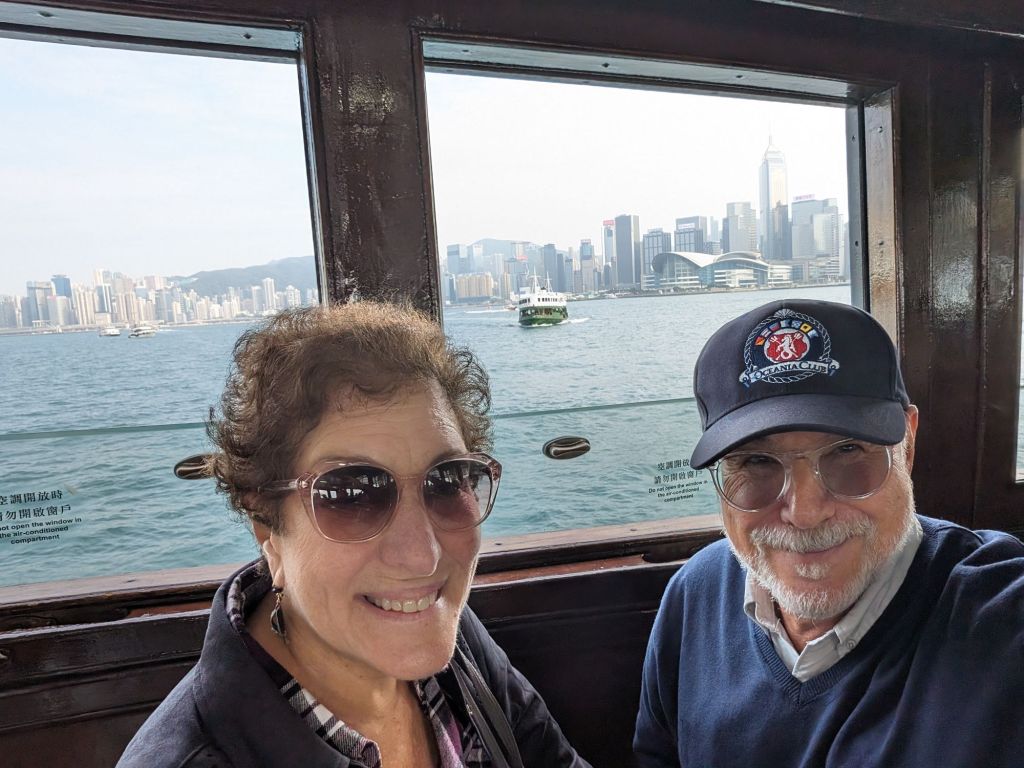
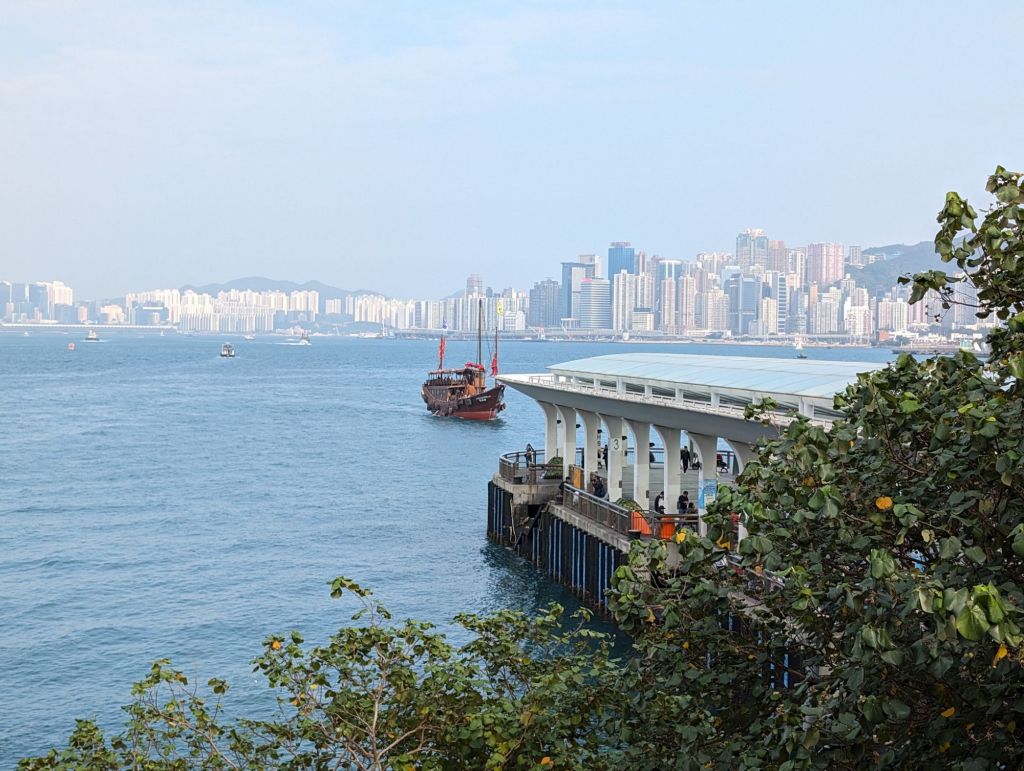
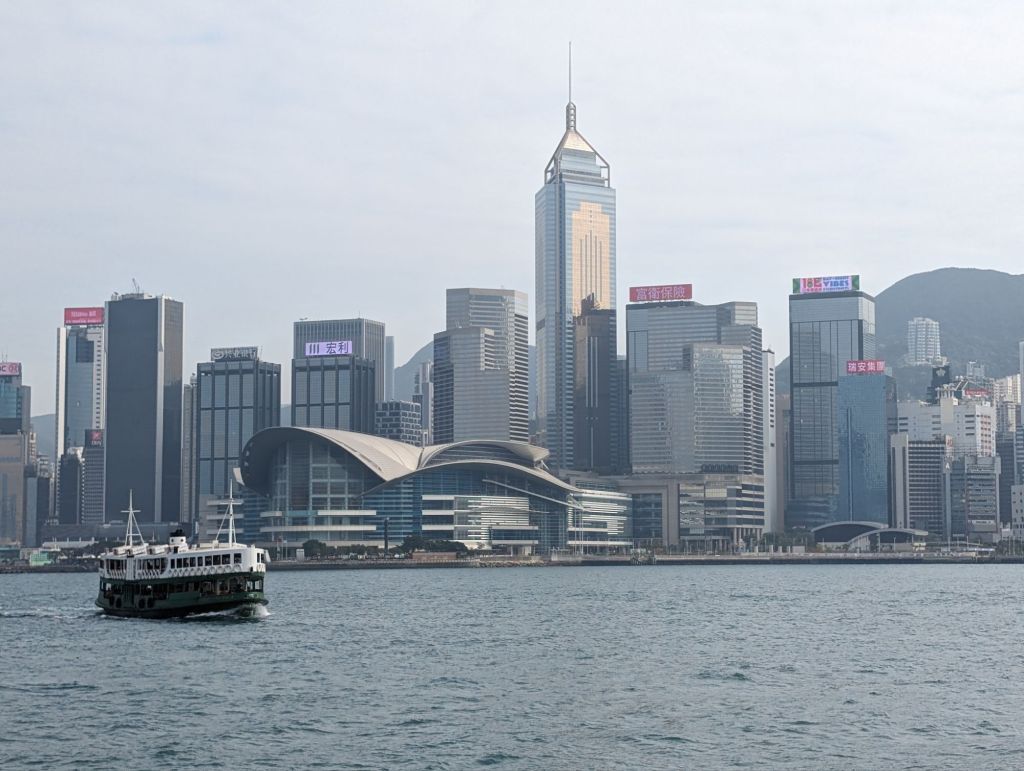
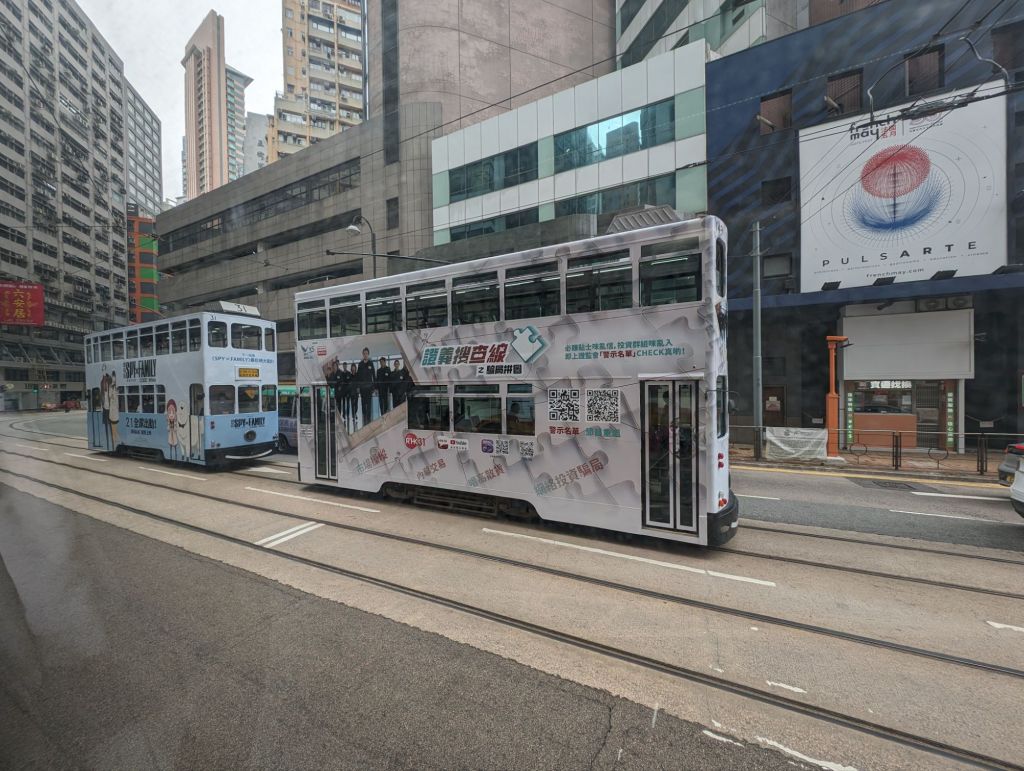
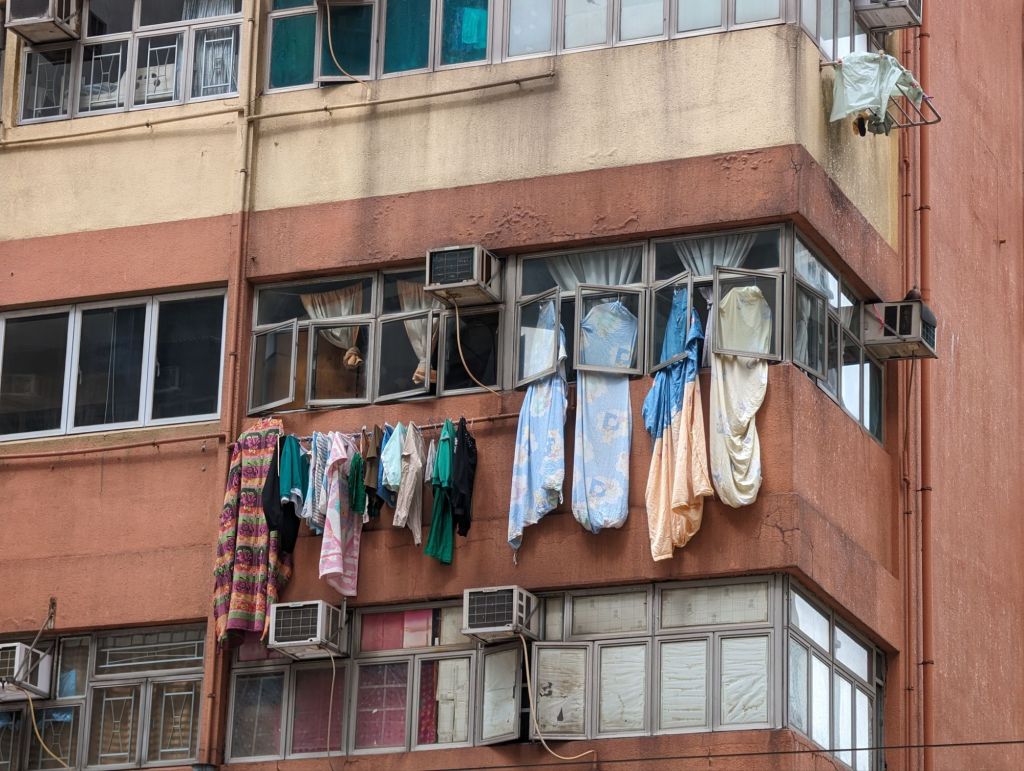
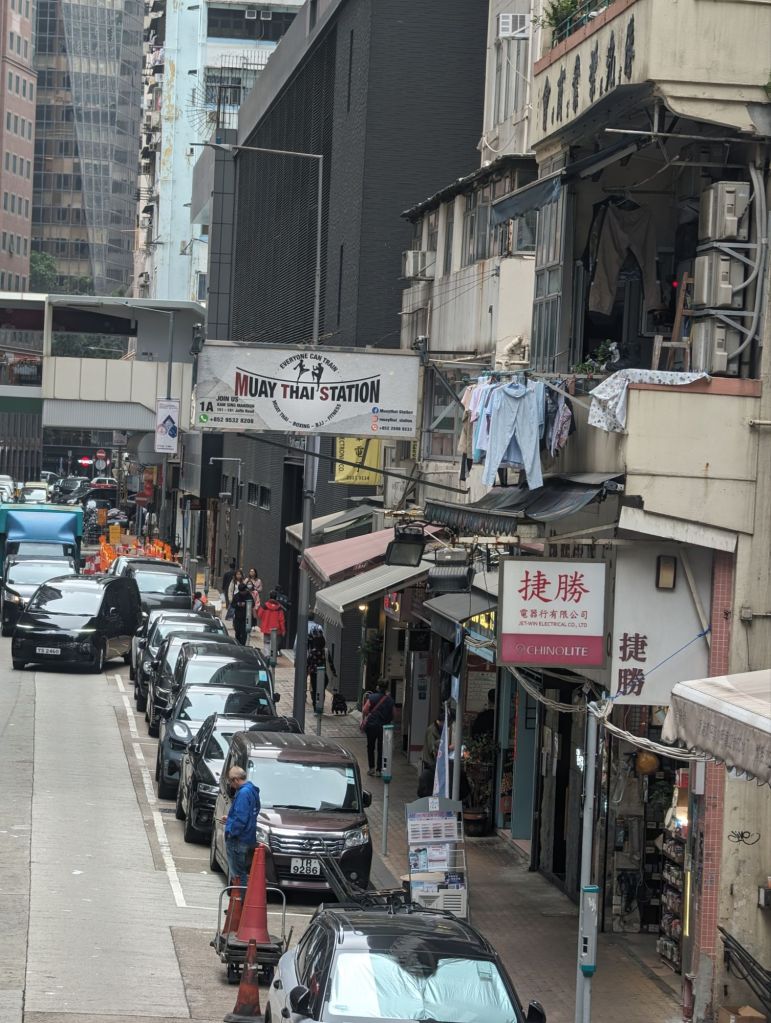
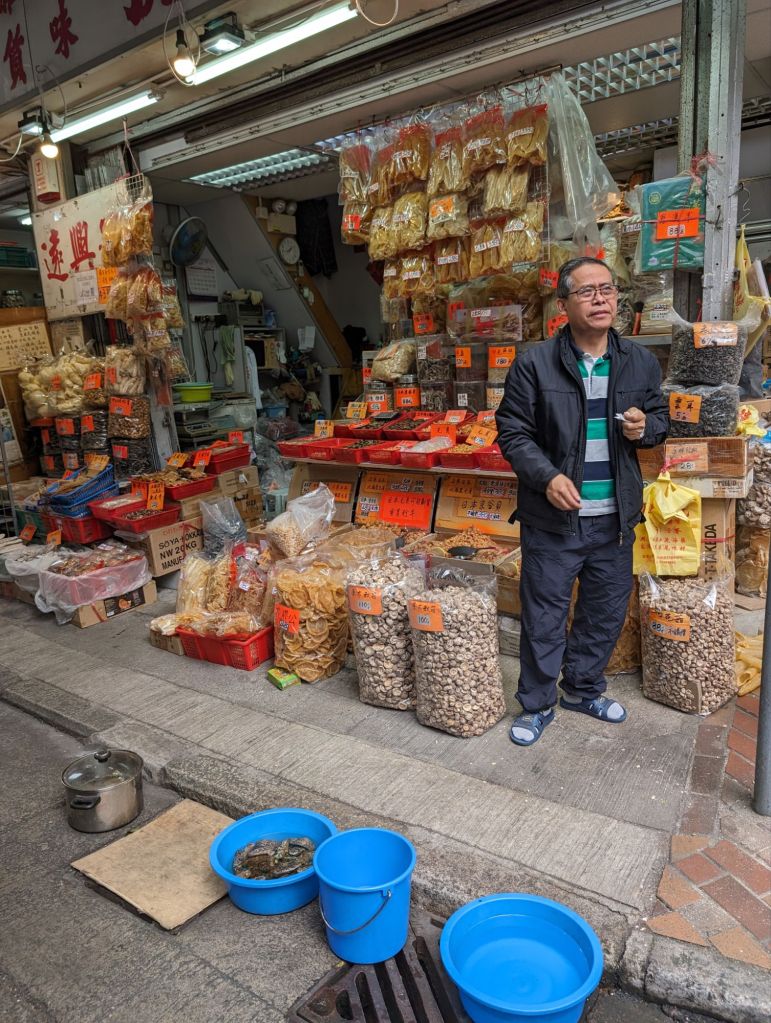
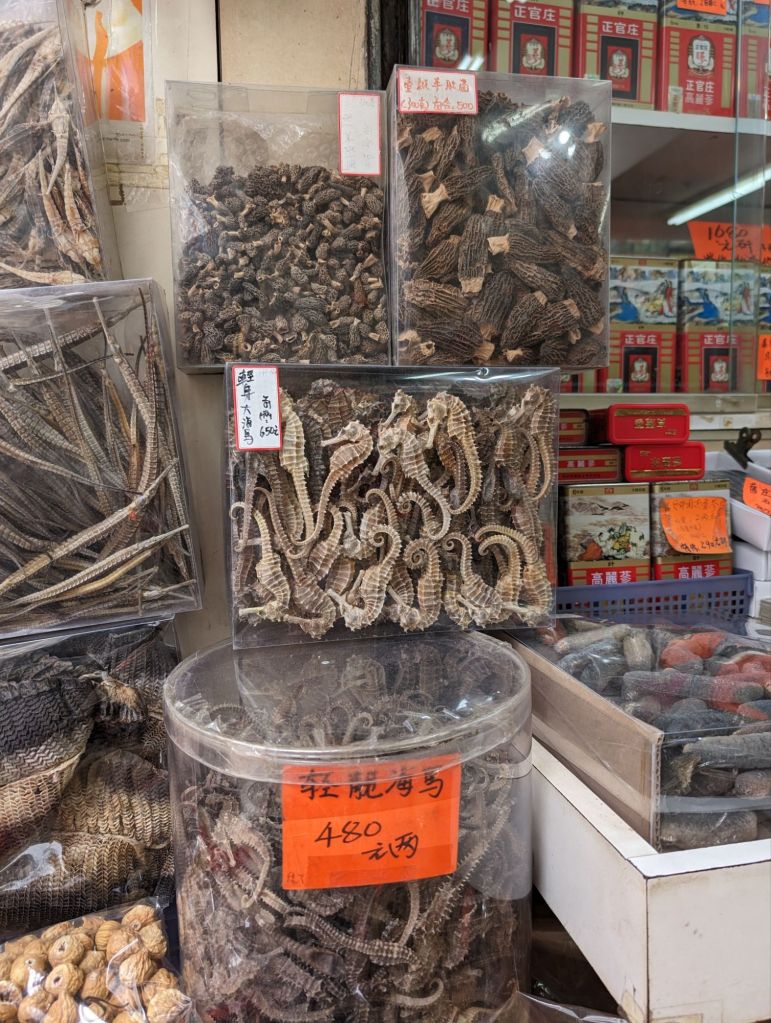
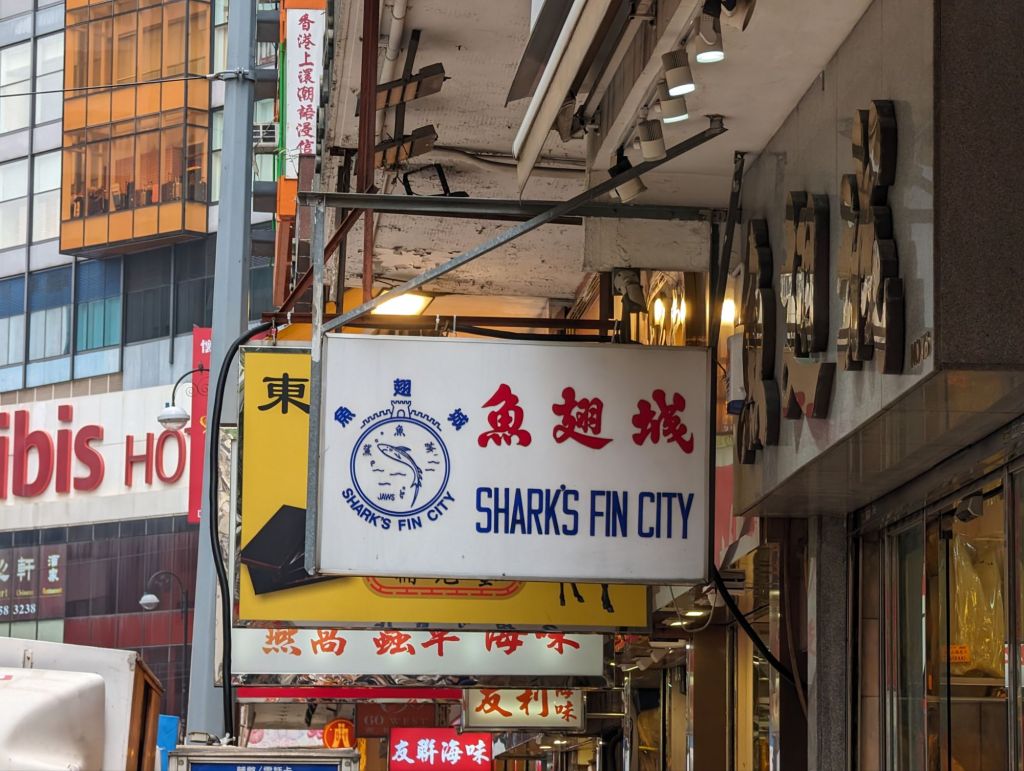
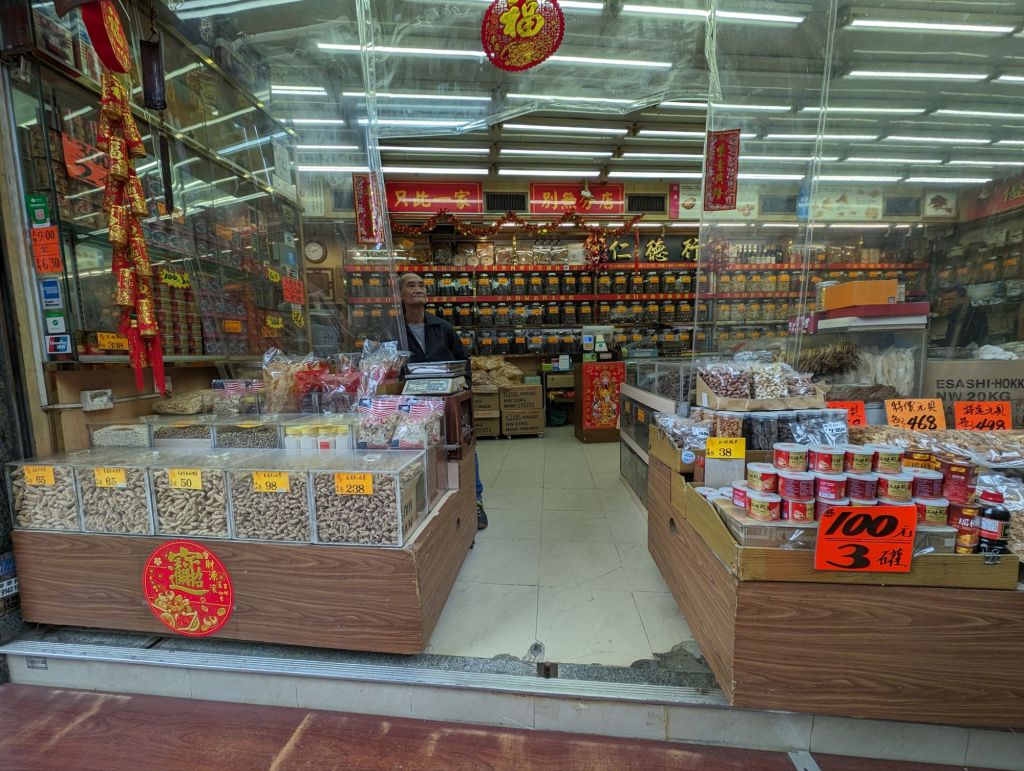
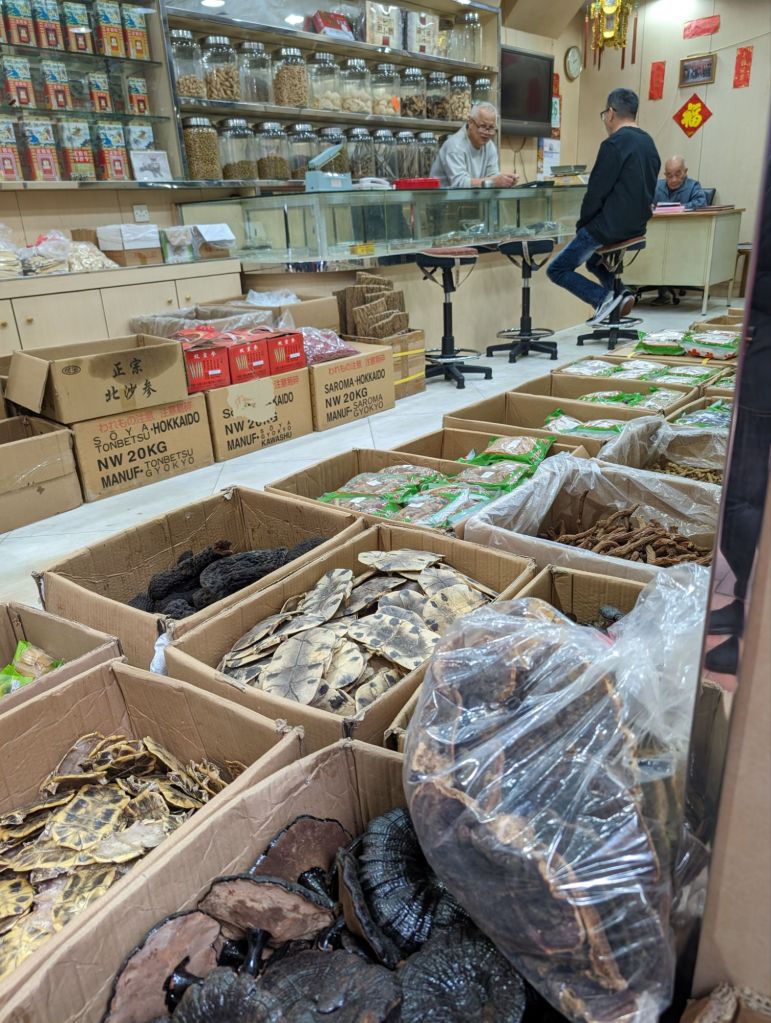
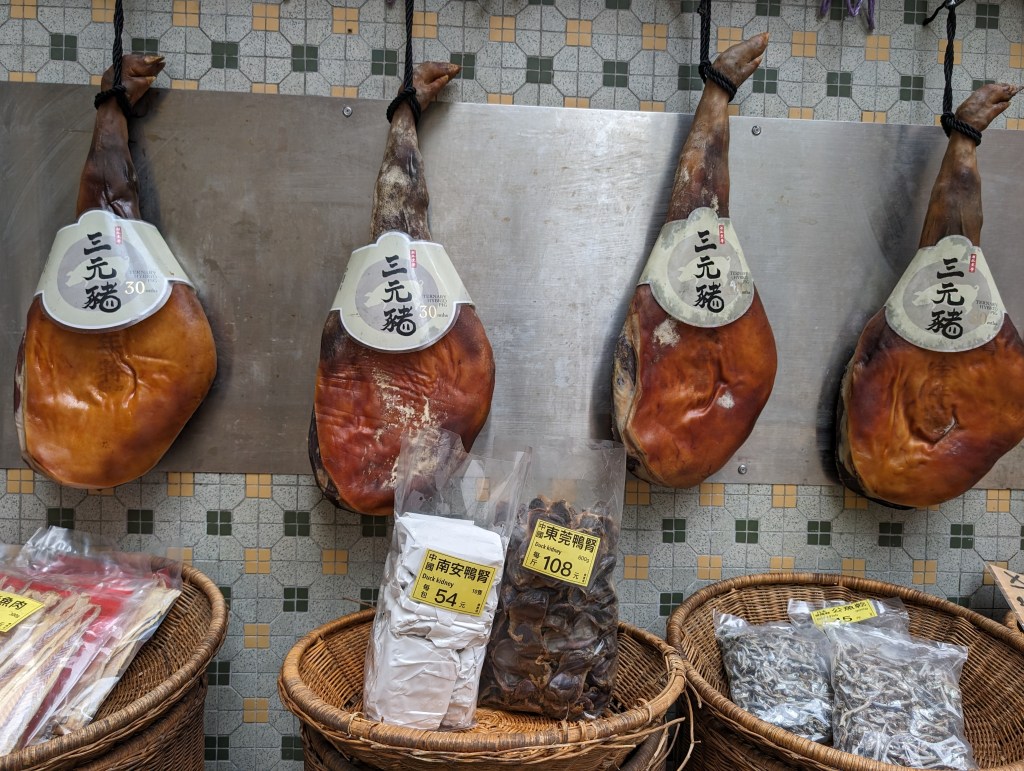
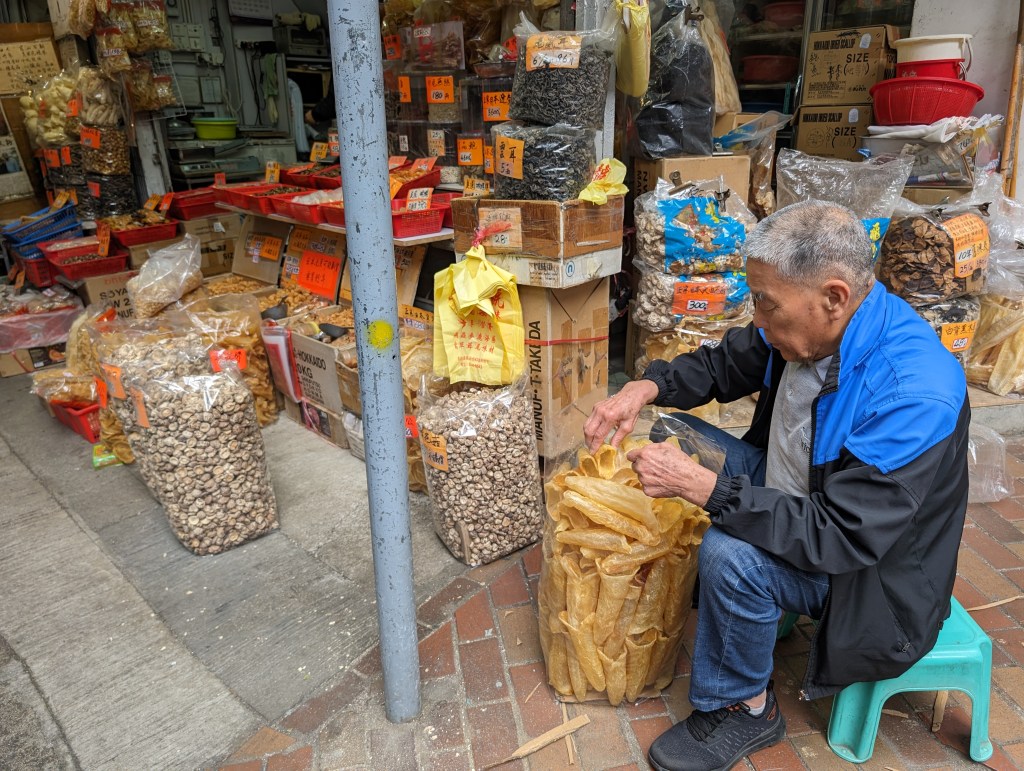
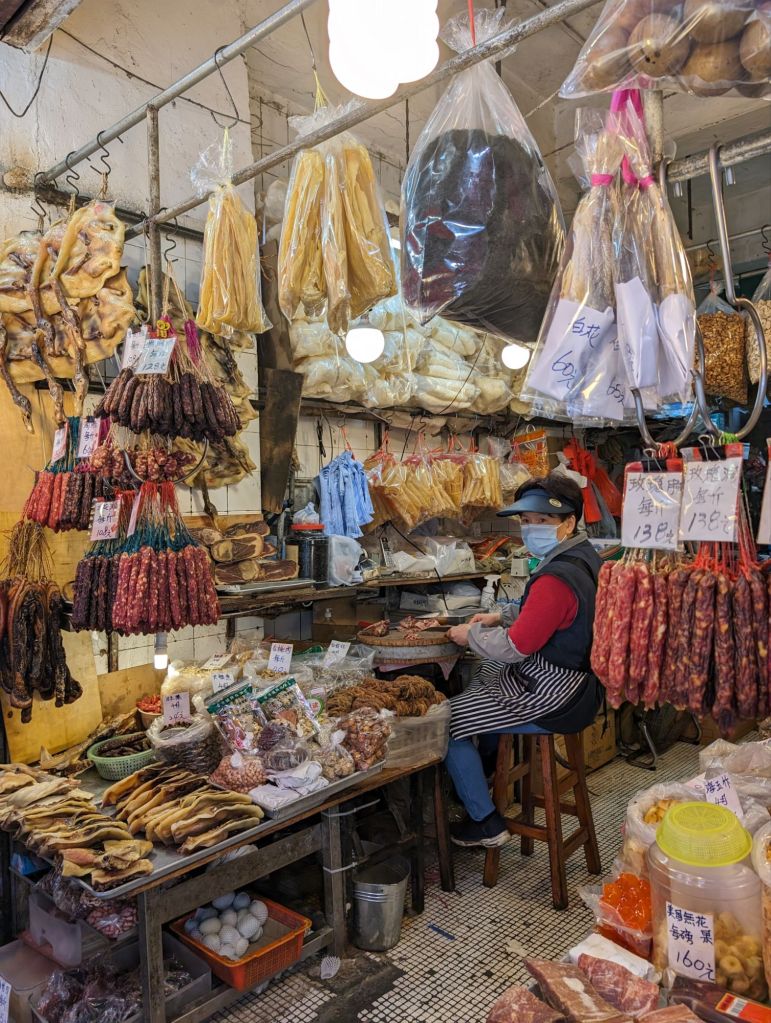
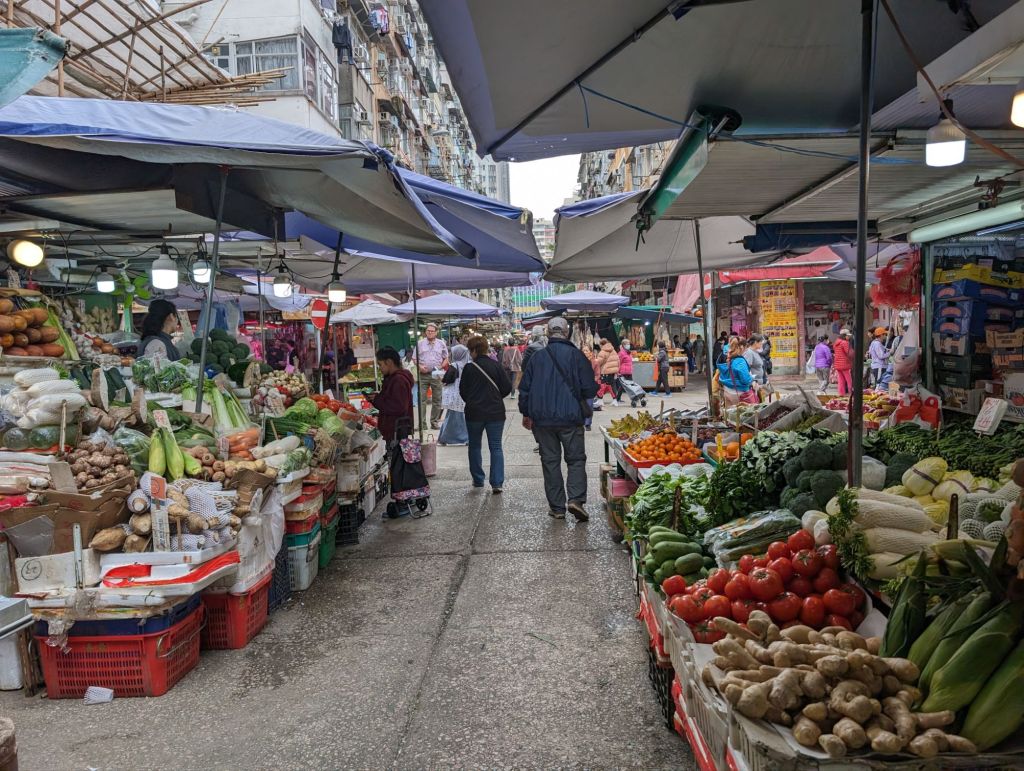
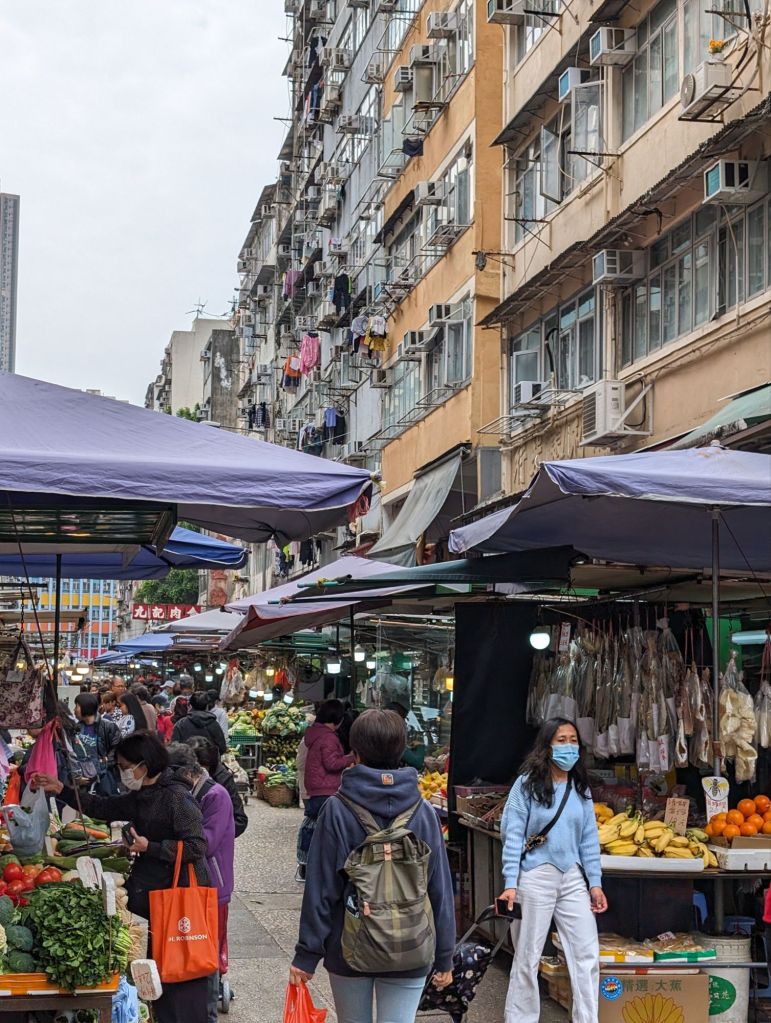
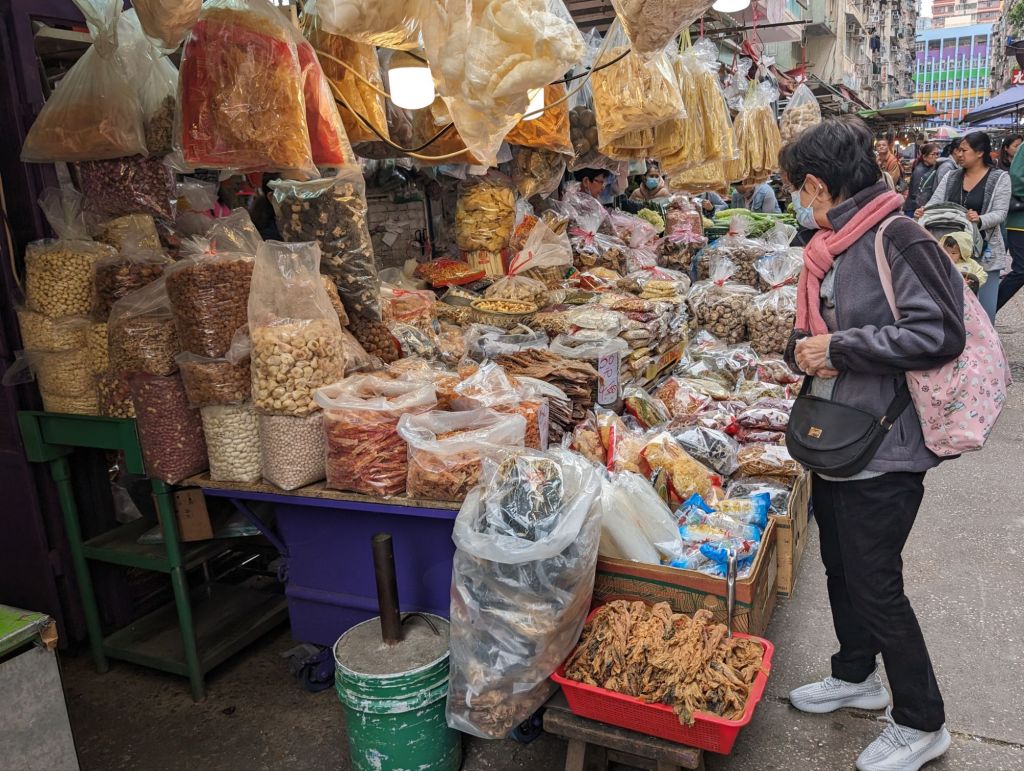
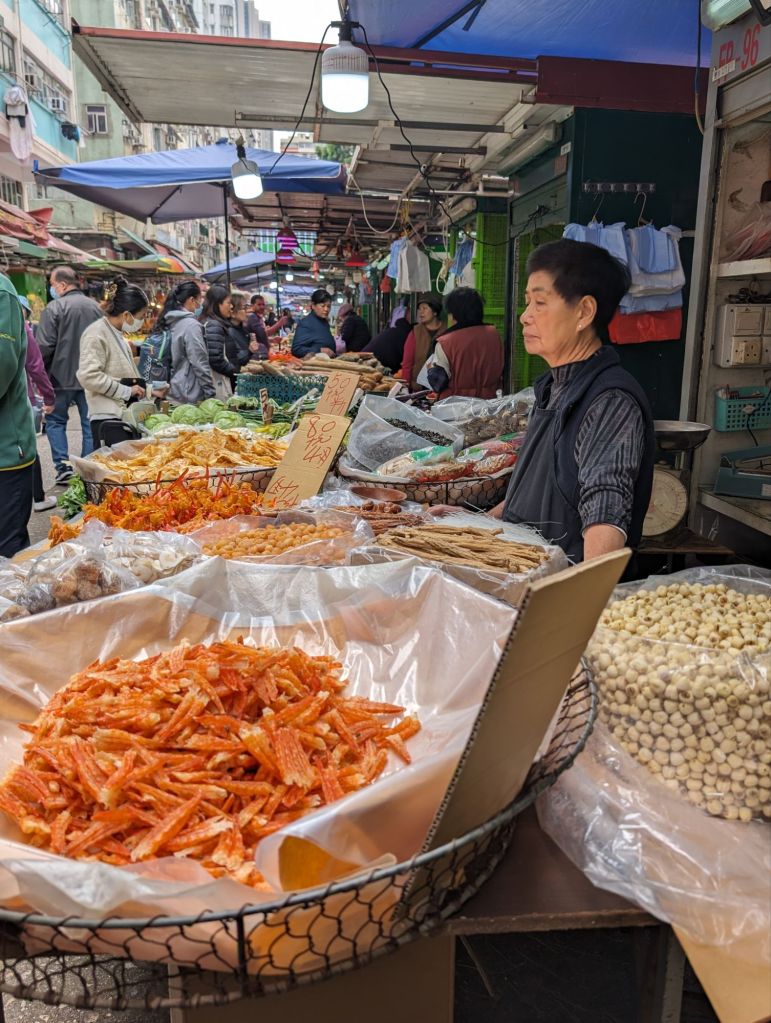
We walked through some of the market areas where people buy everything from dried fish to Chinese herbal remedies, personally compounded for you.
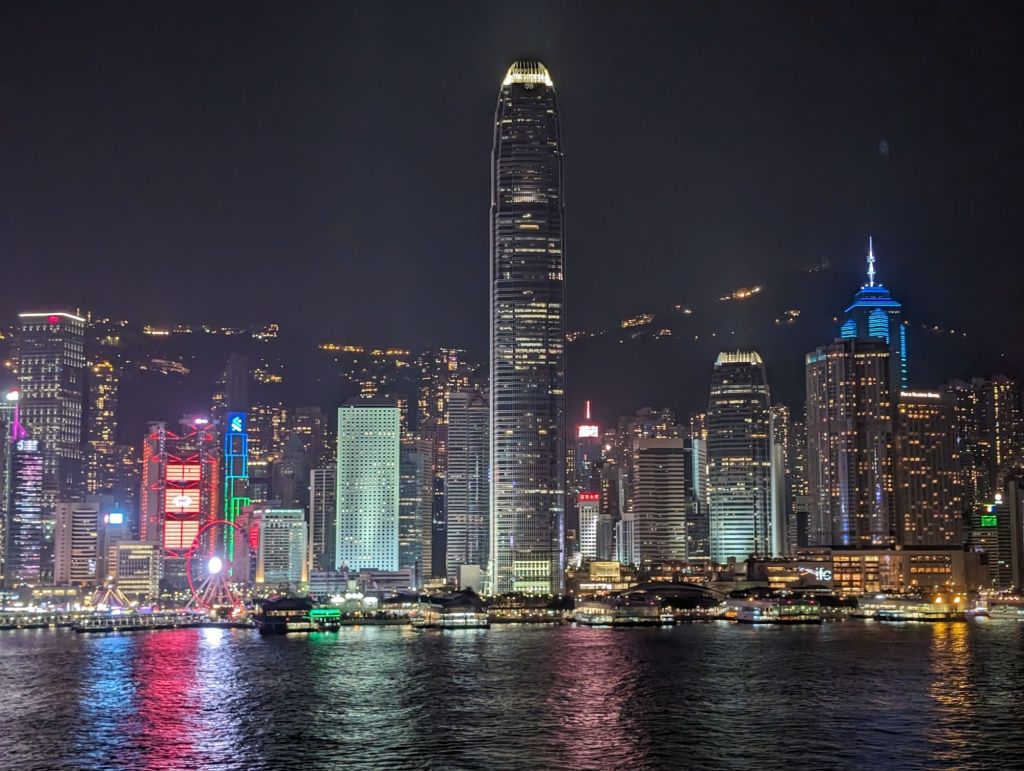
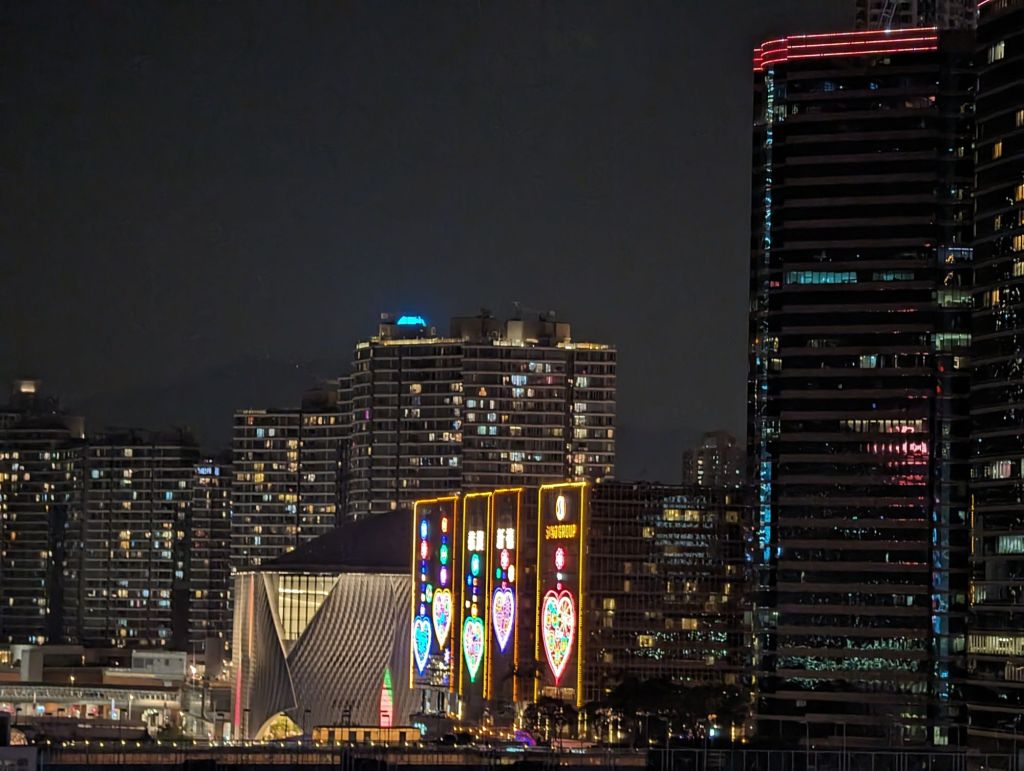
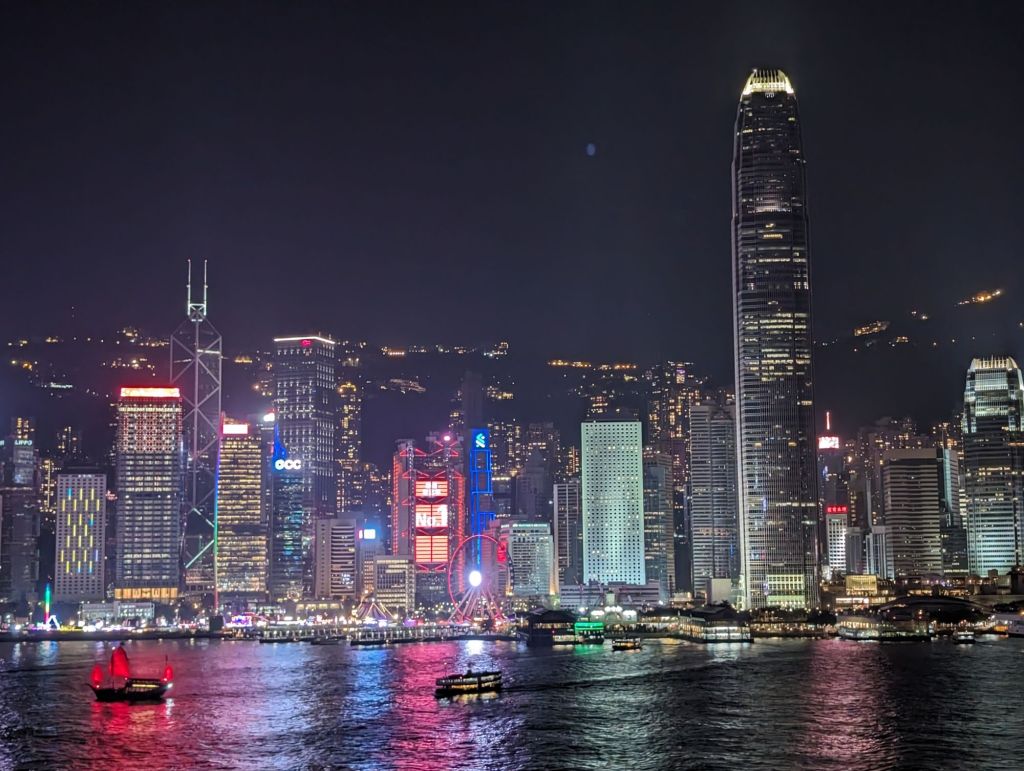
The Hong Kong skyline is magical at night.
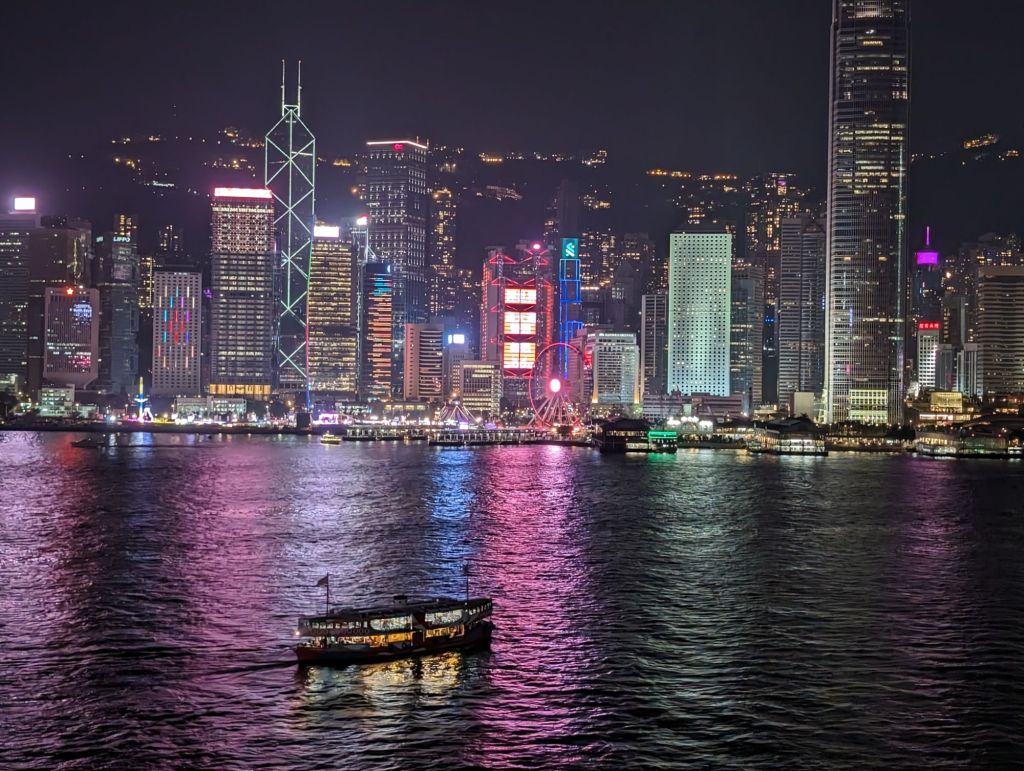

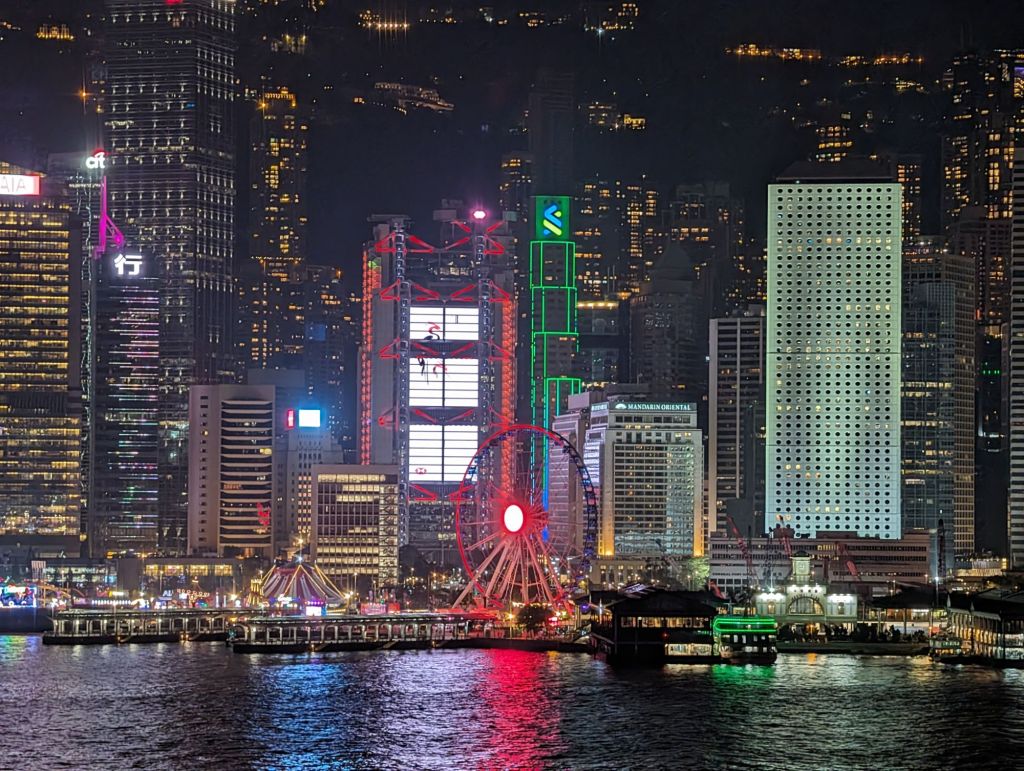
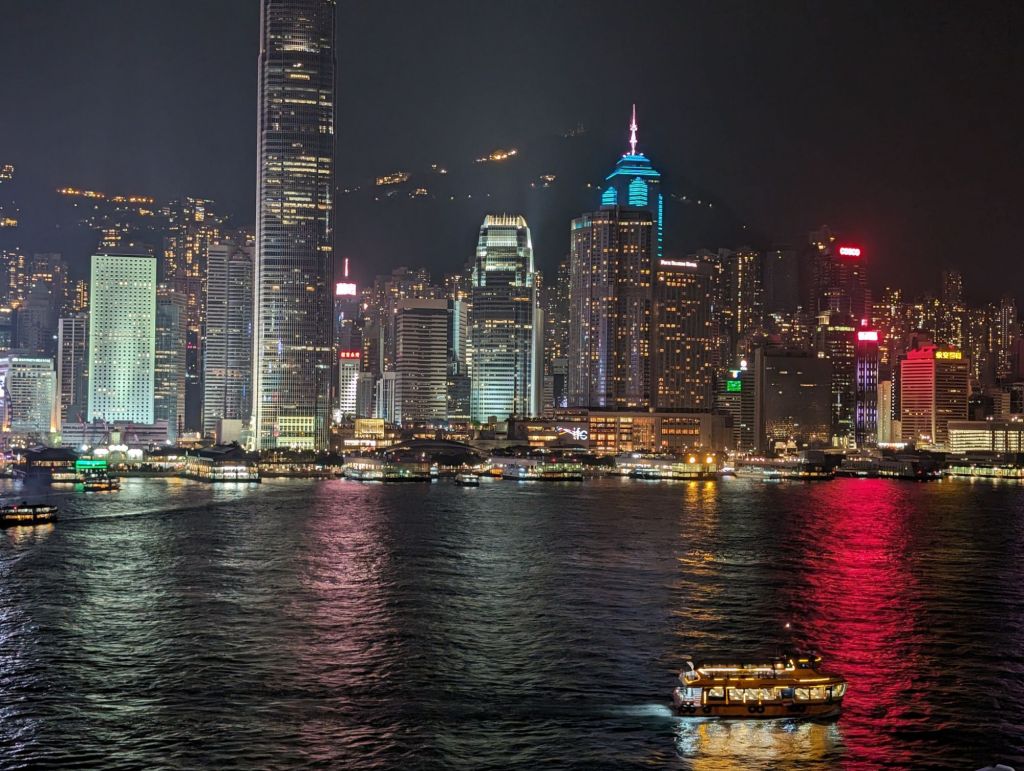
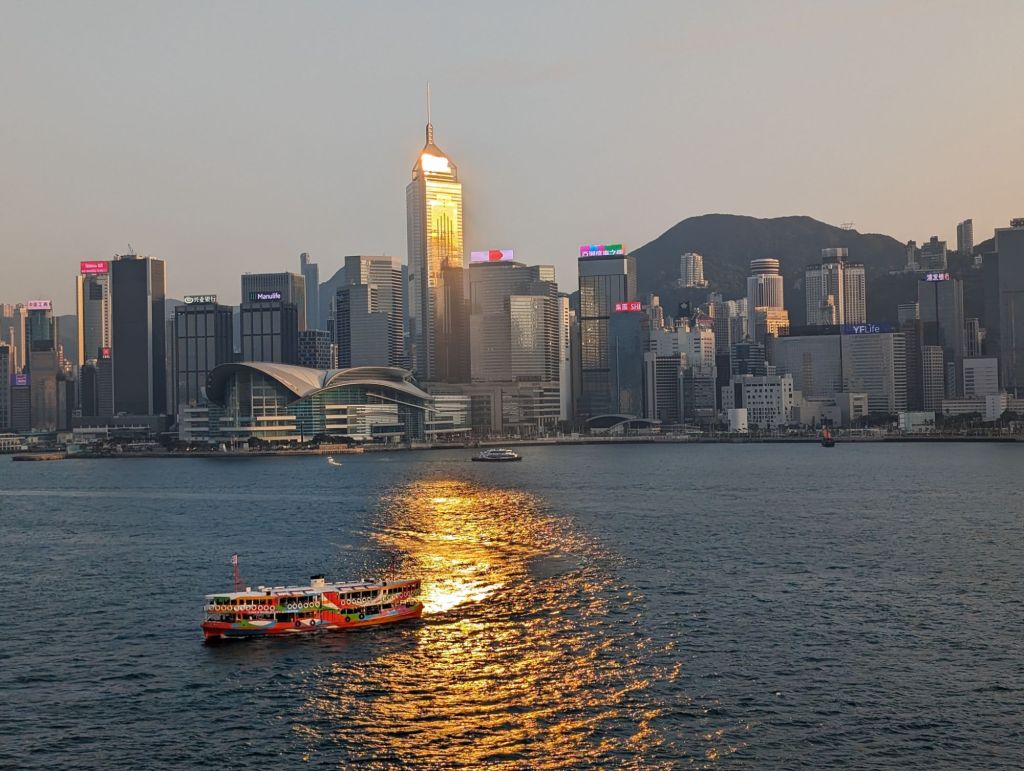
And it’s beautiful at the golden hour of sunset too.
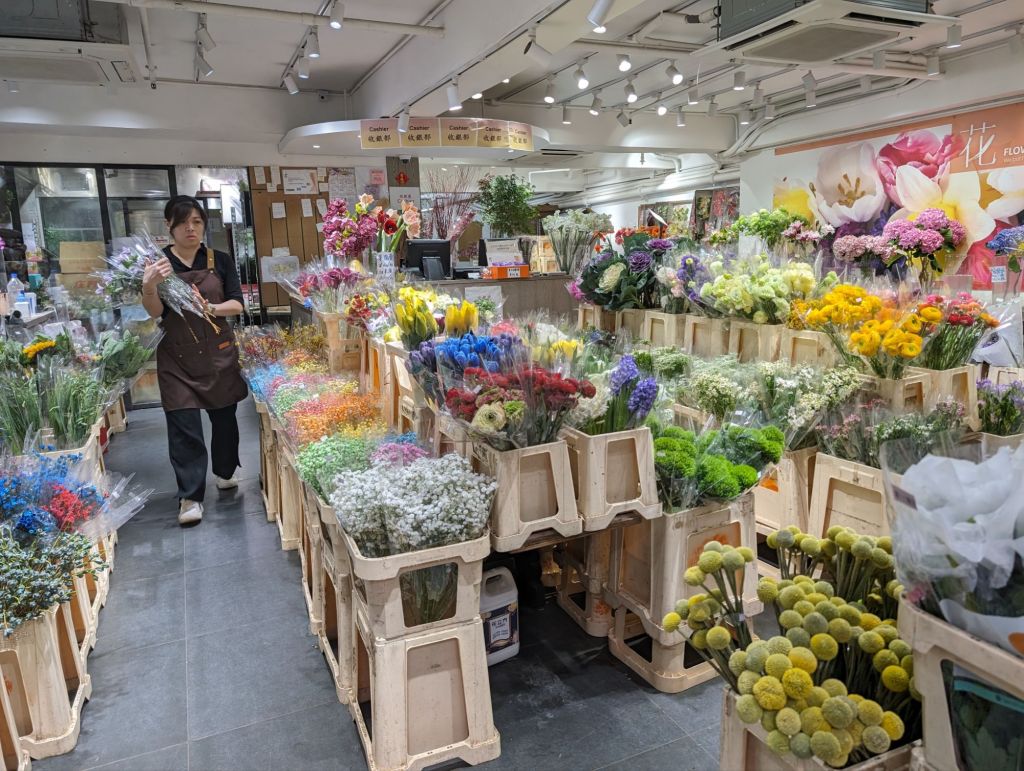
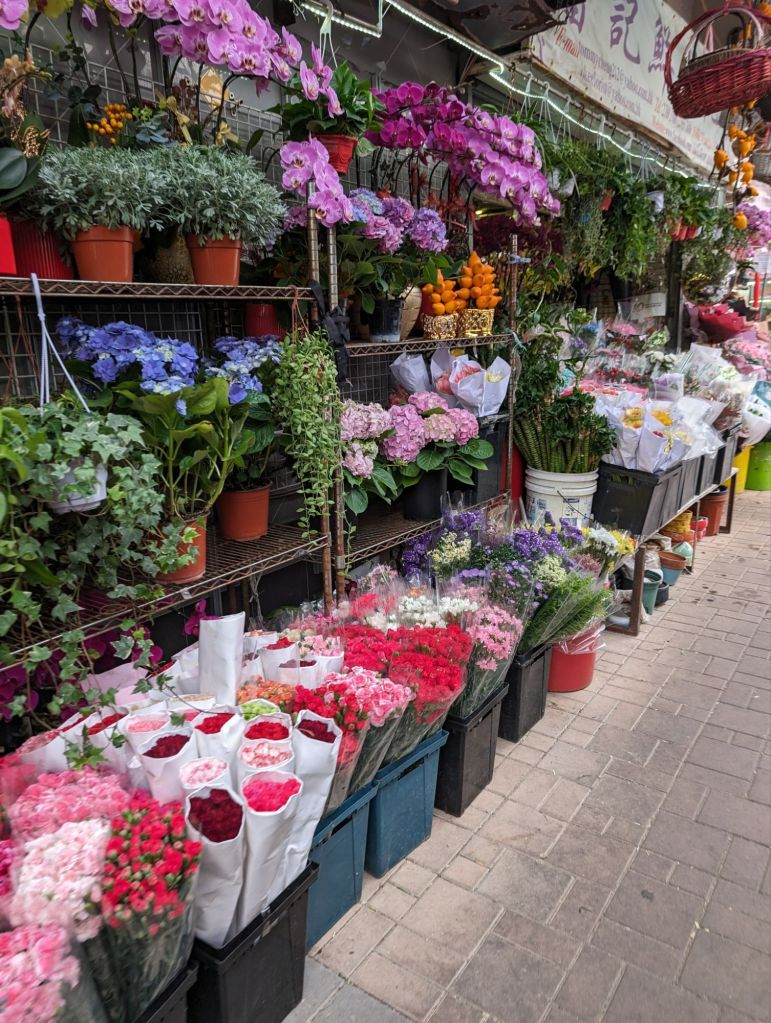
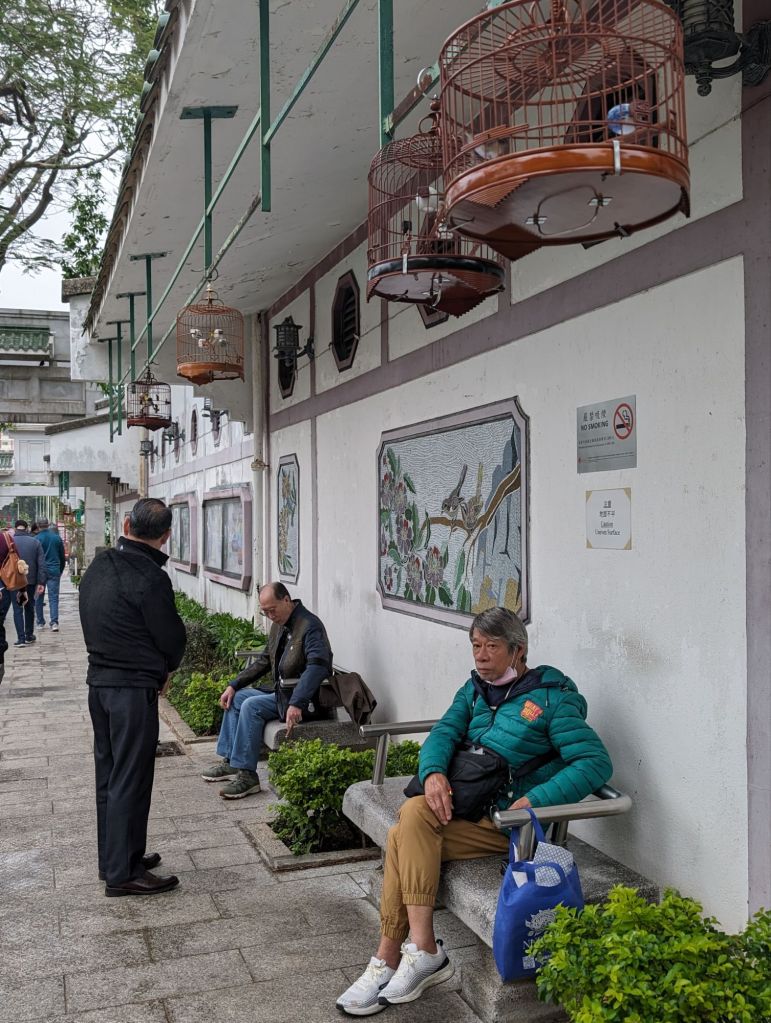
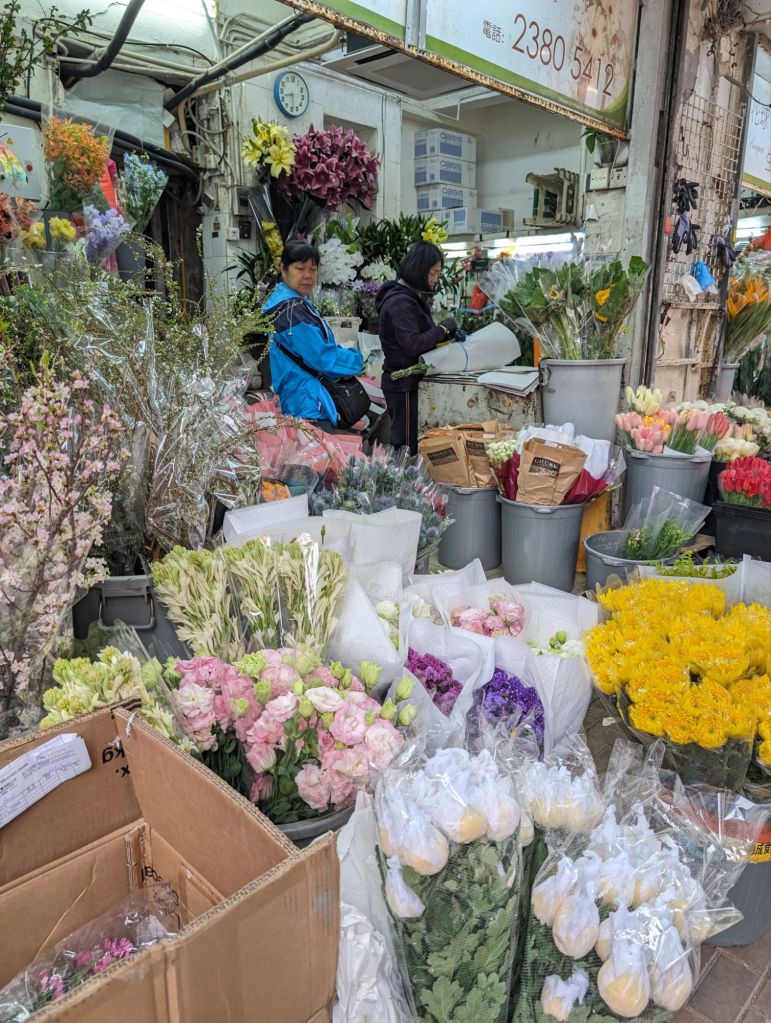
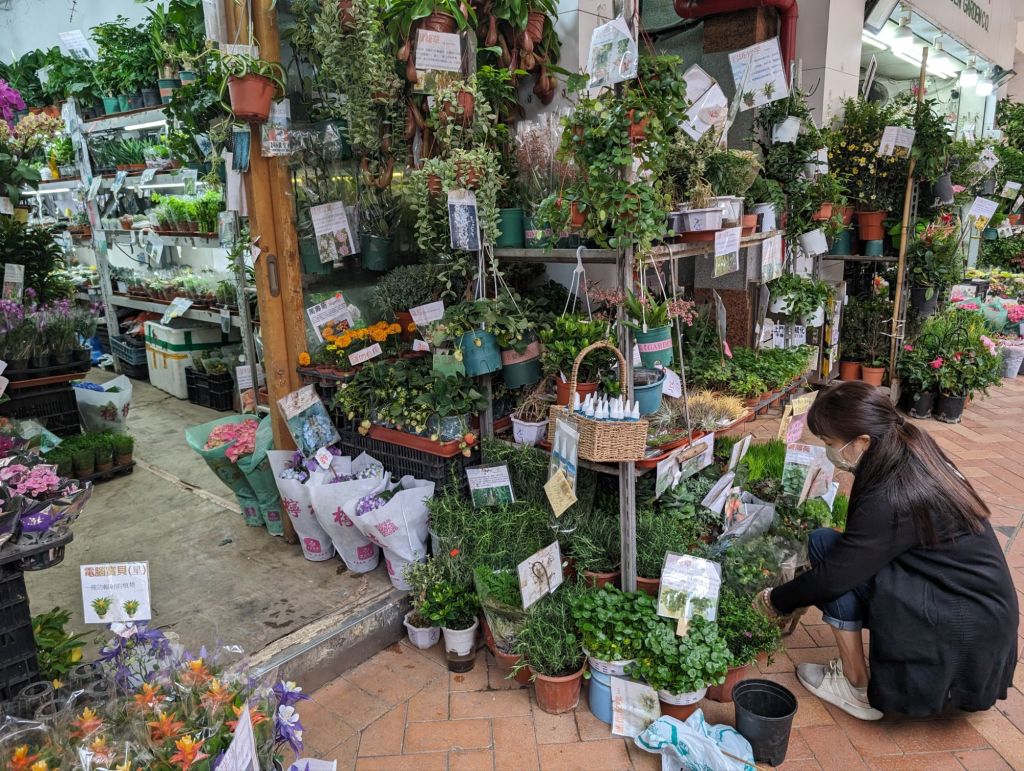
On our last day in Hong Kong we stayed on the peninsula of Kowloon, which is one of the districts of the Hong Kong territory. We walked through the bird gardens and the flower market, listened to the bird songs and admired the flowers.
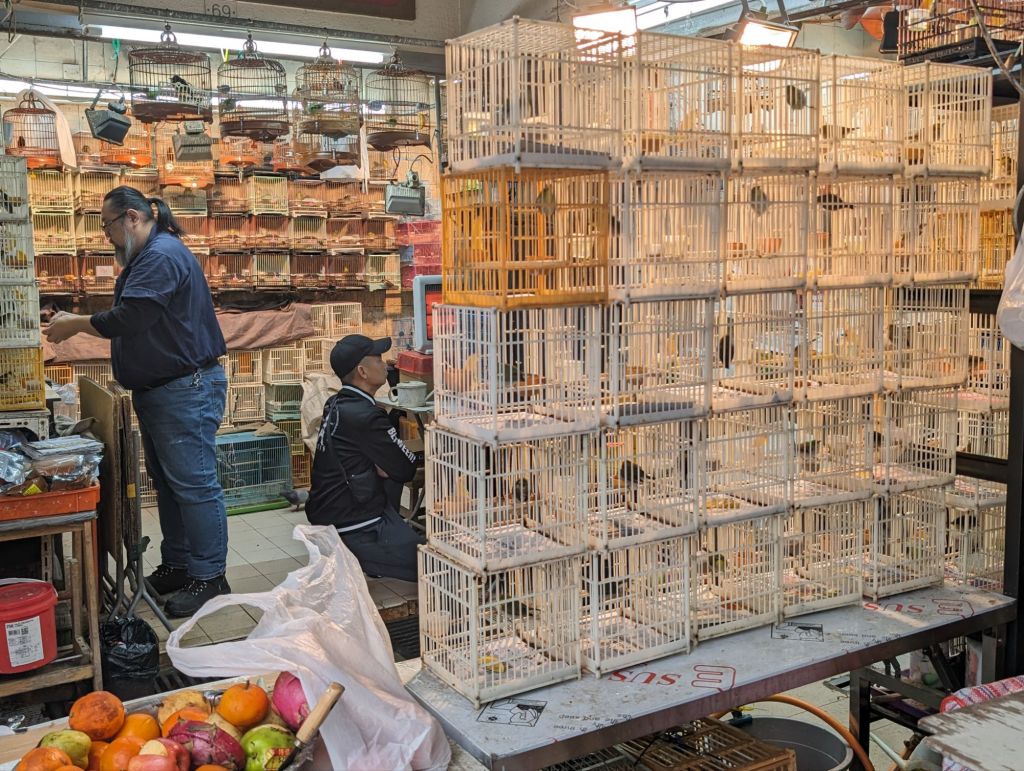
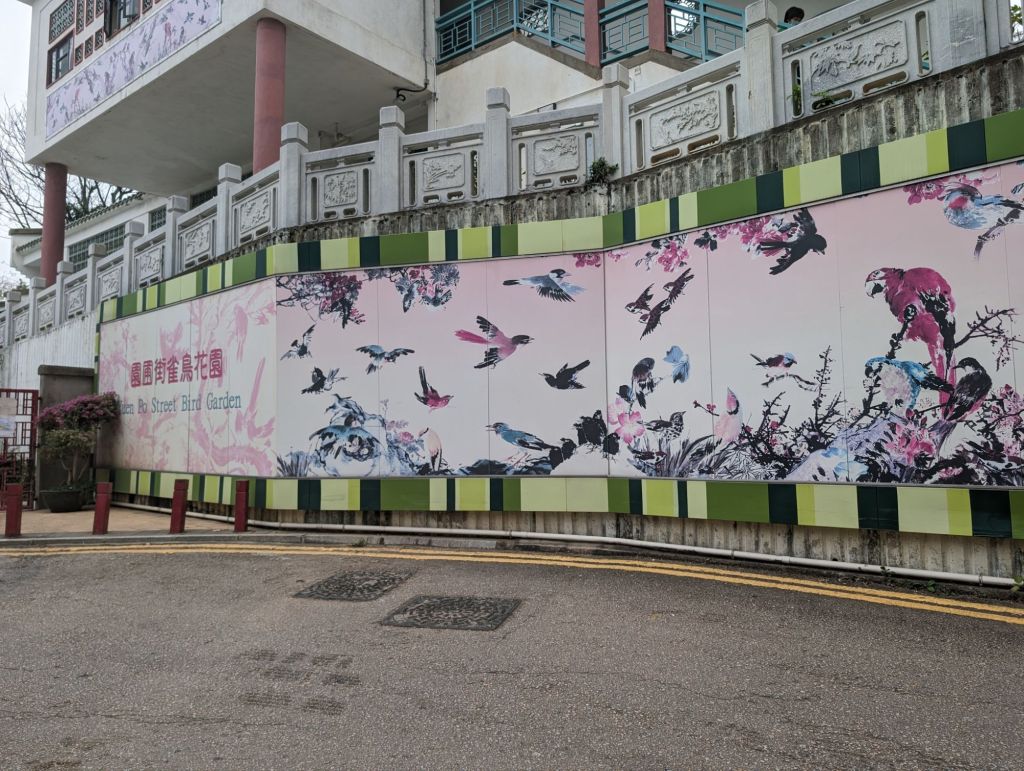
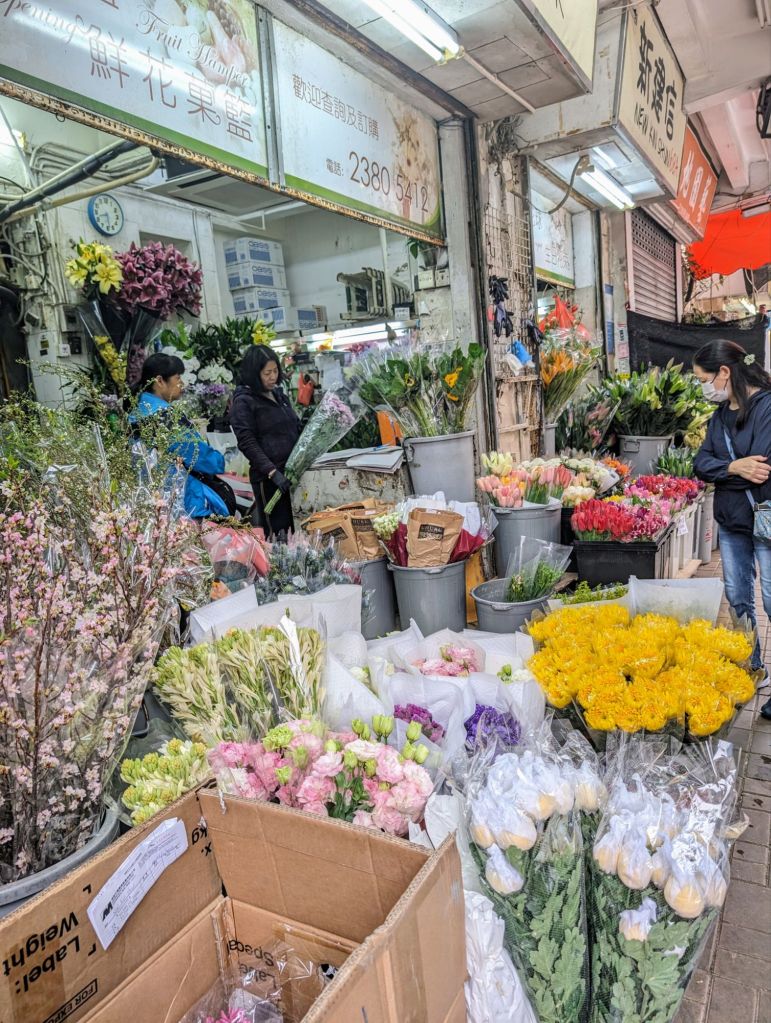
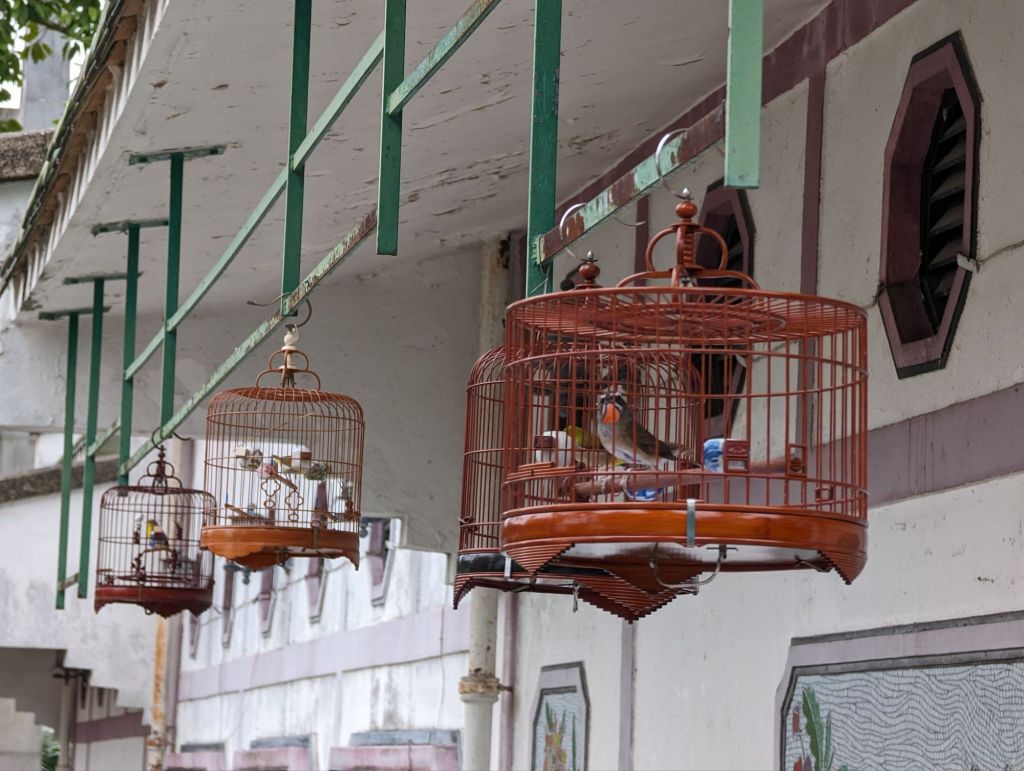

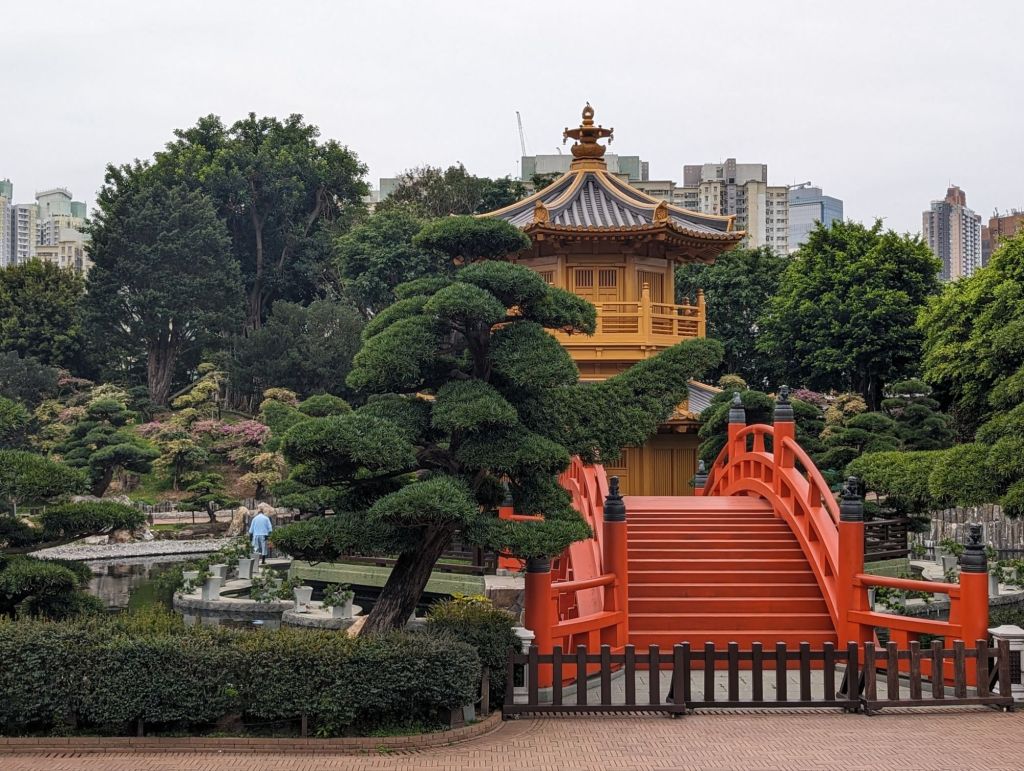
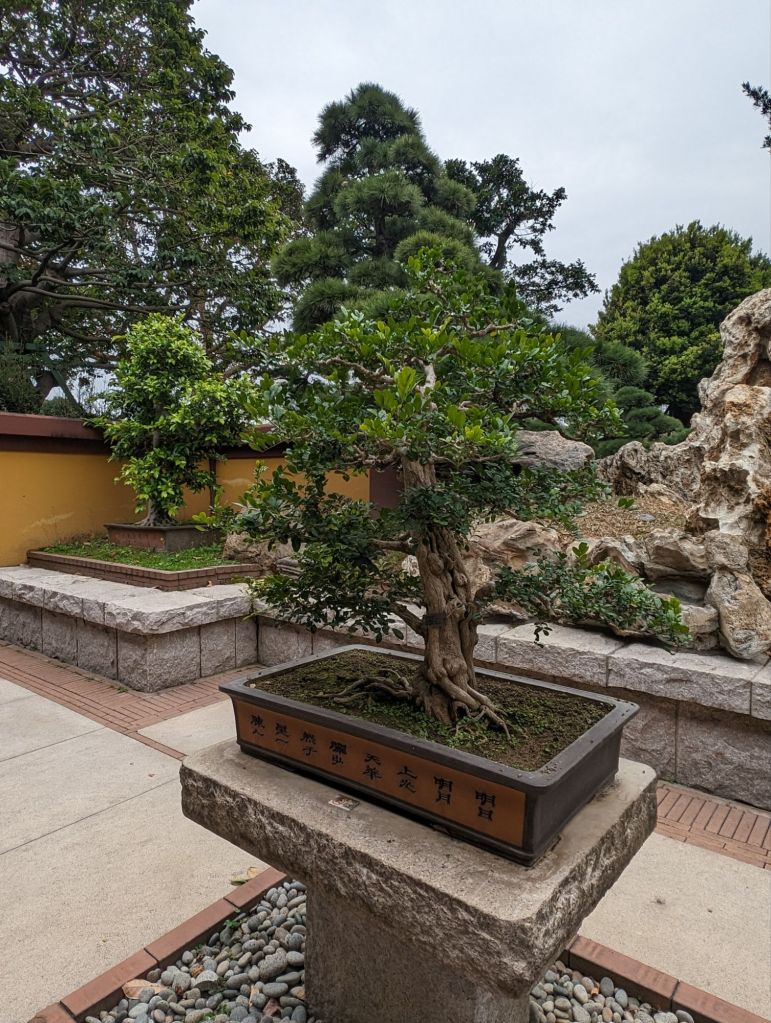
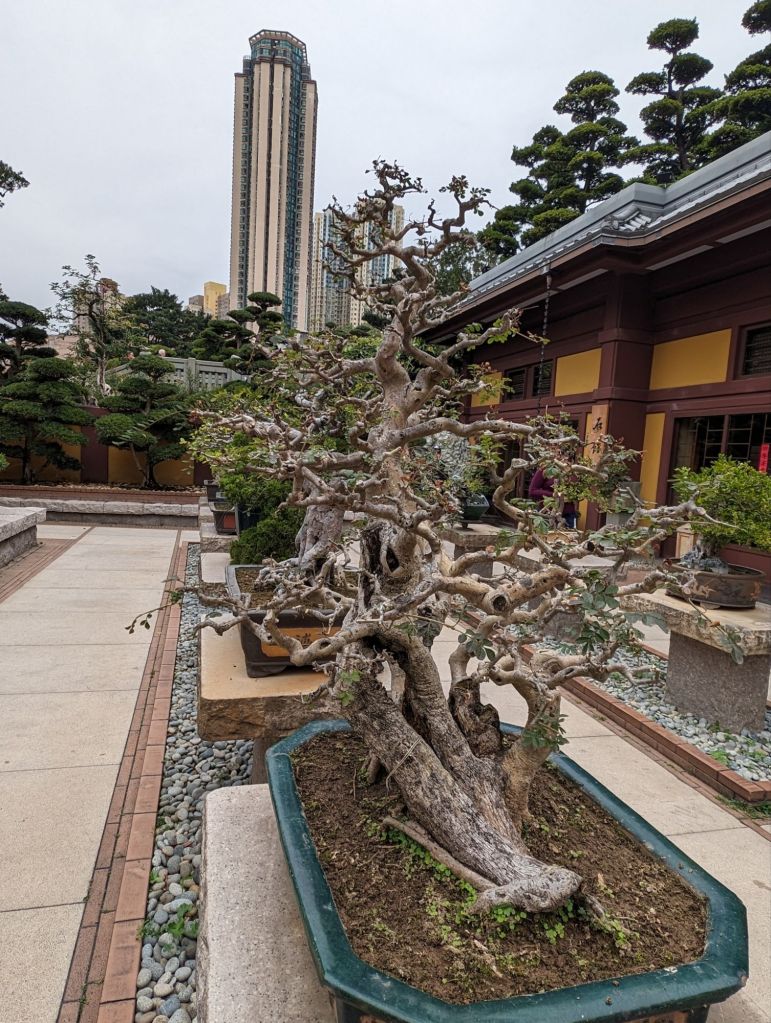
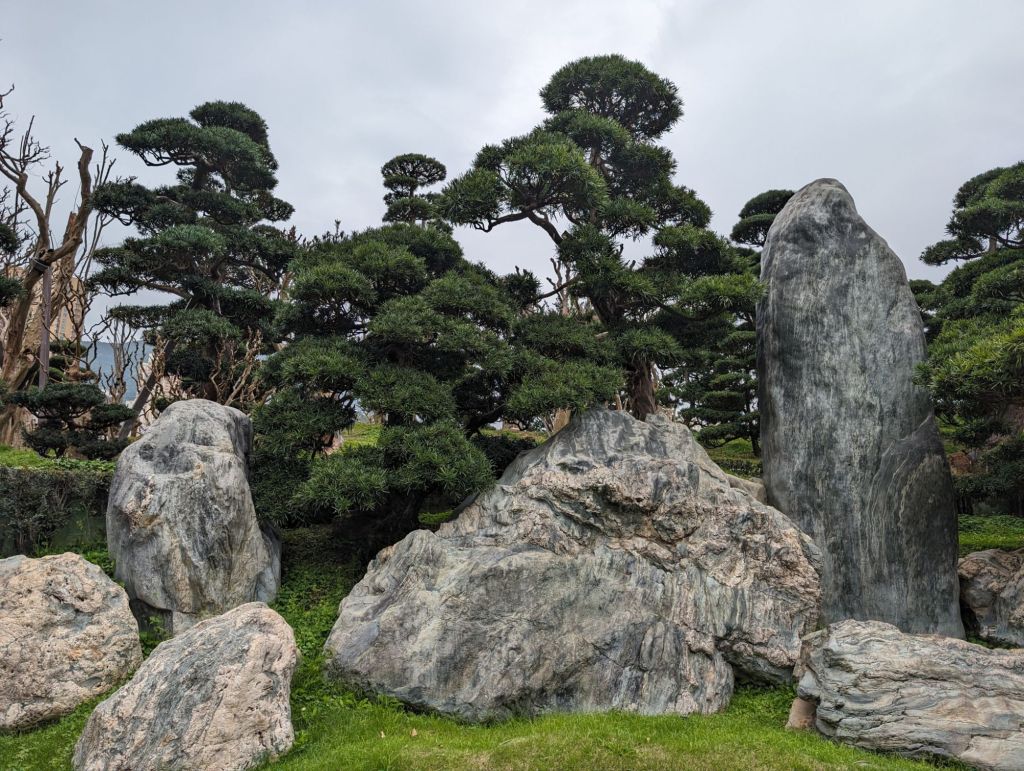
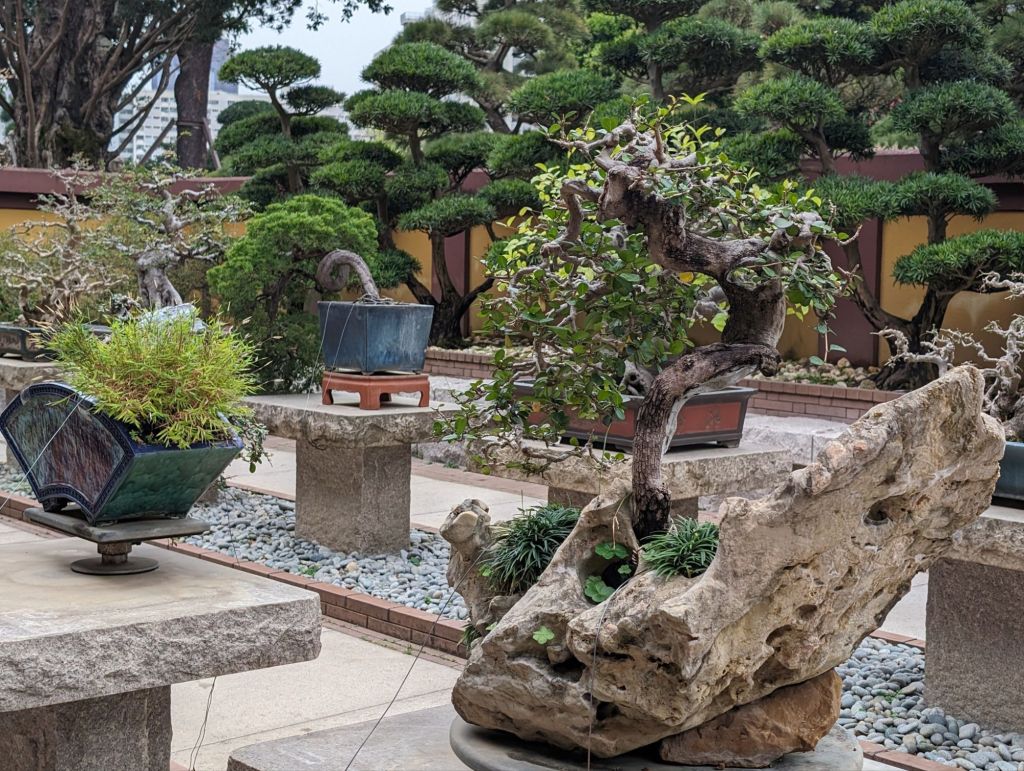
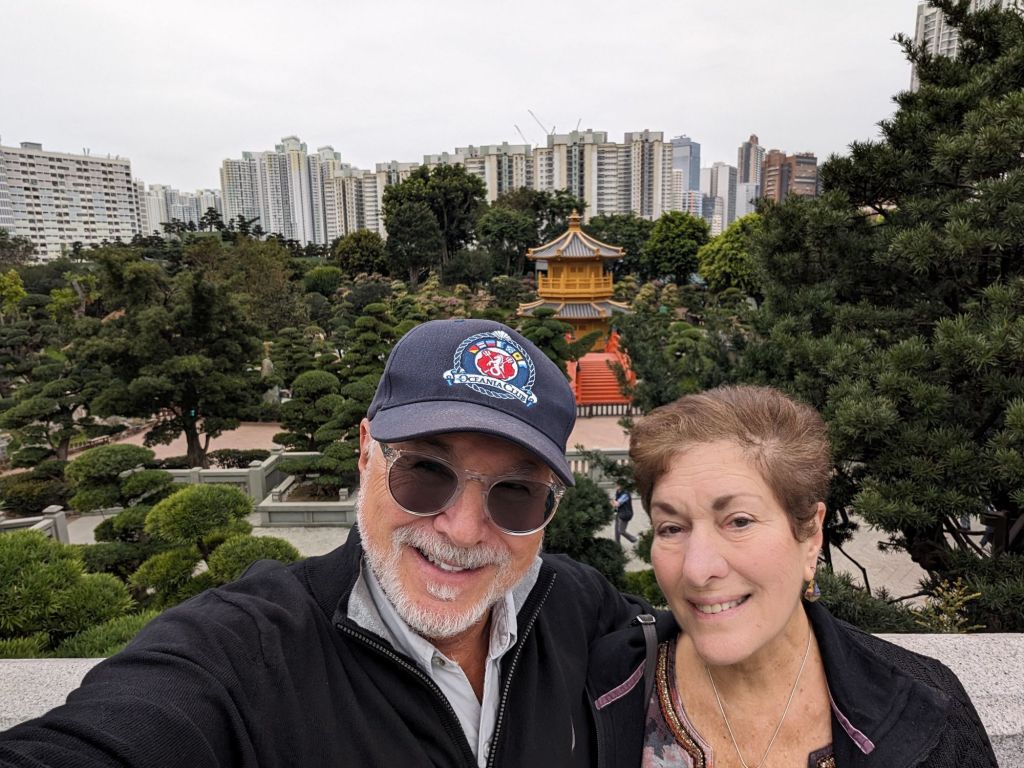
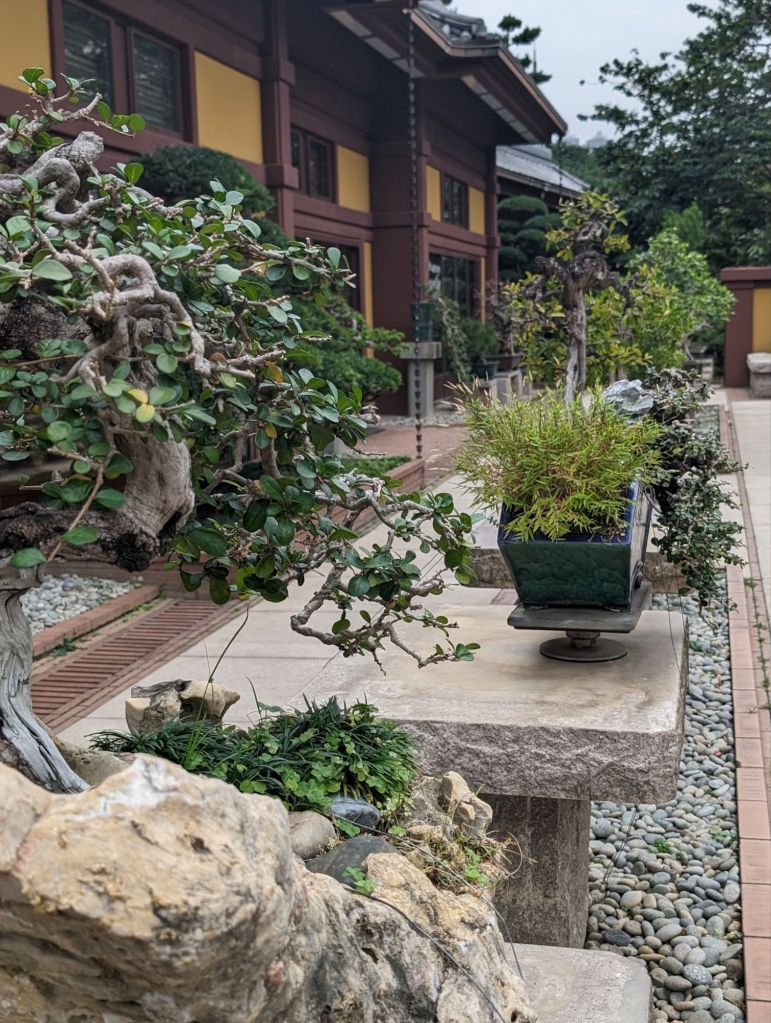
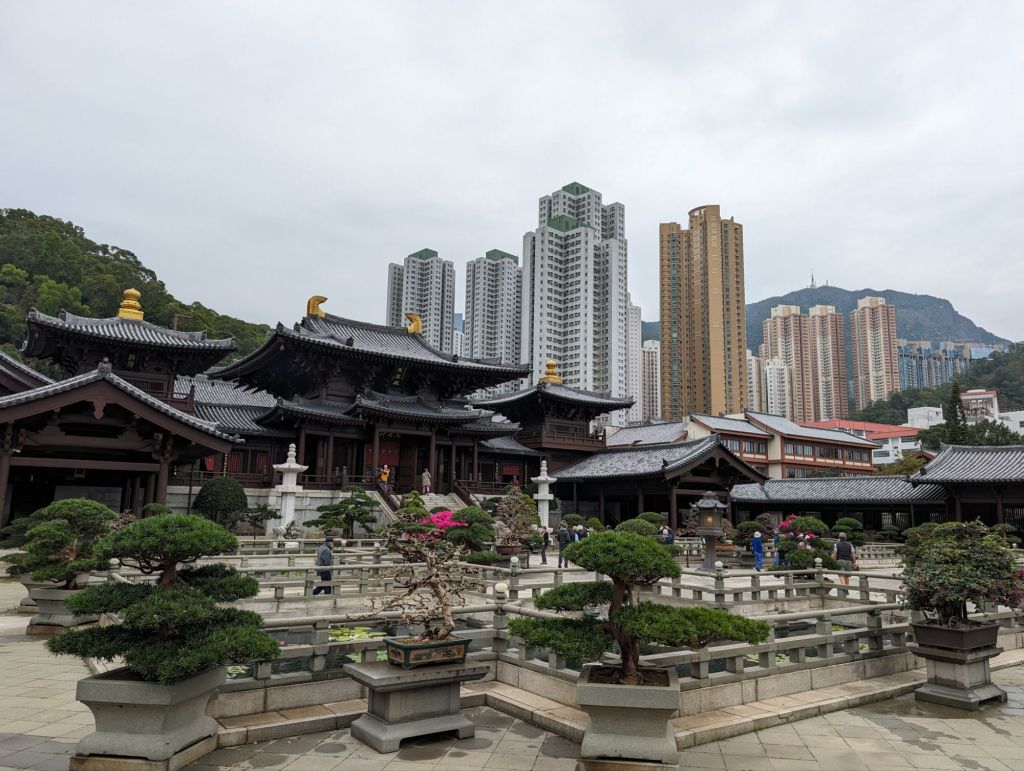
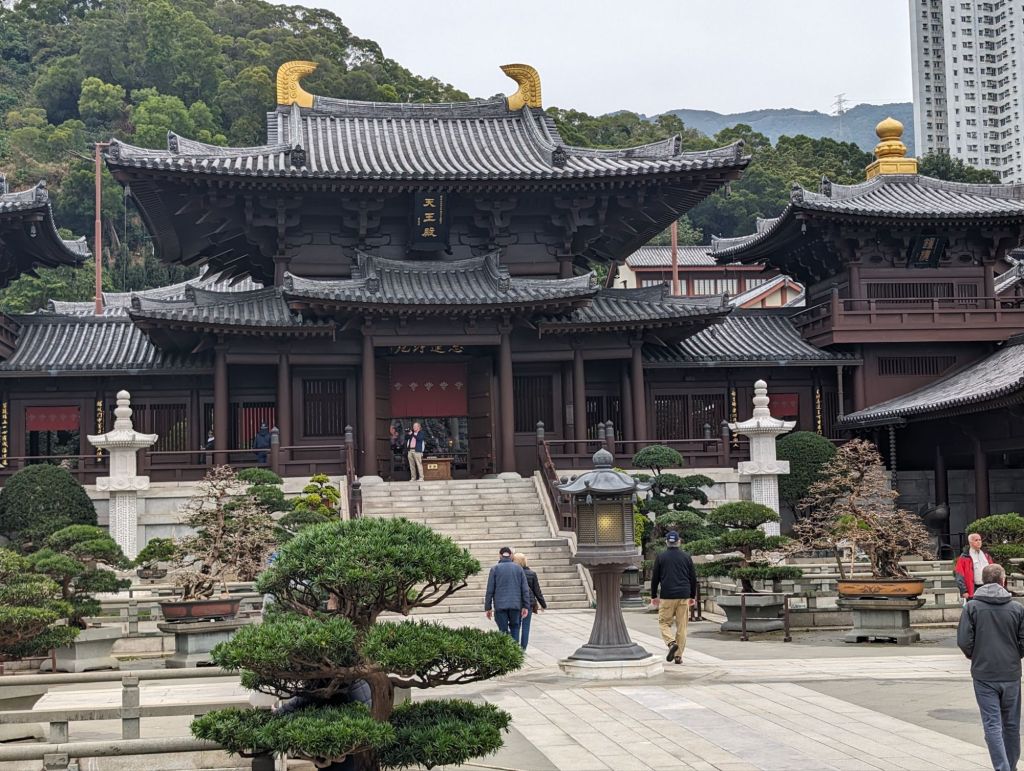
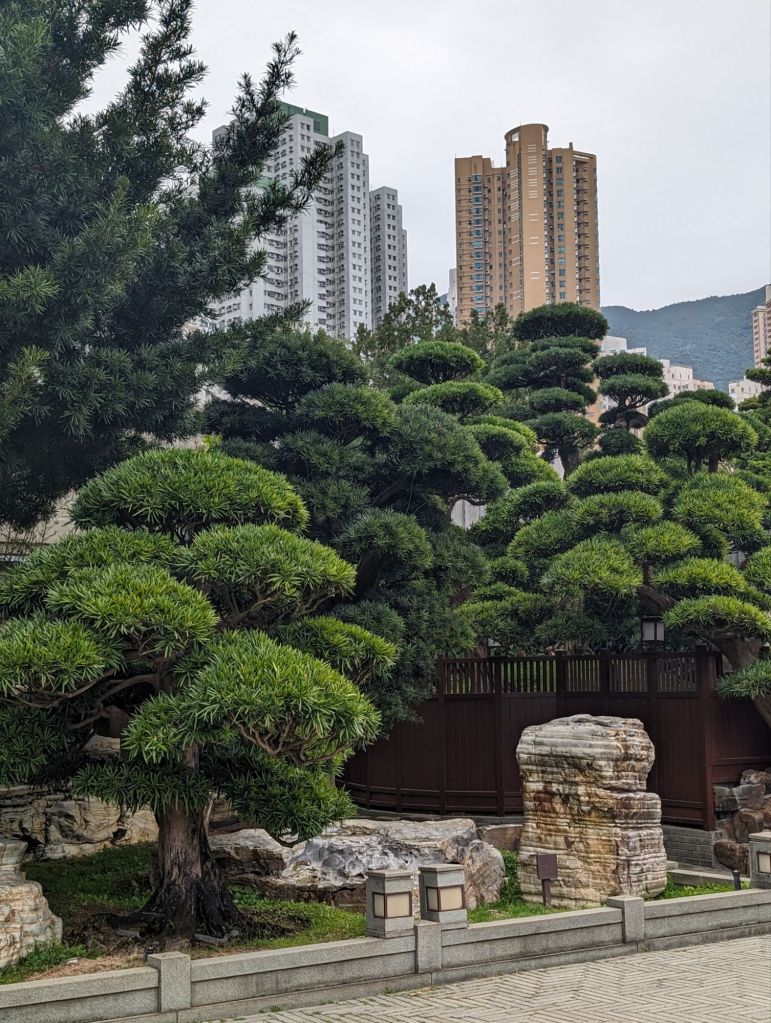
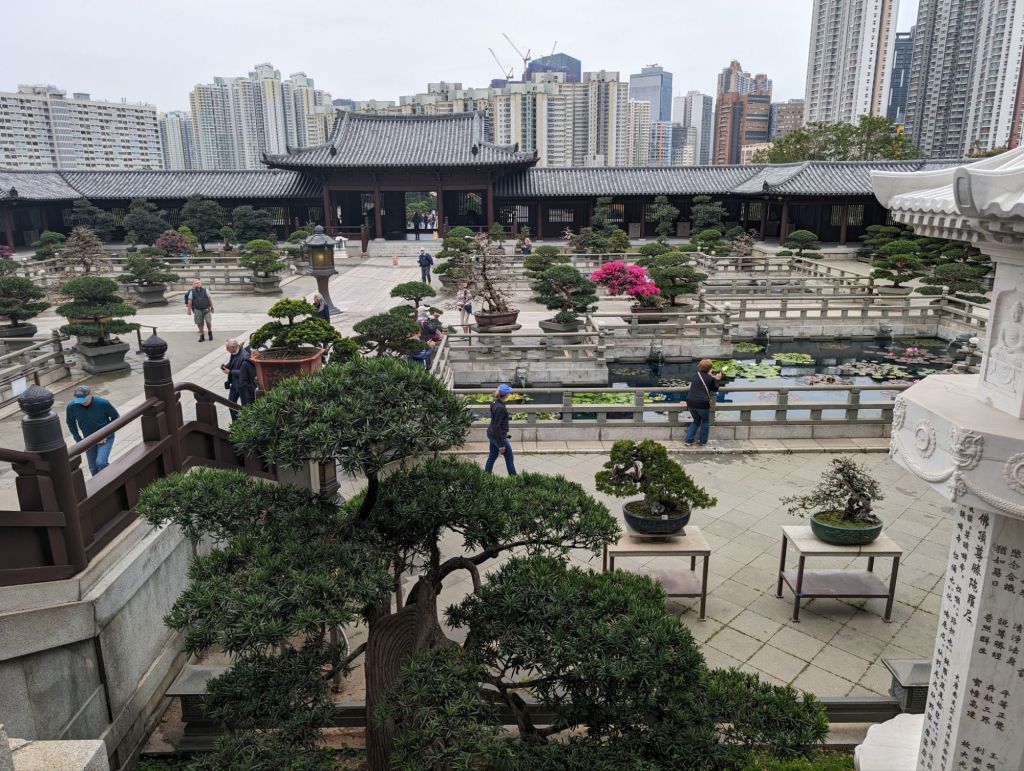
The Nan Lian garden is an 8.5 acre classical Chinese garden haven in the heart of the city. Its designed in the Tang dynasty style and, our guide assured us, if looks like a Japanese garden, that’s because Japan adapted a lot of the Tang style more than 1,000 years ago and never abandoned it as China did. The garden has beautiful rock formations, bridges, a bonsai garden and a serene, meditative atmosphere.
Adjacent to the gardens is the Chi Lin Nunnery, a Buddhist nunnery and retreat built in 1934. As you walk through its grounds and halls, the sounds of prayer chants calms and surrounds you.
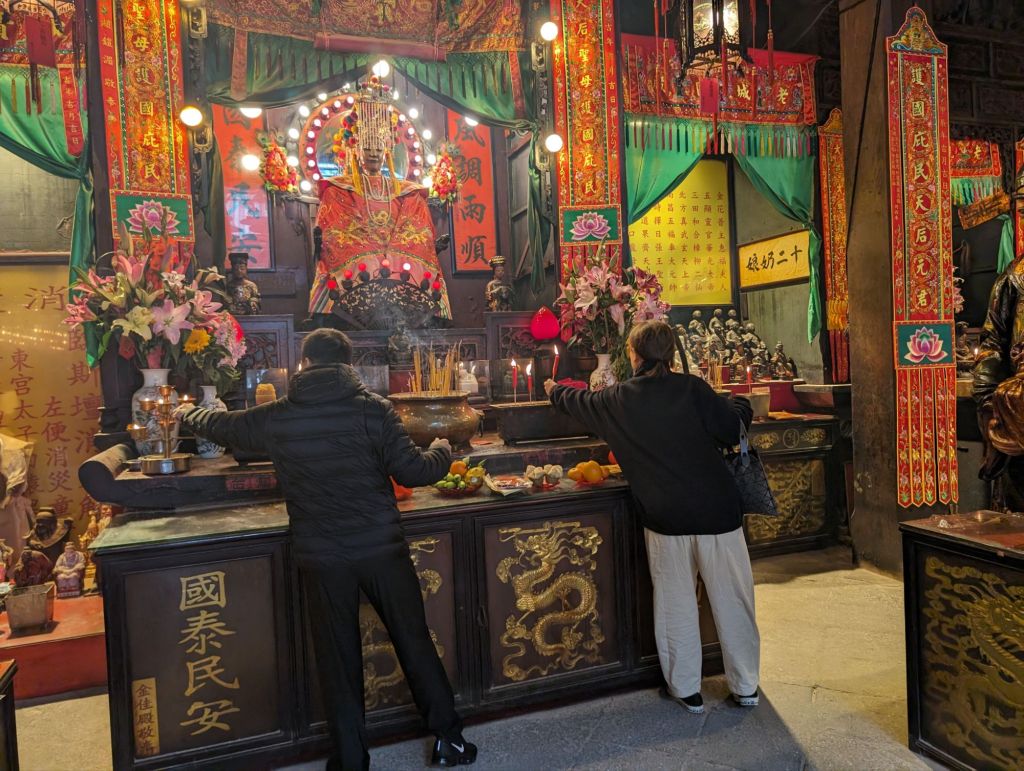
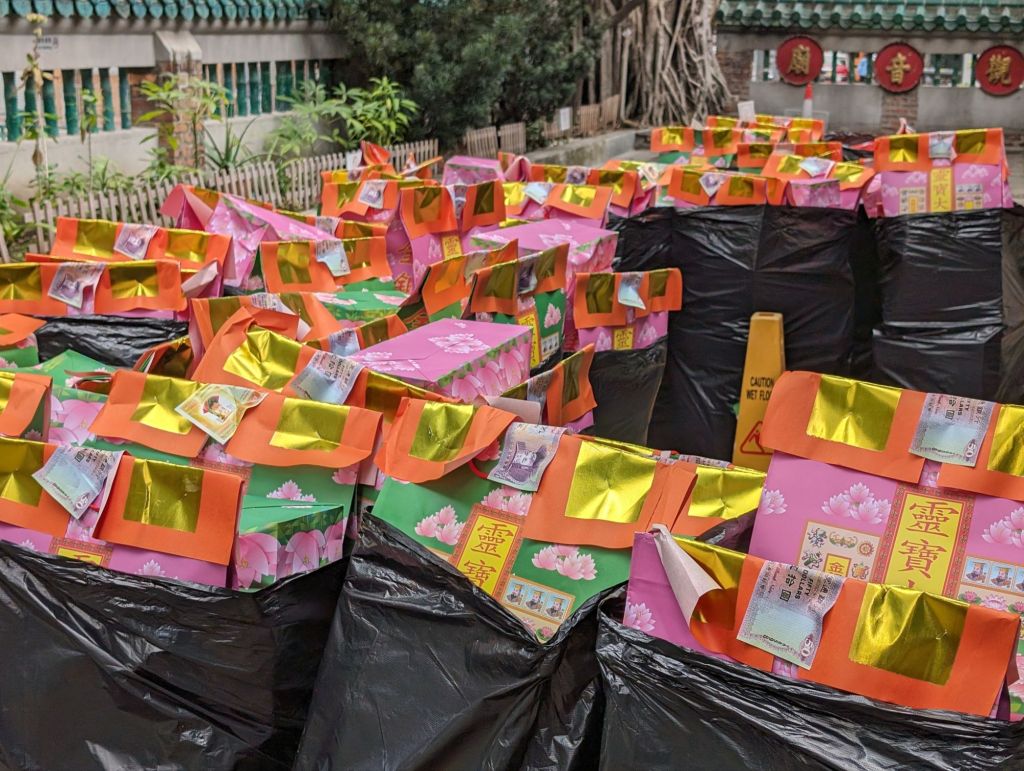
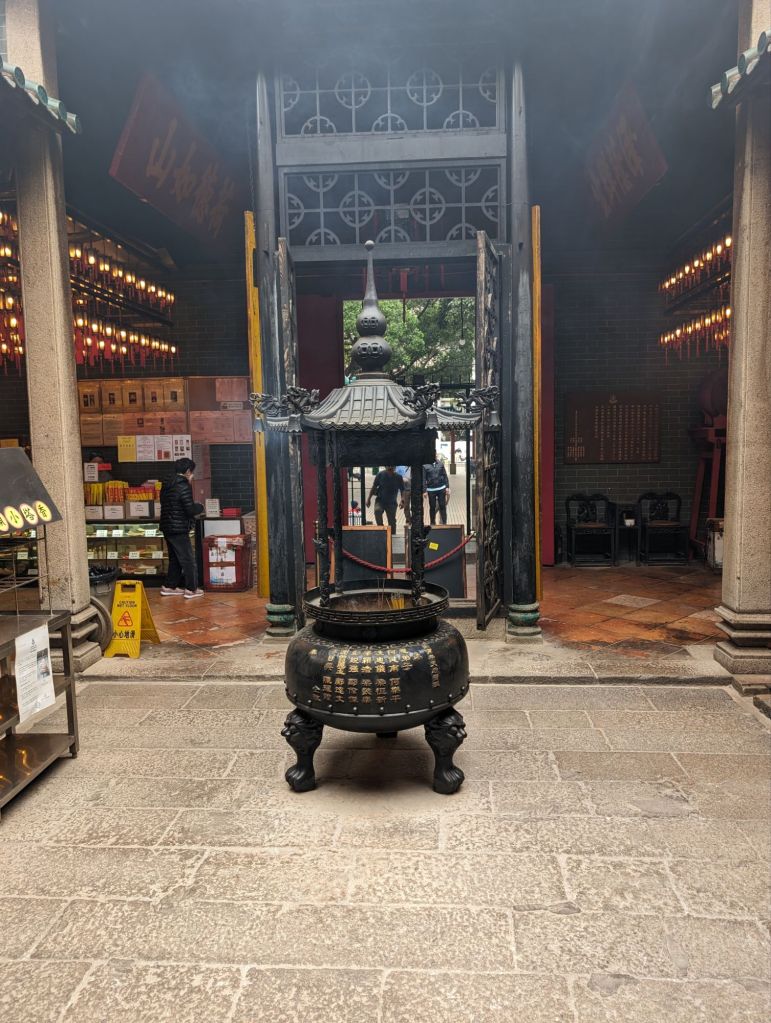
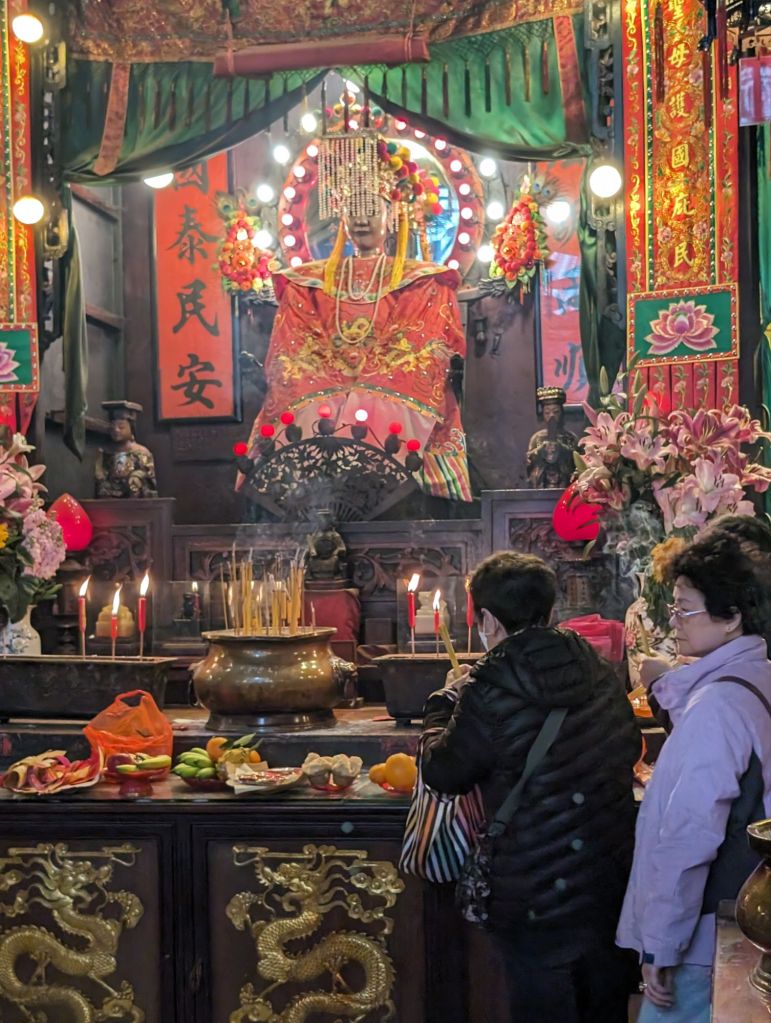
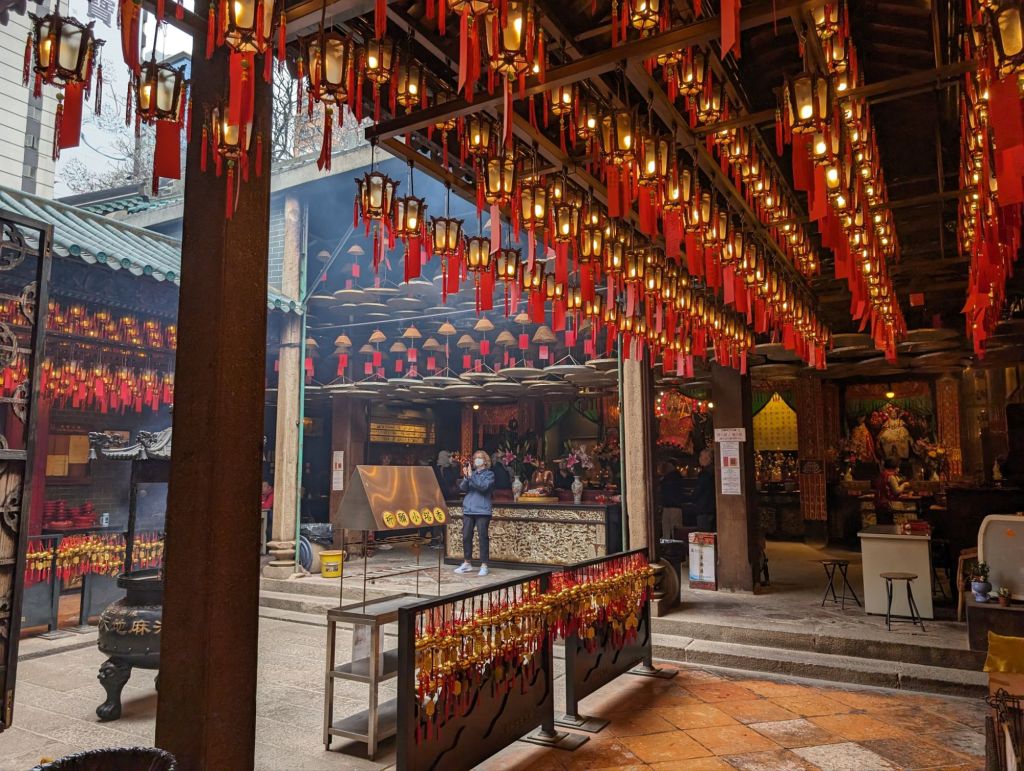
The second temple we saw was the Tin Haul temple, dedicated to the Taoist goddess of mercy.
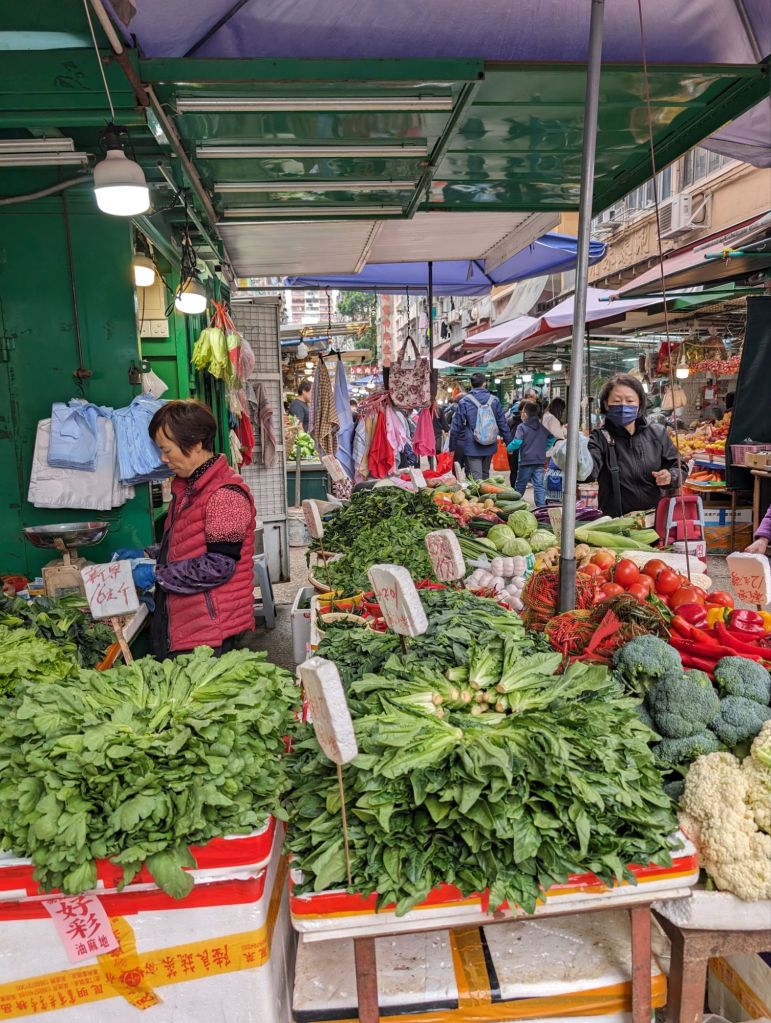
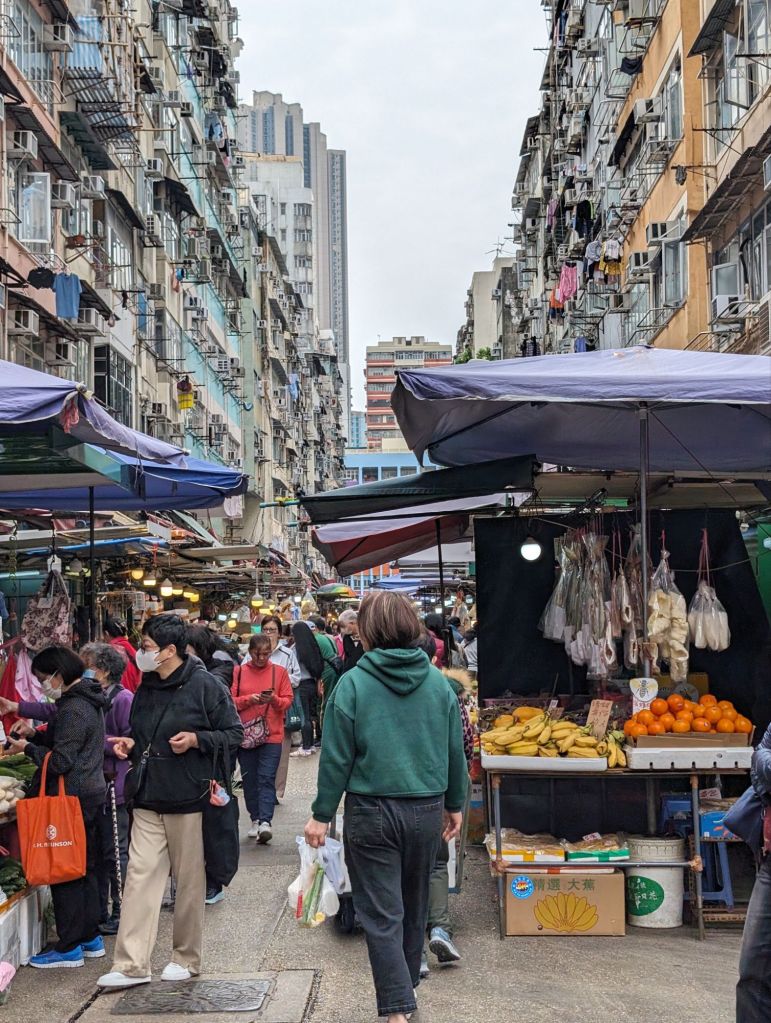
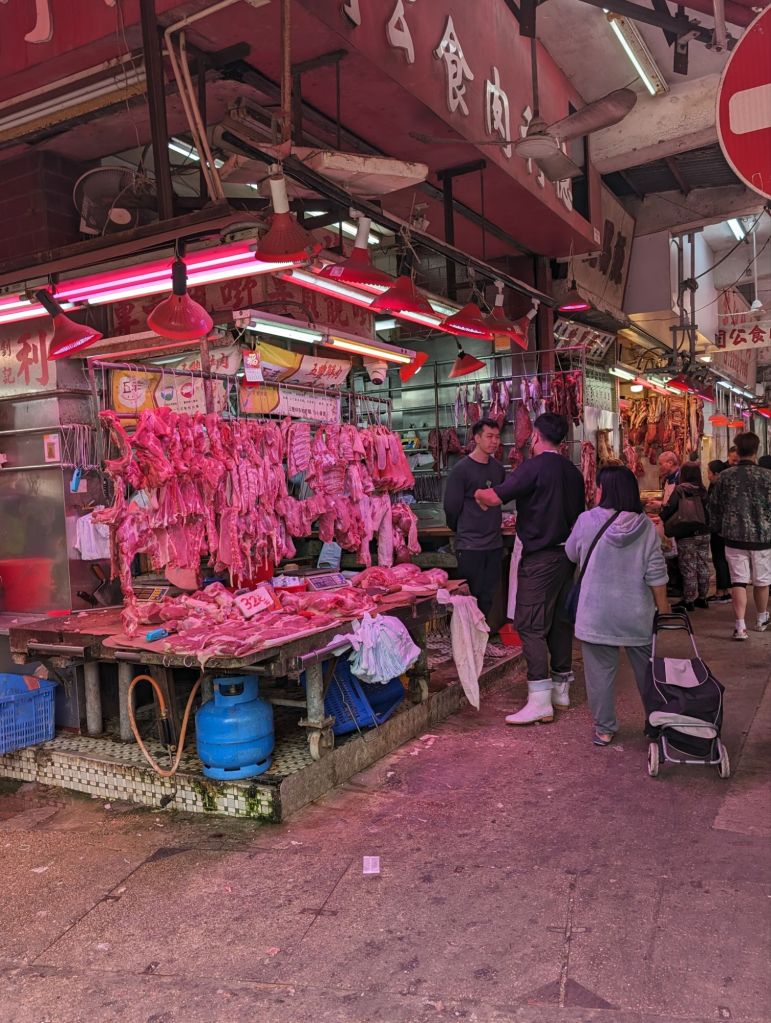
This street market is one of the largest in Kowloon, selling vegetables, meats and more. There are supermarkets here, but most of the people shop in these street markets. And with such little storage space, food shopping is usually done almost every day.
Goodbye Hong Kong. We hope to spend more time here someday.
 J and J Travel
Loved your pictures of Hong Kong….it’s been many years since we visited there. Looks like the skyline is even more beautiful than ever!!
B&V
LikeLiked by 1 person
It definitely has changed since I’ve been there. Could have used even more time than we had. It’s a really beautiful and interesting city. Thanks for checking in Betty!
LikeLike