Thunder Bay is known as “Canada’s Gateway to the West” because of its location at the head of Lake Superior. Though it’s a relatively small city of 110,000, it has an outsized importance as the hub of shopping, culture and entertainment for the surrounding communities. That’s why it has three Walmarts, a resource that makes this port a favorite among the Octantis crew.
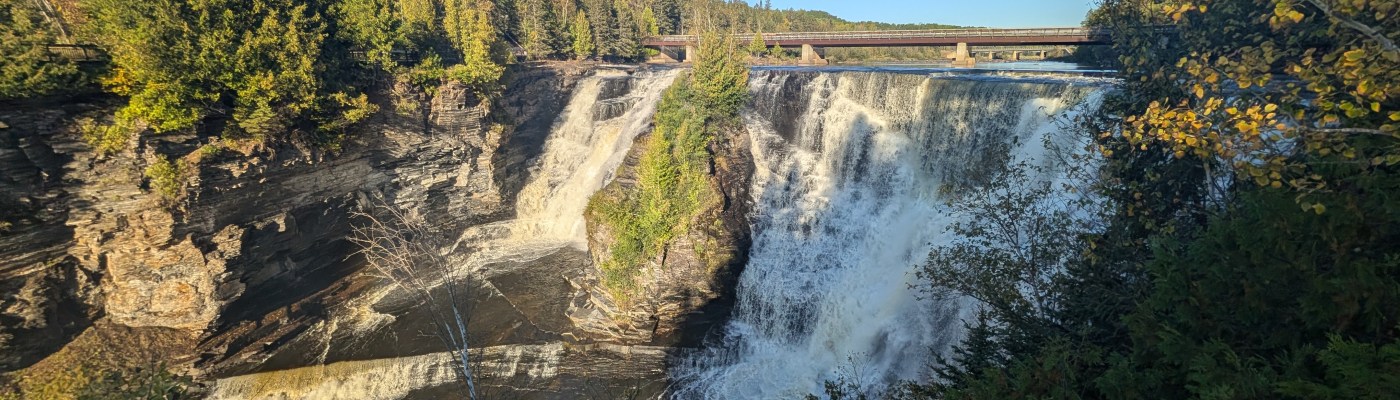
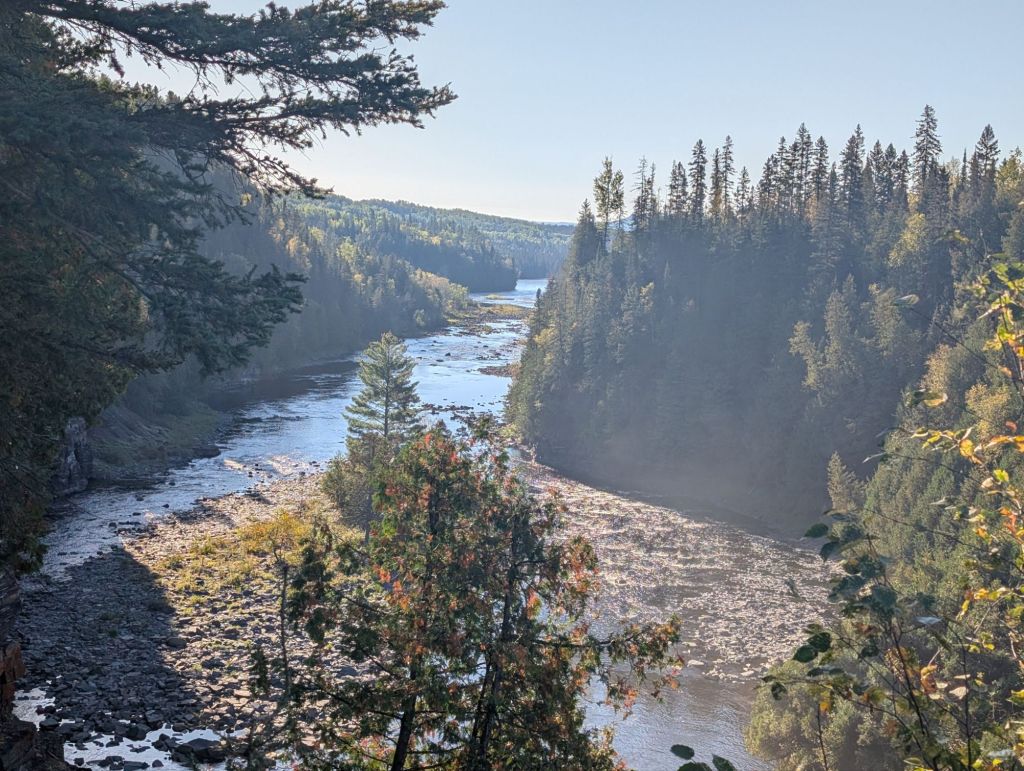
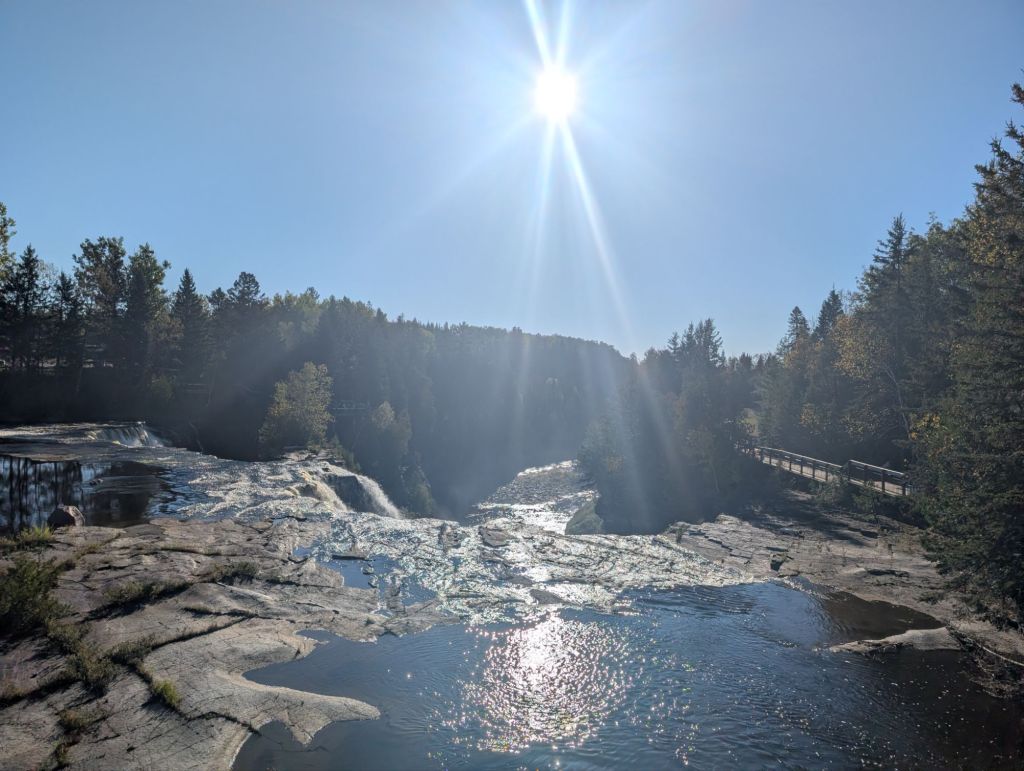
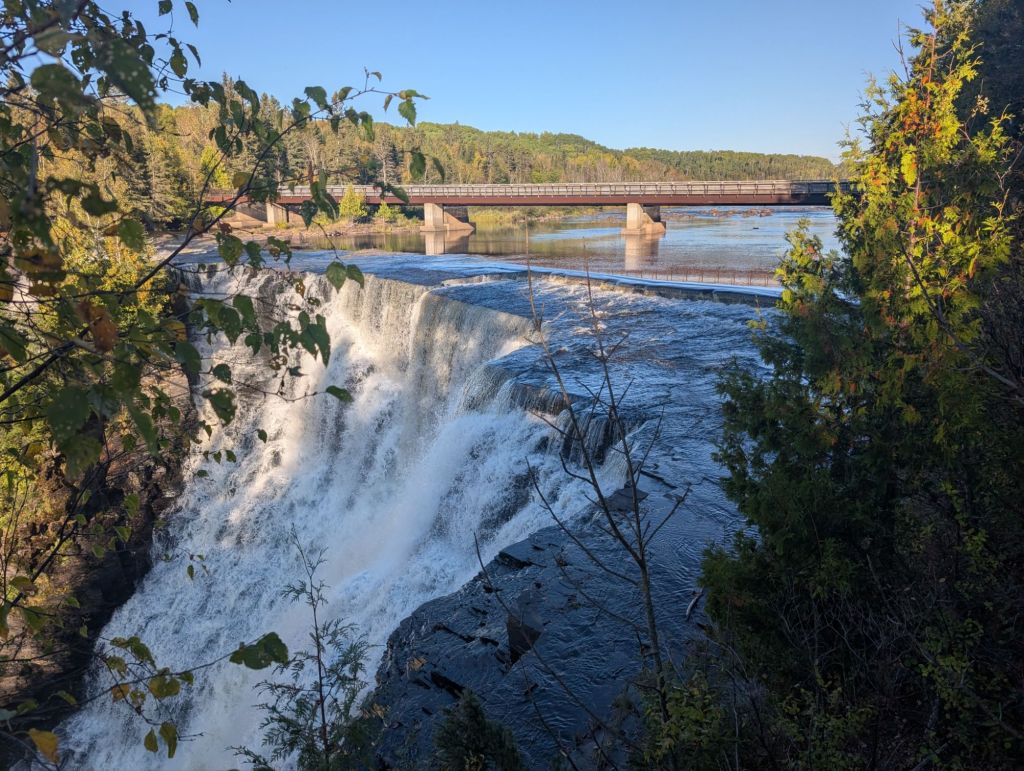
Our first visit was to Kakabeka Falls, a dramatic waterfall on the Kaministiquia River. The falls plunge 130 feet in two drops. Because of its size and easy access, it’s been called “the Niagara of the North.” Hmm…perhaps a stretch, but a very beautiful waterfall.

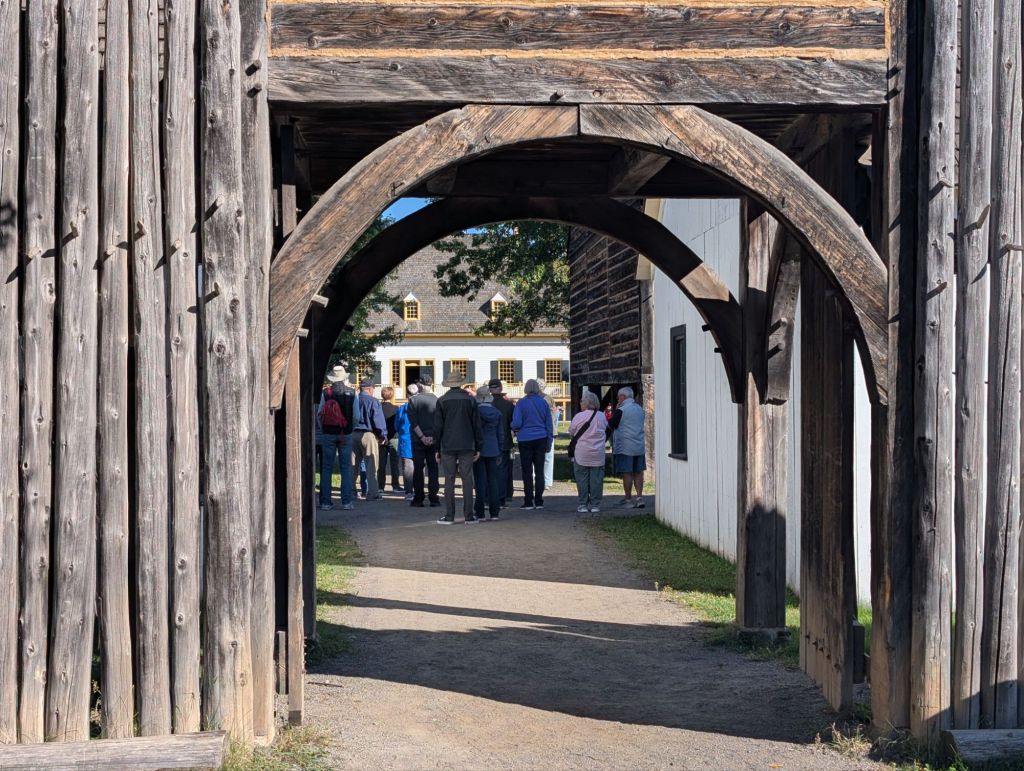
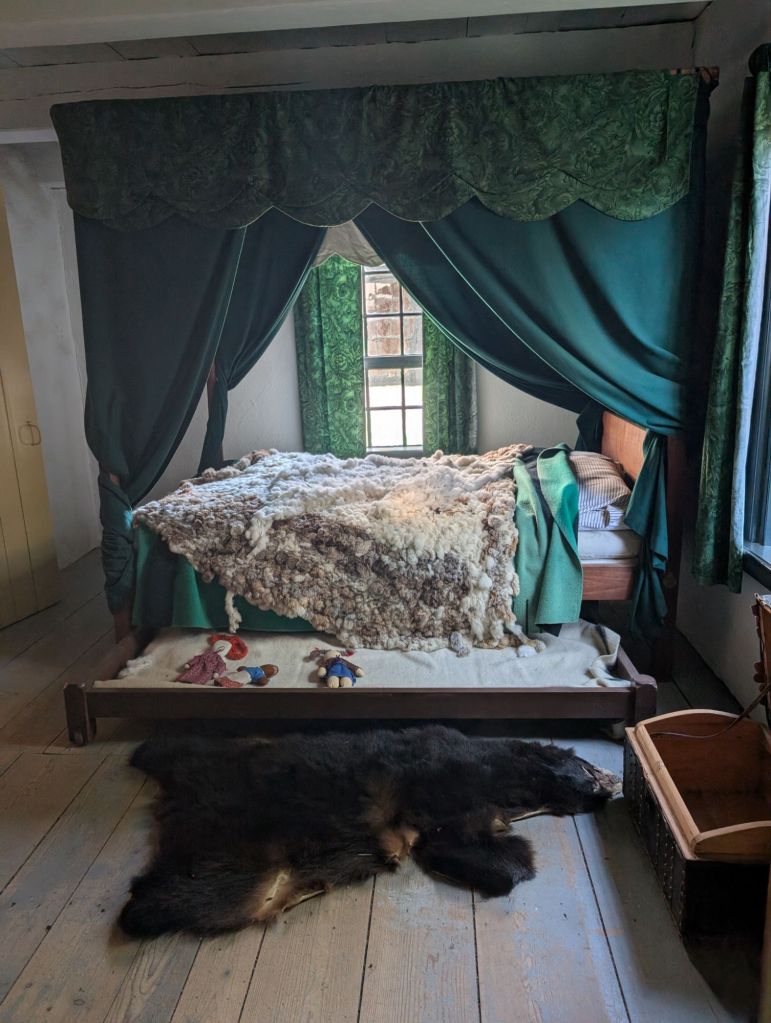
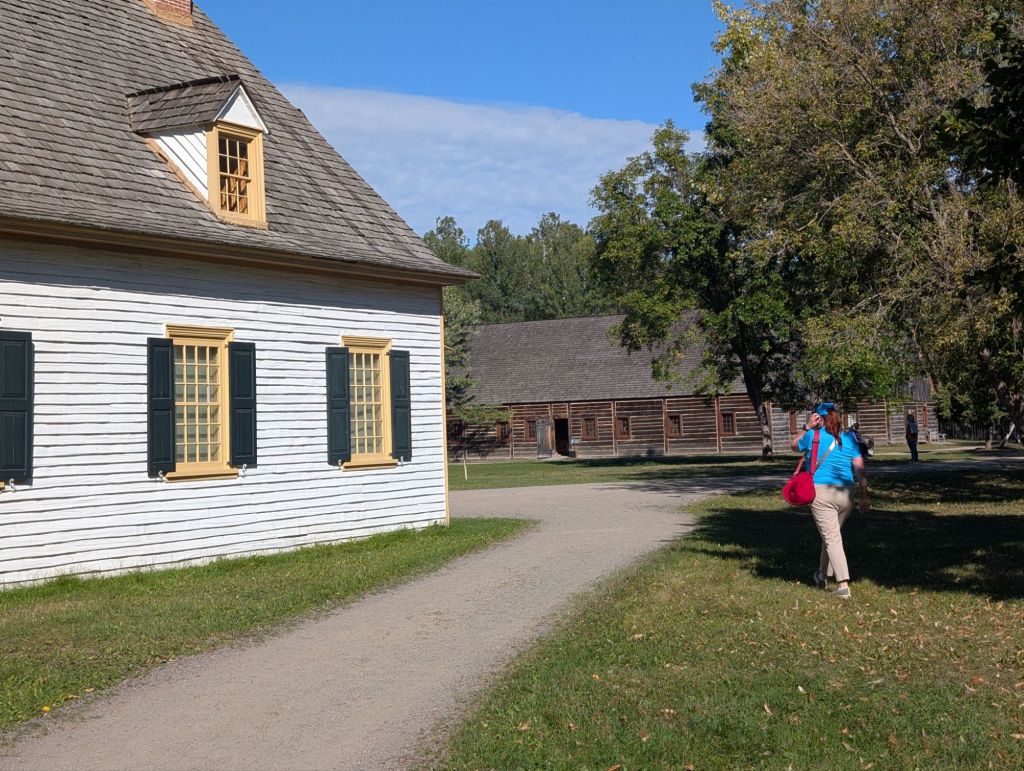
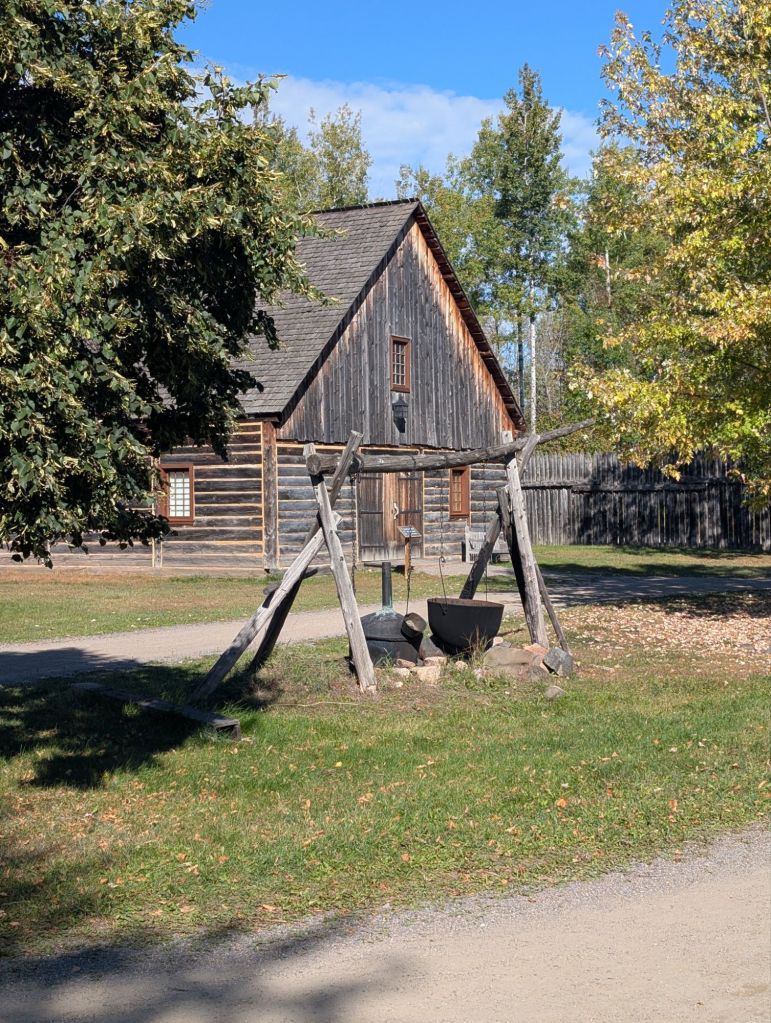
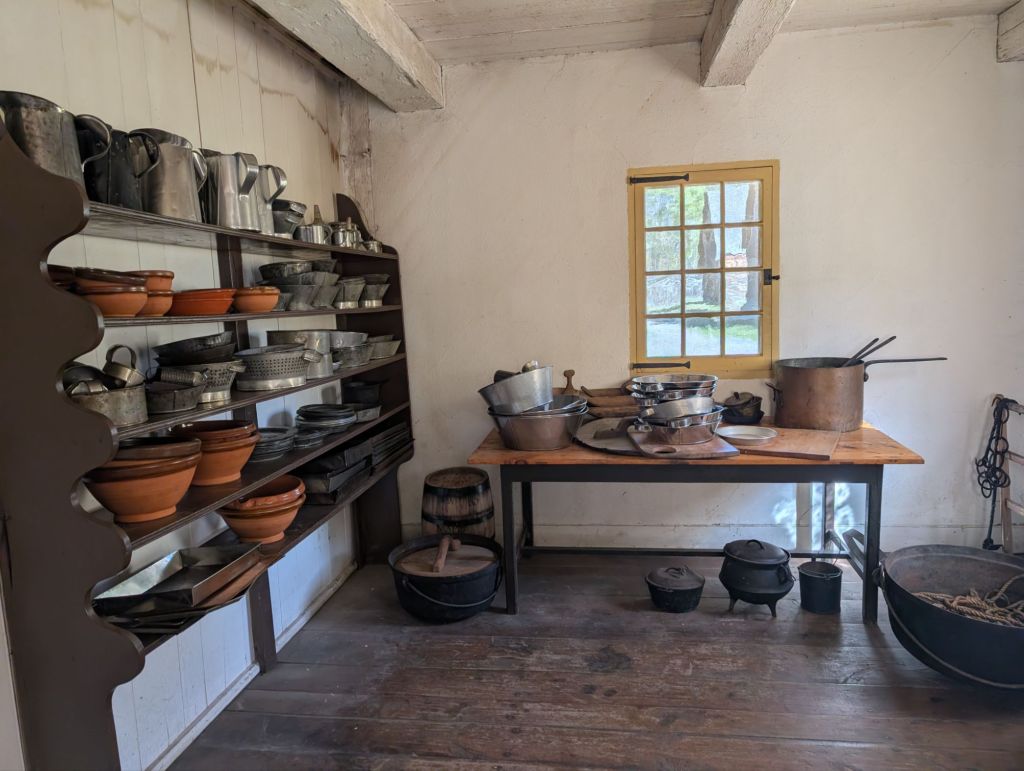
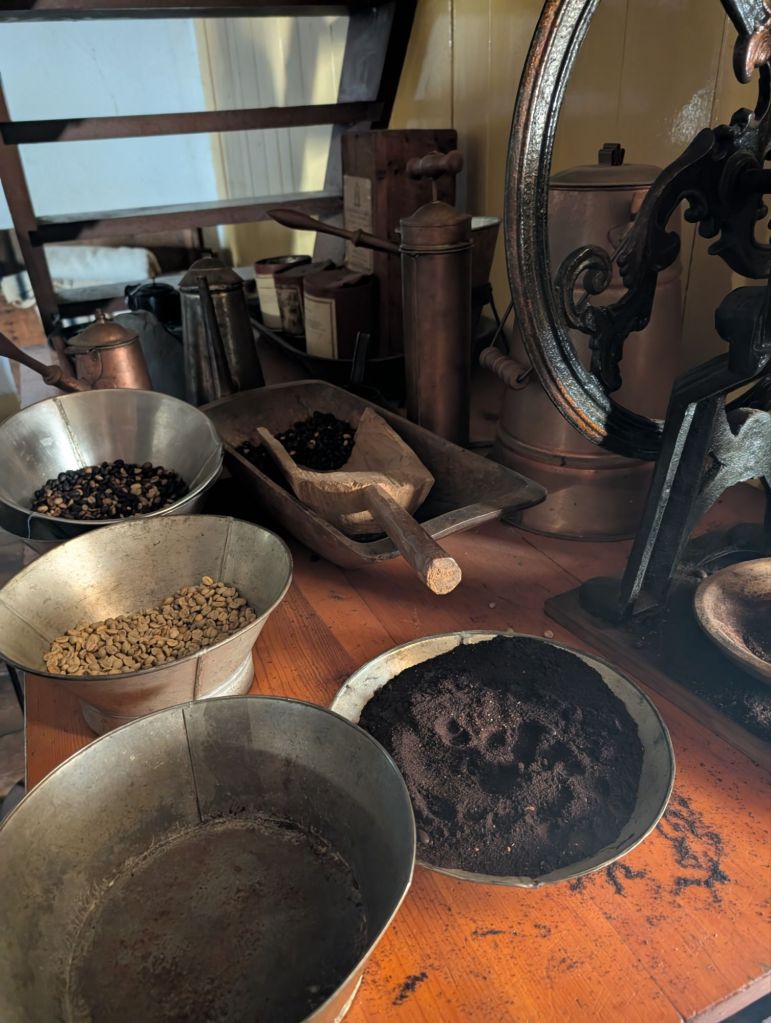
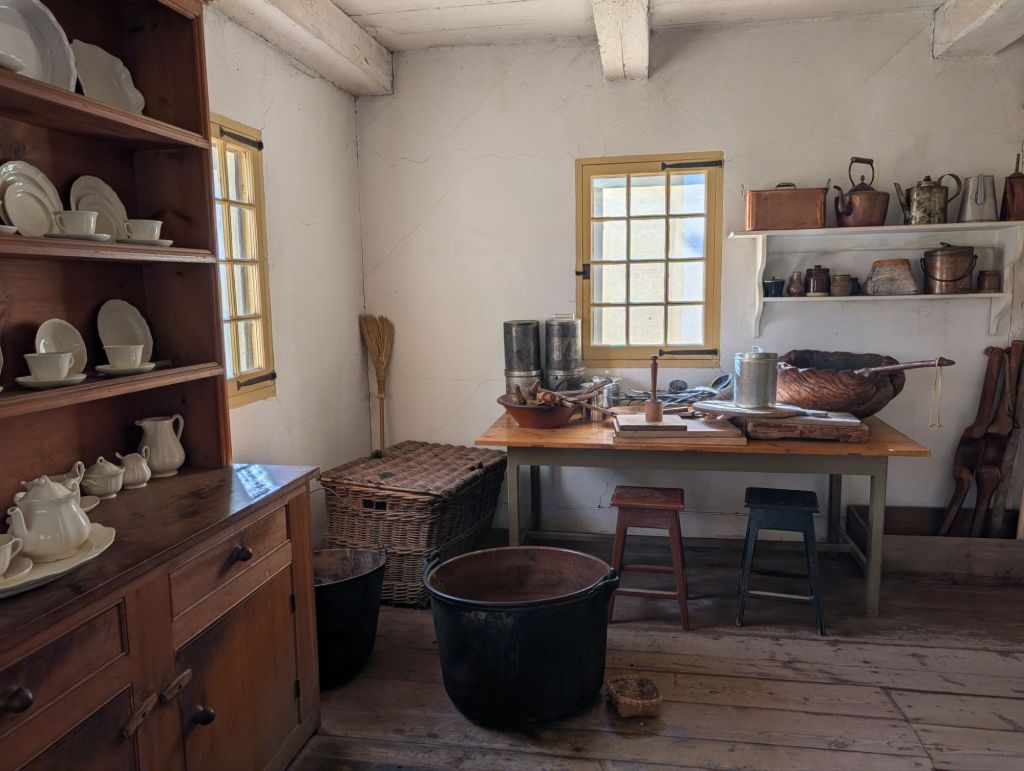
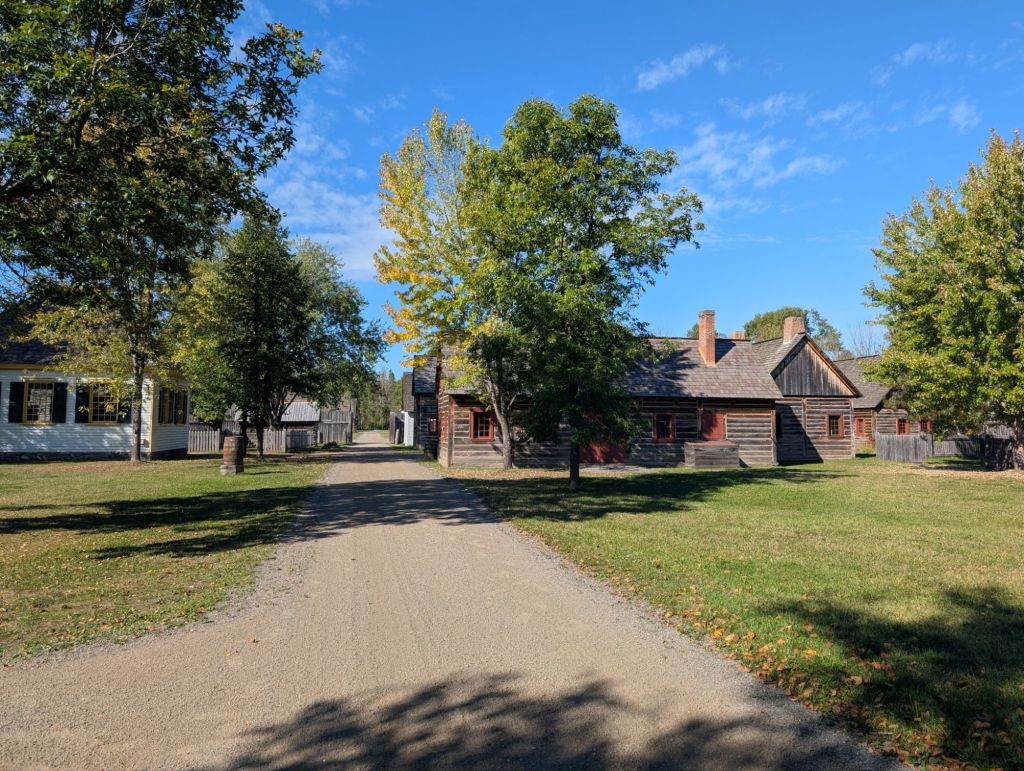
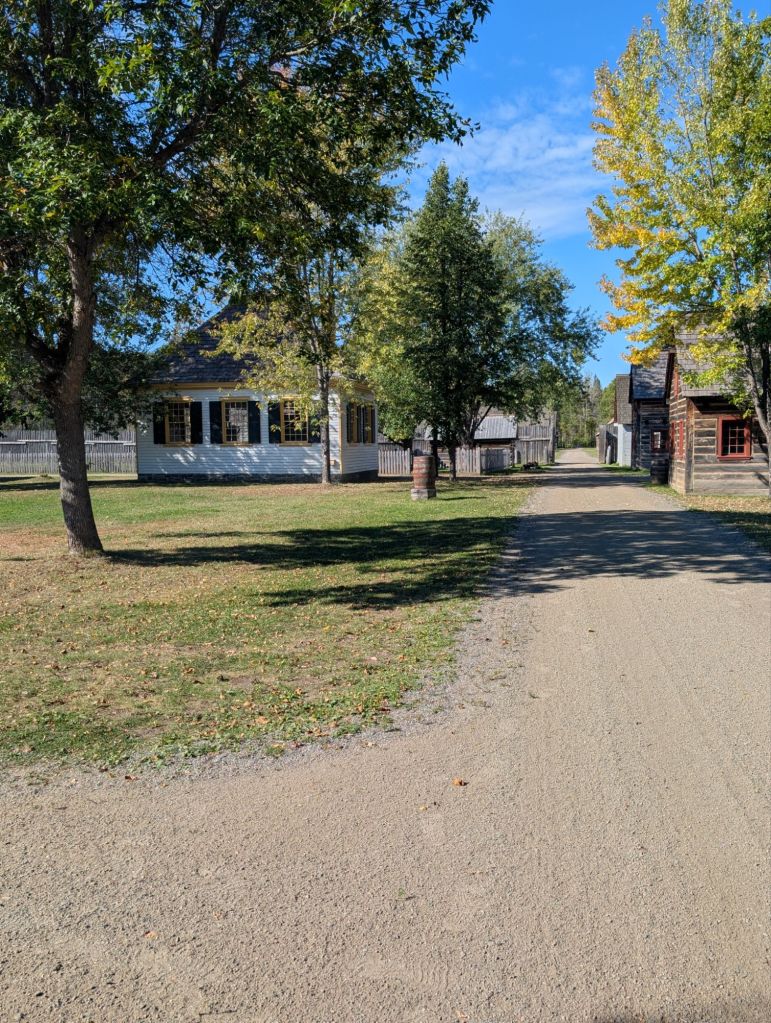
Thunder Bay was once home to Fort William, the inland headquarters of the North West Company and a major trading post for the world’s largest fur trading company. Today this site is a recreation of the trading post that existed in 1815, demonstrating the cultures and crafts of that era.
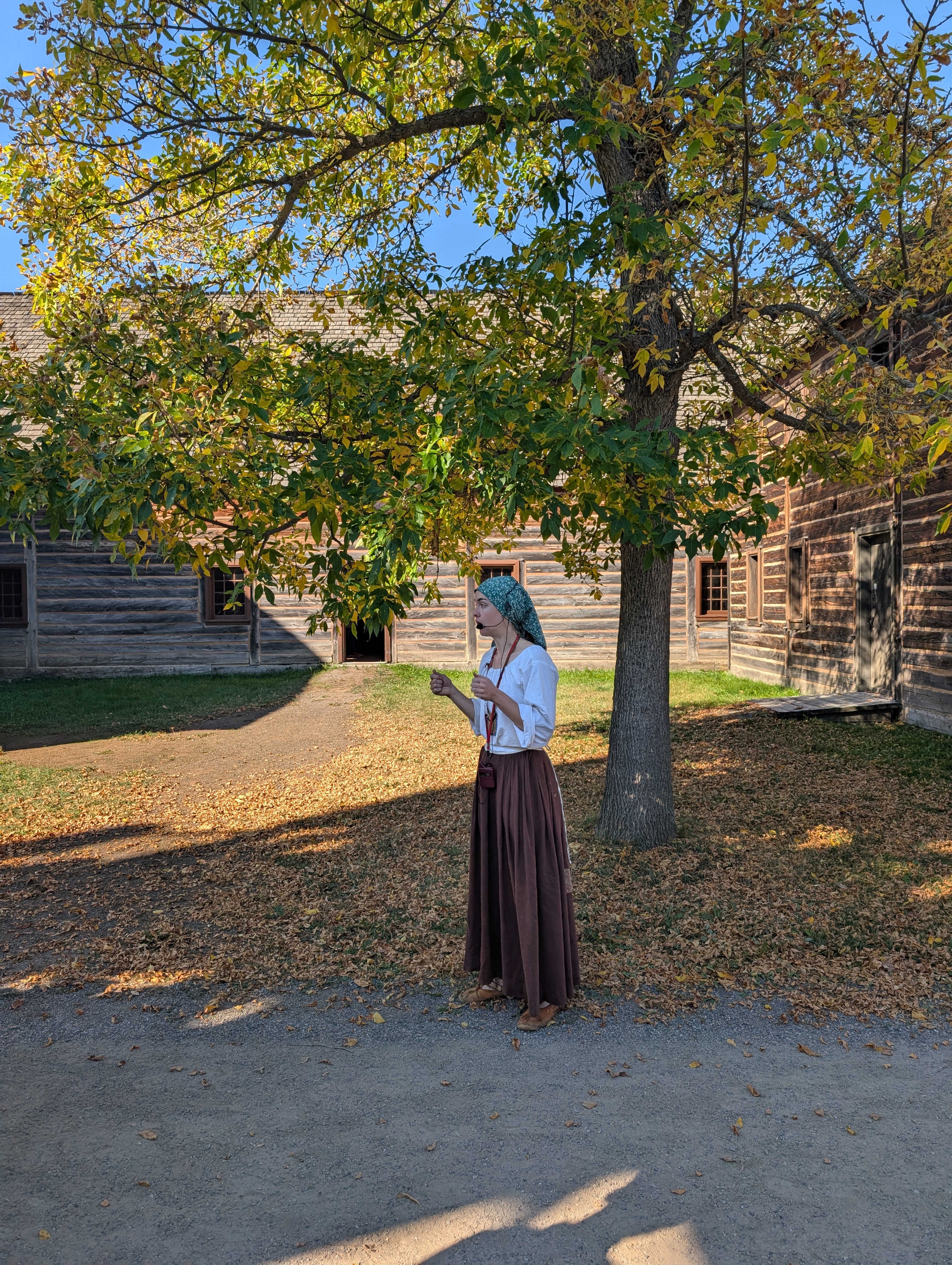
The Fort stands on the traditional territory of the Anishinaabeg, the indigenous people who shared their invaluable knowledge and skills with the traders and exchanged furs and other natural material goods for European goods. Each summer the French-Canadian voyageurs, Scottish businessmen, indigenous peoples and others from around the world gathered here to trade, discuss business, share news and renew friendships.
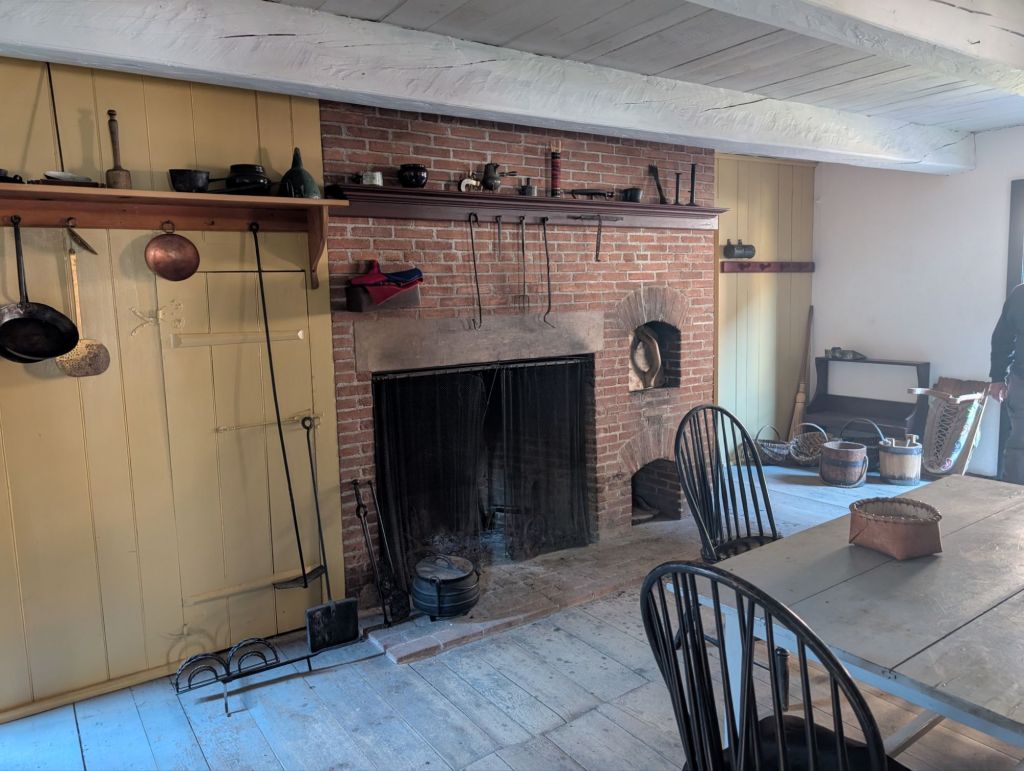
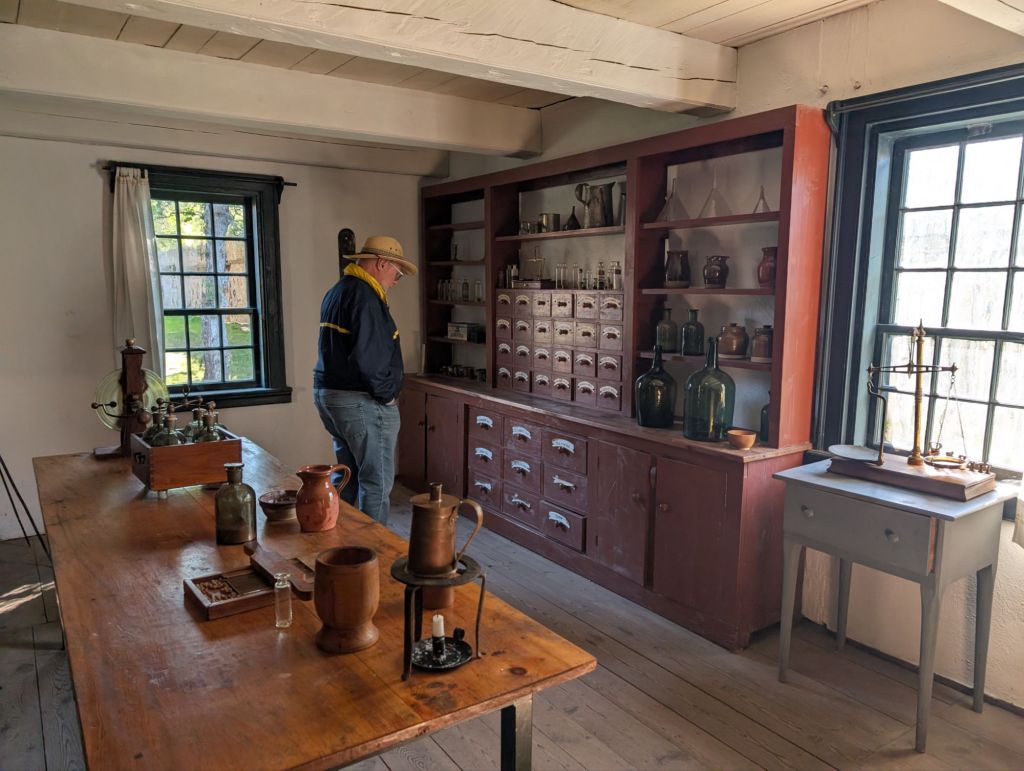
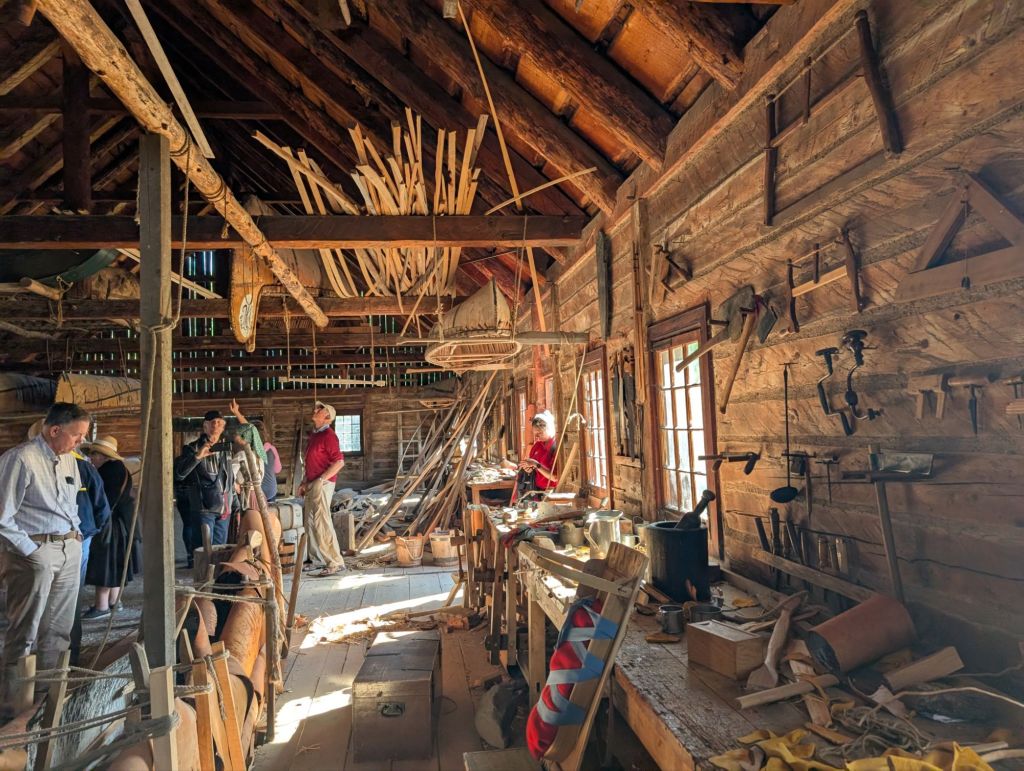
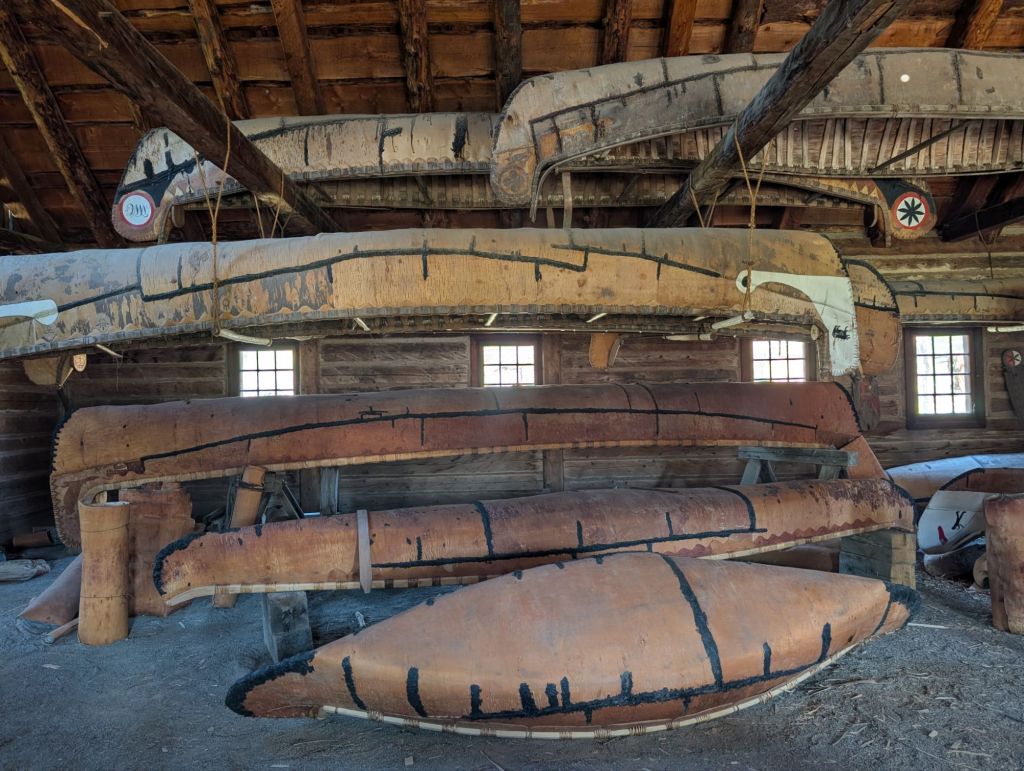
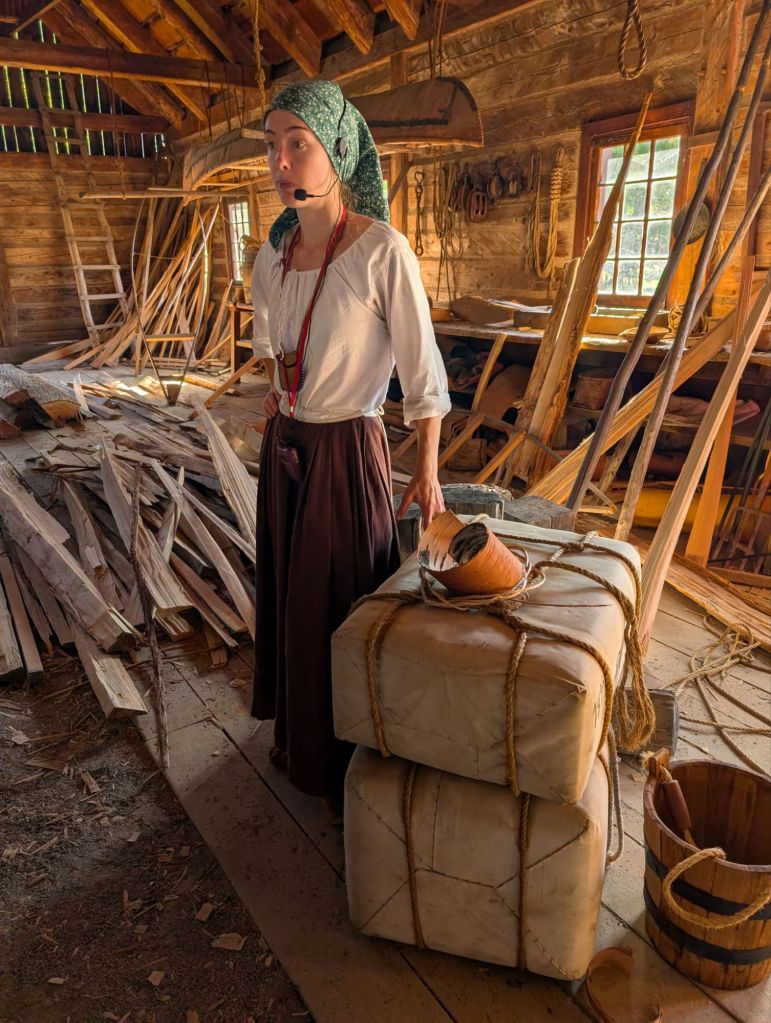
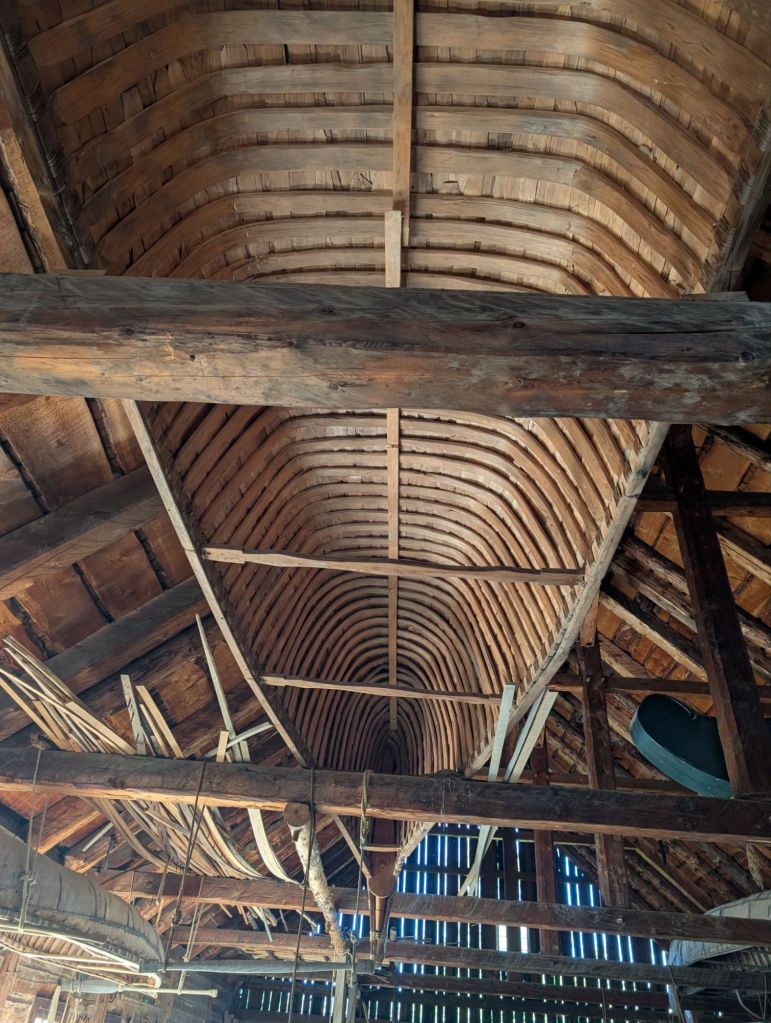
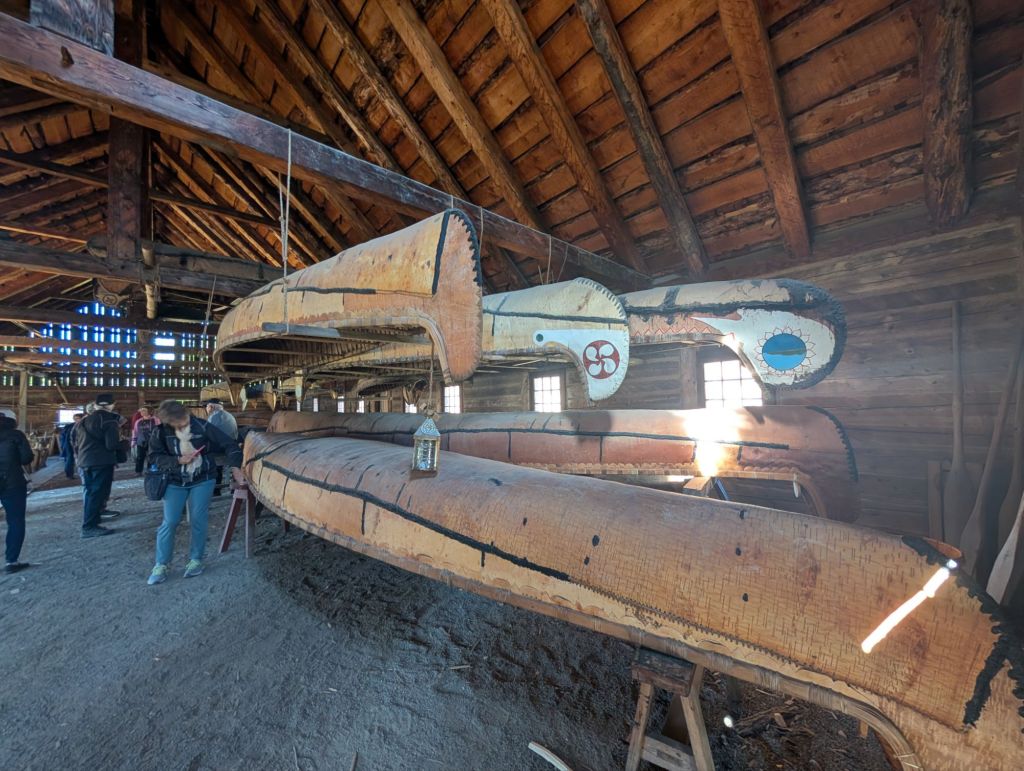
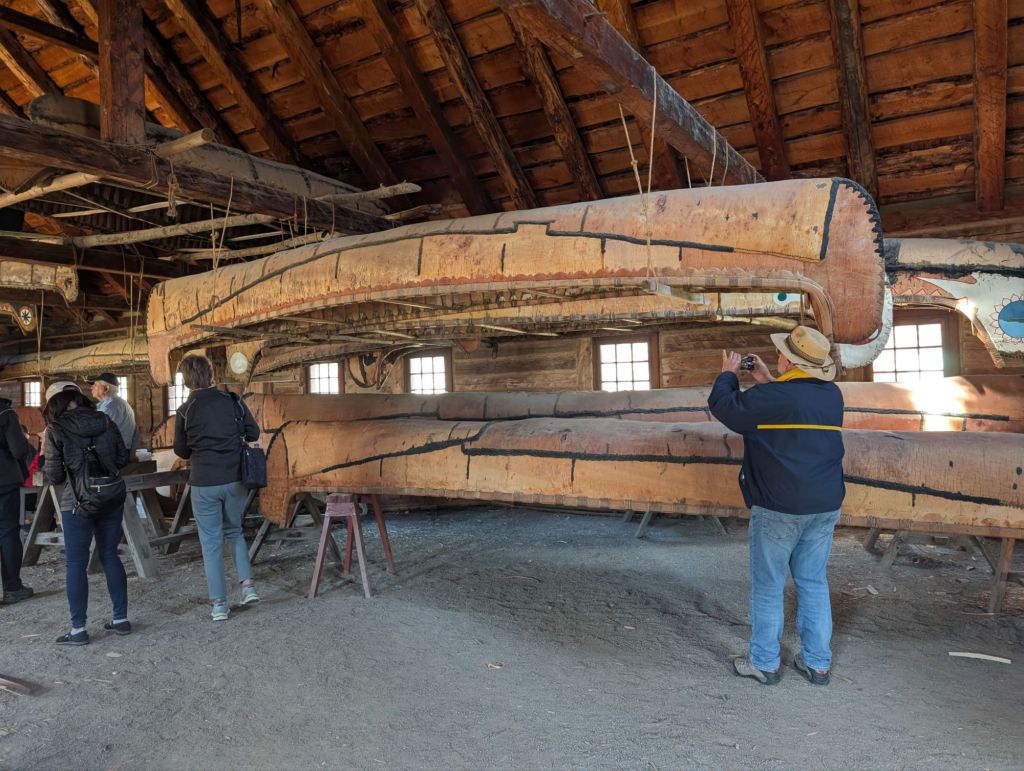
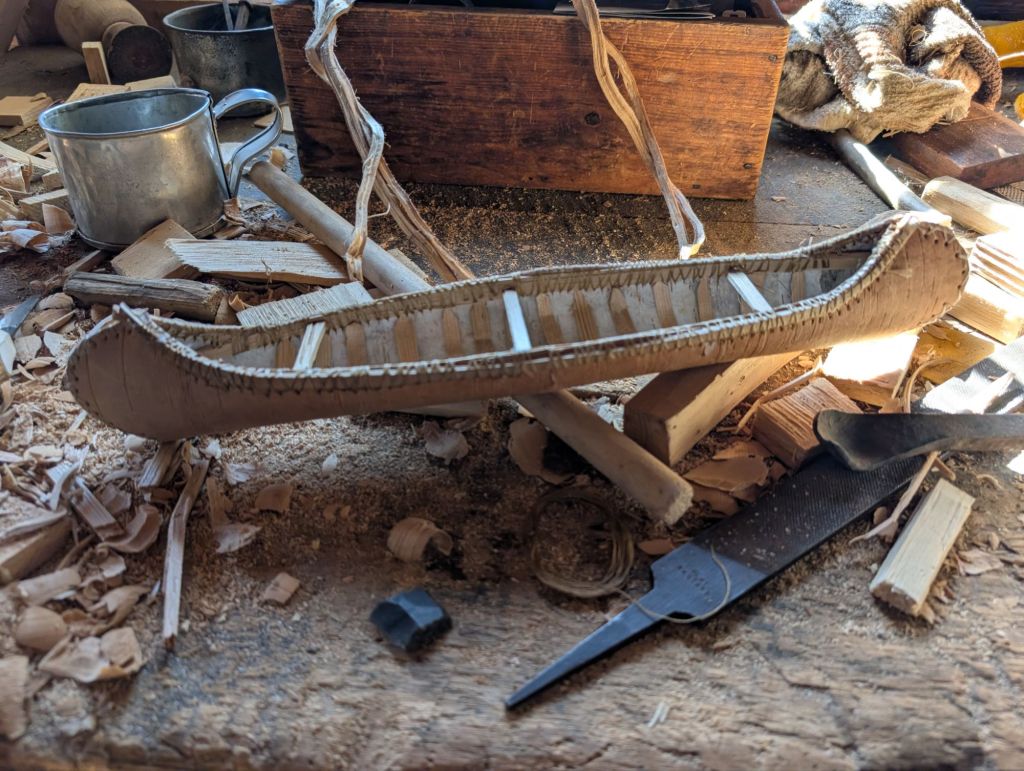
The canoe shop, below, is the place where canoes were built and repaired. Foraging for the materials and building a canoe was a process that took over 300 hours.

 J and J Travel
wow!! 38Life Aboard Octantis
LikeLike